
ALBUM REVIEW: sci fye – 2092

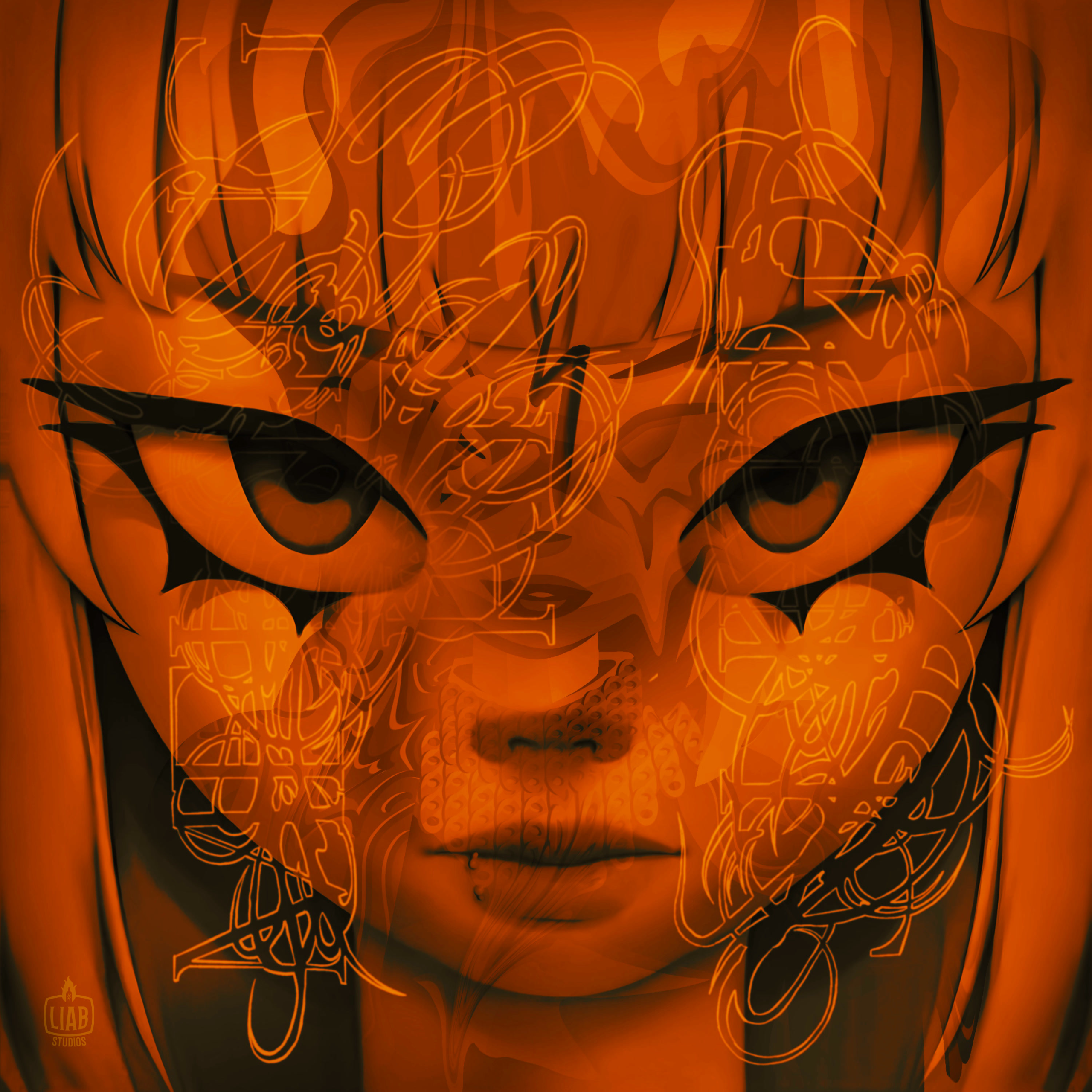
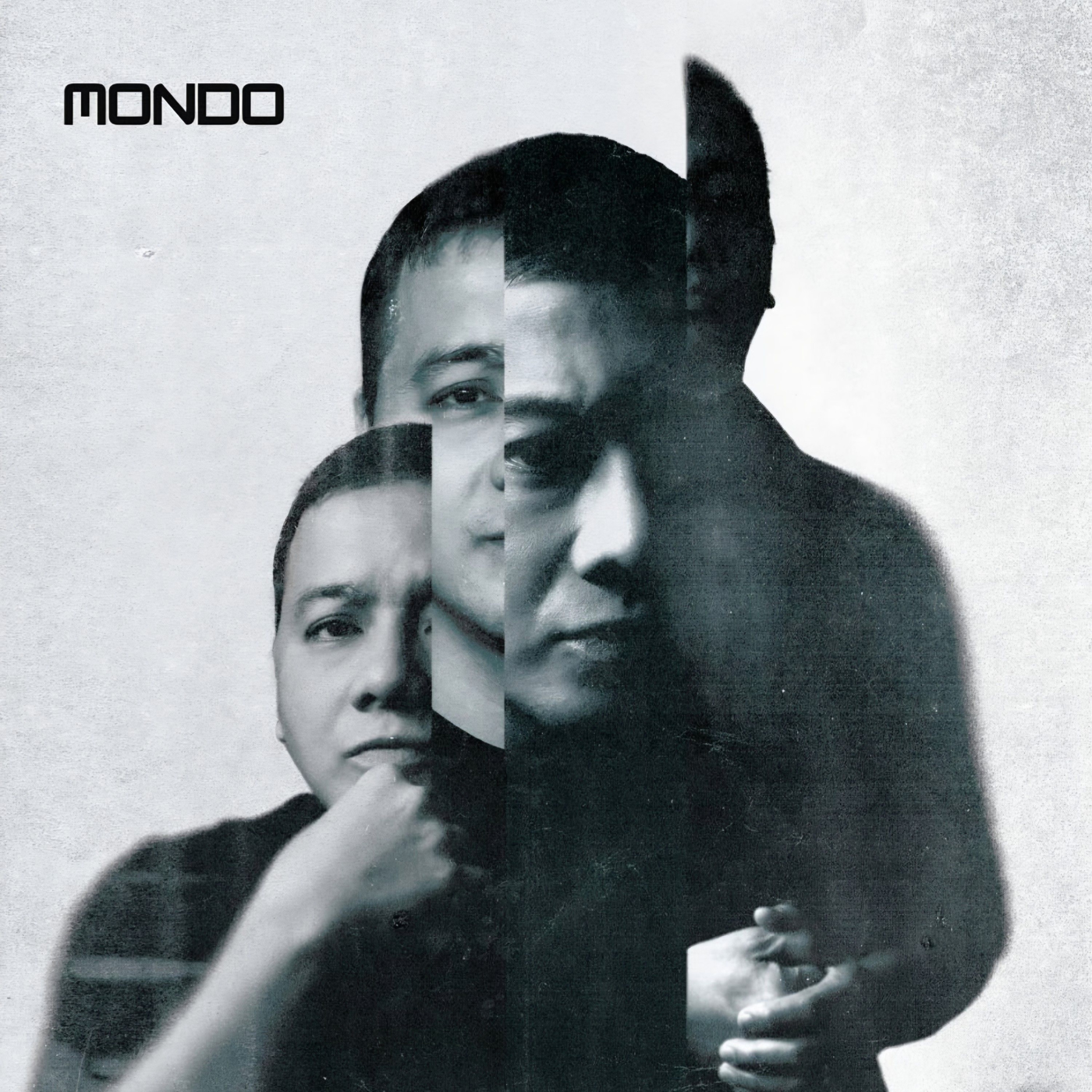
Written by Lex Celera Who can tell the future? Sometimes there’s no point in finding conjectures to predict what can happen five, ten, or a hundred years from now. Sometimes all you need to do is imagine. One year after who knows?, Pasay-based rock band sci fye continues its formula of punk-ish, catchy rock mixed in with a lot of other elements. Since its inception, sci fye’s main proposition has been an interpretation of a subset of music acts that ended up bundled together in the ‘90s: Nirvana, Pearl Jam, Green Day, Pink Floyd – you get the idea – all influential and worth remembering when listening to sci fye. It’s almost like they swiped off the dust from a CRT television set and examined it through a microscope. These influences flow off of each other in a way that outpaces their novelty while binding them to a sound sci fye can call its own.  For one, it’s the technical know-how: the recording is precise, and more importantly, audibly clear, as we have come to expect from their work. Let me be clear: a bulk of sci fye’s tracks are at its most potent when heard live (always a pleasure to see them in the marquee of a gig poster) , but easy listening – say, while in a car – doesn’t diminish sci fye’s angular approaches to music. “Bastard,” a lyrical and thematic standout from the whole project, was worth an immediate re-listen after first contact, its concussiveness, borrowed from its more hip-hop elements, bouncing off the windows of the car stereo. Second, the composition of each song leaves little to be desired, and I say this in the best way possible. ‘2092’ as its individual tracks feel complete, or at least well considered, for it to go on, break down, or stop. What has been said about their previous EP could also be said of ‘2092’: while their individual tracks feel fully formed, the Album as a whole is a mixed bag, rife with textures and sounds that point towards different directions. The 4-piece has yet to transcend from its past work, but maybe transcendence is not the point.  “Intro,” Good morning, ‘2092’!,” and “Western Corprorate Standoff” act as interludes between tracks but come in more as flavor text that can be excavated to find meaning, or not. It’s like laughing at the mouth of the abyss. After their EP launch on Halloween, the band thanked their collaborators and friends in an Instagram post. “We still got one more in us,” the band says. Maybe we can expect another project a year from now. At the speed they are going, music making appears to be a pressure valve they turn clockwise every now and then to let out some steam. Steam, and a lot of angst, some anger, a little bit of melancholy. A lot of anxiety. I’m not sure if I enjoy being comforted by the fact that I relate to the anxieties of the generation, as told by sci fye, to a tee: feelings of belonging (“Alien”), fraught relationships (“Drown It Out”), but mostly the dread of living in the Philippines in 2025. The title track, “’2092′,” and its frenetic fuzziness exude warmth, but the lyrics come as a lingering shadow. We all want to escape this hellhole we call the present day. What’s 2092 minus 2025? 67. Do with that information what you will.  If you’re willing to rock with the supposed abject aimlessness sci fye presents themselves, it would be more interesting to see them as a prism of the present condition we see ourselves in, and ‘2092’ as yet another layer to their humor. SUPPORT THE ART AND THE ARTIST:

ALBUM REVIEW: Janine Berdin – LAB SONGS NG MGA TANGA

Written by Faye Allego Janine Berdin’s ‘LAB SONGS NG MGA TANGA’ is hopeful and seemingly glaring. She blends pop punk, pain, and the performance of “Alternative” in a way that centers the strong female lead vocal back into revival with her new debut album. Within the sonic punches she throws, Berdin’s voice also sits somewhere between early 2000s OPM angst and modern TikTok confessional pop. If there was a word to coin mainstream artists diving down the alternative route as their breakfree moment and entrance to their own creative autonomy, it’s ‘Hugot Alternative’. ‘LAB SONGS NG MGA TANGA’ opens like a Pandora’s box of every detailed situationship debacle that has been discussed, debated, and dissected in sleepovers and passive-aggressive Instagram stories. “HAYUP KA” and “SITWASYONSHIP” hit with unapologetic energy that evokes the comfort that comes from the rawness of rage. Tracks like “Miskom” soften the edges as Berdin’s vocals glide gently over percussion that recalls praise and worship patterns, before a tempo change in the bridge jolts you back into the time where women in OPM like Yeng Constantino confronted and made heartbreak sound holy. There’s no cattiness in “Pretty Pretty Bird,” it’s Berdin’s “Lacy” by Olivia Rodrigo. It’s where girls sit in front of the mirror and fight with their reflection. It’s where Berdin sings “You love her but make love to me/She’s a pretty pretty girl and really I’m no one” that the confession of, “Well, I wanted it to be me” is effortlessly relatable. Meanwhile, “ANTOXIC” captures Berdin at peak raspiness and rawness, and becomes reminiscent of a tragic TikTok edit of the Twilight Saga Series. This track channels the emotional punch of Hugot Alternative, bringing back the early OPM sincerity but reimagined through a grittier, modern lens. The third track, “Ayos Lang,” offers another emotional highlight that cements her vocal prowess and vulnerability. The track stands out among others because of how Berdin turns blunt with potential lovers being oh-so clueless, seen in lyrics like “Tamang patama lang sa story ko/ Palibhasa, ikaw palagi unang viewer ko,” a common detriment in the age of courtship dying down. While ‘LAB SONGS NG MGA TANGA’ starts off strong in the former half of the tracklisting, the momentum dips in its latter half. The slower tracks are simply misplaced, as the pacing and thematic flow couldn’t balance out the emotional weight and adrenaline carried out in the first few tracks. And then there’s the question of authenticity. When you already have access to a full production setup, a massive following, and creative freedom as a young woman in music, how do you escape the polished mold built for female pop stars? Berdin toes that line. She’s edgy enough to reject bubblegum pop, but not quite immersed in the alternative subculture she seems to gesture toward. Is she playing it safe? Maybe. Perhaps, she doesn’t have to carry the burden of reinventing what “alt OPM” means. If there’s one thing that doesn’t land, it’s that there is this unnecessary depiction of what the alternative is. The music videos, particularly the one where Rufa Mae Quinto appears as what seems like a Morticia Addams cosplay while playing fake bass, feel nothing but disconnected from the album’s emotional core. The aesthetic choices made don’t match the soundscape’s sincerity, leaving the visual narrative oddly hollow, almost forgettable, like a 15-second TikTok. Despite its inconsistencies, ‘LAB SONGS NG MGA TANGA’ is a thrilling start especially as a debut album from Janine Berdin. It’s snippets from an artist still defining her space in the post-idol landscape. Berdin may still be finding her balance between authenticity and aesthetic, but if this debut proves anything, it’s that she rocks the distinct OPM blend of yearning and grit that was dearly missed in the new age of strong female voices. SUPPORT THE ART AND THE ARTIST:

ALBUM REVIEW: Bambu – They’re Burning The Boats

Written by Gabriel Bagahansol The name of the latest album from Filipino-American rapper Bambu is taken from the arrival of Spanish forces in Mexico, who set fire to their ships in a bid to take over the country through bloodshed. There is a web of colonialism that links Mexico to both the Philippines, its fellow former Spanish colony, and Bambu’s hometown of Los Angeles, whose Mexican heritage clashes with the socio-political dominance of the United States. That ever-growing web of international dominance and tyranny is what informs the sentiments within the rapper’s latest project, ‘They’re Burning The Boats.’ The anger spurred in response to gun violence, conservative grifters, raids on immigrants, a tax-funded genocide, and a disproportionate status quo is front and center on ‘It’s Happening, Again,” which acts as a preface for the album. On the next track, “Their Problem, Not Mine,” Bambu calls out Filipino-Americans who have chosen to betray their Filipino roots in exchange for model minority points that won’t protect them from racism. He doubles down with his disgust on unprincipled people in “Righteous, By Design,” where he encourages people to be proud for having militant progressive stances and speaks out against money-driven commentators who manufacture consent for imperialist aggression. Fittingly, on “Burning Manufactured, Alive,” Bambu tells the story of Palestinians and Arab peoples who went about their normal, everyday lives before that normalcy was violently rewritten by Israeli bombs made possible, in part, by United States industries. And on “Inamo, Customs Enforcement,” Bambu talks about the racist violence happening in his own country, ridiculing ICE agents for being class traitors to their own countrymen and reminding them of the grim legacy they will leave behind for their children simply because they needed a paycheck. On this initial set of songs, Bambu plays the role of messenger and critic, with the sharp mindstate of an org leader leading a rally and the charisma of a rapper feeding rhymes to a packed club. His words flow so smoothly over boom-bap beats — provided by longtime collaborator Fatgums — that they help the heavy subject matter go down easily, and with Bambu’s skill in turning his stances into sticky hooks, these songs feel less like a sermon and more of a lively public demonstration. No more are these traits more evident than when Bambu tackles the chaos happening in the motherland. When most rappers would use a beat with snappy drums and warm electric pianos to brag about cruising at night in a flashy car, Bambu instead uses this as an opportunity to warn flood control contractors driving in their flashy cars of the consequences of their greed. “Blood In The Maybach, Patay Sa Baha” puts a spotlight on the injustices happening in our own country, conjuring images of corruption within the government and the media, and how it has affected us Filipinos. On the same song, Bambu delivers another lambasting of Asian-Americans who turn a blind eye to their fellow Asians who suffer back home, and he even calls on people to turn against the antiquated systems that have done so little to help their constituents. The injustices we face will leave us feeling plenty of anger and disgust, and these songs reflect that prevailing sense of doom, but rather than exhausting his rage to the end of the album, Bambu tries to propose that in spite of all of this, we can still make change possible. On “Complicit, Repeat,” instead of regurgitating his disdain towards ignorant people, he attempts to reach out to them, show a common ground in their struggles, and encourage them to speak out. By presenting sympathy to the apolitical who’ve become jaded over time and are now complicit in war by way of their tax money, he reminds listeners of why activism matters in these trying times. But with a closing track titled “It’s Happening, Now,” you’d think Bambu would take this opportunity to mobilize people into the streets after talking about the atrocities of our time in the last seven songs. But instead of giving into such obvious urgency, Bambu is showing love — love for his comrades, love for his fellow Filipinos, and most of all, love for his family. Now in his forties, Bambu’s rage against the machine is as alive as it was two decades ago, but becoming married with children didn’t dilute his energy. The sobering clarity after all the political chestbeating comes from remembering who it is you’re fighting for, and as Bambu makes it clear by the end of this album, he takes to the streets for a better future for his family and families like his. The two songs that close ‘They’re Burning The Boats’ not only prevent the album from becoming a doomscroll in glorious hip-hop, they also complete the purpose of activism and reaffirm the many people that come together in organizations and unions all over the world. Rebellion isn’t just about being angry over a corrupt system and sneering against conformity; it’s also about reaching out and welcoming people to the cause and making your disobedience count towards ensuring your countryfolk will no longer live a life they don’t want.   But how do we solve all this, then? At the end of the album, Bambu clarifies that he actually doesn’t advocate for violence, but vows his support for whatever choice the masses will make to end the tyranny forced onto them. Put this album on and do with his words what you will — but keep them in mind the next time the ashes piled up on Manila Bay clog the drain and cause a flood the next time it rains. SUPPORT THE ART AND THE ARTIST: They’re Burning The Boats by Bambu

ALBUM REVIEW: NEW LORE – grief cake

Written by Gabriel Bagahansol In late 2024, the band formerly known as No Lore released its final single under that name: a cover of Callalily’s 2006 classic “Magbalik” transformed into epic synthpop. Towards the end of the track, we hear frontwoman Tita Halaman deliver a rap verse on letting go of a troubled past and moving forward, adding an element of progression to a song of someone hopelessly saving what’s left of a dysfunctional relationship. By this point, No Lore was at a crossroads. Their music seemed tangled between the band’s roots as a guitar-based indiepop duo—and the organic but staid identity that comes with it—and a whole new lineup as a trio moving towards something else. With new creative impulses that appear to be at odds with the limiting nature of the band’s origins, letting go was something Tita Halaman, along with new members Kim and Carole, needed to do in order for them to fully embrace the ethos they now want to embody in their art. With a crashing crescendo that petered out into synth tones and beeps, No Lore was no more. Eight months later, after subsequently re-emerging as the electropop band NEW LORE, the three-piece would release their debut album ‘grief cake.’ Now operating from a clean slate, the members of NEW LORE paint glossy electropop soundscapes across this new batch of songs. The bright synths and saturated textures illuminate Tita Halaman’s straightforward and dynamic lyricism on navigating adulthood and its many tricks while drawing strength from the sincerity and frankness of one’s inner child. If the “Magbalik” cover was the death and burial of something that had run its course, the opening track “OH MATURITY” is the first step in rebuilding oneself. Free from the limited palette No Lore’s artistic identity afforded, the music bursts with a renewed sense of energy, as though a floodgate had been opened for a creative catharsis that is heard all throughout the album. That’s not to say there aren’t any growing pains, though: while Tita Halaman is eager to reflect on her past and become more optimistic and self-aware in her relationships, in the chorus, she laments the slow pace of these changes. On the breezy synthpop track “LOVING, HURTING,” Tita Halaman acknowledges that love can last in the belief that people can move past the mistakes they’ll inevitably make to each other. With the sound of a band that has immediately succeeded in working with their new sound, these two songs are a welcome introduction into the world of NEW LORE. NEW LORE’s embrace of electropop means they can now let the music add dimension to the stories they tell. On “DIRTY” and “GOODSIDES,” a pair of songs that tell contrasting views on trust and acceptance, the instrumentation is clear, dynamic, and colorful. This new approach helps us get a glimpse inside Tita Halaman’s mind as she tells these tales, particularly on “GOODSIDES,” where sweeping synths swell over an R&B beat that intensifies her wail of disappointment over someone she thought she knew well. Another example of the chemistry of words and sound that NEW LORE successfully blends throughout this album is “TRAFFIC,” where minor and major keys weave together as Tita Halaman sings about dancing to the radio with a lover while stuck in a traffic jam. Meanwhile, on the album highlight “WHO HURT U,” Tita Halaman’s words for an adversary are complemented by a dance punk groove that gives the song power, urgency, and fun. If the previous track sought an escape from lethargy, this one is the gas pedal push that’ll help you face your toughest moments headfirst with a sneering brave face. But the thread of life’s dualities continues to run through the album, and it culminates on the title track and album closer “GRIEF CAKE.” Here, Tita Halaman weeps for the end of a relationship she had fought so hard to keep alive. After trying to seek maturity, and now having gone through a bitter split, Tita Halaman has come to the realization that she is “just a kid,” making this one-half of a pair of songs — with the same key and tempo and all — that bookend this album. With ‘grief cake,’ the members of NEW LORE have given a nuanced take on growing into the many sides of adulthood, leaving no definitive answers when it comes to dealing with negativity, and instead calling on you to just have fun and never hold yourself back. It just makes sense why this album is named that way, and it also makes sense why the serious, sedate stylings of No Lore had to be forsaken for the urgent burst of freedom in NEW LORE. In early 2025, the band unveiled their new identity with “AMBITIOUS,” later the penultimate track on this album. It was the right way to kick off NEW LORE’s new story: its lyrics about shifting into new and exciting shapes, with an optimism punctuated by a sunny synthwave beat, is the ethos with which this remarkable re-debut was successfully built on. Reinvention shouldn’t have to come at the expense of your whimsy. In fact, it may just be the very thing that’ll get you there. SUPPORT THE ART AND THE ARTIST:

ALBUM REVIEW: Hazylazy – ANTAGONISMS

Written by JK Caray  Hazylazy, Laguna-based virtuoso Jason Fernandez’s solo project, is an indie darling. His first EP, ‘The Resentment Segment’ in 2020, has since become a classic that captured the stark isolation brought upon by the pandemic blues. In the following years, the soloist had everyone’s ears on him, waiting for another release. What’s next, we collectively wondered. It wasn’t until 2025 that we finally heard a response, culminating in Hazylazy’s debut album ‘ANTAGONISMS.’  ‘ANTAGONISMS’ thrives within its lush instrumentation. Experimenting further on that hazy, dreamy sound, the album is a spiritual successor to the 2020 EP, but given more space to grow. If ‘The Resentment Segment’ bordered claustrophobic territory at times, ‘ANTAGONISMS’ flourished in its own peculiar world. Hazylazy’s vocal performance here remains static and unchanged, but he’s never been one to focus on one component more than his overall sound direction. The DIY elements of the production carry a fuzzy nostalgic sound; bringing up scenarios of indoor plastic playgrounds, liminal neon arcades, and vast green valleys under vibrant cerulean skies, only existing within its hazy, fever-dream-like wall of distortion-heavy guitars and reverberating drums. Over the course of the album, the tracks center around Hazylazy’s internal struggles. Perhaps this is another understanding of the album title ‘ANTAGONISM,’, a play on the indifference of airing out one’s inhibitions. For example, the track “WAKE AND FLAKE” talks about escapism from the mundane life and the unbreakable cycle it creates. The rest of the album operates at the same tone, glum yet desperately hopeful. A few lines from “CHASING MY TAIL” sum it up the best: “No sight of reason—No right demeanor, Believing there’s no one to hold onto. ‘Cause I wanna get my whole life together”. A record like ‘ANTAGONISMS’ happens whenever a 1:1 rendition of an artist’s idea is executed. It’s an accomplishment when an artist creates their own worlds, but to convey it in its purest form is a feat that only a few can do. In this case, it works because the album is by far the most potent version of Hazylazy. A release so personal and unapologetic, it created a portal to a land that used to only exist within his mind. Transcendental and mystical, it’s clear from the start that ‘ANTAGONISMS’ does not belong in the world we reside in. SUPPORT THE ART & THE ARTIST: ANTAGONISMS by hazylazy

ALBUM REVIEW: Lola Amour – Love on Loop

Written by Adrian Jade Francisco Nearly a decade into their career, septuplet pop-rock Lola Amour became an act you would hear anywhere. Like any other band, their breakthrough came only when lightning struck—and it poured. The “Raining in Manila” fever took over the Philippines as the rainy season did. Syncopated brass, snappy basslines, and everywhere you turned, you’d hear “It’s been raining in Manila, hindi ka ba nilalamig?” Now, with Lola Amour’s reach extending to a wider audience, their once-local charm began to take on a metamorphosis in ‘Love on Loop.’ The act decides to groove unmistakably pop, for better or worse, under a runtime of thirty minutes. Unlike their previous releases, the groovy, jam-like jazz fusion detours are almost nowhere to be found across the band’s sophomore album. If Lola Amour’s 2024 self-titled album was their ticket to the mainstream, ‘Love On Loop’ showcases how they navigate their pop sensibilities. The production is pressed into something unrecognizably sleek; their penchant for cheesy lyrics remains intact, but a part of their previous refined sonic identity moves away. Supplanted by drum machines and a noticeable absence of the explosive instrumental sections that once defined their sound—a tilt toward a polished pop direction. While “Raining in Manila” anchored the ensemble’s ability as a cohesive band, the tracks on ‘Love On Loop’ strip away that dynamic to the point where the group feels almost unrecognizable in “One Day Away” or “The Moment.” On the other hand, “Misbehave” and “Dance With My Mistakes” slip into more recognizable arrangements, attempting to assert the band’s reinvention. They throw in funky jabs with a pop-oriented sensibility, while the title track, “Love On Loop,” flirts with bossa nova rhythms. However, for all its catchiness, it lacks the space for Lola Amour to feel loose—to hear their dynamic as a band. There’s a fragile equilibrium at play, tapping into their potential as a mainstream outfit under producers Hyuk Shin and CUURLEYOn, but shedding much of the group’s defining sonic character throughout the album. It’s a balancing act between identity and accessibility, coming at the cost of the interplay that once gave them their edge. Lola Amour proves their pop instincts are sharper than ever, but they lose the very friction that once made them compelling. ‘Love On Loop’ is a confident leap toward the mainstream—one that brings only half of the band’s heart along for the ride. SUPPORT THE ART & THE ARTIST:

ALBUM REVIEW: Djuno – Moonrats

Written by Louis Pelingen What is fascinating about acts that produce music in their bedroom or home studio is the limitation that comes with it: they rely on spare equipment, the ideas in their head, and the sheer will to put something out while letting the raw essence of their music come to life. A common occurrence these days, especially once you dig into a site like Bandcamp, but there are times when the music that was made is filled with intriguing ideas, both in the composition and the writing. Formed through a 10-year-old rusty MacBook, their love for rats, and their set of guitars, koto, and violins, Djuno spawns ‘Moonrats,’ a record that tousles within homespun spaces, tapping into indietronica, folk, and alternative rock that is cobbled together by Djuno’s dedication to create something out of their resources. Creating ramshackled compositions that their voice plays into really well, sounding like a singer-songwriter that came out of the ’90s. “Maura Crushed”  plays into this in a straightforward direction, with fingerpicked guitars nestling their bare vocals within a coddling atmosphere. But things get interesting once Djuno starts toying around with production. Modifying their voice to sound more blurry, synths and samples chop off or pop into the mix, playing with the mixing in sync with the lyrics; an intended effect that adds more across Djuno’s well-considered melodies and performances. “Beak” comes through with gentle strings and acoustics, but gets sonically interjected everytime they proceed to a certain phrase; “Mentol Song, Dead Horse” submerges into indie rock rubble before letting the synths take over, their voice always shifting throughout, same case goes for “Otkah” that wades across a raw start accompanied by a digital organ, a burly guitar passage that cuts off into choppy vocal stutters, just before ending things off with a string section; “Slump” takes things on a off-kilter segway, layering spare melodies on top of this uneasy text to speech audio, until noisy guitars rupture and then interestingly sampled to tie the song together; and “Prarie Dogs” finishes the record with its 8-minute climax, starting with simple acoustics gradually going through its rush of highs and lows, implementing pummeling drums, wheeling violins, and boiling riffs along the way.  The intent for the mix eventually pinpoints their conflicting identity with Mina that stirs within their writing. Djuno’s love for singer-songwriters—inspirations such as Elliott Smith or Cameron Winter definitely show in spades—shines through in how they write words and phrases, filling the arc with macabre imagery on one hand and metaphors that flow with absence and emotional decay. It’s a characteristic that keeps following Djuno and Mina, where at first, the shift in voices interprets who is singing. The bare vocals represent Djuno, and the processed vocals come from Mina. A back and forth in trying to separate from one another and travel to a place where Djuno and Mina can be safe and sound.  Yet, in reading between the lines, it becomes clear that Djuno and Mina are the same person. Mentions of reflections and limbs make it clear enough: a push-and-pull between identities that care deeply and who push themselves down. It creates the eventual insight where they can’t separate one another because they need each other. To be Djuno or Mina doesn’t matter; what’s important to them is to be elsewhere. Never lying dormant in one space, the process of leaving for somewhere unknown can be scary, but worthwhile. They do have themselves in the end, after all. With this much thought, it lights up ‘Moonrats’ with so much detail that’s worth looking into, where every bit and piece across its songwriting, sonic palette, and performances become purposeful as a whole. Despite still carrying the singer-songwriter inspirations that can still be refined upon, there’s no denying that Djuno has something going for it in the long run, even despite their initial struggles that come from working on the album on a decade-old MacBook. Just like the moonrat, it may be easy to catch what’s going on, but listen closely, and you’ll find more rawness that’s worth looking into. SUPPORT THE ART AND THE ARTIST: Moonrats by djuno

ALBUM REVIEW: D Waviee – Epitome

Written by Jax Figarola One should always listen to a trance album with an open mind, open heart, and an open area to move freely and dance. D Waviee’s ‘Epitome’ reads less like an album than a carefully staged rite of passage. Rite of passage (detachment, liminality, incorporation) in a way that the album stages a formal emotional transition for its listeners. Only at first, it might seem like a collection of tracks produced over time by D Waviee and simply arranged for the release of her sophomore album, but the first few tracks already interrupt the flow of mundane daily sounds. As an independent producer, she fashions her sets into ecstatic incantations; on record she does the same and invites listeners to a manufactured liminality of a dissolving material world. Yet, the texture of music, as an art form, remains in this world. The opening title track performs this perfectly: voices layered like organ lines, a fractal cascade, and a wind that seems to hug and lift you, until you register that you are not dancing alone, but part of a constructed sociocultural matrix that accepts music as cathartic like the rave scene. “Blizzard,” a techno-trance wink at Far East Movement’s “Like A G6,” and the light “Moody,” steer the album to a Jersey-club glitch vogue realness, which feels like walking into liminal geography. And if rave culture has always flirted with ritual, the album makes that flirtation explicit. There’s a temporary suspension (or detachment) of the social selves that makes it possible to enjoy yourself with a new sense of belonging. Therefore, midway through, ‘Epitome’ sharpens into a focused body of art. “Put It Down – Femme Queen Edit” in its Jersey-club, explicitly queer choreography, and vogue-ish punctures pivots into her most dangerous and most thrilling track “Electric Erotica,” which as a track feels like being fucked in all holes by a bionic octopus. Here, the body transforms into a site of ambiguous desire. The track is not sexual, but it is sexualized in a way that feels intentionally destabilizing, suggesting that the body in trance is neither wholly male nor female, but a porous, androgynous surface for electronic music to latch on. That interface is programmed to give temporary liberation, just as the track is programmed to put you into a sexual-psychedelic trance. Thus, the concept coheres from the fifth track to the eleventh. D Waviee’s techno flip of Pette Shabu’s “COA” starts the sequence to the project’s most successful continuity exercises. “Shot Para Igat” is libidinal and kinetic with all the moaning sounds and it feels like reaching the climax. However, the record jolts toward an awkward “Green Light (Extended Mix),” almost like an interstitial pop serenade in the middle of a ritual, as “818” and the ending “Bleach & Tone” tilt the project toward memory work. The latter, with its dusted PS2-era textures and pre-rendered nostalgia, performs the incorporation phase: the collective spirit, after its temporary detachment, returns altered to the world and carries a residue of the night as memory. There is a delicate, enchanted quality here — an insistence that communal dance can rewrite how we relate to technological and cultural memory, as if those PS2 textures remind us of the manufactured nostalgia’s power to anchor us back into our own living reality. The project may occasionally feel disembodied, and it’s a part of its strategy as much as its weakness. This made the opening songs read more like experiments. Further, sounds and the self become more fidgety, and the records become very danceable. In this sense, ‘Epitome’ is less about individual tracks, but about what the listener performs for themselves. The album becomes a mirror for how one carries the energy to a liminal space that they enjoy. Like any other dance album, it’s a highly participatory work. D Waviee’s performance ethos posits that euphoric dance is something made, not merely found. Raves’ socially unrestrained atmosphere already captures the spirit of trance music. It is through the act of assigning memory to her music that the listening experience shifts into something more joyous and sustaining than simply dancing. Lastly, there is a sense of alchemy in how D Waviee, as a producer, turns influences of different genres (Jersey club, acid trance, techno) into tools for communities to use to map the sounds that reconfigure social intimacy. If trance is a practice of temporary unmaking, D Waviee’s ‘Epitome’ is the night’s manual. It needs you to surrender your social script, to accept a shared illusion, and to step back into the world with a new, quieter devotion to your body, to the people who moved beside you, and to whatever tenderness the music carved through your night. D Waviee was able to turn sexiness into cathartic communal love for electronic dance music. It’s the reason why trans is a near-homophone of trance. SUPPORT THE ART AND THE ARTIST: Epitome by D Waviee

ALBUM REVIEW: zayALLCAPS – art Pop * pop Art

Written by Faye Allego If the very peak days of MYX were still around, zayALLCAPS would take that television channel by storm with his musical endeavors, but in this era of DIY, the listening experience of ‘art Pop * pop Art’ is more than enough. In his third studio album, zayALLCAPS seems fun but careful; It’s camp, it’s arbitrary, and it isn’t indulging in the Y2K music nostalgia for the solemn sake of doing so. Zay couldn’t be more clearer: It’s art, and it’s pop. Simple as that.  On shuffle, ‘art Pop * pop Art’ is as if your ears are tuning in on different circles of people whom you’ll find at a gig with an hour-long DJ set: “MTV’s Pimp My Ride” is playing when guys in loose jersey shirts are rolling their bodies near the turntable, presumably having the time of their lives. In tracks like “PROCESS,” multiple rhythmic melodies come in like a triple threat – the threat being that Zay stays true to his Instagram username, “Swagalog101”. Dare I say, he has the full potential to bring back the term “Jeproks/Jeprox” through his amalgamation of Jodeci influences in his more sensual sounds.  zayALLCAPS pays no cap on that production. Who knew aggressive autotune that sounds like a talk box blended with smooth harmonies into a foamy mic could sound so orgasmic? The thing is, autotune discourse is so overtly tired, but tracks like SATURN (ft. Anto The Wayward) bring plus points to those who simply don’t care about the “correct” usage of autotune. Zay oscillates between tracks through the velvety theatrics of autotune without sounding too hazy or, for lack of a better word, monotone. It’s not a watermark that defines his artistry; however, through the funky textures of “rWm”, this track proves that autotune can be an extension of his persona, bringing prismatic bursts into the listener’s ears without drowning in reverb or harmonies that sound like a repeated Coca-Cola burp.  The only downside is that lyrically, Zay keeps it rather dull; “Friendz U Can Kiss” (ft. Frizzy) tries to juxtapose well with the sharp engineering of the album’s seductive yet upbeat production, but the rhythms from the rhymes that match the melody seem to be its only saving grace.  In tracks like “Love In U,” lyrics like “Minimizing my synonyms I incentivize a new beginning/Who said I couldn’t? Regrouped I’m super in it/I run the ship like a troop and I’m the new lieutenant/ Had to switch it up staged a coup that’s how I reinvented” bring that campiness element to the song and the album because visually, it seems impossible to mentally illustrate these lyrics in a more retrospective sense, since the synths already provide the fun, lighthearted atmosphere. Nevertheless, the lexis and rhythm bring out the colors within its blues.  At its best, ‘art Pop * pop Art’ is a kaleidoscope and a rotating disco ball where sparkly theatrics cast a bright reflection and bursts zayALLCAPS’ sheer personality. The recycling of nostalgia doesn’t exist in any part of his art and succeeds at making art very pop.  SUPPORT THE ART AND THE ARTIST: art Pop * pop Art by zayALLCAPS

ALBUM REVIEW: Dark Horse – Spirituals

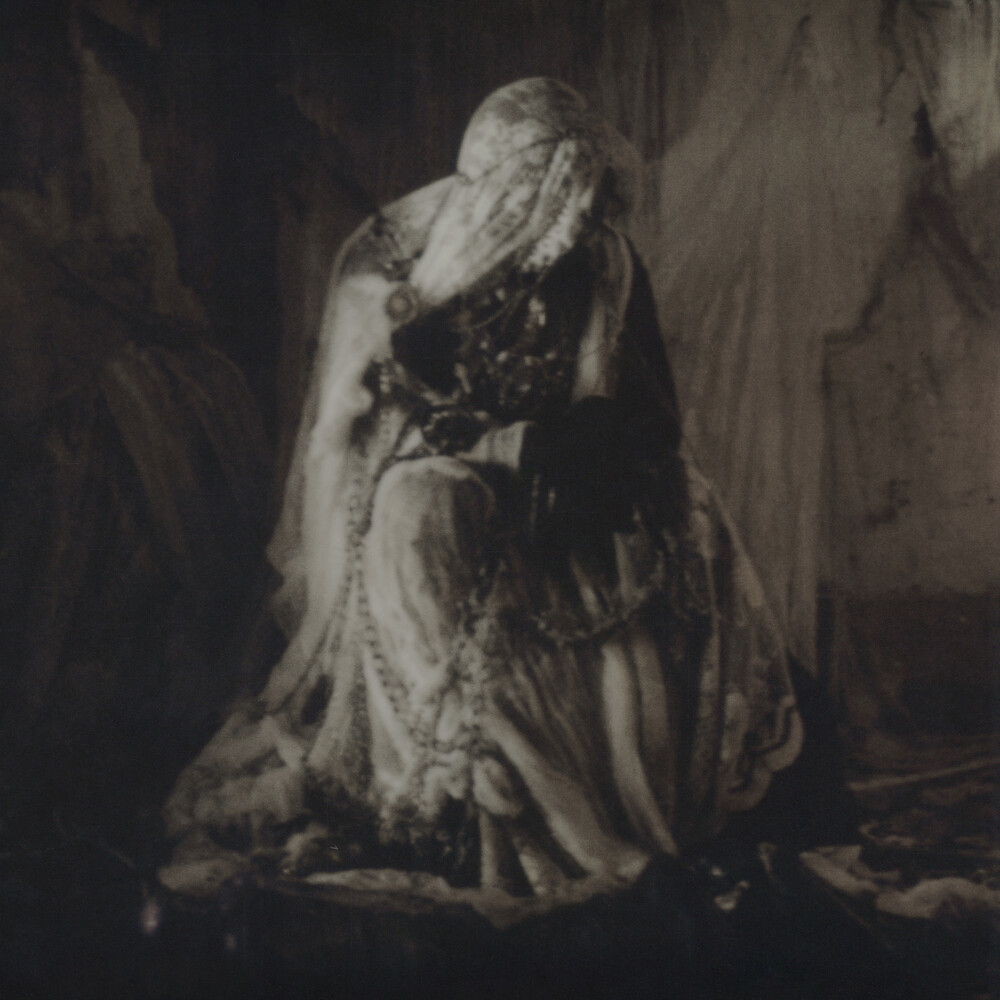
Written by Nikolai Dineros There is this inherent pressure for concept albums to be atemporal. Perhaps rooted in misinterpretation, the idea of a concept album being similar to that of an odyssey revealing gospel truths of whatever musings its creator has willed into existence. What follows usually is a prophetic candor reaching apocalyptic scales. Dark Horse’s debut album ‘Spirituals’ challenged my idea of a concept album. Behind ‘Spirituals’ is an ensemble from two major players in the underground — and I don’t mean any local music scene. Renowned author and alternative culture connoisseur Karl De Mesa and Ronnel Vivo of the Vivo Brothers fame (known for Basalt Shrine, Dagtum, Sound Carpentry Records, atbp.), among others, join forces to create this brooding experimental doom folk project. The production of ‘Spirituals’ showcases the duo’s mastery of dread. Despite his proclivities and inclination for heavy sounds that demand your full attention, Vivo’s presence in ‘Spirituals’ is more understated than in his previous projects. This time, he plays a complementary role, taking charge in creating the needed ambience that gives De Mesa’s performance the urgency and biblical breadth fitting for an album that is more prose than a technical display of musical proficiency. The name Karl De Mesa is one linked to horror, more so the banality of it in the life of the everyday Filipino. Anyone familiar with his body of work would know his affliction for themes of family and resistance. The album’s single “Comrade Buddha” revisits this common Demesian trope, as explored in his earlier essays found in “Report from the Abyss.” More succinctly, a postmortem reflection of an ideal or a past, more formative self that bore witness to such tumultuous events. Binding spirituality and armed resistance and weaving it into a perturbed hymn is just the cherry on top, further displaying the masterful duo of De Mesa and Vivo. Meanwhile, “I Offer Pslams” finds the author recounting his memories in specific places, paying tribute to his mother in a solemn act of devotion. The album’s denouement, “Airwaves (A New Song of Darkness),” carries an oppressive air that leaves the listener in a claustrophobic state, as supplemented by Vivo’s scornful production work. These are just two examples of how De Mesa reveals himself in his writings; it is no surprise that these characteristics would bleed into his music. And not to mention, “I Offer Psalms” and “Comrade Buddha” are two of the highlights from this album. The other tracks, however, all follow the same pattern: tirades of cataclysmic scales interwoven in layers of cryptic wordplay – some are piercing, some barely scrape the epidermis. With all that being said, ‘Spirituals’ left me with more questions than answers. First, the album did not leave us with a satisfying conclusion to ascertain its connection to De Mesa’s past works, perhaps by design. What does the concept of an album say about the ever-changing state of the artist? Does it hold water when challenged by time and circumstance? ‘Spirituals’ approaches ideas in albums not like the be-all-end-all I may have mistaken them to be. Rather, it takes a larger-than-life concept (that is, De Mesa’s encyclopaedic knowledge of the systemic horrors he grew up with) and shrinks it to the size of a ball — a small yet dense ball. It might take me forever to parse every line, every subtext in Dark Horse’s debut album in connection to what I know of the artists involved in this project, how Vivo interpreted and translated these messages into sound, and how ideas can be tackled and revolved around by artists pursuing such ambitious endeavors. For now, I am satisfied with the knowledge that ideas are temporal. There are no hard-and-fast rules in creating art that stands the test of time — or even if they should. Whether ideas are reflective of the artist’s current state of mind, the connection ends the next time they hold the pen. Support the art and the artist: Spirituals by Dark Horse