Category: ALBUMS

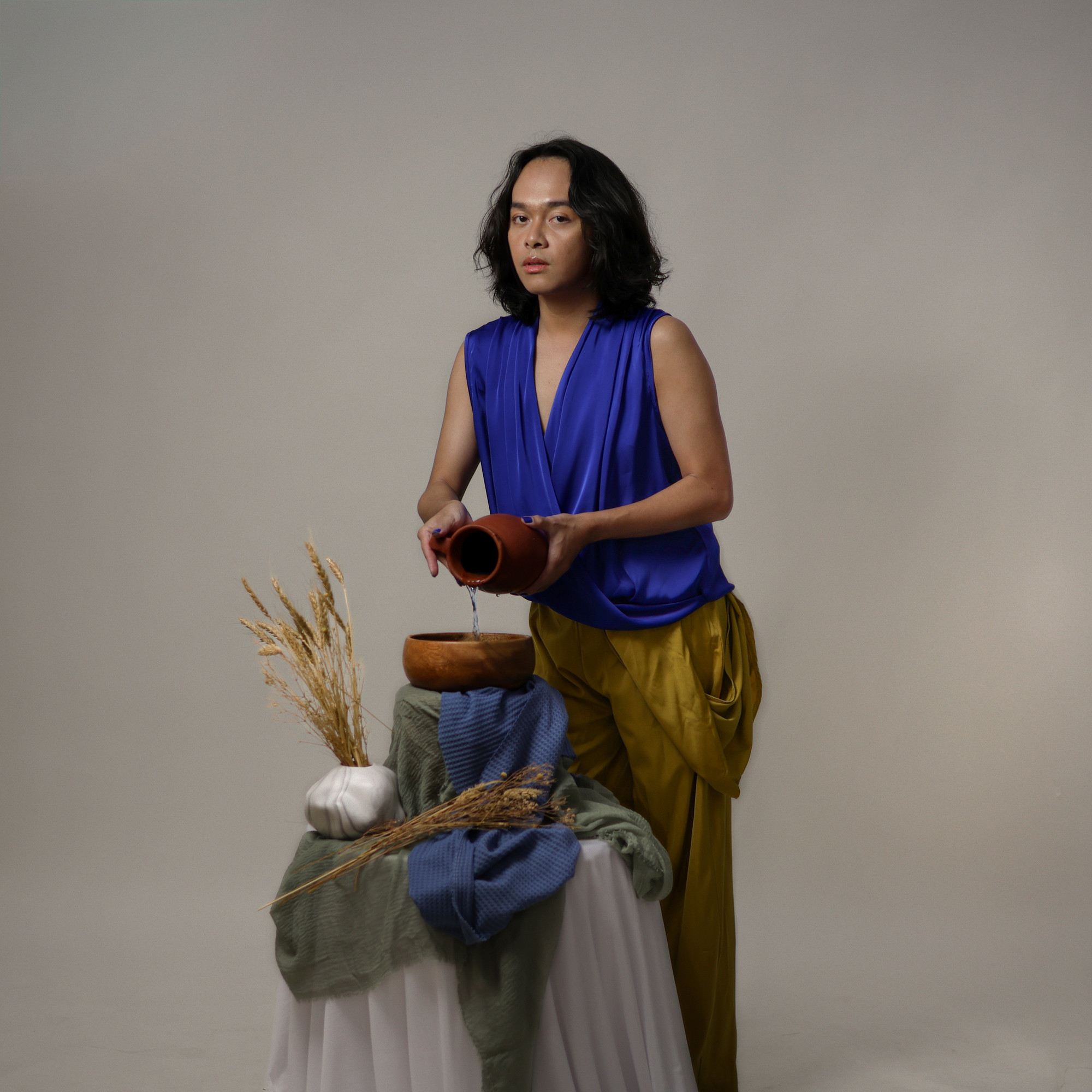
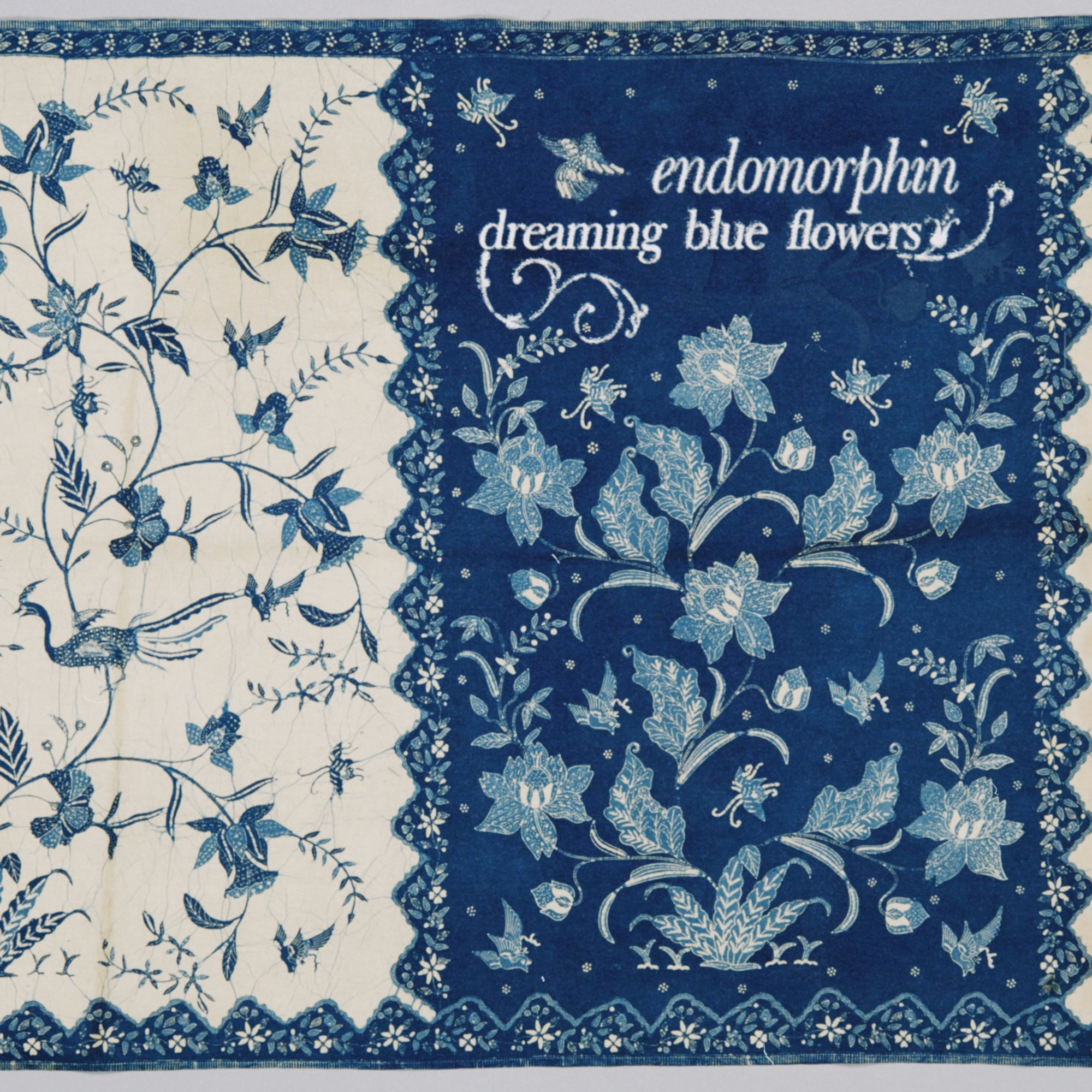
  • ALBUM REVIEW: dreaming blue flowers – endomorphins

    ALBUM REVIEW: dreaming blue flowers – endomorphins

    Written by Paolo Elwick

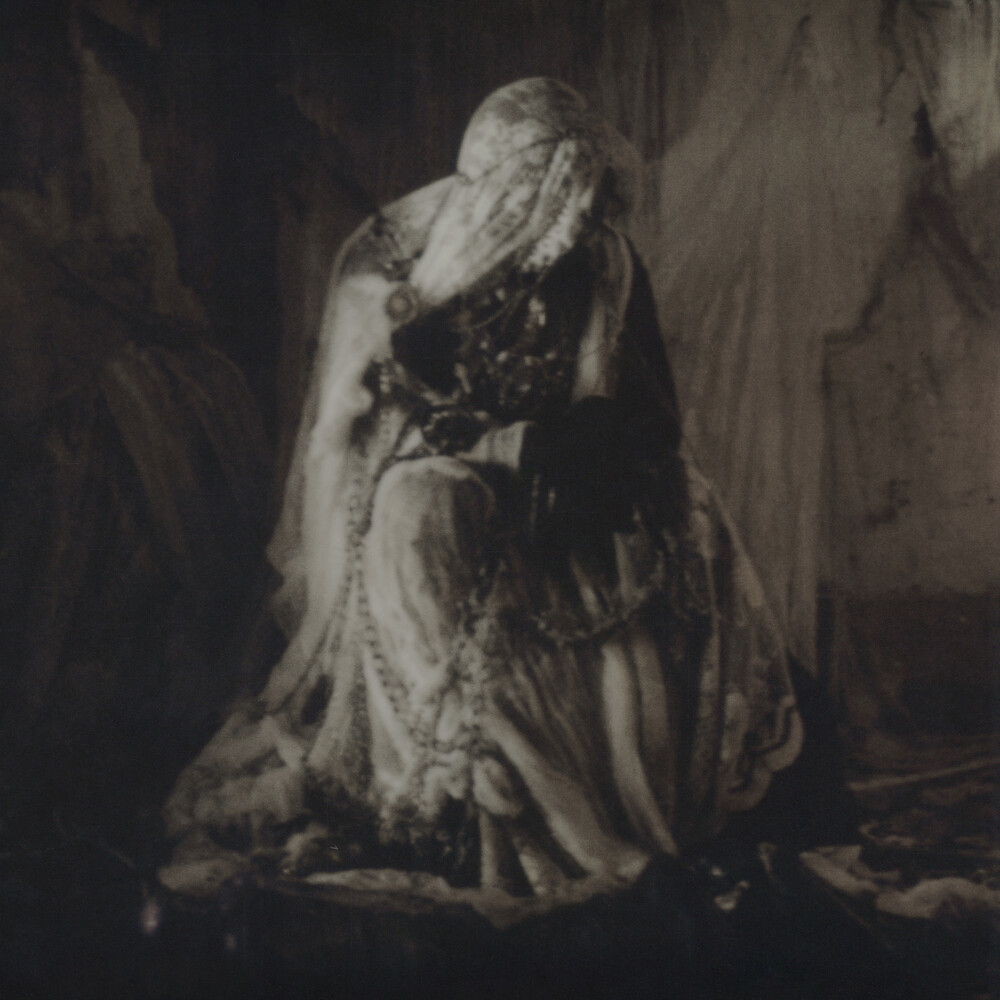
    Since introducing themselves with “Do(es) I(t) Matter?” at 123Block on June 21, 2024, dreaming blue flowers has bloomed into one of the more emotionally resonant acts in the local indie scene with songs rooted in vulnerability, introspection, and atmosphere. For members Lissia Ciel, Hannah Angelica, and Kern, that sensibility fully manifests on ‘endomorphin’, a mellow and melancholic debut effort that puts the lingering ache of heartbreak into words and notes before it slowly fades into memory.

    Setting the scene is a set of instrumentals either knee-deep in keys or swimming in strings — both, however, are excellent foundations that allow Lissia Ciel’s soft yet seemingly distant vocals to shine. The three-member indie folk band then adds a layer of vulnerability through lyrics like “I will find a way / to get through the maze / of failure to feel oneself / on countless days” from the title track “endomorphin”. While heartbreak remains the album’s emotional anchor, its songs are equally concerned with the aftermath of loss — the guilt, self-doubt, and emotional exhaustion that naturally accompany the end of any meaningful relationship. Across the album’s 43-minute runtime, these feelings seamlessly shift from wounds to reflections, making it clear that endomorphin is an exploration of how people carry pain, not how they get over it. 

    The arrangements reinforce that emotional weight by slowly unfolding, layer by layer, allowing pianos, strings, and percussion to thrust those emotions into the spotlight. This is particularly effective on “breath of life,” where the gentle instrumental mirrors the search for belonging amidst uncertainty with bright highs and muted lows, while “spaces between” starts mellow before eventually ramping up into a riff to represent the stress of wrestling with the painful realization that some relationships cannot be held together by effort alone.

    For both tracks, the drums are noticeable, but they rarely demand attention—instead, they serve to subtly shift momentum, while the strings and keys act as emotional cues that guide listeners through the album’s many moments of reflection. Even the vocals, echoing and softly drifting throughout the project’s runtime, contribute to this sense of restraint by creating distance that pairs well with the album’s introspective nature. In the process, everything comes together cohesively for an ephemeral, dream-like experience — something that isn’t always a given for full-length debuts, especially from burgeoning bands. But dreaming blue flowers seems surprisingly aware of who they want to be and the sound that they want to make.

    While having a clear identity is mostly positive, the songs on ‘endomorphin’ can sometimes feel too cohesive, often blending into one another with too much ease as if they’re one 40-something-minute song. The same patience that gives the album its dream-like quality also means that the songs often unfold in similar ways, with soft vocals, strings, keys, and adjacent themes occupying much of the same space. As a result, certain tracks sometimes blur together over the album’s runtime. For more present listeners, this might not be an issue, but this project rewards a listener who’s fully present with an immersive experience filled with nuggets of emotion, warmth, and depth.

    And maybe that’s exactly the point. Much like the memories and emotions it draws from, ‘endomorphin’ rarely arrives in sharp focus. Instead, it drifts between moments of clarity and haze, allowing heartbreak, regret, and longing to bleed into one another until they become inseparable. In doing so, dreaming blue flowers puts into sound a difficult truth about healing: our wounds never fully go away — they simply become part of the lives we live.


    Support the art and the artist:

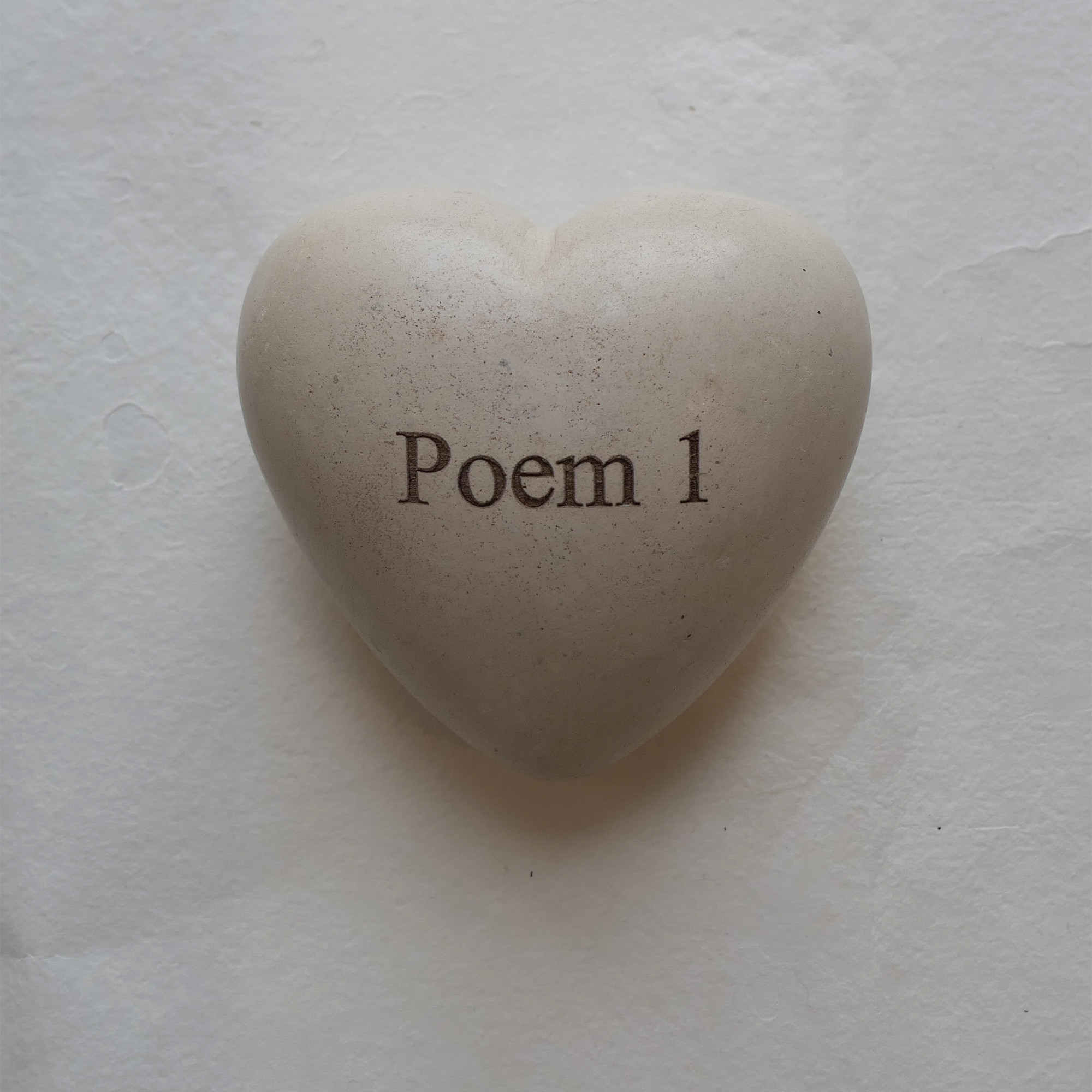
  • ALBUM REVIEW: Ana Roxanne – Poem 1

    ALBUM REVIEW: Ana Roxanne – Poem 1

    Written by Julia Harumi Kudo

    Ambient music’s signet has always been atmosphere, but we often confuse the word with absence, ergo futile. Brian Eno imagined ambient music as ringings that move like weather, both trivial and essential, a crux for emotion rather than narrative. Even so, the best ambient records are not just background music. They are conditions of being. Ana Roxanne’s music craft understands this much like love, poetry, longing—the old weather systems of being alive. Erstwhile, the mental workings of her preternatural were pinwheeled on identity and being intersex, clad in wistful whimsy and flora. “When I learned that most flowering plants are hermaphrodites, that felt significant to me. I saw flowers in this new sense because they’re universally very beautiful.” And now in ‘Poem 1’, the branches of her trees move with sensuous asceticism, you see colors while listening to it: a weathered beige, perpetual periwinkle for penance, and a faithful trace of undying gold lingering with brushes of lush cymbals. 

    In “The Age of Innocence,” the opening track immediately establishes the album’s crossway. “I wanted to try. And go very far,” revealing existential exile and a desire for newness and transformation, as ambient synths incense the track with slow-moving textures and wuthering tenderness, her voice haunting and leading you into someplace of selfhood across 9 tracks of soundscape salvation. “Berceuse in A-flat Minor, Op. 45” keeps this atmosphere as Ana Roxanne plays with the imagery of fog, making the intangible feel physical but also contained. “My pre-performance ritual is to just be alone with my thoughts in a quiet room,” Ana Roxanne said at The Kitchen in New York with Axel Arigato. You can hear that solitude all over this record, not loneliness, but chosen aloneness: the mind becoming its own room, its own inkwell, its own thunder. One of the album’s visceral nuclei, “Keepsake,” dawns delicate piano chords and a restrained vocal performance. “Oh, I can never reach you. I’ll keep it this way.” Her ‘Ooh’s’ are lush and sensuous, completely angelic. She sings about it not being over, something that we’ve all heard, ignored, and felt before, but Ana Roxanne’s manifesto in yearning is something you cannot look away from. The piano progression permits the track to sing its heart, maybe not out loud, but in a half-formed dream, where she could write the person into permanence, in forever. “I can never reach you. So I’ll keep a piece bеside me,” immortalizing the memory and putting it into a heart-shaped box because turning it into a memento is the safest way of loving it, nothing can break, and it would never leave. But silence has always been the preferred language of longing. “X”, with its ambient echo texture, gives you time to think while the long synth pads give you time to listen. A sound that might be nothing or might be the beginning of the unfailing. 

    By the 6th track, “One Shall Sleep”, Ana Roxanne has reached deliverance; she’s done remembering, the waves have set her free. “Free of pain. Heaven has ’til morning.” She gives us an experience, a song, poetry, and a promise, the verging violin and the strings lacing together with whisperings of life’s noblesse. The sacral musing continues in one of the album’s strongest tracks, “Cover Me,” with a choral vocal arrangement and a ceremonious synth tone, cradling the ear in wishful prophecy. Praying, not necessarily to a God or a person, but toward the air, toward knowing that we are small-longing beings, but the world saves if you believe.

    In helix, the world of ‘Poem 1’ alone narrowly reached skyward nor revealed the spirit it twisted; the figment of it felt like it exists beyond naming, beyond ether — an ache to be one with the wind, to restore the invincible because hope is the thing with feathers, yet, never, in extremity, it begs for a bit of your identity.


    SUPPORT THE ART AND THE ARTIST:

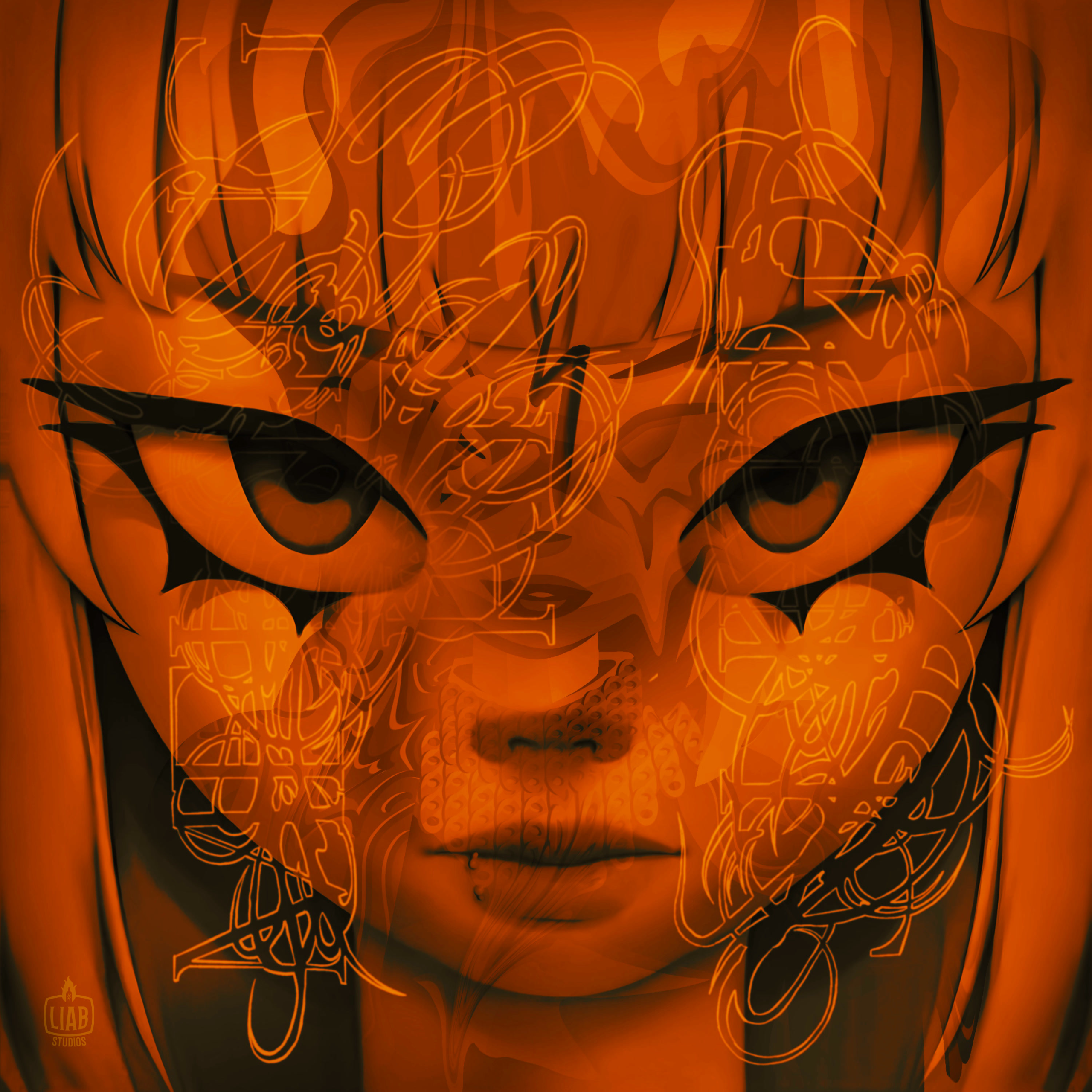
  • ALBUM REVIEW: Petalbyte – <10><

    ALBUM REVIEW: Petalbyte – <10><

    Written by Adrian Jade Francisco

    There are albums that orbit the current electropop, glitchpop, and hyperpop system—built from a familiar vocabulary of glossy synths, glitch-warped vocals, and internet-age immediacy. ‘<10><’ by Petalbyte sits right in that circuitry, carrying the kind of ambition that suggests a debut overclocking its own design. 

    Straight out of the startup screen, “intro & consum” opens to dictate the identity of Petalbyte’s catalog, shimmering layers, tight drum programming, and abrupt transitions. The mix sounds like someone taught a laptop how to have feelings and then immediately overwhelmed it in “girl just quit music already.” Those aforementioned production personalities are seen further in “this song found you” with its digital friction of a chorus. “Close enough” anchors the album’s volatility with an infectious hook that restrains the maximalist bursts. 

    Although it is only 33 minutes and 33 seconds long, Petalbyte succeeds in maintaining momentum without any noticeable drag. She manages to translate the genre’s sonic dialect that feels distinctly hers. It remains evident how the electropop artist has honed her sound into a production style and character she can truly claim as her own, despite how ‘<10><’ can remind you of Ninajirachi or underscores.

    Amid an oversaturated era of electropop projects, ‘<10><’  successfully cuts through with a surprising sense of clarity. It doesn’t overwhelm the space—it simply renders itself more sharply than most of what surrounds it.

    Petalbyte wastes no time in making her artistic intent clear from the outset of her debut album. There’s no sense of tentative introduction; instead, the project arrives fully formed, already operating with electronic music that feels deliberate rather than exploratory.  If anything, you could say, “girl, just keep making music.”


    SUPPORT THE ART & THE ARTIST: 

  • ALBUM REVIEW: Lecx Stacy – The Folkhouse

    ALBUM REVIEW: Lecx Stacy – The Folkhouse

    Written by Lex Celera

    For Los Angeles-based singer-songwriter Lecx Stacy, sonic experimentation is no longer just an exercise but a recurring theme in his body of work. Pallid shades of ambient, breakcore, emo, and folk are rendered onto the canvas, resulting in something that can’t be neatly put into a single category. His work has been found somewhere between the gravitational pulls of Clams Casino, A.G. Cook, Jean Dawson, Deb Never, and Code Orange Side Project NOWHERE2RUN.

    Beyond genre shifts, the intention is clear: his sound is a refraction of his personal and shared history – as a first-generation Filipino American, as an artist exploring what he calls “inherited memory” – rendered in its full palette. 

    In both form and approach, the layers across each track come and go in measured amounts, almost as if they were solidified like shards. Of what they could represent, the artist leaves just enough room for it to take shape in the listener’s mind.  

    If his debut EP ‘Face Plants’ serves as an antechamber to the world of Lecx Stacy, ‘The Folkhouse’ is an inner dwelling that retains a sliver of its original foundation, sort of like a game of Betrayal at House on the Hill. Vestiges of past work form a resemblance to the bricks that have been laid out in ‘The Folkhouse.’ 

    As Stacy explains in a press release, “The album as a whole explores grief, heartbreak, and eventual acceptance, all framed through a parallel between my life and my father’s.” In ‘The Folkhouse,’ Lecx Stacy vacillates between textured abstraction and lucid instrumentals, drawing on a broad range of influences to further explore something personal. His body of work, then, is a response to stimuli, an answer to a call, expressed in song. 

    The opening track “Feign Death, I Await Her,” settles on abject atmospherics from the jump to set the tone, and serves more as an interlude, similar to “…” Meanwhile, “In a Hail of Bullets, She’s the Gun” comes across as central to the whole project in its robustness of sound; it has a bit of something for everyone that has found a taste for Lecx Stacy’s sound, similar to “Thine Own Accord” in his previous project. 

    In fact, the guitar instrumentation is foundational to ‘The Folkhouse’ and draws the most attention across the whole project: “Winter, A Wilted Flower” and “In A Hail of Bullets, She’s the Gun” develop this idea most. The guitar work in “Safe In Your Hands, I Clasp” gives the track buoyancy amid the weight of the drums. Meanwhile, the use of tremolo in “Testament, A God Fear & Rifle” suggests another dig at his history as a Filipino transplant in America, as built on from his recent projects, most especially his 2021 EP ‘Bundok.’ It’s the tightness of this intention that gives Lecx Stacy’s body of work tensile strength beyond navel gazing.

    But as ‘The Folkhouse’ and his previous projects have shown, this drive towards finding answers comes across as asymptotic: close, but not completely there. Nothing is entirely resolved; the shards remain shards. In fact, one might argue that the thematic backbone feels more pronounced in his body of work compared to this latest album. Which opens up the question: how long will this exploration last, and what can be excavated beyond what is already found?  


    Support the art and the artist:

  • ALBUM REVIEW: MONDO – MONDO

    ALBUM REVIEW: MONDO – MONDO

    Written by Nikolai Dineros

    A debut album would typically symbolize an artist’s effort to mark a creative turning point in the medium from which they can branch off, or mark a point in time at which they were at their most unfiltered and relentless.

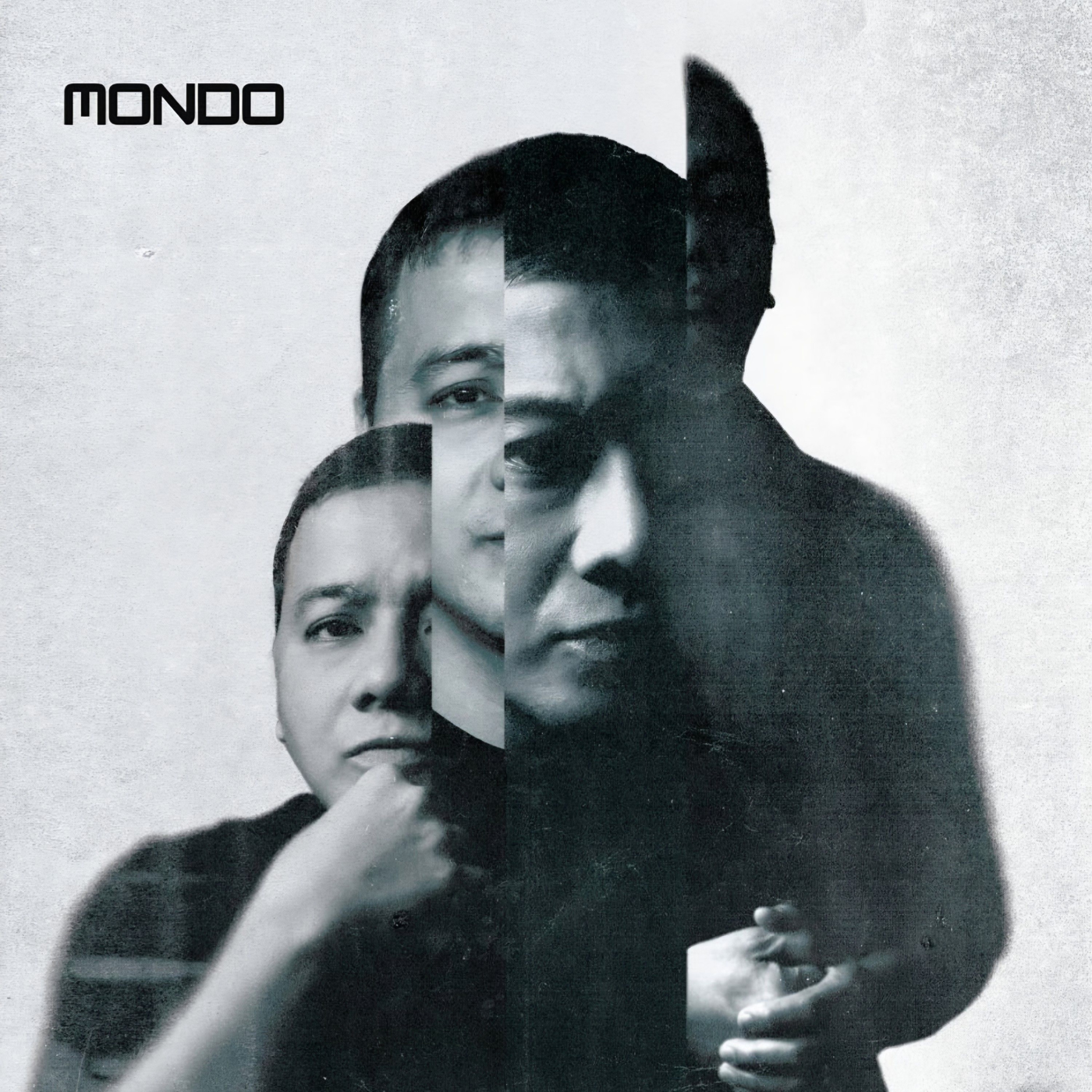
    But it’s a different case for Mondo de Castro, the man behind the eponymous band MONDO and its eponymous debut album, who decided to flip the script and turned his debut album into an imprint of his creative assemblage. To him, who staked his name on this album, is what all his 20+ years of work in the industry have been leading up to.

    As an artist, Mondo has been in the industry for several decades, having played for The Pinup Girls and collaborating with heavy hitters like Francis Magalona, Diego Mapa, and Kitchie Nadal. E Nick Lazaro is involved in the production side of things

    All this to say that Mondo’s resume is a decorated one, and his grasp of the technical side of songwriting and music production is out of the question—all that’s left to mull over from ‘MONDO’ is in its ethos and creative process.

    On his debut album, Mondo leans toward British rock and Britpop, with Gospel themes as the occasional thematic hook. His faith is most apparent in “A Thousand Voices,” in which he shares the spotlight with Kitchie Nadal and Diego Mapa. On the one hand, an electronic track with an ambient trip-hop feel, and on the other, an acoustic ballad that serves as the penultimate album closer rather unceremoniously, especially since the closing track is a rendition of another song on the album.

    On the other side of the tracklist is “Fire Buns Brighter” and “Awaken,” a pair of upbeat rock ensembles that do not hold back from evoking kinetic energy. Besides sharing a similar stylistic makeup in its employment of a modern take on the British invasion of the late ‘60s, these two openers are indicative of what aspect of the creative process Mondo prioritizes most (sometimes to the benefit of his work, sometimes to its detriment): risk aversion.

    The biggest fetter in ‘MONDO’ above all is its overreliance on tried-and-tested formulae, especially on a genre that is already known for its steady progression tropes. While such an approach is not inherently at fault per se, the lack of unpredictability in a song (or rather an air of excitement brought to the fray by fresh, unconventional ideas) and excessive sanitizing of sound may make for material that is seemingly uninspired. The album’s more raw outputs resonate more with the artist’s core intent.

    In contrast, ‘MONDO’ shows a lot of competency in its lyrical output. The aforementioned “Fire Burns Brighter,” while overshadowed by its heavy composition, shows Mondo’s spiritual side in a tasteful way, making use of imagery to add mystique to the song. The same can be said about “The Second Coming,” but with a better (and slightly more subdued) melody to accompany it.

    But the album’s highlights are seen in the middle, with “If I Tell You Why” (both versions) and “The Second Coming” being the biggest highlights of ‘MONDO’. This is in large part because of Mondo’s penchant for sheen not getting in the way of his intuition for making good riffs and emotionally potent melodies—a feat that is apparent throughout the album, but is neutered in its weaker moments. “Isang Libong Araw” is another well-composed song that strikes a better balance between the explosiveness and restraint of a rock anthem meant to uplift the audience, at least when compared to its faux-sibling, “Fire Burns Brighter.”
    MONDO’ is fundamentally a showcase of the artist’s well of knowledge in his decades-long journey as an artist. Now with the resources to operationalize his songwriting process like one would a client brief, he is keen on getting the best people on board to make it happen—a highly ambitious endeavor, one that is hindered by the smorgasbord of ideas left unregulated, and can be improved on by having a clearer sense of direction, regardless of who is involved in the making of his work.


    Support the art and the artist:

  • ALBUM REVIEW: THUGSTA – THUGS 2 RICHES

    ALBUM REVIEW: THUGSTA – THUGS 2 RICHES

    Written by JK Caray

    THUGSTA’s debut album “THUGS 2 RICHES” leaves more to be desired for the Malate-based rapper, but the talent is evidently there. “THUGS 2 RICHES” chronicles the origin story of THUGSTA, the sacrifices and enemies he had to overcome to achieve the lifestyle he wanted.

    Right off the bat, “FIRST OF ALL” demonstrates THUGSTA’s storytelling capabilities as something to be admired. THUGSTA knows how to craft the perfect underdog story without cutting out the ugly parts; the violence of the environment he came from and how it clearly shaped his jaded perspective on the world. It’s effective at making you root for him in every situation he puts himself in. 

    On the other hand, the cocktail mix of producers, all with their own take on THUGSTA’s sound, barred the songs from sounding indistinguishable from one another while being easy on the ears. The simple beat switch between “PUSSY” and “PARA SAKIN YAN” gave the album the variety it needed to make the listening experience more enjoyable. It’s no wonder that within its 19-minute runtime, every song pops out in its own way.

    At times, however, rap performances have rendered themselves redundant with flows that get monotonous when the rapper reaches over the 16-bar limit rather than writing memorable bars. In “PARA SAKIN YAN,” Thugsta doesn’t match the enthusiasm of the song and gets overshadowed by the high energy of the beat. A little more charisma goes a long way for an album like “THUGS 2 RICHES.”

    One unfortunate flaw that comes and goes throughout the album is the distasteful misogynistic quips that THUGSTA adds in at times. While it is well-known that the rap canon has had its misogynistic roots in the culture it sprung out of, it becomes hard to ignore when he’s spitting a verse that makes you actively root for him, only for it to be followed by namechecking women “putas” he doesn’t waste time on. Overall, it is disappointing enough that it takes away from the immersion of an otherwise good song. 

    “THUGS 2 RICHES” as an album may have some glaring issues performance-wise, but THUGSTA’s adept writing chops and the songs’ dynamic beats carry it past the finish line. Outlandish and right in your face, THUGSTA presents himself as a fledgling who, with finer adjustments and more rapping allure, would have the potential of having a lasting fanbase from the general audience he’s already gained from being just himself.


    Support the art and the artist:

  • ALBUM REVIEW: Feng – Weekend Rockstar

    ALBUM REVIEW: Feng – Weekend Rockstar

    Written by Nikolai Dineros

    From his fish-out-of-water stories, inebriated romance attempts, and youthful recklessness across the board, Feng tries to reinvent the rock-and-roll star image through maximalism-veiled minimalism.

    In his first major album release, ‘Weekend Rockstar,’ the English-Filipino rapper follows a formula: take the scruff from the cloud rap template, then spruce it up with more contemporary elements of his time. Sometimes, this is done as a display of ingenuity, and other times, as a hint of the undercookedness of some ideas served too early. 

    Except for his more daring ventures — such as in “F’d Up,” “J*b,” and “XOXO” — where Feng doubles down on the dreamy ambience produced by layers of glitchy synths and sample chops paired with his mellow delivery, much of ‘Weekend Rockstar’ falls short in capturing the self-flagellating levels of devotion rockstars give to the pathos of their sound; rather, they aggregate the unsuccessful attempt at embellishing a sound with unnecessary polish. 

    Coincidentally, these three examples are also some of his most emotionally potent on the album, and the most Feng sounded like a rockstar. However, some of his more passive performances — like in “Dopest Girl,” “Superstar,” and “Best Friend” — exhibit a positive contrast to Feng’s bombastic highlights.

    But where Feng’s artistic direction stumbles, his storytelling shines.

    ‘Weekend Rockstar’ is best seen as a journal of a coming-of-age narrator in a drunken stupor for greatness. Deeply entrenched in the cold, dreary streets of his UK upbringing, Feng was upfront about his desire to add color to his life. By moving to the United States, as he aptly shared in his energetic album opener, “Cali Crazy,” he believed his life was about to change — that he was about to become the rockstar he was always destined to become.

    From there, Feng further explores the daze of becoming “teenage famous” through events of pure, juvenile ecstasy that he wears on his sleeves. These experiences range from hating his job before his big break (“J*b”), lamenting the changes to a new life (“Fireworks”), and failed relationships turned casual hookups (“XOXO” and “Ex Sex”).

    Softening the blow is “Superstar,” where Feng’s own admissions to the pitfalls of fame that he may be ensnared by (or the thoughts thereof that are keeping him awake at night) are on full display. Though whether there is guilt involved in these displays of vulnerability, we can not tell entirely, as his laidback approach to singing masks the true sentiment behind the flex.
    Whether he comes from a place of pride or shame, Feng believes these experiences will make him a rockstar, even just for a weekend. His pen game already proves that he has the makings of one. But in order to realize his full potential, he now needs to think about just how much farther his stardom can reach.

    Support the art & the artist:

  • ALBUM REVIEW: Hev Abi – Maduming Timog

    ALBUM REVIEW: Hev Abi – Maduming Timog

    Written by Gabriel Bagahansol

    Around this time two years ago, Hev Abi had control of half of the top 10 spots in Billboard’s Philippines Songs chart. After emerging as a sleeper hit towards the end of 2023, he received commercial success and critical acclaim as a baby-faced lover boy with a playful charm and a hint of naughtiness — along with an occasional gangsta persona who reps the Tomas Morato area. With a good ear for beats and interpolations, a pen that flows out nothing but swag, satisfying feature appearances for other artists, Hev Abi’s tales of mischief and romance set in downtown Quezon City made a hit artist out of him, and helped kick off a landmark year for OPM in 2024.

    But last September, in the comments section of one of the loosies he’d been uploading to YouTube, someone complained that his new music won’t appeal to the masses. His response? “Pasabi sa masa wala nakong pakielam.”

    Those loosies, it turned out, were his explorations toward hazy, AutoTune-drenched mumble rap. Pivoting away from the soulful beats and smooth rapping that sent him to superstardom, he began an artistic transformation that also set off that all too familiar phenomenon of Filipino listeners clinging to familiarity, to the point where they end up stifling an artist’s creativity. But after hustling for close to half a decade as an MC, he definitely needed to explore different musical horizons that match the lifestyle he’s writing about now, and these experiments culminate in the release of his highly-anticipated second album ‘Maduming Timog’.

    A nod to the seedy nightlife within Timog Avenue – and, perhaps, to the Dirty South hip-hop genre that birthed the trap music and mumble rap that make up this album’s artistic DNA, this album sees Hev Abi indulge in the impulses that fuel the Kyusi underbelly. On “WELCOME2TIMOGMAGULO,” he reintroduces himself as the man who gets every party started, the street-scarred host who’s got all the drinks and drugs for everyone who’s itchin’ to sin. But as he clasps his numbed hands to confess himself to the Lord, he admits that he does all this to escape his loneliness – a foreshadowing that would come to haunt this album as it progresses.

    But what does he do with this bit of self-reflection in the meantime? If the next two tracks are any indication, it seems that Hev Abi has made up his mind in continuing these bad habits. For “AYUSIN ANG SIRA,” he gets in his R&B bag to belt about never wanting to let go of his demons. The seductiveness he usually reserves for his most romantic declarations works so well when he talks about the joys of getting high, and the autotune in his voice adds to the zoned-out bliss of his drug-induced numbness.

    After pre-gaming in the first four songs, Hev Abi kicks off the party in earnest on the album’s lead single, “ALL NIGHT LONG,” a bouncy synth-funk track whose echoes of golden age hip-hop bring a feel-good atmosphere to a set of already-loaded songs. His romantic pursuits in this joint also commences a run of the kind of songs he usually does best, except the consummate lover boy is hardly anywhere to be seen. Sure, Hev Abi can still turn on his charm and try to be devoted to just one woman, as heard on tracks like “ISANG GABI LANG,” and on the Jess Connelly collab “AWAY,” where the R&B singer’s calm, breezy singing is a pleasing response to Hev’s frantic platitudes for a girl he swears is the only one he’s seeing.

    But the Hev Abi we’ll be hearing throughout the album is a callous heartbreaker who answers to his most wicked impulses and won’t think twice about seeing other women. His hedonistic pursuits are best captured on “WALANG HIYA,” where Hev Abi keeps up his prowess in putting his rendezvouses – unbridled debauchery now included – into some of the smoothest and most cinematic rhymes in OPM. (“Di ka nagmamahal pero andito ka parin nagbababad / Sa usok na binuga ko, binuga nya, binuga mo, bilog ang buwan”)

    Halfway through the album, however, we get to a set of songs that continue the vibe of a delightfully devilish night out but doesn’t do much to progress the narrative the start of the album had suggested. Past the Manila Sound-sampling “ASO’T PUSA” interlude, we hear Hev Abi and frequent collaborator LK brag about racing down the Skyway on “SIZZLING,” and on a rare all-English number in “FADED OFF” with Manila Grey, Hev Abi tries once again to make amends for his sins.

    But while the latter track is a fairly decent collaboration, it’s clear that Hev Abi has a long way to go in writing English lyrics that are as dynamic and exciting as his writing in Tagalog. Furthermore, while tracks like “LIL SHWTY” and “NAGHAHANAP SILA” have memorable samples and hooks, it really feels as though we’re beginning to hear the party wind down to what should be its natural conclusion.

    Except it doesn’t. In the rage track “2PACCIN,” Hev Abi tries to restart the excitement by enumerating everything that makes up his idea of party, but all it does at this part of the tracklist is make everyone who can sense an incoming hangover leave. It does seem he can sense this, too, though: the last three songs on ‘MADUMING TIMOG’ see him telling his lover that he’s choosing his hedonistic lifestyle over her.

    This non-resolution would’ve been alright for the kind of character he’s portraying – if only he hadn’t jumped the shark after meandering for so long. “HANGGA’T MAY ORAS PA ‘KO” lacks the slightest bit of sincerity that would’ve made up for the necessary absence of his aura, and the strain in Hev Abi’s voice as he’s trying to channel 808s-era Kanye West isn’t helping either. And listening to “FROM TIMOG MAGULO, WITH LOVE” and “HONEYMOON” feels like drying out in the Timog Avenue sunrise, listening to the chatter of a man who won’t let the night die while you deal with a hangover and the boredom of being a junkie.

    At the end of ‘MADUMING TIMOG,’ Hev Abi claims he’s no longer a rookie. While that may be true, his attempt to present a new persona in his artistry ultimately got caught up in its excess, and he winds up looking like an amateur again by the end of it. Listening to the final stretch of ‘MADUMING TIMOG’ is like witnessing a crash without a flame – a wasted-but-still-promising athlete struggling to make it to the finish line. But by the time Hev Abi gets there, people have already switched their TVs to play yet another AI-generated cover of “Alam Mo Ba Girl”.


    Support the art and the artist:

  • ALBUM REVIEW: We Are Imaginary – s/t

    ALBUM REVIEW: We Are Imaginary – s/t

    Written by Lex Celera

    For the most part, We Are Imaginary has played along the ballpark of noise pop, shoegaze, and jangly lo-fi when it comes to their sound. Each of their last four albums plays with the formula in different ways – a reflection of the band’s changing members. Early on, sometime before the release of 2010’s ‘One Dreamy Indeterminate Hum,’ the band even had to change its name. With its latest release, We Are Imaginary settles on something new and interesting, enough for it to be a self-titled album, with the record to be sold on vinyl via Eikon Records.

    Not only is ‘We Are Imaginary,’ their fifth album, a feat in “remaining true” to their sound, so to speak, but it is also a symbolic act to release their fifth album as a self-titled full-length album 17 years since their debut. As if to say that the band has planted an anchor against the currents of time that bears their name – a sign of confidence. It’s worth mentioning that this is supposedly the last by their longtime bassist Vhall Bugtong, who migrated to North America. The new setup includes Ahmad and Khalid Tanji as the band’s twin backbone, joined by Jerros Dolino of Megumi Acorda and Spacedog Spacecat.

    We Are Imaginary’s self-titled album is worth listening to not because of their proximity to bands we already enjoy–they do wear their influences on their sleeves in interviews–but to see how they’ve planted their feet in their musical journey. The band knows how to be both emotionally evocative and earnestly relatable, and it shows. The album’s sonic palette is primed by the singles that were released prior: “Pinkish Hue,” kept in their pockets since 2015, puts the band’s romantic lyrics at bay with fierce mood-driven fuzziness. “Stockholm” and its happysad structure don’t resolve themselves despite soaring up in energy. The same with “Object Of My Affliction” and its nuanced breakdown two-thirds of the way. “Greatest Kill” emerges as a track that I keep going back to; it’s built for detached navel gazing. 

    Throughout the album, I feel a poignant dissonance. As a whole, the album comes across as concrete and certain, and well curated, thanks to its one year in preproduction. But why do I feel a permeating sense of melancholy while listening? How can the album talk about surrender and yearning while remaining measured, almost clinical, in its arrangement?

    Both can exist, in music and in life, which is a testament to the band’s own songwriting. Frontman Ahmad’s lyricism cut through the production in a way that they have always done it: abstract, unfettered, and accepting of its own feelings. This time, the result feels more cohesive when looked at as a full project. This band setup, this new approach to their sound, just feels right. 


    Support the art & the artist:

  • ALBUM REVIEW: To Love Everything Ever Again – A Post-Overdose Confession

    ALBUM REVIEW: To Love Everything Ever Again – A Post-Overdose Confession

    Written by Louis Pelingen

    One main element that tends to surround religious music is its focus on devotion, where praises will be written and sung as a means to allow God’s blessings to reach within the human spirit–a characteristic that becomes a purposeful motif. Generally focused on that universal feeling of letting the holy grace of God seep into every individual singing those songs. Yet, what tends to be rather uncommon is writing religiously themed songs less from a devotional standpoint, but more of a personal confession. A peek inside vulnerability that grounds the religious experience, isolating itself to the individual going through the ups and downs that they encounter throughout their lives.

    Through Janpol Estella’s solo project, To Love Everything Ever Again, he emphasizes that fractured religious experience. Compiling waves of glitchy synths, hazy vocal effects, and chamber pop flourishes to envelop stories of fluctuating faith with weight. If his debut EP, ‘Nineveh,’ wades upon murky waters, then his debut album, ‘A Post-Overdose Confession,’ swims through it. It’s a case of delving deeper into that struggling abyss, where he confronts his religious fervor as mental health, addiction, and environmental decay become a factor of how he tries – and crashes apart – on holding onto that spiritual belief. Clinging onto it so hard for a hopeful path to come forward as he tries to remind himself of dreams he wants to achieve, until he finds out that it doesn’t come through so easily. 

    This crushing arc eventually hits its hardest point on the title track and “Nothing But The Blood.” Both songs hit rock bottom as any sliver of peace is very much gone, but how Estella portrays God and Jesus becomes important here. God is this divine being that he thinks has given up on him and becomes the cause of the pain inflicted upon him, and Jesus is this human person whose own struggles he can relate to, and even may be a symbol of light that he could still hold onto. It’s why, despite the rewritten hymn of the latter song describing the ragged acceptance of all that pain that has fractured his faith, hope, and soul, Jesus’ presence becomes a metaphor. A symbol of a peaceful exhale that can allow him to eventually heal.

    This narrative perspective colors how the instrumentation and production are presented. Glitchy electronics now shamble across dance-adjacent rhythms, seething vocal effects and synths are implemented to amplify Estella’s emotional throughline, and the brighter chamber pop elements are carefully placed down with intent. An expansion and emphasis of tones that straddle between the lines of bliss and ache, a direction that firmly exposes Estella’s captivating experimental swerving in two lanes. The first is how the glitchier rhythms across “My Own Sodom” to “Need to Control” become curiosities that don’t land their fullest strides. Opening up more melodic flair, yet lacks a strong enough hook to keep it sticking altogether.

    The second is how leaning into those synthetic tones and focused melodic flourishes only makes Estella’s songwriting hit like heavy bricks. The scorching distortion clipped around his voice and electronic embellishments on “COP30 (Never Enough)” let his emotions become devastatingly crumbled, bursting out of the seams with every refrains; the stirring one-two punch of the fluttering raw piano recordings of “Perhaps” that transitions to the crackling synth affectations of “A Post-Overdose Confessions” becomes a quaint reflection turning evocatively solemn; the punchier drums on ‘Unreachable Serenity” contrast well around violin swells and gauzy textures; the post-rock swerve of ‘Nothing But The Blood’ that ramps up its melodic prowess, eventually going all out with the blast beats and guitar solos that revs Estella’s version of the hymn to a different level. All of it resting down to the spare organ tune of “God, I’m finally letting this go.” Ending the album where, perhaps, Estella has found that light once more. 

    What ‘A Post-Overdose Confession’ unveils is an exploration of faith that was broken but can still be recovered, all through Estella’s ways to amplify the stories that felt more personal to him in the long run. Testing the waters on how he can deliver such emotional scope, and landing with it the most striking way possible, fractures and all. A confession as a means to accept the feeling of giving up entirely, until that light starts showing up in the darkness, where hope can blossom once again.


    Support the art and the artist: