Tag: Album Review

  • ALBUM REVIEW: VVINK – It Starts With A Wink

    ALBUM REVIEW: VVINK – It Starts With A Wink

    Written by Paolo Elwick

    P-pop is currently enjoying a much-deserved moment in the mainstream spotlight thanks to the nation’s girl group BINI and pioneers SB19. While mostly positive, the increased levels of attention give the new generation of groups a different, much more nuanced, challenge to face: standing out in a scene that’s no longer just fighting for a seat at the table, but one competing to keep it. After a steady stream of singles released over the past year, five-member group VVINK is ready to step up to the plate with ‘It Starts With A Wink,’ a versatile debut album filled with personality and Filipino charm.

    Built around the idea of a wink as a silent gesture of connection, the album’s foundation is approachable and relatable storytelling — something that the initial set of singles leading up to its release support. Whether it’s the lovestruck “Tulala,” the earnest anxiety of wanting someone to confess their love on “Kailan Ka Aamin,” or the hopeful, Aladdin-inspired “Tatlong Hiling,” VVINK leans into everyday emotions and experiences, making the album easy to relate to and even easier to sing along with.

    That familiarity extends to the production, where VVINK builds their identity by proudly embracing Filipino sounds and reshaping them into something that’s their own. “Baduy,” their DJ Love-produced rendition of budots, shines the brightest by proudly embracing a genre that’s turned into a meme and often overlooked by mainstream pop while simultaneously reclaiming baduy as a badge of confidence. On the opposite end of the spectrum, “Ikaw Ikaw” takes a page out of emotional Filipino ballads with a relatively stripped-down instrumental, allowing tender and heartfelt lines like “Sa oras ng lungkot, ika’y yakap / Sa mga luha, may pag-asa / Sa’yong mga kamay / Pag-ibig ay damang dama” to pay tribute to loved ones who have supported them throughout the years. Then there’s “It’s a Rap,” a high-energy track that serves swagger through anthemic verses that flex the group’s achievements while remaining cognizant of the journey ahead. Together, these songs show a group that’s not simply borrowing from Filipino sounds, but confidently making them part of their own musical identity.

    This versatility makes it all the more frustrating when the group’s songwriting settles for easy, formulaic writing. For example, the undeniably infectious and alive “Pag-ibig Fun” has a runtime mostly occupied by the repeating “fun, fun, fun, fun” and “one, one, one, one” refrains. While intentionally designed to be as catchy as possible, the repetition runs thin, leaving the song feeling less clever and not as playful. Unfortunately, similar moments appear elsewhere, where memorable production sometimes has to carry lyrics that can’t always keep up.

    Still, ‘It Starts With A Wink’ succeeds because Angelika, Ayaka, Jean, Mariel, and Odri bring enough chemistry, charisma, and youthful energy to make the album feel unmistakably theirs. That’s what makes this debut so exciting. In a P-pop scene growing faster than ever, technical polish alone won’t separate one group from the other — but personality will. Luckily, VVINK seems to have lots of that already. So don’t blink; they’re only getting started.


    Support the art and the artist: 

  • ALBUM REVIEW: SHNTI — Melting PT.

    ALBUM REVIEW: SHNTI — Melting PT.

    Written by Noelle Alarcon

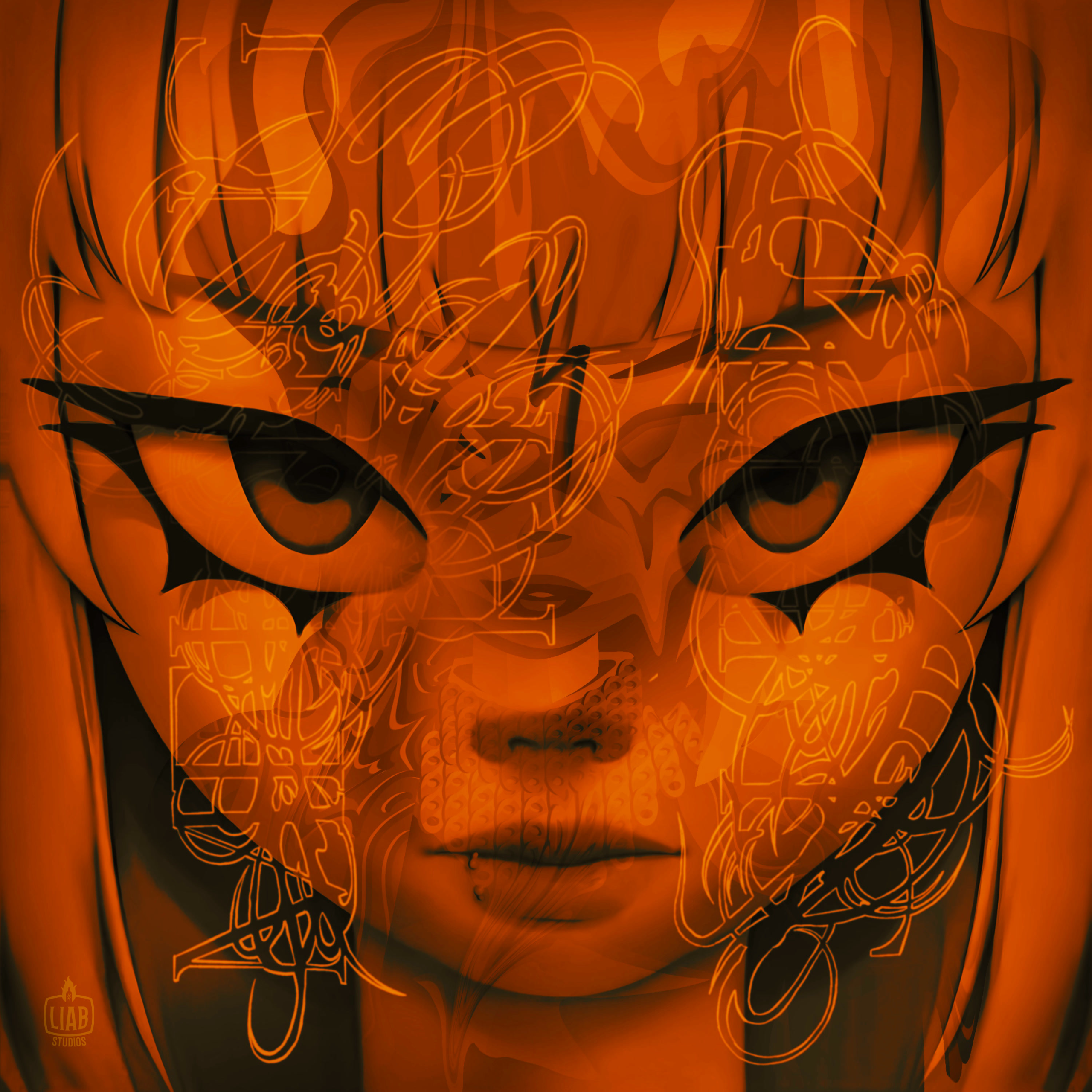
    SHNTI is one of the local hiphop scene’s darlings; coming from Quezon City, her verses and bars are as explosive as the busy landscape of the metropolis she resides in. With her bright orange hair, this era and cover artwork are equally as striking; her debut album ‘Melting PT.’ is purely her; loud as firecrackers and as unapologetically radiant as the sparks that follow right after.

    Though SHNTI mainly rose to prominence through chill, laid-back pronouncements over lo-fi beats, ‘Melting PT.’ shows a whole other side to her artistry. Infusing her raps with the clever daringness of other genres like breakcore and dance pop. This debut album starts off hot and continuously heats up until the very last track, setting ablaze to a more sonically adventurous path in her journey as an artist.

    Bass-boosted opener “Heartless” establishes the playful yet self-assuredly brash vibe that prevails throughout the album. The thumping, bass-boosted instrumental is fired up, a bouncy medium for SHNTI to serve a steaming hot plate of righteousness: “your father raised a dirty son / what more have you really done/keep getting older/your victims not over twenty-one.” The choruses even descend into breakbeats, centering on the rage that funnels through the song.

    ‘Melting PT.’ also displays SHNTI’s knack for making magic out of collaborations; this album features Pette Shabu on “DND” and FEIFEI on “My Girls.” Both tracks play to the strengths of their collaborators: the quickfire, hard-hitting lines of the former (“tanginang mukha ‘yan / kailangan din ng beat switch”), and the chill, smooth vocals that grace the latter.

    SHNTI continues to present this rage in multifaceted ways across tracks. This is heard in the rap metal anthem of determination that is “BREAK” and the breakcore-influenced “not(shygirl),” where the artist huffs and puffs about taking up space and staying true up to the very end. Hidden in between the breaks and plugins are the rhymes that paint the conflict of SHNTI versus the world, and how she continues to stay 100% authentic despite the hurdles that come her way.

    There is quiet, vulnerable simmering that lies beneath all the fierceness of ‘Melting PT.,’ too. In contrast to the blaring synths that crowd “OMO,” there is self-reflection that takes a great deal of maturity to admit; “kung ako ay iibigin/ayoko sana na maubos ka,” sings SHNTI. Closer’s “melting point” encapsulates the struggle of growing up under the public eye in a manner that is truly heartfelt, committing her to growth. “I will unlearn my shame/and it’s all for love.”

    This album’s momentum starts off fast and heavy, but somewhere in the middle, it seems to be indecisive about whether it wants to accelerate further or slow down to accommodate the inhibitions that bring its explosiveness to light. Every once in a while, a couple of songs are contingent upon similar sonic patterns that can be hard to differentiate, at times, as heard in “(not)shygirl” and “timebomb.”

    But despite such remarks, ‘Melting PT.’ is a phenomenal debut. It may be miles away from the SHNTI sound that everyone was hooked on in the beginning, but this is her flame-embossed mark on the world: an unexpected, yet creatively authentic shift of sound. ‘Melting PT.’ shows SHNTI is not finished exploring the tricks up her sleeve—she’s just getting started. 


    Support the art & the artist:\

  • ALBUM REVIEW:  Jimmy Khalo – GOLDILOCKS

    ALBUM REVIEW:  Jimmy Khalo – GOLDILOCKS

    READ THE FULL REVIEW IN THE TFL WEBSITE RIGHT HERE: 

    _____________________________________________________

    Written by Noelle Alarcon

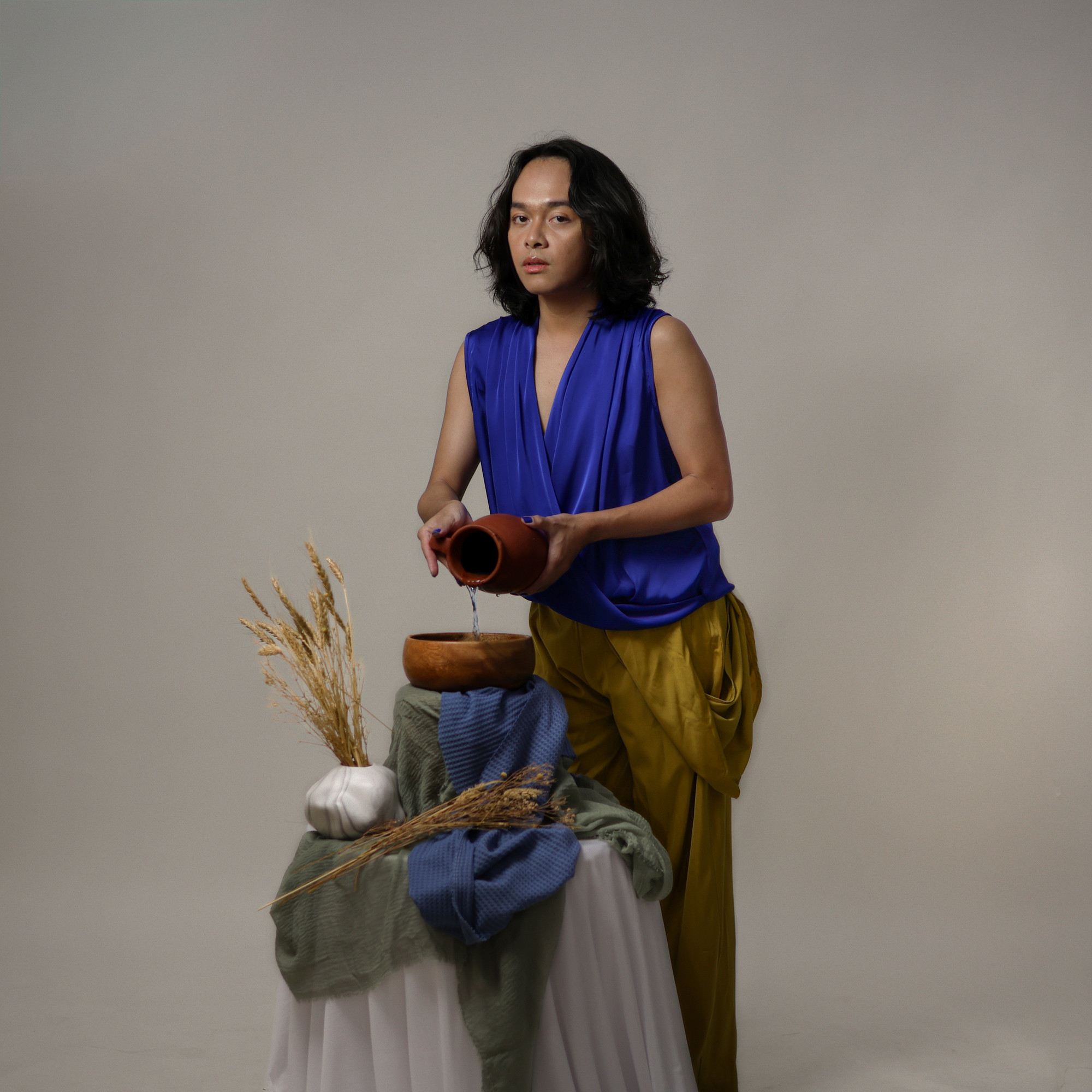
    With an album cover that pays homage to Johannes Vermeer’s ‘The Milkmaid,’ Jimmy Khalo’s debut album ‘GOLDILOCKS’ is a clear example of what happens when self-expression is unapologetic and undeniably at the forefront. 

    According to the artist themself, it’s “the soundtrack of our 20s, [and] a love letter to our 30s and beyond.” The 11-track release is laden with influences from the soundscapes of Khalo’s youth, inspired by the pop records of the time, like Lady Gaga’s ‘Born This Way’ and Beyoncé’s ‘I AM…SASHA FIERCE.’ There’s the sensual appeal of contemporary R&B, mixed with the groovy invitation to the dancefloor by afrobeats influences, and funky, consistent basslines paired with harmonies that build upon the excitement of anticipation. Produced independently, ‘GOLDILOCKS’ is a testament to what dedication to a vision can bring to life.

    Sonically, Khalo’s music shines best when it references the past that conjured this project altogether: dreamy synths and brash 808s make a bold statement that shows their daringness to explore the limits of sound. This is heard in standout track “NYMPH,” where the vocals are hard-hitting and anthemic, singing of the artist’s determination and inability to be tamed.

    There’s a quality of honesty embedded in every lyric Khalo writes, and these steal the show, flashy, uptempo beats aside. In “AMUSE YOU,” they’re singing about intimacy and a good time in bed on a house beat. On “RAIN,” the artist sounds unstoppable in finding themselves in the complicated journey that is life. From the lightness of “I’ll send you to heaven and seal with a kiss” to the strength and resolve in “I’m wiser than my years, still, I trip with my own toes,” it’s admirable to observe the honesty that oozes through these tracks.

    It is exciting to see the many sounds that the artist can stick with while still maintaining the central theme of ‘GOLDILOCKS,’ but at the same time, there’s a sense of disconnect that can be found every so often throughout the album. It’s a set of songs knotted altogether, but quite roughly. In its quest to look for the self, it sounds like the rope that it casts far and wide tends to fray at times.

    The intensive look into cohesiveness aside, Jimmy Khalo’s debut album is a promising look into what charisma and belief in oneself can bring to the table. It’s a product of someone who was raised by pop hit after pop hit, delivering a manifestation that the reality of adulthood helped to shape.


    Support the art & the artist:

  • ALBUM REVIEW: elijah – South II

    ALBUM REVIEW: elijah – South II

    Written by Julia Harumi Kudo

    True north is believed to be unwavering, ironclad. We like to imagine there is a fixed point somewhere ahead of us, killing time to vindicate every wrong turn. But on ‘South II,’ Elijah Canlas — or overtly elijah, as he asserts on being known here — offers a different orientation. The title gestures toward a place rather than an aspiration: ‘South II,’ the Cavite subdivision where he spent his formative years. The album doesn’t necessarily seek enlightenment so much as it excavates Elijah’s genesis. It is less concerned with becoming someone; it is, instead, hell-bent on remembering who he was before anyone was watching.

    For an actor who has primarily built his public image by inhabiting other people’s roles, ‘South II’ is, in a sense, a form of self-disclosure. “Sa acting… Hindi ako yung pinapanood nila. Ito ako lang ‘to eh. So parang, paano yan, diba? Parang husgaan nyo ako all you want. But I guess that’s the beauty of music”, Elijah remarked while discussing the album’s release with Philstar. Throughout the album’s compact runtime, you’d certainly hear Elijah still learning how to occupy his own voice after years of mastering everyone else’s, with the shadows of Kalel, Cairo, and the many characters that made him one of his generation’s most compelling young actors. And that voice is, admittedly, still finding its footing.

    The opening track, “Oras Mo Na Raw,” is intended as a declaration of mission, depicting a moment of awakening after a youth wandered too long, but it comes across more like a sketch than a revelation. The production is simple, and the lyrics are scuffed. It’s a surprisingly understated introduction, giving the impression of an artist who seems ready to introduce themselves but only offers a weak handshake. Still, even the album’s weaker moments reveal something refreshing: Elijah’s refusal to posture, to simply flow ersatz. Unlike many debut rap records, ‘South II’ contains significantly less mythmaking. Elijah hardly ever presents himself as supreme; instead, he ultimately acts as someone who has always been aware of his own immaturity. Whether that humility is instinctive or constructed, it still becomes the record’s greatest strength.

    Elijah, then, starts to turn into a firestarter when he’s not trying too hard to rap and instead becomes a storyteller at heart. “Mousetrap,” one of his favorite tracks, captures the kamikaze mythology of South II with enough detail to feel lived-in rather than just nostalgic. In “Asar Talo,” he muses, “I am not OA. I’m just not ok. Dami-daming gago dyan sa tabi mukhang kokey.” It’s ridiculous and brilliant at the same time. And the references fly fast, the enthusiasm faster. You can hear the poet before you hear the rapper, and that distinction matters. “U Wanna Be?” featuring SHNTI is beyond a shadow of a doubt, the album’s first undeniable spark. The production is sharper, more spacious, and substantially more confident. SHNTI’s flair adds an effortless charisma that transforms South II from a promising debut into the record it seems determined to become. By the time “Bituin” arrives, the album reveals what it has been moving toward all along: hope. This final track, based on an unfinished song by Elijah’s late brother JM, unravels the album’s ambition. The inclusion of JM’s original audio recording makes its simplicity all the more moving. In its wake, South II no longer feels solely moored to a subdivision. It belongs instead to the people who continue to linger in it, even in memory.

    ‘South II’ is an album title that suggests a geographical direction, but its emotional journey points somewhere else entirely. In these songs, Elijah spends his time clawing back old streets, revisiting old mistakes, and speaking to loved ones. By the end, finding your true north has little to do with moving forward; rather, it lies in understanding the south you came from.


    Support the art & the artist:

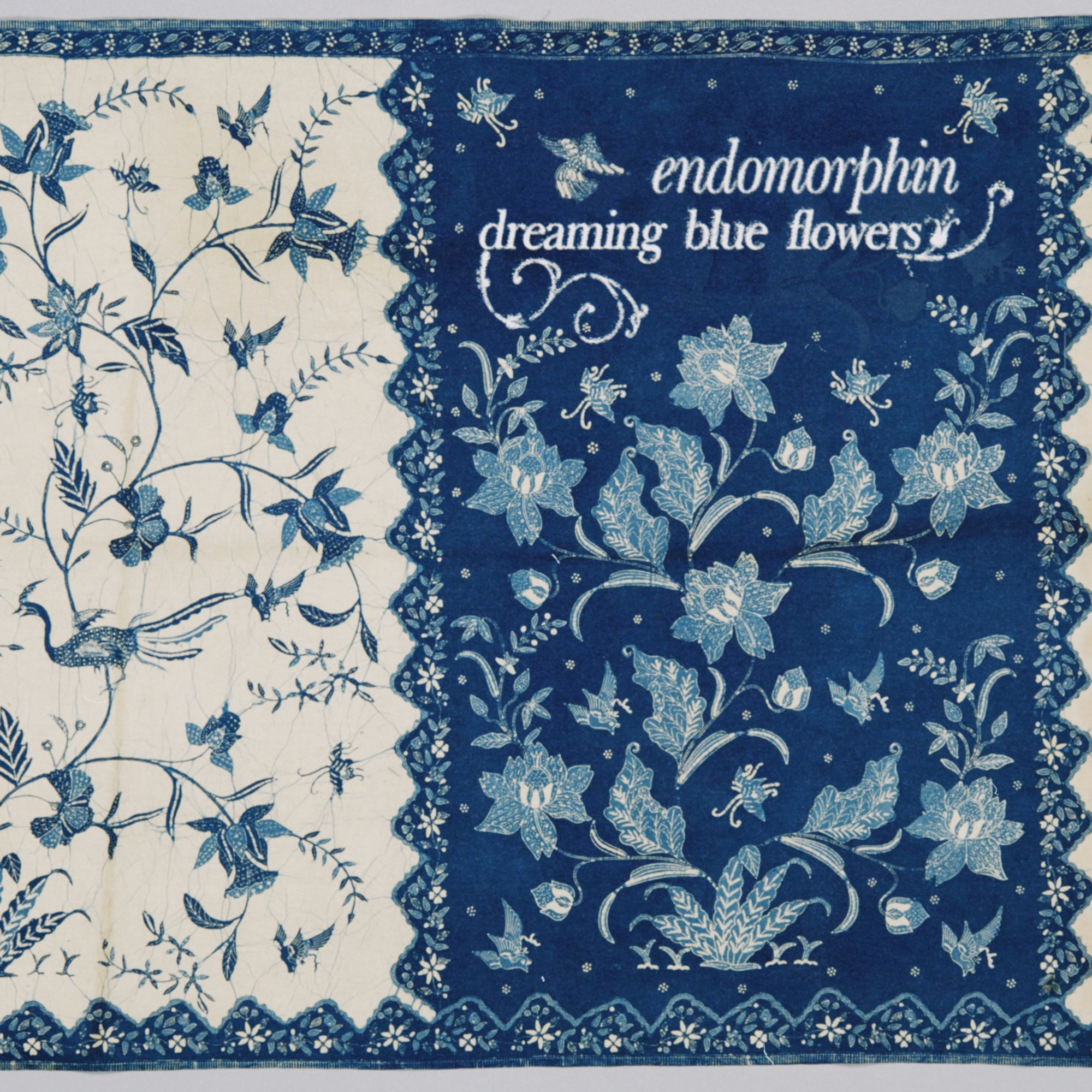
  • ALBUM REVIEW: dreaming blue flowers – endomorphins

    ALBUM REVIEW: dreaming blue flowers – endomorphins

    Written by Paolo Elwick

    Since introducing themselves with “Do(es) I(t) Matter?” at 123Block on June 21, 2024, dreaming blue flowers has bloomed into one of the more emotionally resonant acts in the local indie scene with songs rooted in vulnerability, introspection, and atmosphere. For members Lissia Ciel, Hannah Angelica, and Kern, that sensibility fully manifests on ‘endomorphin’, a mellow and melancholic debut effort that puts the lingering ache of heartbreak into words and notes before it slowly fades into memory.

    Setting the scene is a set of instrumentals either knee-deep in keys or swimming in strings — both, however, are excellent foundations that allow Lissia Ciel’s soft yet seemingly distant vocals to shine. The three-member indie folk band then adds a layer of vulnerability through lyrics like “I will find a way / to get through the maze / of failure to feel oneself / on countless days” from the title track “endomorphin”. While heartbreak remains the album’s emotional anchor, its songs are equally concerned with the aftermath of loss — the guilt, self-doubt, and emotional exhaustion that naturally accompany the end of any meaningful relationship. Across the album’s 43-minute runtime, these feelings seamlessly shift from wounds to reflections, making it clear that endomorphin is an exploration of how people carry pain, not how they get over it. 

    The arrangements reinforce that emotional weight by slowly unfolding, layer by layer, allowing pianos, strings, and percussion to thrust those emotions into the spotlight. This is particularly effective on “breath of life,” where the gentle instrumental mirrors the search for belonging amidst uncertainty with bright highs and muted lows, while “spaces between” starts mellow before eventually ramping up into a riff to represent the stress of wrestling with the painful realization that some relationships cannot be held together by effort alone.

    For both tracks, the drums are noticeable, but they rarely demand attention—instead, they serve to subtly shift momentum, while the strings and keys act as emotional cues that guide listeners through the album’s many moments of reflection. Even the vocals, echoing and softly drifting throughout the project’s runtime, contribute to this sense of restraint by creating distance that pairs well with the album’s introspective nature. In the process, everything comes together cohesively for an ephemeral, dream-like experience — something that isn’t always a given for full-length debuts, especially from burgeoning bands. But dreaming blue flowers seems surprisingly aware of who they want to be and the sound that they want to make.

    While having a clear identity is mostly positive, the songs on ‘endomorphin’ can sometimes feel too cohesive, often blending into one another with too much ease as if they’re one 40-something-minute song. The same patience that gives the album its dream-like quality also means that the songs often unfold in similar ways, with soft vocals, strings, keys, and adjacent themes occupying much of the same space. As a result, certain tracks sometimes blur together over the album’s runtime. For more present listeners, this might not be an issue, but this project rewards a listener who’s fully present with an immersive experience filled with nuggets of emotion, warmth, and depth.

    And maybe that’s exactly the point. Much like the memories and emotions it draws from, ‘endomorphin’ rarely arrives in sharp focus. Instead, it drifts between moments of clarity and haze, allowing heartbreak, regret, and longing to bleed into one another until they become inseparable. In doing so, dreaming blue flowers puts into sound a difficult truth about healing: our wounds never fully go away — they simply become part of the lives we live.


    Support the art and the artist:
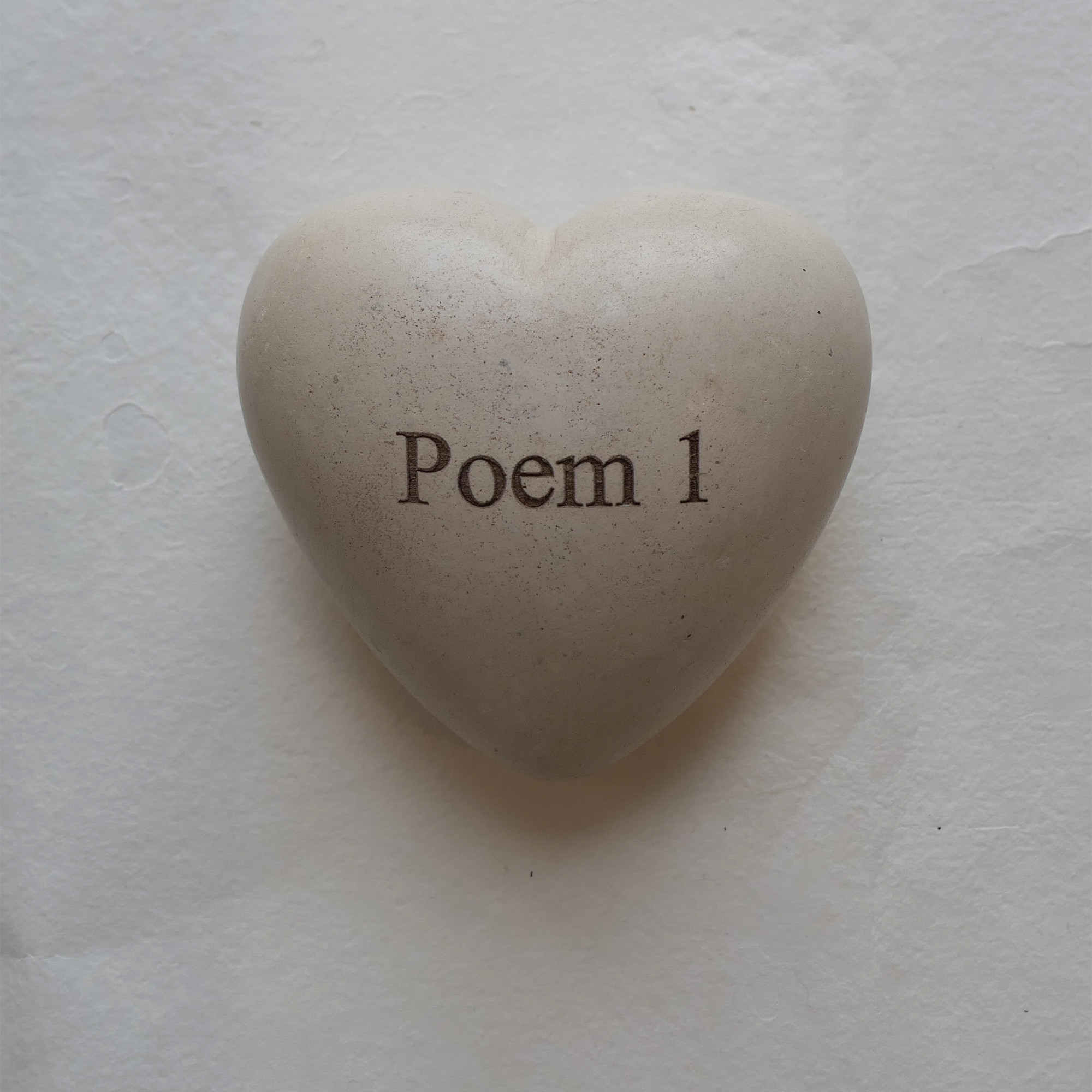
  • ALBUM REVIEW: Ana Roxanne – Poem 1

    ALBUM REVIEW: Ana Roxanne – Poem 1

    Written by Julia Harumi Kudo

    Ambient music’s signet has always been atmosphere, but we often confuse the word with absence, ergo futile. Brian Eno imagined ambient music as ringings that move like weather, both trivial and essential, a crux for emotion rather than narrative. Even so, the best ambient records are not just background music. They are conditions of being. Ana Roxanne’s music craft understands this much like love, poetry, longing—the old weather systems of being alive. Erstwhile, the mental workings of her preternatural were pinwheeled on identity and being intersex, clad in wistful whimsy and flora. “When I learned that most flowering plants are hermaphrodites, that felt significant to me. I saw flowers in this new sense because they’re universally very beautiful.” And now in ‘Poem 1’, the branches of her trees move with sensuous asceticism, you see colors while listening to it: a weathered beige, perpetual periwinkle for penance, and a faithful trace of undying gold lingering with brushes of lush cymbals. 

    In “The Age of Innocence,” the opening track immediately establishes the album’s crossway. “I wanted to try. And go very far,” revealing existential exile and a desire for newness and transformation, as ambient synths incense the track with slow-moving textures and wuthering tenderness, her voice haunting and leading you into someplace of selfhood across 9 tracks of soundscape salvation. “Berceuse in A-flat Minor, Op. 45” keeps this atmosphere as Ana Roxanne plays with the imagery of fog, making the intangible feel physical but also contained. “My pre-performance ritual is to just be alone with my thoughts in a quiet room,” Ana Roxanne said at The Kitchen in New York with Axel Arigato. You can hear that solitude all over this record, not loneliness, but chosen aloneness: the mind becoming its own room, its own inkwell, its own thunder. One of the album’s visceral nuclei, “Keepsake,” dawns delicate piano chords and a restrained vocal performance. “Oh, I can never reach you. I’ll keep it this way.” Her ‘Ooh’s’ are lush and sensuous, completely angelic. She sings about it not being over, something that we’ve all heard, ignored, and felt before, but Ana Roxanne’s manifesto in yearning is something you cannot look away from. The piano progression permits the track to sing its heart, maybe not out loud, but in a half-formed dream, where she could write the person into permanence, in forever. “I can never reach you. So I’ll keep a piece bеside me,” immortalizing the memory and putting it into a heart-shaped box because turning it into a memento is the safest way of loving it, nothing can break, and it would never leave. But silence has always been the preferred language of longing. “X”, with its ambient echo texture, gives you time to think while the long synth pads give you time to listen. A sound that might be nothing or might be the beginning of the unfailing. 

    By the 6th track, “One Shall Sleep”, Ana Roxanne has reached deliverance; she’s done remembering, the waves have set her free. “Free of pain. Heaven has ’til morning.” She gives us an experience, a song, poetry, and a promise, the verging violin and the strings lacing together with whisperings of life’s noblesse. The sacral musing continues in one of the album’s strongest tracks, “Cover Me,” with a choral vocal arrangement and a ceremonious synth tone, cradling the ear in wishful prophecy. Praying, not necessarily to a God or a person, but toward the air, toward knowing that we are small-longing beings, but the world saves if you believe.

    In helix, the world of ‘Poem 1’ alone narrowly reached skyward nor revealed the spirit it twisted; the figment of it felt like it exists beyond naming, beyond ether — an ache to be one with the wind, to restore the invincible because hope is the thing with feathers, yet, never, in extremity, it begs for a bit of your identity.


    SUPPORT THE ART AND THE ARTIST:

  • ALBUM REVIEW: Petalbyte – <10><

    ALBUM REVIEW: Petalbyte – <10><

    Written by Adrian Jade Francisco

    There are albums that orbit the current electropop, glitchpop, and hyperpop system—built from a familiar vocabulary of glossy synths, glitch-warped vocals, and internet-age immediacy. ‘<10><’ by Petalbyte sits right in that circuitry, carrying the kind of ambition that suggests a debut overclocking its own design. 

    Straight out of the startup screen, “intro & consum” opens to dictate the identity of Petalbyte’s catalog, shimmering layers, tight drum programming, and abrupt transitions. The mix sounds like someone taught a laptop how to have feelings and then immediately overwhelmed it in “girl just quit music already.” Those aforementioned production personalities are seen further in “this song found you” with its digital friction of a chorus. “Close enough” anchors the album’s volatility with an infectious hook that restrains the maximalist bursts. 

    Although it is only 33 minutes and 33 seconds long, Petalbyte succeeds in maintaining momentum without any noticeable drag. She manages to translate the genre’s sonic dialect that feels distinctly hers. It remains evident how the electropop artist has honed her sound into a production style and character she can truly claim as her own, despite how ‘<10><’ can remind you of Ninajirachi or underscores.

    Amid an oversaturated era of electropop projects, ‘<10><’  successfully cuts through with a surprising sense of clarity. It doesn’t overwhelm the space—it simply renders itself more sharply than most of what surrounds it.

    Petalbyte wastes no time in making her artistic intent clear from the outset of her debut album. There’s no sense of tentative introduction; instead, the project arrives fully formed, already operating with electronic music that feels deliberate rather than exploratory.  If anything, you could say, “girl, just keep making music.”


    SUPPORT THE ART & THE ARTIST: 

  • ALBUM REVIEW: Lecx Stacy – The Folkhouse

    ALBUM REVIEW: Lecx Stacy – The Folkhouse

    Written by Lex Celera

    For Los Angeles-based singer-songwriter Lecx Stacy, sonic experimentation is no longer just an exercise but a recurring theme in his body of work. Pallid shades of ambient, breakcore, emo, and folk are rendered onto the canvas, resulting in something that can’t be neatly put into a single category. His work has been found somewhere between the gravitational pulls of Clams Casino, A.G. Cook, Jean Dawson, Deb Never, and Code Orange Side Project NOWHERE2RUN.

    Beyond genre shifts, the intention is clear: his sound is a refraction of his personal and shared history – as a first-generation Filipino American, as an artist exploring what he calls “inherited memory” – rendered in its full palette. 

    In both form and approach, the layers across each track come and go in measured amounts, almost as if they were solidified like shards. Of what they could represent, the artist leaves just enough room for it to take shape in the listener’s mind.  

    If his debut EP ‘Face Plants’ serves as an antechamber to the world of Lecx Stacy, ‘The Folkhouse’ is an inner dwelling that retains a sliver of its original foundation, sort of like a game of Betrayal at House on the Hill. Vestiges of past work form a resemblance to the bricks that have been laid out in ‘The Folkhouse.’ 

    As Stacy explains in a press release, “The album as a whole explores grief, heartbreak, and eventual acceptance, all framed through a parallel between my life and my father’s.” In ‘The Folkhouse,’ Lecx Stacy vacillates between textured abstraction and lucid instrumentals, drawing on a broad range of influences to further explore something personal. His body of work, then, is a response to stimuli, an answer to a call, expressed in song. 

    The opening track “Feign Death, I Await Her,” settles on abject atmospherics from the jump to set the tone, and serves more as an interlude, similar to “…” Meanwhile, “In a Hail of Bullets, She’s the Gun” comes across as central to the whole project in its robustness of sound; it has a bit of something for everyone that has found a taste for Lecx Stacy’s sound, similar to “Thine Own Accord” in his previous project. 

    In fact, the guitar instrumentation is foundational to ‘The Folkhouse’ and draws the most attention across the whole project: “Winter, A Wilted Flower” and “In A Hail of Bullets, She’s the Gun” develop this idea most. The guitar work in “Safe In Your Hands, I Clasp” gives the track buoyancy amid the weight of the drums. Meanwhile, the use of tremolo in “Testament, A God Fear & Rifle” suggests another dig at his history as a Filipino transplant in America, as built on from his recent projects, most especially his 2021 EP ‘Bundok.’ It’s the tightness of this intention that gives Lecx Stacy’s body of work tensile strength beyond navel gazing.

    But as ‘The Folkhouse’ and his previous projects have shown, this drive towards finding answers comes across as asymptotic: close, but not completely there. Nothing is entirely resolved; the shards remain shards. In fact, one might argue that the thematic backbone feels more pronounced in his body of work compared to this latest album. Which opens up the question: how long will this exploration last, and what can be excavated beyond what is already found?  


    Support the art and the artist:

  • ALBUM REVIEW: MONDO – MONDO

    ALBUM REVIEW: MONDO – MONDO

    Written by Nikolai Dineros

    A debut album would typically symbolize an artist’s effort to mark a creative turning point in the medium from which they can branch off, or mark a point in time at which they were at their most unfiltered and relentless.

    But it’s a different case for Mondo de Castro, the man behind the eponymous band MONDO and its eponymous debut album, who decided to flip the script and turned his debut album into an imprint of his creative assemblage. To him, who staked his name on this album, is what all his 20+ years of work in the industry have been leading up to.

    As an artist, Mondo has been in the industry for several decades, having played for The Pinup Girls and collaborating with heavy hitters like Francis Magalona, Diego Mapa, and Kitchie Nadal. E Nick Lazaro is involved in the production side of things

    All this to say that Mondo’s resume is a decorated one, and his grasp of the technical side of songwriting and music production is out of the question—all that’s left to mull over from ‘MONDO’ is in its ethos and creative process.

    On his debut album, Mondo leans toward British rock and Britpop, with Gospel themes as the occasional thematic hook. His faith is most apparent in “A Thousand Voices,” in which he shares the spotlight with Kitchie Nadal and Diego Mapa. On the one hand, an electronic track with an ambient trip-hop feel, and on the other, an acoustic ballad that serves as the penultimate album closer rather unceremoniously, especially since the closing track is a rendition of another song on the album.

    On the other side of the tracklist is “Fire Buns Brighter” and “Awaken,” a pair of upbeat rock ensembles that do not hold back from evoking kinetic energy. Besides sharing a similar stylistic makeup in its employment of a modern take on the British invasion of the late ‘60s, these two openers are indicative of what aspect of the creative process Mondo prioritizes most (sometimes to the benefit of his work, sometimes to its detriment): risk aversion.

    The biggest fetter in ‘MONDO’ above all is its overreliance on tried-and-tested formulae, especially on a genre that is already known for its steady progression tropes. While such an approach is not inherently at fault per se, the lack of unpredictability in a song (or rather an air of excitement brought to the fray by fresh, unconventional ideas) and excessive sanitizing of sound may make for material that is seemingly uninspired. The album’s more raw outputs resonate more with the artist’s core intent.

    In contrast, ‘MONDO’ shows a lot of competency in its lyrical output. The aforementioned “Fire Burns Brighter,” while overshadowed by its heavy composition, shows Mondo’s spiritual side in a tasteful way, making use of imagery to add mystique to the song. The same can be said about “The Second Coming,” but with a better (and slightly more subdued) melody to accompany it.

    But the album’s highlights are seen in the middle, with “If I Tell You Why” (both versions) and “The Second Coming” being the biggest highlights of ‘MONDO’. This is in large part because of Mondo’s penchant for sheen not getting in the way of his intuition for making good riffs and emotionally potent melodies—a feat that is apparent throughout the album, but is neutered in its weaker moments. “Isang Libong Araw” is another well-composed song that strikes a better balance between the explosiveness and restraint of a rock anthem meant to uplift the audience, at least when compared to its faux-sibling, “Fire Burns Brighter.”
    MONDO’ is fundamentally a showcase of the artist’s well of knowledge in his decades-long journey as an artist. Now with the resources to operationalize his songwriting process like one would a client brief, he is keen on getting the best people on board to make it happen—a highly ambitious endeavor, one that is hindered by the smorgasbord of ideas left unregulated, and can be improved on by having a clearer sense of direction, regardless of who is involved in the making of his work.


    Support the art and the artist:
  • ALBUM REVIEW: THUGSTA – THUGS 2 RICHES

    ALBUM REVIEW: THUGSTA – THUGS 2 RICHES

    Written by JK Caray

    THUGSTA’s debut album “THUGS 2 RICHES” leaves more to be desired for the Malate-based rapper, but the talent is evidently there. “THUGS 2 RICHES” chronicles the origin story of THUGSTA, the sacrifices and enemies he had to overcome to achieve the lifestyle he wanted.

    Right off the bat, “FIRST OF ALL” demonstrates THUGSTA’s storytelling capabilities as something to be admired. THUGSTA knows how to craft the perfect underdog story without cutting out the ugly parts; the violence of the environment he came from and how it clearly shaped his jaded perspective on the world. It’s effective at making you root for him in every situation he puts himself in. 

    On the other hand, the cocktail mix of producers, all with their own take on THUGSTA’s sound, barred the songs from sounding indistinguishable from one another while being easy on the ears. The simple beat switch between “PUSSY” and “PARA SAKIN YAN” gave the album the variety it needed to make the listening experience more enjoyable. It’s no wonder that within its 19-minute runtime, every song pops out in its own way.

    At times, however, rap performances have rendered themselves redundant with flows that get monotonous when the rapper reaches over the 16-bar limit rather than writing memorable bars. In “PARA SAKIN YAN,” Thugsta doesn’t match the enthusiasm of the song and gets overshadowed by the high energy of the beat. A little more charisma goes a long way for an album like “THUGS 2 RICHES.”

    One unfortunate flaw that comes and goes throughout the album is the distasteful misogynistic quips that THUGSTA adds in at times. While it is well-known that the rap canon has had its misogynistic roots in the culture it sprung out of, it becomes hard to ignore when he’s spitting a verse that makes you actively root for him, only for it to be followed by namechecking women “putas” he doesn’t waste time on. Overall, it is disappointing enough that it takes away from the immersion of an otherwise good song. 

    “THUGS 2 RICHES” as an album may have some glaring issues performance-wise, but THUGSTA’s adept writing chops and the songs’ dynamic beats carry it past the finish line. Outlandish and right in your face, THUGSTA presents himself as a fledgling who, with finer adjustments and more rapping allure, would have the potential of having a lasting fanbase from the general audience he’s already gained from being just himself.


    Support the art and the artist: