In Ada Meniv’s Playbook, There Was Darkness Before Light
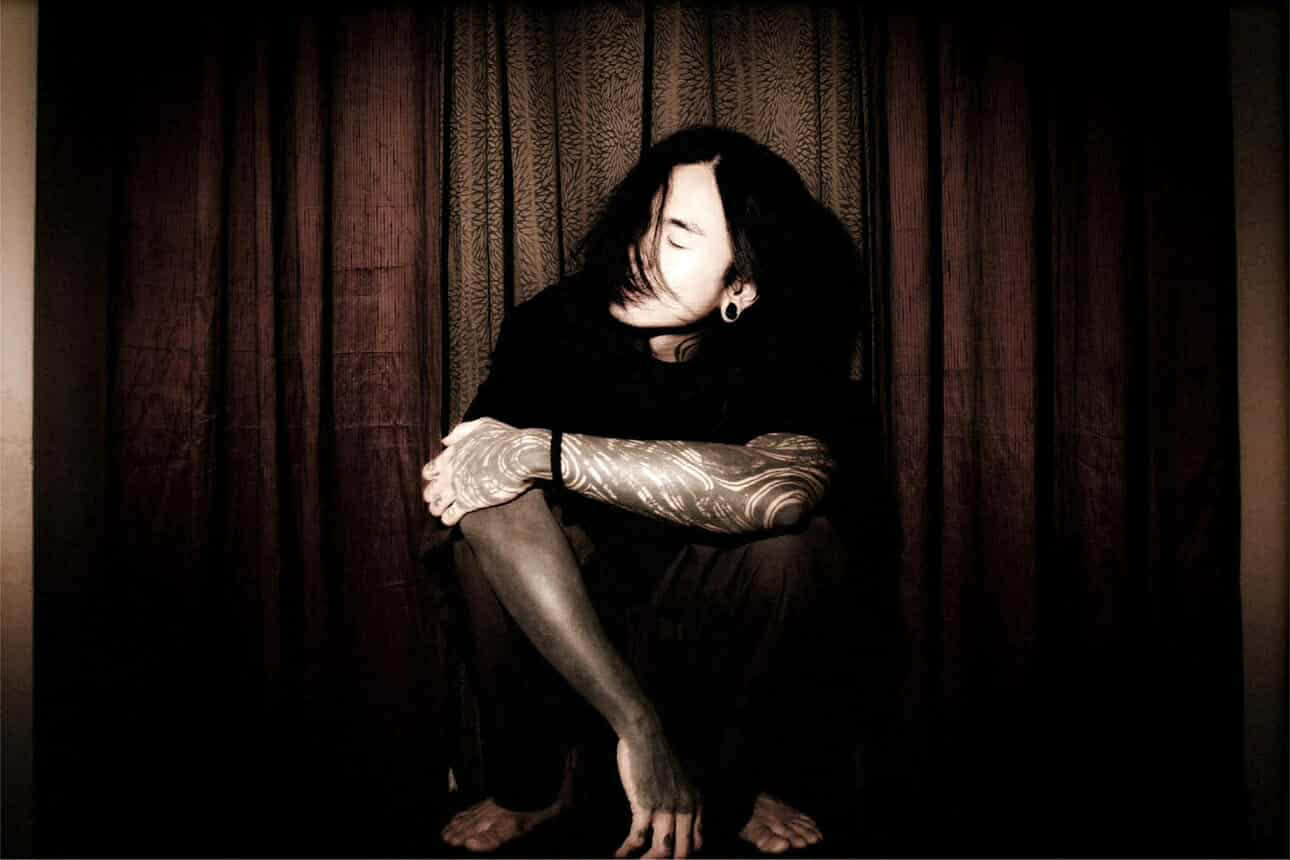
When you look through the telescope at the moment when the Blood Moon — where astrologists would calculated that it would take a century to evolve — is about to reveal itself, you realize that an album titled LUWAL HATI is about to be uploaded to cyberspace by Ada Meniv; A one-of-a-kind debut album of the trap-metal experimental project of Tisch Nava. The concept of Ada Meniv comes from an internet-induced fever dream of a cultural worker based in Hong Kong, whose vision of the grimmer sides of the Philippines is filtered through intensive worldbuilding. The new album, however, carries moments where one wouldn’t expect these genre trappings to meet, yet they come together in ways that feel deliberate. At the same time, switching between different personas for his DJ alter-ego Fr:(wn and his alternative rave initiative gRave, the music itself is a warning sign for those who want to move deeper into darker corners of the underground.
In tracks like “Placenta,” “Hayeta,” “On Bondage of the Will,” and “Karit,” Ada Meniv taps into an atmosphere less common in a scene saturated with technicolor and maximalism. The lore unfolds in a way that feels reserved for those willing to sit with its discomfort. With parents who both played music early on, and later exposure to local and digital scenes, these influences shaped his direction over time. Here, Tisch lets listeners only scratch the surface of what he has been working toward, both in sound and in creative output overall, putting the album out independently and fully aware of its own abrasive tendencies. Ada Meniv has only gotten started.
[This interview has been edited for brevity and clarity]
Elijah: I think we were internet friends first around 2016 and my first impression was at the time you attended these very diverse mixed-bill shows. Hardcore, metal, mga hip-hop, trap music. Since then, we didn’t really converse as much in those early years, but we somehow found our way to get back into the groove during the pandemic. From what I assume, you grew up with a lot of emo and metal influences. Could you tell me what were the first bands or records that made you feel like music could be a world you could live inside?
Ada Meniv: Si mama tsaka si papa nasa band sila, grunge band. Tapos nagpe-play sila around Manila. Kaya Tisch yung name ko, kasi pangalan ng banda nila is Tisch. Doon nagsimula yung hilig ko sa rock. Simula siya sa Nirvana. Tapos nung four to six years old ako, Nirvana lagi pinapatugtog sa bahay. Tapos Red Hot Chili Peppers, Tool, yung mga sikat sa MTV.
Nung eight to ten years old ako, in-introduce na sa akin ng papa ko yung mas mabibigat pang banda. Naalala ko Disturbed. Tapos lahat ng metal noon, hindi pa metal yung tawag. Parang wala pang label sa mga banda. Korn, Slipknot. Doon ako nagsimula mag-discover ng similar bands sa sarili ko. Pero nag-school ako sa Santa Rosa Laguna, uso yung hip-hop doon. Nahiligan ko rin—Repablikan, mga ganun. Doon nagsimula yung hip-hop side ko. Tapos nag-merge yung fashion ko from hip-hop to metal. Naka-darts ako, hoodie, tapos may studded belt. Yun yung itsura ko noon. Nung grade 5 to 6, in-introduce sa akin ng kaklase ko yung Alesana. Doon ako nagkaroon ng interest sa emo scene.
E: I think pumunta pa sila dito recently like last year?
AM: Oo pero wala ako doon. Sayang.
E: First time nila sa Pilipinas yun after decades.
AM: Nung time na yun, around 2000s sa Santa Rosa. Kasagsagan yun ng emo scene sa Laguna.
E: Sobra, lakas emo scene nila.
AM: Oo, lalo na typecast, mga hardcore ng Piledriver. Wait, dagdag ko lang. Wala pang Spotify, wala pang SoundCloud. Wala rin kaming computer sa bahay. Ang ginagawa ko pumupunta ako sa Olivarez Mall para bumili ng pirated CDs—compilations ng As I Lay Dying, Asking Alexandria. Doon ako nagsimula. Wala sila sa MTV pero sobrang nagustuhan ko yung guitar riffs nila. Yun yung unang inaaral ko sa guitar.
E: What was the first song?
AM: Yung unang natutunan ko sa guitar, tinuro sakin ng papa ko, “Schism” ng Tool. After nun, umalis si papa papuntang Hong Kong. So ako na lang mag-isa nag-discover ng music. Nahilig ako sa drop D, yung mabibigat. Doon ako nagsimula talaga. Yun yung roots ko aside from hip-hop.
E: When was the time you explored more online?
AM: Late na rin. May computer shop malapit sa amin, pero madalas naglalaro lang mga tao doon. May soundtrip yung admin, yun yung pinapakinggan ko lagi. Kaya doon ko rin nadiscover yung ibang sounds. Noong 2009, nagkaroon kami ng laptop tapos binigyan ako ng Globe Tattoo broadband.
E: Ay, same!
AM: Sobrang bagal nun. Isang YouTube video 15 to 30 minutes bago mag-load.
E: 140p lang kaya.
AM: Pero part siya ng experience. Pagkatapos ng intay, ang saya mo na maririnig mo na yung gusto mong pakinggan.
E: Earliest memory ko sa Globe Tattoo, Odd Future, “Oldie” 2011.
AM: Ay oo shet! Malaki rin influence sa akin ni Tyler, pero hindi pa siya kasama sa earliest discoveries ko online. Noon, hinahanap ko pa lang sa YouTube yung mga gusto kong aralin sa guitar—Flyleaf, post-hardcore bands. Tapos nag-aaral din ako ng art rock—Muse, Radiohead.
E: Lumawak yung palette mo.
AM: Oo, eventually. Rabbit hole kasi yung internet. Once pumasok ka, tuloy-tuloy na yun.
E: Ngayon you’re still carrying that Filipino identity in your work as Ada Meniv. How does being part of the overseas Filipino experience affect the way you write or produce music?
AMl: Hindi siya gaano sa lyrics, pero malaki yung influence ng Pilipinas sa soundscape ng Ada Meniv. Sa visuals din, Pilipinas lahat ng settings. Hindi ko pinaplanong mag-set sa ibang bansa. Gusto ko yung nature ng Pilipinas. Sa soundscape, malaking factor yung pagiging Pinoy ko kasi doon ako nag-start mag-explore ng roots. Hanggang ngayon, na-iinvoke ko pa rin siya. Late ako naglabas ng album as Ada Meniv, parang 2026. Pero matagal ko nang sinulat yung ibang tracks. Wala lang akong oras tapusin noon.
E: Which one is the oldest track?
AM: “Placenta.”
E: Gaano katagal ginawa?
AM: Matagal na. Yung riff ng “Placenta,” influence ng Incubus. First or second year high school ko pa iniisip yun. Hindi siya nawala sa isip ko. Wala lang akong pang-record noon.
Ngayon lang ako nagkaroon ng resources—plugins, recording gear—kaya nailabas ko na siya.
E: One of my favorite tracks is “Karit.” Ang ganda ng buildup. Pati yung “Salvia Trip Report” intro, sobrang atmospheric. The whole album feels very psychological. Do you see the project as confronting your darkest thoughts or may narrative siya?
AM: “Placenta” yung anchor ng album. Doon nagsimula lahat. After nun, may idea na ako for the next tracks like “Lisan.” “Mana Drain” yung unang natapos kasi yun yung pinakamadali, influenced by EDM production ko as Fr:(wn. Yung “Salvia Trip Report” at “Lisan” yung pinakamahirap kasi matagal ko nang gustong gawin yung sound na yun. Around 2010–2011 ko pa ini-imagine yun. Inabot ako ng around 6 months para matapos sila. After that, “Moonrat” at ibang tracks. “Karit” yung pinaka-enjoy ako gawin kasi sobrang galing ni Kuya Kevin. Yung ambience ng ‘LUWAL HATI’ yung nagiging glue ng album kahit iba-iba yung genre. Yung paulit-ulit na hangin at tribal drums yung subliminal element.
E: Yung snare ng “On Bondage of the Will,” ang ganda.
AM: Sobrang proud ako dun. Clap, snare, at tribal snare—tatlong layer, iba-ibang EQ. Parang nanununtok yung sound. Yung lyrics at lore, habang ginagawa ko yung album, sinusulat ko rin yung story ni Ada Meniv. Si Ada Meniv parang vagrant sa psychedelic realm. Ako, si Tisch, ako yung host niya. Kapag nasa flow state ako—like habang nagluluto ako sa trabaho—parang nasa ibang dimension yung utak ko. Doon lumalabas si Ada Meniv. Parang sa movie na Soul.
May parts na narrator, may parts na si Tisch, may parts na si Ada Meniv. Ayoko i-giveaway lahat. Yung world niya parang post-apocalyptic psychedelic realm. May authority yung mga tao sa ibang dimension. Dystopian na rin siya. Si Ada Meniv parang defender ng last religion sa world na yun. Hindi real name yung Ada Meniv, parang Dark Souls style naming. Matagal ko nang ginagawa yung lore, hanggang ngayon ongoing pa.
E: Yung Salvia Trip Report, parang interlude, parang diss track ng album. How was the visual process?
AM: Wala ako doon. Shoutout kay Rosario, siya visual director ng Ada Meniv. Sa Korean Temple. Silang sila nag-shoot, temple locations with River Dimitri as photographer. May tatlong model—Rui, Erich, at si Cayenne. May isa pa na parang temple guard character, hindi tumitingin sa camera.
E: That’s fucking fun.
Pag gumagawa ako ng material kay Ada Meniv, ako lang mag-isa. Control ko yung environment. Walang nagsasabi kung maganda o hindi.
-Ada Meniv
AM: Oo, sobrang saya. Pwede siyang partner ng soundscape na ginagawa ko. Yun yung gusto ko doon kasi naiintindihan nila yung gusto ko kahit nandito ako sa ibang bansa.
E: At yung music that you have that’s already there and having people understand you or communicate the visuals through your music, it must have been the biggest compliment that they absolutely get your vision. Would you say it’s your alter ego or is it just a completely separate persona, yung Ada Meniv?
AM: Kaya pa rin akong may sariling personality away from him. Kaya kong mag-step away sa kanya tapos gumawa ako ng material ni Fr:(wn na hindi mo maiisip na si Ada Meniv pala. Parang gano’n.
E: Can you distinguish yourself personally from this character that lives outside of you? How does Ada Meniv differ from the Frown persona?
AM: Si Fr:(wn, siyempre doon nanggaling—yung roots niya from Skrillex, parang EDM. Doon tayo sa side na yan. Hindi ko siya maiisip i-merge kay Ada Meniv kasi ibang practice kung paano ko siya i-play at i-record. Doon pa lang mapapansin na ng mga nakikinig na parang dalawang magkaibang tao yung gumawa ng dalawang project.
E: The first time I encountered Frown was through gRave, post-pandemic. You built this DIY party collective that emphasizes experimentation and community. What inspired you to start organizing those kinds of parties?
AM: Naisip ko yung gTave kasi hindi pa siya gRave noon. Parang performance art show lang sa Pinas yung idea. Para sa akin, yung pinakamagandang venue na napuntahan ko, nagsara na, tawag sa venue “Limbo.”
E: Ay, putek! Wala na rin yun!
AM: Yun lagi kong sinasabi kung saan nanggaling yung gRrave—sa Limbo. Ang ganda ng venue na yan.
E: Yeah, nasa gitna ng Poblacion, may bilog na pinto. Pagpasok mo parang ibang mundo—low ceiling gallery, tapos mga wild na performers. Nakita ko si Ryosuke Kiyasu doon.
AM: Naka-line up ako dyan.
E: Post-pandemic sa Mows?
AM: Oo, under Mainland Connection.
E: Because of Kiyasu, parang na-realize ko na normal pala yung mixed bills. Isang snare lang dala niya pero kaya niya makipag-line up sa iba’t ibang genre. When I think of gRave, it feels similar pero in a sense na ritual-like na spectacle siya. Parang rare, ephemeral, ganun. Is that intentional?
AM: Intentional siya in a way na nahihirapan kami mag-produce ng maraming shows per year. Nawawala yung point ng gRave kapag madalas. Lagi lang siya after Holy Week. Napag-usapan namin na pwede once or twice a year, pero hindi sobra. Ayoko maging parang ibang rave productions na paulit-ulit lang.
E: Do you approach your music the same way—fleeting, experiential?
AM: Yung ‘LUWAL HATI,’ planado talaga siya na i-release kasabay ng Blood Moon. Matagal ko nang plan yun. Buti natapos ko before mangyari yung event. Yun yung naging anchor, parang deadline ng project.
E: So it’s almost lifelong?
AM: Yung total Blood Moon, parang once every century. Yung lunar eclipse pwede yearly.
E: What kind of freedom does experimental hip-hop or trap metal give you?
AM: Pag gumagawa ako ng material kay Ada Meniv, ako lang mag-isa. Control ko yung environment. Walang nagsasabi kung maganda o hindi. Hindi ko rin pinapasa sa friends ko during the process. After ko ma-polish, saka ko lang pinapakinggan sa iba. Pero kahit ganun, may nababago pa rin. Kung wala yung Blood Moon, baka hindi pa rin siya nare-release kasi pabago-bago ako ng sound design.
E: What do you hope listeners take from ‘LUWAL HATI’?
AM: Hindi ko intention magbigay ng specific feeling. Pero kung may mapulot sila, sana huwag silang tumingin sa isang typebeat lang. Maraming pwedeng kunin—parang palengke. Kunin mo lahat ng gusto mo, tapos ikaw na bahala.
E: What was the most chaotic moment performing live as Frown?
AM: gRave 3. Nandoon ka ba?
E: Halfway the program lang.
AM: Yun yung pinaka-chaotic. May nagbabasag ng bote sa gitna ng set ko. Tinigil ko yung music during “Yonkers” ni Tyler, the Creator para i-clear yung area. Habang nangyayari yun, sa peripheral vision ko may nagsusuntukan, may sumisigaw ng “stop the car.” So tinigil ko talaga. Parang sobra na. Isa pa, yung first gRave. Hindi ko pa alam yung audience. Beta test pa lang. Nagulat kami may nag-mosh pit sa set ko. Akala ko joke lang yun nung pinost ko. Pero nangyari talaga.
E: That was magical.
AM: Oo. Yun yung roots ng Grave—yunh Limbo and small events in general kung saan may nagmo-mosh kahit DJ set lang. Tisch pa lang name ko noon, hindi pa Fr:(wn. Up to North days.
E: Nag-DJ ka pa sa 88 Vibers naalala ko yun sa Team Jesus?
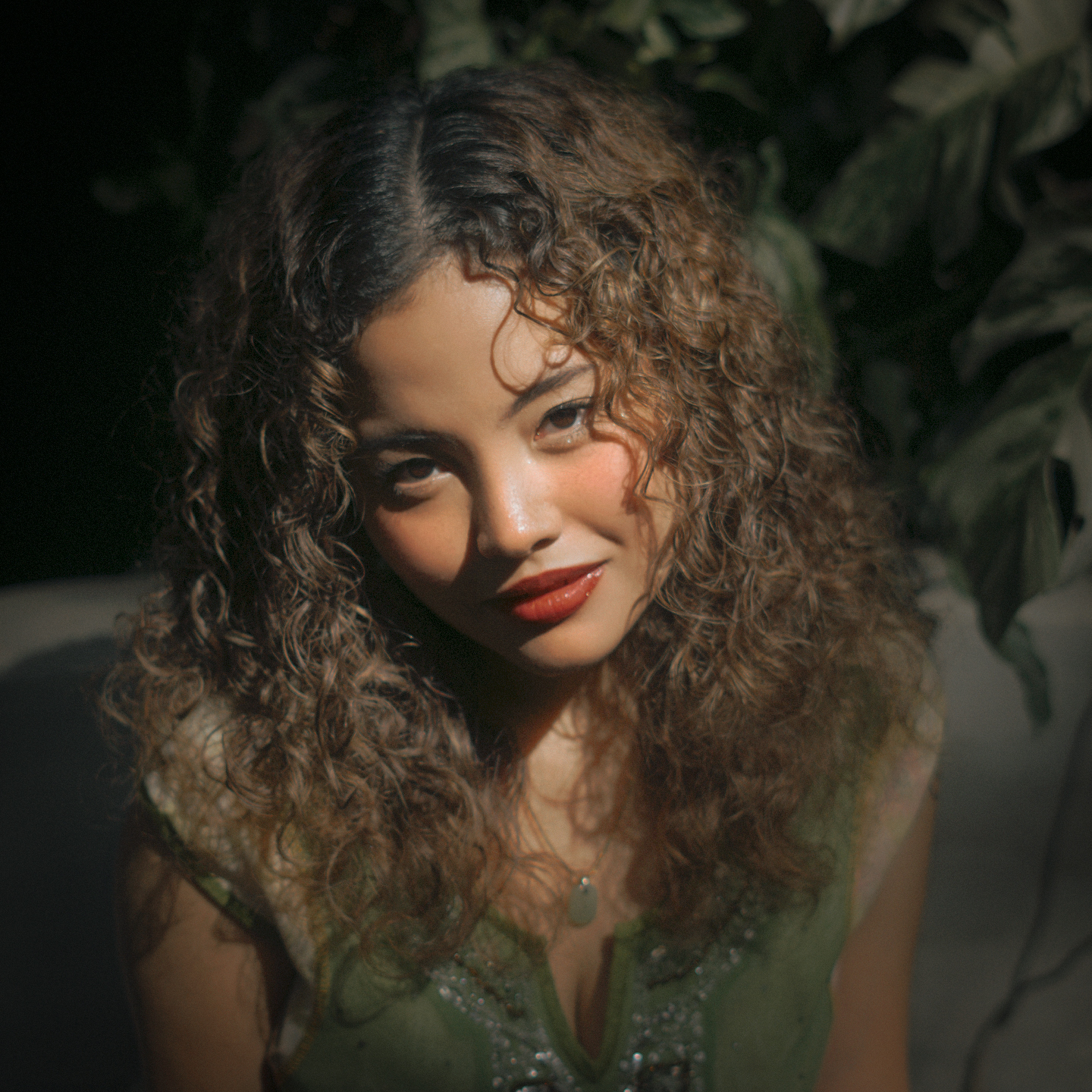
Shanne Dandan is for lovers. When talking to her, it feels like you’ve known her forever; almost like a seatmate you never stopped talking to in elementary school and would eventually share school lunches with. In the age of yearning and finding love on a tricky, slippery slope, Dandan possesses a rare trait– she simply loves the way she loves. It’s a privilege to get to connect with artists in the local scene, they’re not to be put on pedestals because the stage itself is level with everyone else most of the time. Talking to them about their artistry can be done anywhere and sounds just like a Facetime call; and that’s exactly how Dandan approached the simplicity of love and how overcomplicating it is bound to happen, but that’s not what love is going to be like forever.
It was almost surprising to learn then, that Shanne Dandan’s introduction to music was anything but intimate. Like many children shone onto the spotlights of stardom, Dandan started her career at around eight years old and at thirteen upon joining ABS-CBN’s very first The Voice Kids with immense pressure, however, she later deflated it through her discovery of passionate writing. She began breaking free from the child-star bubble through connecting with the Manila Sound Era of OPM through the love and help from her grandmother, she then began a series of covers and being invited to collaborate on soundtracks from films such as “My Husband, My Lover”, “Breathe Again”, and later “100 Awit Para Kay Stella”. Dandan then explored the music scene and later released her debut album in 2024, “Kung Iyong Mamarapati”, where she dissects her own vulnerability and relationship with everything emotional.
Her new single, “Labs Kita”, is a tune to look out for this Valentines season, aiming for a more wholesome approach and homage to lovey-dovey OPM ballads, Dandan gracefully converses on her songwriting process and experiences.
**This interview has been edited for clarity and brevity.
FA:What kinds of music did you grow up listening to, and how did those early influences stay with you?
Shanne Dandan: Growing up, I was really a different person, I wouldn’t really say I was an artist because before I was just being a performer. Since I grew up doing competitive singing then joining singing contests, I thought talaga na, ‘Well, it was a different time naman din before.’ Before, the only way for you to make music – or if you’re a singer, is that you have to join singing contests para ma “discover” ka. So, dinaanan ko yung path na ‘yon, bata pa ako as in! Nag start ako parang mga eight years old? Seven years old? Very young. I got exposed sa industry ng ganong ka aga. Pero music-wise, yung listening ko, na-adapt ko siya sa, syempre, kasama ko sa bahay, yung lola ko, my mom, and my dad. We’re all very musically inclined din, my mom is a singer, lola ko also a singer. So every day we were all listening to music palagi. Lola was always blasting yung radio niya. And yun, I grew up listening to that kind of music, yung pinapakinggan ng lola ko which was music from Pilita Corrales, Cely Bautista, Ella del Rosario… Nakalimutan ko yung channel sa radio, pero parang Sunday radio everyday [laughs] may kaunting religious [themed] podcasts… Pero laging ganon, so growing up, na adapt ko talaga siya and ever since, mahilig talaga ako sa mga lumang bagay. Tapos ayun, na dala ko siya and even nung nagkaroon nakong ng idea and ng c-change na yung environment towards the entertainment industry, meron nang, Instagram, Meron nang YouTube, so mas namotivate ako na “ah okay, ‘di lang pala ito yung tanging ‘way’ ko to become who i want to be!” So then I discovered the magic of songwriting nung siguro 15 ako? 14? Very late bloomer ako kasi up until that point in my life nag j-join parin ako sa mga singing contests, tas may na meet akong mga like-minded people na gusto yung mga bagay na gusto ko, dun ko lang na discover na “Ah I like to write pala” pero before songwriting i really liked writing as a journalist, I was in journalism clubs, and I’m a feature writer pero sa Tagalog/Filipino. Pagsulat ng lathalain! Mahilig ako magsulat ng mga short stories, fantasy, all that! When I discovered songwriting, narealize ko na “ah, may ganito pala, na you can blend your words tapos may melody,” parang nag merge yung dalawang hilig ko which is writing and singing! That’s when I also set boundaries sa family ko, sabi ko ayoko na mag join ng singing contests. Hindi nagustuhan ng mom ko kasi very stage mom talaga yung mom ko– di niya naiintindihan! Sabi niya “Huh? Hindi ‘wag ka diyan” tas nung una, sumasama siya sa mga gigs ko, sa mga bars, and hindi niya maintindihan kasi sanay siya sa mga gigs na ang dami nanonood kasi I used to sing in hotels and events talaga. I would always sing covers lang. So nung nakita niya na ang konti nanonood sakin, ang didilim ng mga bars… pero eventually naging supportive naman siya! Ayun mas naempower ako when I started going to communities that appreciate my craft. But to answer your question, I am very much influenced by my Lola and nag rereflect ‘yun to who I am today and what kind of music I write.
FA:I had a conversation with my friends, and nasabi ko na parang harana na reversed roles yung mga songs mo, kasi with harana, yung audience or yung muse ang highlight kasi sa kanila nadedeclare yung pag-ibig, but with your songwriting, it highlights your own love for your muse.
Shanne Dandan: [Laughs] I feel like nag rereflect din sa craft ko, yung music ko, yung sarili ko! Na I have so much love to give. As in, when you meet my family we are very OA kami, very expressive kami. We always say “I love you,” “ingat ka”, never nawalan ng ganong lambingan sa family ko kaya feeling ko kahit ano gawin ko, okay lang talaga.
FA: When did you realize that you can actually dive into the songwriting world and write your own songs without being under the pressure of childhood stardom or being under the spotlight?
Shanne Dandan: Oh, this is a really good question. Medyo naiiyak na ako… Charot! After joining singing contests, sobrang na drain talaga ako … Syempre hindi alam ng mga bata na work pala yun, may money involved sa ganong industry, akala ko kumakanta lang ako and syempre gusto ko lang mapasaya yung parents ko and family ko ganon. Dati talaga, ayoko maging singer. Introverted ako na bata kaya dati hindi ako natatanggap sa mga auditions for TV kasi wala daw akong personality eh kailangan sa TV na may personality ka or “bibo kid”. So I joined two singing contests on TV, the Voice Kids and sa TV5. Sa TV5 ako naging champion. But after the voice kids, sabi ko ayoko na! Ayoko na kumanta ulit. [laughs] tas nag aral na ako nun, i think was junior in highschool nun. As a kid, I couldn’t understand what losing meant, I got really sad when I got eliminated– not because I wanted to win, but because nadisappoint ko parents ko. So sabi ko “ayoko na, gusto ko na mag aral” and then i pursued journalism at mas naging active ako sa school. After joining that second contest tas nanalo na ako, sabi ko “okay masaya naman siguro yung family ko, so ayoko na. Ayoko na ulit mag ganito.” That’s when I discovered and met indie artists! The very first people that I met from the music scene was sila ate Cherry, Bea Lorenzo, Jellie Villanueva, silang tatlo! Sila ang itinuturing kong mothers, mothers ko sa music ko. They inspired me very much. Minotivate nila ako to sing, to write my own songs and I really got inspired by their own music din lalo na kay ate Jellie– I think we make the same music in the way na may pagka-emotional, storytelling [elements], and also the singing, it’s soulful singing. Tuloy tuloy na after that.
FA: Did you ever talk to your younger self as you grew and realized the person you are now outside of childhood stardom?
Shanne Dandan: I didn’t really do that [talk to my younger self] at that time because I was still a child– I started really connecting with my younger self with my inner child nung eto na, when I made my first album, and parang more on reassurance sya– hala… nakakaiyak [laughs] – I reassured myself na “Hey you’re going to be proud of future me” ganon.
FA: How do you navigate the line between Shanne Dandan the artist and Shanne Dandan the person, and how has reconnecting with your younger self shaped who you are today?
Shanne Dandan: Feeling ko nag evolve talaga ang pagkatao ko in the past few years, when I first started, I felt really connected with myself and then as time goes by medyo nag drift away sya kasi I started focusing on other things tapos nawala yung spark nawala yung passion ko with my own music tapos ngayon, sobrang connected na yung regular self ko outside of gigs and work. My creativity as an artist is also very connected kasi kung dati wala akong drive to write about songs about my internal feelings, lagi lang ako nagsusulat kapag nag kwento yung friend ko about their lovelife and gagawin kong topic yun or inspiration ko sa song tas di ako nakakasulat ng songs about ano talaga na feel ko kaya hirap ako magsulat ng love songs and puro conceptual songs, pero when I started connecting with my inner child and then past ko, accepting that I had a painful past and wala akong magagawa dun and i just chose to be grateful for that because if it weren’t for that, i wouldn’t be where i am today. So when I started setting my mindset sa ganong perspective, bumuhos lahat ng inspiration and mas nakasulat ako ng mas connected na songs and mas “ako” siya. Feeling ko wala talagang difference yung personal artistry ko and yung outside music self ko.
FA: How do you balance being vulnerable in your music while protecting yourself as a person?
Shanne Dandan: Actually, pretty recently din, mas nagiging brave na ako to be very vulnerable sa music ko kasi I stopped thinking about what other people are gonna think about me or these songs. Ito yun eh, ito ang pinagdaanan ko, ito yung gusto kong isulat. I know may mga taong [mararamdaman na] same yung story or may similar experience na makaka connect dun sa songs ko. Yung yung favorite ko rin about releasing music: yung mga taong nag memessage sakin, nag re reach out sakin na “Oh my gosh Shanne, kahit sakin, lahat ng mga stages mo sa buhay ko may narelease kang kanta,” – Very memorable moment, may isang girl na nag message sakin na kunyari may pinagdadaanan siya tas nirelease ko daw yung “Kailan Ba Ako Magiging Masaya?”, nagbreak daw sila ng jowa niya tapos nirelease ko daw yung “Iyakin” di pa daw siya nakaka move on, tapos nirelease ko yung “Di Na Babalik Sayo” naka move on na daw siya, nasama ako sa lahat ng stages ng life niya kahit hindi ko siya kilala. Doon ako kumukuha ng motivation to be more vulnerable and to show more vulnerability. Dati kasi, I was a very vulnerable pero I was sharing too much on the internet at that time, ngayon, I learned how to set boundaries. I learned that when you share too much online, may mga tao nagkakaroon ng parasocial relationship sayo and then may lakas ng loob sila to judge yung life mo and your choices. So now, I only share my vulnerability through music. Yun yung boundaries ko at sobrang na eenjoy ko!
We were all recording [Labs Kita] na and pinakinggan ko yung mix niya, naisip ko ulit na “Ang sweet ko naman, ganto ako mag mahal!”
–Shanne Dandan
FA: Let’s talk about your new track “Labs Kita”, What do you hope listeners take away from this track when they’re navigating their own perspective of love?
Shanne Dandan: Baklaan. Guys, let’s be real.. Charot! [Laughs] I want it to be such a safe space for everyone na nagmamahal. I want to tell everyone that your love is sacred. Your love is supposed to be celebrated. Very straightforward din kasi yung song eh! It’s not really a love song that hides in metaphors, walang ganong! Gusto ko “Matulog ka ng mahimbing tapos pagkagising mo ikikiss kita!” Walang “Aabutin ko lahat ng bituin sayo” hindi! As in, “Good morning, tapos kiss tayo,” ganon! Yung song na yon, Labs Kita, nasulat ko lang siya randomly, nag stay ako dito sa studio, natutulog yung partner ko in the other room, tapos naisip ko, “Hala, sana mahimbing ang tulog niya,” [laughs] tapos kinilig ako dun sa “Hala! Naisip ko yun? Parang ang sweet ko naman!” tapos dun na yung song nag set, then the melody sumunod na, very spontaneous yung songwriting na ginawa ko nung night nayon and then nung we were all recording it na and pinakinggan ko yung mix niya, naisip ko ulit na “ang sweet ko naman, ganto ako mag mahal!” [laughs] and then mas naempower ako kasi nafeel ko that it is a privilege to be loved by me! It’s so healing din, lalo na sa mga people like me who give too much and sobra-sobra talaga mag mahal. Gusto ko lang ireassure mga listeners ko na OKAY LANG! Alam mo yon? As long as you’re giving your all tas masaya ka sa love that you give to other people, that’s okay because in a way that’s also loving yourself. Hindi mo pinupull back yung sarili mo to feel everything, every positive thing. Spread love!
FA: Can you describe moments when singing becomes so emotional that it physically affects you, and how those moments shape your performance?
Shanne Dandan: Umiiyak talaga ako [laughs] maraming beses na nangyari yun, I get really overwhelmed with the situation lalo na yung tour ko for Kung Iyong Mamarapatin, ilang beses ako humagulgol, wala lang, iyakin ako! I am Mercury in Cancer tapos Gemini pa ako… ang dami kong nararamdaman sa buhay… [laughs]
FA: [laughs] GETSSSSSSSSSSS
Shanne Dandan: I just let it flow, pag nafefeel ko yung luha ko, pabagsakin ko siya pero hindi naman yung nakaka overwhelm siya. In a way, I’m grateful for those kinds of emotions na nag flood sakin whenever I sing because that just means na hindi nawawala yung passion ko for singing. Itinuturing kong instrument ko yung voice ko; the way guitarists play their guitars, keyboardists play the piano, yung voice ko ang sinustrum ko, so hindi ko maiiwasan maging emotional, that also just means din na grabe yung love ko for this craft, for voice as an instrument, hindi siya nawala kahit yung start ko medyo rough.
FA: When it comes to songwriting, it’s almost kind of a requirement to pour your heart out on a page or pour your heart out through the sound of a melody. So when it comes to songwriting for you, ano yung mga non-negotiables mo in the songwriting process?
Shanne Dandan: Sa songwriting, wala naman akong rules sa sarili ko, yung process ko kasi is nag sesketch ako sa voice notes– I don’t really play an instrument when I’m writing a song because I don’t want to box myself and limit myself to chords or keys on the piano para maexplore ko yung range ko sa melodies, so I sketch tapos nagkaroon kami ng jam [session] with my band, sila yung nag iinterperate sakin ng chords. Very visual yung isip ko, so the way I describe my ideas– hindi ko masasabi yung “Okay dito is D-flat,” hindi ako ganun eh! More on “gusto ko parang umuulan tapos nabasa ako sa ulan–” parang ganun ako mag describe ng feelings ko! [laughs] And sobrang connected and close kami ng band ko, as in family talaga, so they know what I’m trying to achieve musically, and alam ko pano sila kausapin about it.
FA: Writing with your band is such a good non-negotiable. Nakakapa nila yung pakiramdam mo tapos kaya nilang itranslate yun into music!
Shanne Dandan: Non-negotiable ko si Lui, yung nag p-piano sakin. Non- negotiable ko is yung may bading sa banda. Mas gets nila, mas gets namin [raises eyebrow, laughs] yung mga influences ko which is very Femme talaga. Yun yung non-negotiable ko! [laughs]
I’m surrounded by so many queer people na mahal na mahal ko talaga. Grabe din yung influence nila sa akin. All the queer artists that I listen to are also connected dun sa sinabi ko na non-negotiable ko yung bakla.
-Shanne Dandan
FA: Taking notes for myself…
Shanne Dandan: Can I just say, grabe yung influence ng queer people in my life. Ngayon ko lang din narealize na I’ve been queer my whole life. Iba lang naman din yung panahon dati, so when I opened up to myself and came out to my family, dun ko lang din narealize–pati yung mga friends ko– na alam ko na matagal na. I’m surrounded by so many queer people na mahal na mahal ko talaga. Grabe din yung influence nila sa akin. All the queer artists that I listen to are also connected dun sa sinabi ko na non-negotiable ko yung bakla.
FA: Your aesthetics and fashion styles are also very interconnected with who you are as a person, may pag ka-60s, may pag ka-70s that reflect yung musical upbringings mo, and I also noticed that you wear your hair natural! It’s rare to see an artist embrace their natural curls din kaya it’s so refreshing seeing someone be their authentic self. How did you develop that style?
Shanne Dandan: Matagal na! [laughs] I’m very connected pa rin sa music taste ng lola ko and mga pinakinggan ko nung bata pa ako. Visually, the films I consumed before and the books that I read are all from the 20th century. Sobrang fascinated ako dun sa aesthetic na iyon, nag start siya siguro nung 15 years old ako. Tumblr kid din ako dati! nagkaroon ako ng Tumblr mga 9 years old ako and naalala ko pa yung URL ko pa dati is “Shannederella” kasi love ko yung Cinderella na band…[laughs] Connected talaga yung style ko sa personality ko and sa music ko din kasi very visual ako mag isip, naiimagine ko yung magiging look ko, kasi I’m also a part time stylist. I really like enhancing yung fashion sense ng mga artists, mga musicians like myself and basing it on their personalities and moods. I think I developed that very young because when I was a young teenager naging art director ako for mga iba’t ibang bands before and nag evolve yung creative side ko as I got older.
FA: You mentioned the band Cinderella and your music is very much reminiscent of their songs back then especially with the way you use both tagalog and english in songs. How do you reinterpret classic Filipino pop influences like Cinderella, Didith Reyes, Ella del Rosario and even covering “Boy I love You” by the late Cherie Gil for a modern audience?
Shanne Dandan: I think there’s something about the way they sang their songs from that period of time. Like Yolly Samson from Cinderella, she passed away a very long time ago na, but when you listen to her voice parang ka-call mo lang siya. Sobrang lapit niya sayo kasi her voice really touches your heart. I feel like that touching energy is something that I also want to translate in my music. I reinterpret that energy when I did covers of songs from that era pero namomodernise ko siya in some way but I keep [the old-timey] singing from that era, hindi ko siya iniiba, pineperserve ko siya. I don’t know if this will make sense, pero yung pag ka-feminine ng mga songs nila from that time and the way they write it din. Parang, loving siya okay, pero sa POV ng isang babae, ganon yung gusto ko, yung softness… The Female Gaze!!
FA: What guides your choice when deciding which songs to cover? The feelings the song brings out in you, the way it allows you to explore your voice, do those two things meet?
Shanne Dandan: Wala, kasi requirement siya… Charot! [laughs] Kasi mostly I do covers from movies or OSTs, and lagi nangyayari where kailangan nila ng lumang kanta, ako kaagad ang iniisip nila na ipa cover sa kanta and I guess that’s a compliment kasi gustong gusto ko talaga kumanta ng mga lumang kanta. Sobrang love na love ko kasi as a writer and a literary enthusiast, love na love ko yung usage of Tagalog na sobrang grammatically correct talaga, tulad ng usage of apostrophe then letter Y (‘y), basta ganon! [laughs] Lahat ng natutunan ko when I was still a journalism student, na apply ko parin siya [sa songwriting] Anyway, when it comes to cover song choices that ako mismo pumipili, like with “Boy I Love You”, ako talaga pumili i-cover yun, blessed ako in a way kasi yung label that I’m in, they own most of the songs from the Manila Sound Era of OPM, nasa Vicor Music / Viva Music Group siya.
FA: That’s so cool! May access ka sa buong catalogue.
Shanne Dandan: Yeah! With “Boy I Love You”, favorite song siya ng lola ko so when I was thinking of doing a cover for my album yun ka agad yung song na naisip ko. Sa interpretation naman with that song, kineep ko yung pag ka-lungkot ng kanta pero in a way, nilagyan ko siya ng touch of happy longing from afar, loving from afar.
FA: Do you have any Filipino book recommendations?
Shanne Dandan: Favorite book ko ay kay Lualhati Bautista, “Bata, bata… Pa’no Ka Ginawa?”, Wala akong kinalaman dun sa politics ng book na yon nung binasa ko siya nung bata pa ako pero dun ko na-adapt most of my style in writing.
FA: How important is it to make music that pays homage to the original OPM sound? If so, what makes slow and highly emotional Filipino ballads stand out?
Shanne Dandan: Aside from the fact that I really enjoy that kind of music, I really enjoy performing those songs because it’s preserving Filipino culture. We are very westernised and those songs are also very westernised din pero yung Pinoy essence is still captured lalo na yung mga love songs ng Pinoy. Very hopeless romantic tayo as Filipinos. We describe being in love to someone in a very Filipino way, may pa-kilig-kilig pa [laughs]
Preserving Manila Sound is also important din kasi Manila Sound is a mix of different genres eh so may pop, may jazz, may soul, so yun din ang mga iniisip kong sound whenever may isunusulat akong kanta. It’s all about the heart.
FA: Was there a moment during writing or recording when you surprised yourself emotionally?
Shanne Dandan: Ang dami! [Laughs] Most of the songs na nasusulat ko ngayon is– I didn’t expect myself na magiging ganito ako ka-open sa music ko lalo with “Labs Kita” and yung first album ko. Para talaga akong nakawala sa cage, ganon yung feeling. When I was writing and recording “Kung Iyong Mamarapatin”, my main goal was to reintroduce myself as an artist and as a musician. You’ve seen a different version of me, but ito talaga ako; this is the music I grew up with, ito yung roots ko. But then I released it, and nakikita ko na siya sa Spotify, online, everywhere… Ako yung nagulat sa sarili kong growth na naging ganito ako ka-open… Slay… [laughs] Na-appreciate ko yung sarili ko for being that open and brave to write those songs, lalo na sa kantang “Kailan ba ako magiging masaya?”, When I was writing it I was in a very dark place and iniisip ko noon na secret song lang siya kasi ginawa ko lang siya to express what I was feeling. Pero, sobrang freeing din nung nirelease ko siya. Now, with “Labs Kita”, nainspire kaming lahat to do more and we’re now planning to create a new body of work, I’m so excited!
Feeling ko lahat ng kinds of pagmamahal, whether it’s directed to other people or to yourself, you’re also simultaneously hoping. Kung wala nang hope, asan na yung love? Mag best friend sila!
–Shanne Dandan
FA: A year after the album’s release, how do you now view the person who wrote these songs? Now that you’re in a stage where you can write more freely about your emotions, do you think it’s easier to write about affection or heartbreak?
Shanne Dandan: It depends kung anong phase ka na sa buhay mo, syempre if malungkot ka, mas madali magsulat ng malungkot na kanta. Lately, I find myself writing a lot of love songs. So I guess very in love talaga ako ngayon [laughs] Pero I’m not yet at that point na yung mga songwriters, grabe yung skills nila to re-imagine a very different situation na wala naman sila. But I’m still connected with myself and my emotions when I’m writing. Nowadays, I feel like it’s easier for me to write happier love songs about love and then more about myself – not necessarily about love naman pero my own self-discovery, coming of age, all that. Nasa phase ako sa life na may mga moments na napapaisip ka na “Hala, tumatanda na, there’s bills to pay,” Tas mga moments with your old friends now, but I choose not to dwell on the fact that we’re now growing old; I’m happy that I get to grow old with my friends and with my family and with the one I love. Ang saya lang.
FA: How did your collaboration with Shadiel shape the final sound of “Labs Kita”?
Shanne Dandan: Sobrang amazing, It has always been my dream to collaborate with Shadiel lalo na to record in his studio sa Baguio. I think the place has a lot of impact sa song, kasi Baguio is such a beautiful place ang lamig lamig pa puro nature, so ganon rin maririnig mo sa song. Shadiel has a lot of ideas na hindi ko maisip na ako lang or even my band, it helps a lot with the song if may ibang tenga na nakakarinig that’s outside of the circle of people na kasama mo palagi. Ang laking impact ng ibang ear. With the intro, siya yung nag isip nun. I feel very honored na na ka-work ko siya and him and his team are very down-to-earth and they’re not the type of music producers that have so many criticisms sa mga songs mo, they just let the artist be. They really believe in your craft and don’t try to change it. Sobrang saya.
FA: What was the biggest difference between producing this single and producing your previous album?
Shanne Dandan: Masaya na ako. Kasi Panay iyak lang talaga ako when I was recording my previous album– and not naman sad cries, more on happy cries talaga na “Oh my God, I did this, Oh my gosh natapos na naten”, sobrang na-attach kasi ako with the people na gumawa ng last album ko and also, syempre now. Sa “Labs Kita”, Si Lui parin, Pat, Duo, and Kurt, band ko talaga. The difference siguro is yung vibe ng song. “Labs Kita” is much lighter and happier, ganon din yung vibe namin sa studio, very light energy and chill lang!
FA: What can you say about your other upcoming projects, if you can say anything about it?
Shanne Dandan: I’m very excited for this year, especially kasi yung year na ‘to, is such a ground-breaking moment for me as an artist because I started being more accepting and na discover ko itong whole new side of songwriting. Na pwede pala magaan lang and masaya. Parang nag tatae ako ng kanta [laugs] But yeah! Lalo na sa Valentines, February is going to be a super busy month for us and people invite me to sing at their weddings and I really really love that kasi lagi ako umiiyak, ang cute, kahit kaninong kasal!
FA: Do you think that love can exist without hope?
Shanne Dandan: Feeling ko hindi! There are two sides of hope. When you love someone, they love you back. Syempre, may positive hope na we’re going to grow old together and magiging masaya lang tayo, but then, syempre, madami kayong ipagdadaanan, dadating sa point na mawawalan ka rin ng hope. But it’s all about the perspective and affirmations to yourself na you [and your partner] will get through this. Feeling ko lahat ng kinds of pagmamahal, whether it’s directed to other people or to yourself, you’re also simultaneously hoping. Kung wala nang hope, asan na yung love? Mag best friend sila!
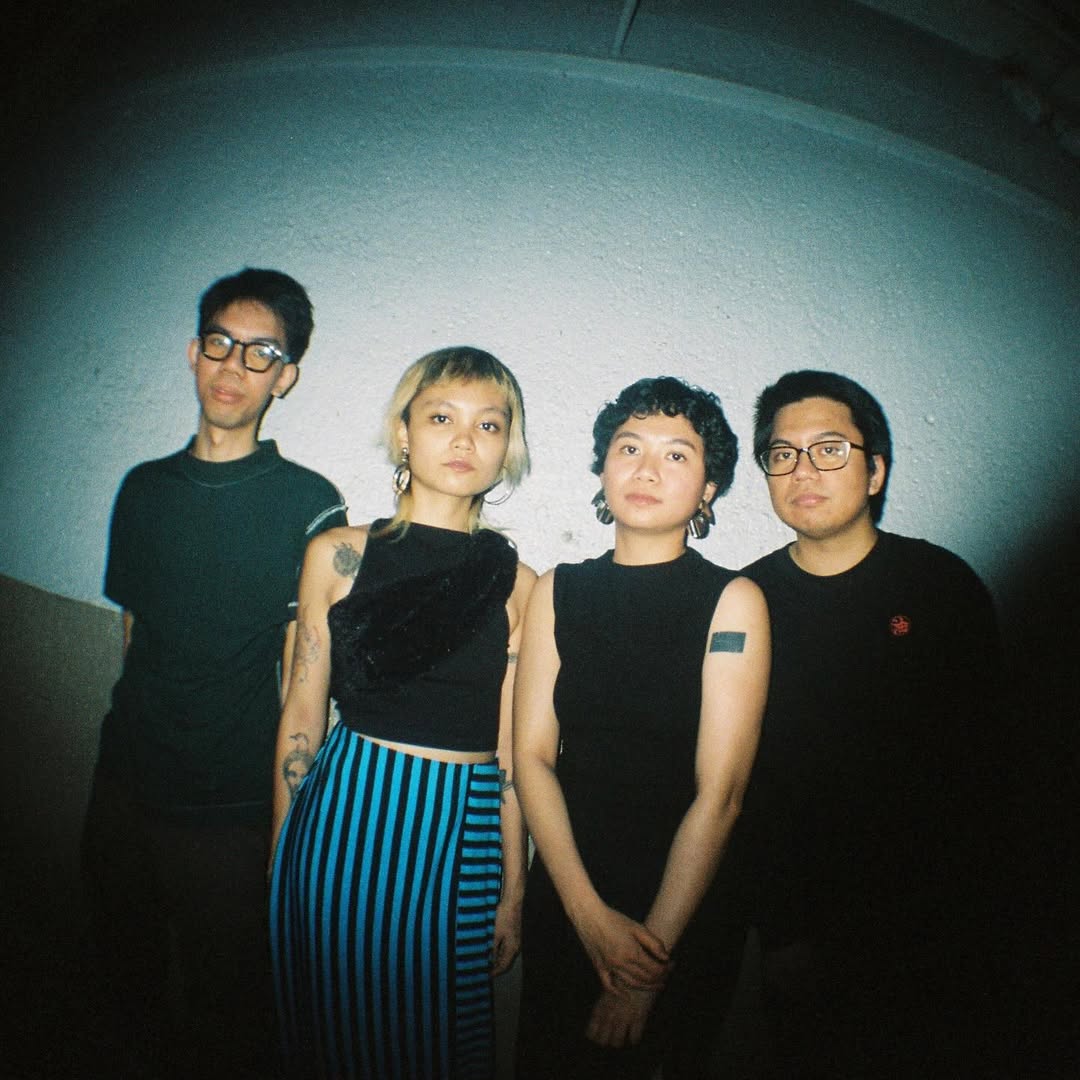
In an industry driven by visibility and speed, Ourselves The Elves embody a DIY ethic that builds on showing up and sustaining community and embracing contradiction across a decade of making music together
There’s a tendency to frame longevity in the local underground scene as triumph, survival as spectacle, and persistence as proof of greatness. However, Ourselves The Elves don’t seem to be interested in that kind of narrative. A decade on from their debut EP, Geography Lessons, the band speaks less like veterans guarding a legacy and more like participants who never left. They’re still booking their own shows, printing CDs themselves, and keep the promise of never attaching to a money hungry music label. “DIY or die” is their stubborn yet gentle manifesto.
Formed in the early 2010s, Ourselves The Elves emerged as a college band in UP during a time when genre borders felt porous and gig lineups were wildly heterogeneous with rock bands sharing stages with DJs, electronic acts, and solo performers. For Ourselves The Elves, the underground has never been an abstract ideal. It’s always been logistical, relational, and deeply emotional; it is as interpersonal as it is intrapersonal.
Celebrating a decade of Geography Lessons, the band speaks of the EP with a mixture of disbelief and gratitude. What began as an exercise in recording and release, self-funded and self-distributed and nearly missing its own launch deadline, has proven unexpectedly enduring. Newer listeners continue to discover it, finding something current in its vulnerability. For Paula Castillo, who was once a fan before joining the band, finds that the EP’s continued resonance reflects the honesty of its songwriting and why it remains meaningful years later.
That honesty has always included contradictions. Despite the band’s name and their later embrace of “self” as a central theme in their music, Cabral is careful to point out that many of their early lyrics are self-deprecating, even harsh. Rather than offering clean affirmations, Ourselves The Elves wrote through the mess of early adulthood: loving and hating oneself simultaneously, navigating friendship, frustration, and moral uncertainty. Throughout their entire discography, self-love is an uneasy conclusion arrived at after sitting with extreme discomfort. It isn’t a simple commute with an extravagant destination. “It’s about embracing the self but it’s also about hating the self,” Aly says. Perhaps that realization is the crux of the Elves’ existence.
When venues close, what’s mourned isn’t just the loss of a stage, but the memories formed there by performers, organizers, and gig-goers alike. As lead guitarist Akira Medina reflects, the survival of any space depends on whether it genuinely serves a community. The emphasis on service–on showing up for one another– runs through the band’s history. Their collaborations, from Petersen Vargas’ film work to community-run gigs and collectives reveal a culture built less on individual ascent and more on shared emotional labor.
Crucially, the band refuses to retroactively professionalize their story. Even now, they hesitate to call themselves pioneers. DIY, for them, was never a branding exercise. They sustained a garden of sound and technicolor. They sustained a way of working where bands double as organizers, collaborators, and caretakers of one another’s creative lives. What Ourselves The Elves has taught the youngins of the scene is to hold on to DIY as a means of retaining agency and not purity politics, or as Ponch Salvador puts it: to be cringe, after all, is to be free.
In an industry increasingly shaped by speed, visibility and metrics, Aly Cabral, Akira Medina, Paula Castillo, and Ponch Salvador exemplify the DIY ethic of not relying on shortcuts nor do they treat it like a hustle. Not mastery, not dominance, care. Care for process, for people, for the slow work of becoming, If their legacy lies anywhere, it’s in proving that staying can be just as radical as breaking through.
FA:What were your highlights from the 2016 era of the music scene that you still wish were prevalent in the scene today?
ALY: I think yung diversity of events at that time, the indie scene was thriving really well– not to say that it’s dying right now, but yun yung time na ang daming lumabas na bagong bands na sabay sabay and ang daming gigs where bands would play in the lineup along with different genres. There were also DJs, there were bands, there were electronic acts, and solo acts. So I guess mas buhay yung time before the pandemic, relatively yung music scene in general.
FA: Do you think that the scene is going through a “recession?”
PONCH: I feel like the crowd just became more inclusive and perceptive towards others that you like.
PAULA: Yeah. And I don’t think that recession equates to things being cancelled and whatnot. Mas nagiging aware [of the scene] na kasi yung kids nowadays. They’re more aware of different things going on.
I think that eventually, if a venue [at risk of closing] will survive, factors like how accessible it is to young people who go to gigs and questioning if it serves a community [will help] keep it alive.
–Aki Medina, Ourselves the Elves
PONCH: I don’t think there’s a [scene] recession going on.
AKI: I think it happens all the time but it’s not really [a recession]. There are always changes– it could be like how active the scene is, yung venues- lalo na yung venues. Personally, we lost a few of our favorite venues due to them closing down.
ALY: I agree with that. I mean, for sure there’s an economic recession pero when it comes to art and music. It’s affecting yung economic positions namin, it’s hard to get together all the time now because we have work and everything but we still find ways. A lot of new young artists now rely on the internet as well and social media so nag adapt yung mga artists.
FA: I want to ask Aki about when venues like Red Verb Studio or Route 196 closed, how did that make you feel then and what do you think about the venue shortage now?
AKI: I’m not sure about now, , I haven’t had the time to go out and explore as much personal connection [within the scene] lately. So when it closed down, I reminisced a lot of memories there with the band and as a gig goer. I think now, I see that there are new venues popping up and a lot of younger people trying to keep these new venues alive. I think that eventually, if a venue [at risk of closing] will survive, factors like how accessible it is to young people who go to gigs and questioning if it serves a community [will help] keep it alive.
FA: It’s been a decade since Geography Lessons was released, what does that album mean to you now both individually and as a band?
ALY: It’s been a decade. It’s been that long. It’s amazing that we were able to sustain this band and that friendship for longer than that. I feel like things are coming full circle because it’s also not just 10 years for our album but also for the film of our friend Petersen Vargas, which inspired the EP. And now, I still get to collaborate with Petersen and I still see him a lot more recently. So there’s a full circle feeling of collaboration and working together and all those years made me appreciate the music more – seeing how we’ve grown then as a band.
PONCH: It’s just wild for me. I didn’t think so many people would like an EP of all things or something like an EP would have stuck with them for so long or if they heard it for the first time. I’m still surprised to this day. Yeah, it just surprises me that people still like it or if they listen to it or it feels so fresh to them if they listen to it for the first time.
AKI: I think from that time it was a good exercise in learning how to be recording and releasing material. Kasi we’re a very independent band so usually we just do our do things talaga ourselves. So a lot of the stuff that we did ourselves were printing the CDs to selling it in shows. I think muntik nang di umabot yung CDs when we released it at the gig so parang it’s a good learning experience in being a band and like from all aspects, especially the songwriting and recording part.
PAULA: It’s amazing to see how it resonates with younger people nowadays. Ako kasi, before even joining the band, I was a fan of Ourselves The Elves as well. So listening to the EP back then, I could tell that it was timeless that the songwriting is timeless and it’s nice to see it resonate with people nowadays parin. So it’s nice that younger people got to still connect with it nung pandemic and there was a need to hear it or see it live. Nowadays it’s nice to experience that.
FA: When I watched Some Nights I Feel Like Walking by Petersen Vargas, I wanted to ask Aly what it was like to score the film with your brother as well as implementing your own personal tastes in music while also including “Force Field” by Ourselves The Elves in the film. How are you able to decipher what goes where?
ALY: It’s mostly on Petersen. Since he’s the director, he guides me a lot with the music that I do. He was actually the one who decided to put “Force Field” there because we were trying to figure out what was the best music for that– whether or not I should do a score for that, so for me, the way that I score my solo compositions is not separate from the music that we do for OTE. Madali naman siya i-connect. For me, the band’s music is a continuation of what I do now as a solo artist.
Photo from ellyphantart
FA: You guys have truly paved the way for the DIY scene that we know today. How do you hold space for your earlier music like the Geography Lessons EP until you released Self Is Universe? How do you feel about the mark that you’ve made on the scene today? Is it something that you guys think about?
PONCH: Personally, I guess it’s because I don’t go out as much probably, I seldom see DIY stuff popping up. If not I mean the shows, you know, people from like Sining Shelter a lot of those are DIY and a lot of the data are DIY. Do we want to call ourselves pioneers of DIY? I don’t think so. I’m pretty sure other people have done that before us. Correct me if I’m wrong, but Eggboy’s record is DIY.
PAULA: Tsaka yung collective nila Mikey, like Ciudad. They’re also DIY. We also learned from them as well. Yeah. We didn’t pave the way in terms of DIY–I mean not us as a band but the scene that we were in before the mid early 2010s. We were not just in bands before kasi we also tried to do shows where we book shows by ourselves, like, nag organize dati si Aly ng shows, nag organize din ako ng shows before, so, it’s not just [Ourselves The Elves], it was the community then before .
FA:How did it feel like to be a part of productions then versus now? Are there things that are different with how bands organize their own gigs?
PAULA: On our last show I was also organizing– we were also running the show. Aly ran the bar and then I was a part of the prod, so, I was making sure things were going on smoothly. But then again, I was still coordinating with my bandmates like their preferences or tending to people. It was really tight knit because of the lineup on that show as well. We’re also bandmates of bands that were there. Now may mga DIY shows the bands would organize it and like run it themselves. Let’s just say like there’s different skills of um shows nowadays as well. So, I can’t disregard DIY band members themselves.
I feel more confident knowing that people actually like the music and the lyrics even if I know my personal point of view. So like there’s comfort knowing that and that definitely helped me become more confident in expressing my feelings not just through music but like generally as a person.
–Aly Cabral
FA: What made the band decide not to hide their true emotions under elves, but moreso, embrace the “self” through lyricism and rhythmic experimentation?
ALY: Thematically, it does deal with embracing the self, but I actually think that a lot of our lyrics then are actually self-deprecating sometimes. So, I feel like it’s showing the reality of how you feel about yourself, especially if you’re going through that [coming of age] we started during college and then we were like making music that expresses your personal lives. So, at that age I feel like I also had a lot of frustration about myself and the world. So I was just trying to convey that honestly with the lyrics. Yeah. It’s about embracing the self but it’s also about hating the self sometimes if you did something wrong.
FA: Were there any like I know unexplainable feelings that you were able to put in songs?
ALY: I think yeah what I just mentioned which is the conflicting feeling of loving yourself and also hating yourself at the same time but in the end having that sort of epiphany or awakening na ‘oh in the end you’re stuck with yourself so self love parin or love wins!’ So right there all these complicated feelings now from early adulthood parang ganon. All mixed feelings like not just love but also friendship and conflicts and everything.
FA: Aly, how did writing and journalism impact your personhood and the things you believe, which are also reflected in songwriting/instrumentation?
ALY: It definitely made me feel more fearless kasi knowing that I could have this channel to express my feelings honestly and share it to the world. So merong feeling of I guess feeling bold but at the same time vulnerable because these are personal feelings. So right now, I feel more confident knowing that people actually like the music and the lyrics even if I know my personal point of view. So like there’s comfort knowing that and that definitely helped me become more confident in expressing my feelings not just through music but like generally as a person.
Photo from ellyphantart
FA: What advice would you give to musicians in the scene who want to have a long impact like Ourselves The Elves?
PAULA: I feel like number one is to find bandmates that are your friends. I feel like yun yung secret sauce namin. We are all now busy nowadays individually but I feel like I could hang out with each one of them outside music and then [my other advice is to] cultivate yung chemistry niyo as people and as bandmates inside of whatever unit that you are in [whether] as friends or as bandmates, dun niyo ma mimix yung creativity niyo or yung talent niyo together seamlessly.
AKI: My answer is more of how to navigate the industry or like the system which people like us operate in. I think it’s important to know [how] set boundaries for yourself and know what you’re comfortable with doing, how you interact with other entities, other organizations or whatever. And if you’re not sure what you want to do, I think you should know what you’re not comfortable doing. I think it’s very important to keep yourself in check and set your own boundaries.
ALY: Find your tribe talaga and collective. At the same time, set boundaries with not just each other or with people in the scene, but also people outside the scene especially. Tas yung take ko naman is that I really believe in DIY honestly. Like yung saying “DIY or die”, I believe in that because we’ve been like that for years and now we’re still like that. We still enjoy it. Of course, may mga pros and cons, but feel like for me it’s the best way to go. And also other than that, it helps to have a clear vision kasi that’s going to have a clear direction where you want your music or your career to go and then everything else will follow.
PONCH: If you want your band to just be blasting music, I think, as much as I want to do it, I’m pretty sure the rest of my bandmates don’t want to do it kasi. And it’s really for a better cause but I guess don’t do lame shit. I guess don’t do whatever seems trendy. I feel like that’s like a one way ticket to just lasting three six months [in a band]. Just be yourself. Kahit cringe siya kasi to be cringe is to be free, you know. PAULA: That is so you Ponch. [Laughs]
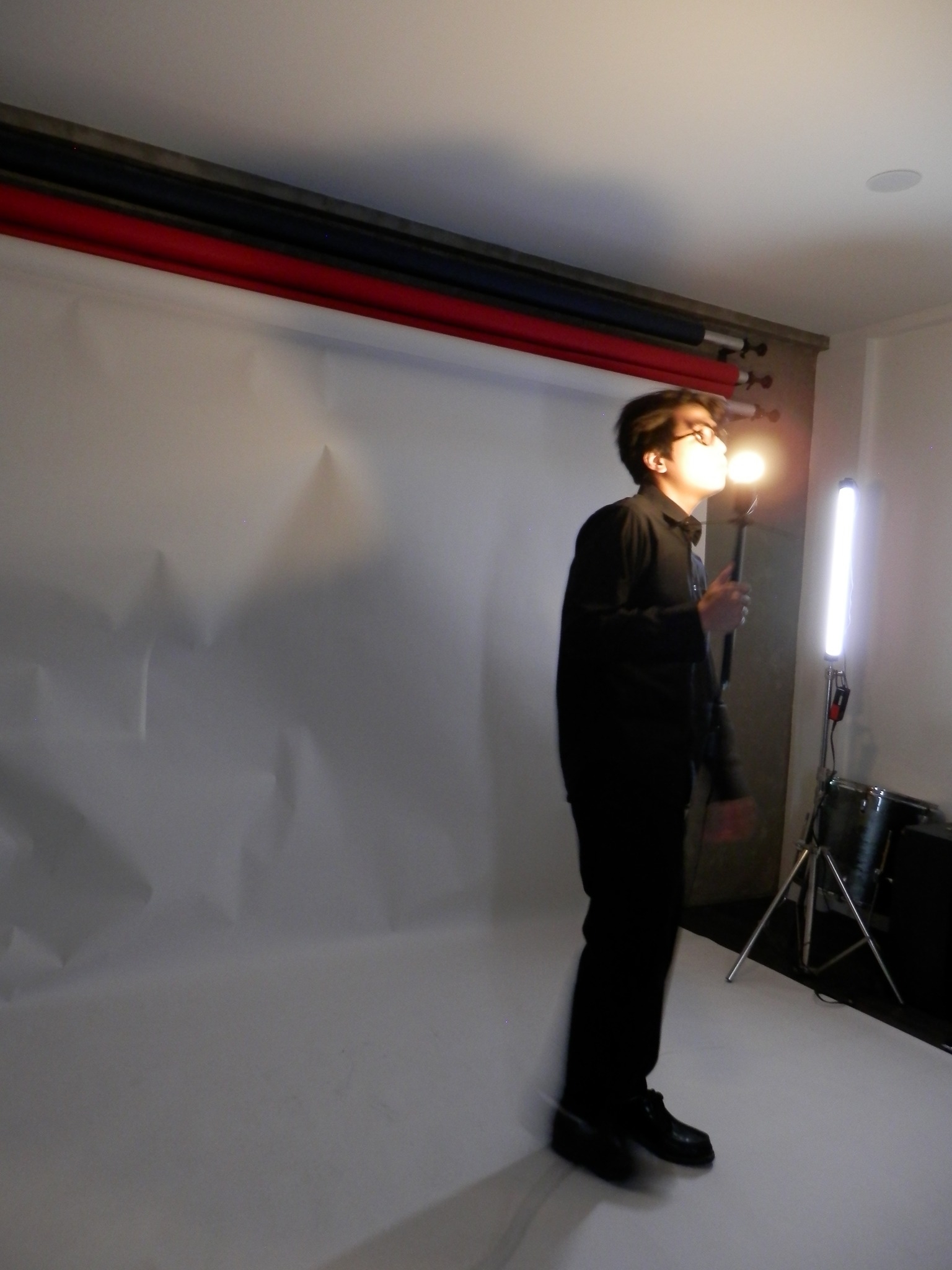
The singular author of his work, Jason Fernandez, is a textbook solo artist. His brainchild, Hazylazy, remains his closest collaborator, revisiting the Antagonisms demos he released from his bedroom years ago.
Written by Hannah Manuel
Born in the post-internet age, Hazylazy is the project of Tagalog native Jason Fernandez. An indie rock internet secret of the early 2020s, Jason made waves in the (then online) scene as the solo mind behind The Resentment Segment. Tracks like Ultrawanker and Juxtapose were the lockdown anthems that eventually funneled crowds new and old back into dive bars and in-person gig venues. With Antagonisms, Hazylazy reemerges transformed, putting together years of musical exploration into a cohesive and deeply personal thesis.
The genealogy of Hazylazy precedes the act itself. Spending his formative years in Laguna, Jason found his first audience performing with his five schoolmates at fairs in the local Catholic school circuit as Serotonin. In step with the rise of indie bands all over the country, led by the likes of Autotelic and Ben&Ben, the six-piece Biñan-grown band had the classic OPM toolkit at their disposal while somehow still maintaining impressive individuality for an adolescent outfit. Part of this ought to be due to Jason, who composed the original pieces they performed in between covers. Initially writing songs in the drum seat of the band, Jason first made his way to the mic when the band’s vocalist quit. This late 2010s indie rock sensibility transforms into something more atmospheric toward the latter part of Serotonin’s lifespan. When the band quietly dissipated into college and work, the singer-songwriter took to SoundCloud for a new solo project, where a trajectory of his work remains in view today.
From chillwave to jangle pop to neo-psychedelia, Hazylazy is heavily inspired by the wild array of musical inspirations Jason holds dear. A multisensory and multidisciplinary trip, Antagonisms is the matured mastery of Jason’s exploration project years in the making. The singular composer and producer of the album, Jason’s closest collaborator is himself. Many of the tracks are years older than they let on, beginning as demos back when Hazylazy was still in its seedling stages. With an ethos of total authorship and a creative control of the acoustic environment he molds, the indie rock auteur revisits old compositions and converses, eventually completing a years-spanning project long awaited since his last release four years ago. He orchestrates his listening experience down to a T. From the warm decay of lo-fi synthesizers, to drumlines—a channel he is well acquainted with—like heartbeats in their earnestness, the time it has taken to get him here is a reward made even riper for those who were there with him from the start.
Back in time, it was impossible to imagine Hazylazy as real. The adulterated frequencies of the real world were seemingly not the place for Jason’s ethereality. The boundlessness of the net—its lack of physical constraints, its endless archives, its potential for anonymous reinvention—serves Jason well, so well that it is easy to conflate it with the separate and equally boundless entity that is his mind. As time and a return to on-site gigs permitted, the underground bore witness to a new master. From an etiology of melancholy, Antagonisms arrives noisily and unapologetically, not giving a fuck about what the world thinks, blazing a trail through it anyway. A storied creation and a boundless frontier, Antagonisms is something to look forward to on the live stage.
**This interview has been edited for clarity and brevity.
HM: There are songs in Antagonisms and related to antagonisms written with years in between them and the final album. Specifically, the tracks “Another Self-Loathing Demo” and “ANTAGONISMS” which were released four and three years ago, respectively.
Hazylazy: Yes, which is funny ‘cause “ANTAGONISMS” did not make it to the album. But “antagonisms”, it latched on as a name. Nagkaroon pa nga ko ng iba’t ibang album names in mind, and I was trying my best to not use antagonisms because I was telling myself na “Ah may nakarelease na track ng antagonisms, yeah, whatever”. But I figured if that’s the name that works, so be it. I just went for “Antagonisms” even though there already is a song called “Antagonisms” and wala siya sa mismong album.
HM: Is there any relation between the two “Antagonisms”?
Hazylazy: It felt like [the song] started the new sound for me? That’s when I separated from the previous sound, which is the sound that most people have heard from the Resentment Segment, and “ANTAGONISMS” was a big jump from what I usually make. It was a good starting point too, in a way that song started everything. And then lyrically, the album of Antagonisms fits the title. Parang kumbaga the “ANTAGONISMS” as a single, the one on SoundCloud, the sonic aspect and the lyric aspect don’t really fit in the album I’ve made, so I didn’t think to put it in. But looking back, the title really worked with how the lyrics were written: unapologetically saying anything, unapologetically following the sound that you want, not caring about what other people say to me. It’s like being antagonistic in a way, putting yourself first, being selfish quote unquote.
HM: The singly credited composer, writer, and producer of your project. These are songs you’ve written with years in between them.
Hazylazy: Yes, years apart but it’s not as if I’ve been working on those songs for the whole time interval. I just let it sit there and then when I decided I was gonna start recording the album that’s really the only time I revisit the song and there were changes here and there but not so much. I would say just production wise, na may onting adds lang and onting subtraction of things
HM: In a way you’re revisiting a past iteration of yourself as well, in the year you first created those demos. As the sole auteur to your music, what is it like collaborating with a past version of yourself on this album?
Hazylazy: It had a lot to do with self-doubt. I’m pretty sure some artists would find it really difficult and find themselves having second thoughts, na parang “Dapat ba kineep ko nalang yung older version?” or “Am I overdoing it?” It’s more of a struggle in that sense. I would say it’s that. It’s more of a difficult situation rather than a very fulfilling one. But again after finishing the album it was very fulfilling, at the same time the constant push and pull like, “Will you keep the old version?” or after numerous demos, after months pass I’ll think “Did I over do things?” As a solo artist, there’s no one telling you it’s done. Ikaw lang makakasabi na when it’s done. I don’t have bandmates to say na “Tama na yan, you’re overdoing this”. But yes, it’s more difficult than fulfilling, but it doesn’t mean I’m not fulfilled. It’s more struggle than fun. Constant monologue ‘yon, I’d say.
I only feel when a piece is finished is when I’m really happy to listen to it. I am guilty when I say I listen to my songs.
-Hazylazy
HM: Especially for something as multilayered as Antagonisms, I see the difficulty singlehanded authorship of a work can place on you. It must be so pressuring.
Hazylazy: If I must add to your question earlier, of constant struggle and keeping the past self, the past versions of the songs, I would say the best example there would be “SLEAZE PLEASE”. I really struggled telling myself when the song was done. Talagang nahirapan ako. But the idea of that song is really a two-part which I believe I was able to pull off. It’s a prime example of my struggle. I didn’t know how to finish it. Actually at one point pinakinig ko rin sa live bandmates ko. I feel like during the process of making the whole thing, one thing I had to learn is trusting my own gut? That you have to trust your instinct. And what I had to unlearn was asking for feedback way too much. Because being a solo artist, you kinda feel like there is no one else to give you feedback. Ask yourself first. Kasi mas important talaga what I think versus what some other people might think.
HM: You mentioned tracks like “SLEAZE PLEASE” going through multiple iterations during the creation process. When does a song feel finished to you?
Hazylazy: With “SLEAZE PLEASE”, I really had a hard time with the transition of the first and second part. So I had different versions written down, and I tried out different layouts of sound. There was even one version where the spoken word comes in as a standalone with no background music; to me it felt way too long. Yung mga ganun lang. I only feel when a piece is finished is when I’m really happy to listen to it. I am guilty when I say I listen to my songs.
HM: I feel like there was someone that said—I think it was Donald Glover—“I feel like musicians are the only people that can’t benefit off of their own work.” If you’re a chef, you can make your own food, and then people won’t be like, you’re so mayabang.
Hazylazy: During the process of making the whole album, [I usually critique] my own work [like] “Is there anything I can change?” or “Is the flow correct?” I’m just basically judging myself, for lack of better term. Once I’m really happy to listen to it, I feel like I’m going to enjoy listening to this even if as a different person, if I didn’t do this, if I found this album randomly, would I like it? That’s the perspective I get. As a musician, you’re also a music fan. Taking that perspective, would I also feel, as a listener, that it feels finished? Does it feel complete? I guess the main indicator is just how it feels. Very cliche, but if it feels finished, if I feel satisfied with how it sounds. That’s why I said I’ve been listening to the album back and forth a hundred times now. I know it by heart. It’s only because, and I’m not inflating my ego that I’m listening to my album, it’s more of like, what can I change? What can I do differently? What can I do to make it perfect? I also heard this from [Tyler, the Creator].
HM: Were you at Chromakopia?
Hazylazy: Yes.
HM: I’ll ask you about that after the interview.
Hazylazy: As Tyler said, you really have to edit like a scientist. You make music for yourself. That also means that you’d have to enjoy the things you make. Until I enjoy what I listen to, I would tell myself that it’s complete.
HM: And it must be an extra heft of a reward when you take this project on as a solo artist. That must be something that really makes it worthwhile to be working on this as a solo artist.We were talking about it earlier that getting in your head so much maybe you lose the ability to look outside looking in. When you’re not able to escape from the internal monologue.
Hazylazy:. Honestly, it’s just a bit scary working on it by myself. To me, what I’m about to say doesn’t really mean that making this is about feeling some sort of victory. As a solo artist, I just tell myself sometimes if I fail with this record, there’s no one else to blame but me. It’s also a constant struggle as I have that thought in my head while working on the album. At the end of the day, I’m very happy with what I’ve made.
HM: Is the sole burden, is it more of a pressuring thing? Or do you feel maybe a sort of consolation that ‘’I’m not dragging anyone down with me if I don’t do well’’?
Hazylazy: That’s a good question. It’s both, I would say. There are days that I’d be happy to do this alone because I have full control over my time when it comes to production and creative vision. It’s very singular that I have my vision and I just need to follow through. But at the same time, having no bandmates, it’s not really… You know me. I was in a band. During the time creating this album, na miss ko rin. I missed having bandmates. Maybe in the near future, I would like to make new bands probably because I just miss working with people and having ideas from different brains. Probably in the next few years, I don’t know.
HM: You mentioned “Ultrawanker”, Resentment Segment. That era of yours is a step away from Antagonisms. But many people did start their journey with Hazylazy during the Resentment Segment era. I remember watching you early days of the pandemic. I think one year into the pandemic, I remember watching MechaFest 2021.You were performing some of those songs.
Hazylazy: That’s when I premiered “Another Self-Loathing”
HM: I went back to the recording because it’s on YouTube. With [Elev8 Me L8r]. But yeah.There’s a link there. I would describe these words to form a sort of vocabulary of disillusionment. A modern disillusionment.
Hazylazy: You’re right. Lyrically or thematically, the EP shares the same characteristics with the album. Themes of burnout, themes of self-doubt, trust issues, questioning one’s faith. The same themes, basically. But I would say Antagonisms is a more evolved concept. It’s more introspective, I would say.
After finishing the album it was very fulfilling, at the same time the constant push and pull like, “Will you keep the old version?” or after numerous demos, after months pass I’ll think “Did I over do things?”
-Hazylazy
HM: Absolutely. There’s something to say about it. I don’t know if it’s intentional, but there’s a spectrum between resentment and antagonism where resenting is more of an internal act and antagonizing is sort of external. Is the link between the two thematic titles anything you had in mind while you were building the new album?
Hazylazy: I never thought of it that way, but that’s a good catch. Thinking about it, looking back at the EP, you’re right. You’re probably right. The lyrics there would be a bit more inward. Antagonism is more of outward. It involves being selfish and not really caring about what other people think. Some songs could pass off as internal monologue, yeah, but with Antagonisms, it’s more outward when it comes to how it’s written.
HM: How was the creative journey like between those two points in time? And also, with respect to your musical trajectory, what was the creative journey like?
Hazylazy: There was a time that I told myself that I wouldn’t be making music as Hazylazy anymore after Resentment Segment. I just didn’t want to go for it anymore. I’m done with music. I told [my friends] that “Ayoko na, I don’t want to make another EP.” What made me decide that I still want to make an album. The time frame between the EP and the album, it was a constant push and pull. Do I do this? Do I do that? Self-doubting because you’re alone. When I started telling myself when I decided that I’m going to make this album, I really dug deep into my influences at that time. I asked myself what do I want to make? That’s when I decided that I really want to innovate the previous sound. What can I do to create something very original to what Hazylazy is? I’ve been thankful with the amount of music that I’ve been discovering for that time frame. It was a big influence on the music of Antagonisms. It’s funny because the artists that I’ve listened to during that time frame were not even close to indie rock or rock. I became an addict to Tyler, Frank Ocean, New Jeans. That’s why there were those kind of cuts like “OUTFIELD”, the second half of “SLEAZE PLEASE”. It was very much inspired by some of the artists that I’ve been listening to around that time.
As soon as [an idea] pops in your head, just throw it in there and see if it works up until the next day, up until the next week, the next month. Does it still work? That’s one of the principles that I prioritize. Just do it. There’s no cost to being original.
-Hazylazy
HM: You’d say your influences for the album were more… were not explicitly rock or electronic in that sort of area?
Hazylazy: I would say still, a major chunk of it but I feel like the few artists that had a very strong grip on me made its way through the music that I made. New Jeans, Frank Ocean, Tyler. Not necessarily how they sound, but the very principles that they apply to their music is what I’m following.
HM: And on your discoveries about yourself and the Hazylazy principles, do you feel you’ve come to any new revelations along the way to Antagonisms?
Hazylazy: Yeah. One of the best learnings while making this record is just to really… There’s a quote that Tyler said that resonated with me. It just connects to the one I said earlier. He said “create like a child, edit like a scientist.” I keep that to my heart really closely. Especially creating like a child part. One thing I did most during the creation of this album is creating like a child. Just throw in everything. Whatever the idea is, just throw it in. Quickly. As soon as it pops in your head, just throw it in there and see if it works up until the next day, up until the next week, the next month. Does it still work? That’s one of the principles that I prioritize. Just do it. There’s no cost to being original.
HM: The parallel kind of writes itself with what you’ve talked about Antagonisms to be already. I guess it’s not self-serving, but it’s for the self.More about the antagonizing aspect of antagonisms. I wanted to know how you wanted listeners to align. How you wanted them to align themselves to the album. What did you want them to glean from it?
Hazylazy: I’d be more curious to know how they see it. That’s why I was pleased with your observation earlier with inward and outward for receptance, argument, and antagonism. Honestly, there’s no one correct way to look at it. To me, once I have it out there, it’s for everyone to listen to and how they see it. To me, I just want to put a record that I’m happy with and that sounds good, that’s original, that’s never been heard of anywhere, sound-wise. I guess, to everyone who’s going to be reading the article or whatever, I would like to know what they think to all the listeners out there.
HM: Sound-wise, I want to take a break from talking about the album and go back in time into your journey musically. If that’s okay. Correct me if I’m wrong, but I believe crowds first heard your work as Serotonin, a six-piece band from Laguna, self-described on your SoundCloud bio to be “a disappointing multi-layered experience.”I don’t know if that’s updated or not.
Hazylazy: It’s outdated. We were kids and trying to come up with funny descriptions. But yeah, that description, because we have three guitars.
HM: I was going to say, 2016 era is when you started posting your stuff to those music-sharing platforms.But when did you start making music? Did you start 2016 as well?
Hazylazy: Well, as an individual, I’ve been playing with instruments ever since I was 10. Starting with the drums and then eventually guitar. I never really sang up until 2016. But the reason why I started to sing is because the original vocalist of Serotonin left, transferred to another school. I was the original drummer. I was writing the songs back then as a drummer. And then when our original vocalist left, that’s when I went for the vocalist position and guitar as a songwriter. That’s when I met the rest of the band. That’s when we released the songs.
HM: What’s so interesting about Serotonin is that I feel it was very much a product of its time. Starting from 2016, I think, I don’t know, when you guys started releasing music, it really perfectly fit into the zeitgeist of Pinoy Indie post-rock bands. Like the band ensemble outfits from the time. Very much employing the traditional rock band toolkit over programmed instrumentation. I wanted to ask then, how did being in a band inform your later sensibilities on collaboration versus solo endeavors? And on music as a whole. I wonder what being in a band as your first musical pursuit, as you said, did to alter, to rewire your brain musically?
Hazylazy: Well, honestly, being in a band is super fun in itself. Back then, I just wanted, starting Hazylazy, I just really wanted an outlet where I can just do whatever I want. All the ideas that I want, that’s what’s followed. I just wanted another avenue where I can just do whatever the fuck I want. So that’s basically it. That’s how I would differentiate it. I like it when there’s a band or bandmates. I really like bouncing off ideas. But I also enjoy equally being able to follow through with what’s in my head. The fulfillment of being able to make it tangible and actualizing it in song form.
HM: Do you feel that you’ve always been able to accomplish that translation into a listenable track that’s out there? Or do you feel you’ve developed that through the years and with recent releases like Resentment Segment, Antagonisms, you’ve been able to get to that point that this is exactly what you imagined in your head for it to be.
Hazylazy: It’s one of the hard parts of writing for me. Knowing that this is what I really envisioned. I’m glad to say it’s a skill that I’ve learned over the years. At first, it wasn’t really like that. But I feel confident when I say that when I have this creative vision, I already know exactly how I want it to sound like. And being able to translate that into a song, it feels good. Honestly. I would say it wasn’t like that at first, but now, over the years of trial and error, a lot of setbacks, not being satisfied with some of the demos, finding the right sweet spot. It takes time to have that coherence with your vision and the actual piece, right? It’s not instant, I can say. Some songs, fun fact, “Juxtapose” was written in one sitting. And that was one of the very, very, very, I would say, like a blessing to me because some songs would just like churn out, the songs that would churn out, sometimes you would just get super lucky that after doing it in one sitting, you’re satisfied. And some songs would do that. I’m not sure if it’s like that in the album, but I’ll have to get back to you on that. But yeah, it’s not always instant, but there are songs that are really like magic.
HM: SoundCloud, by the way, like a really, really in-depth archive of your transformation as an artist. And I don’t know, I feel, but somehow I feel that, you know, going through your different genres, different outfits with Serotonin, with early Hazylazy, like tracks like “Wordless”, “False Romantic”, “Quicksand”.The time when you had, what’s it called? It’s like logo.
Hazylazy: Yeah. Yeah.
HM: But I was just going to say I feel that even in that, there was this sort of like, ephemeral quality that peeked through. Like not even like Hazylazy, like back in Serotonin, that I felt. And I wonder where that comes from.
I have personal favorite tracks from Serotonin. “She Was”, “Backpacker”.
Hazylazy: Yeah. Oh my God.
HM: Yeah. And I just noticed that there are like atmospheric elements, not that atmospheric, but like elements, textures that you wouldn’t normally see in those sort of like traditional band toolkit setups that you still added into like the studio mix. Same with like “Wordless”.There’s still an electronic ephemera that comes through. And I feel like it really breaks out of a shell and becomes the entirety of, like really develops the sound later in later projects, starting in Resentment Segment.And I just wonder if that came from something, or if like there was something that was always there that inspired you to take that sort of slant, that sort of angle with music production?
Hazylazy: Maybe, not exactly an artist that I’m following. It’s not exactly a sound that I’m trying to go for. But I guess one thing I would say that’s constant ever since. I l always try to make, I always try to find something to make it feel different from what’s currently out there. And like, you know, that’s just my approach. There are musicians out that really hit the bullseye on certain genres. Like some rock bands can pull off the rock sound really, really well and stay through to the genre. And I would say I’m just not that type of musician. I can’t perfect the indie rock sound. I can’t perfect the rock sound. Let me just go on and try to make something different now. And it’s always been the clear reason why I’m still doing Hazylazy. It’s because I really want to find that original sound. So for example, I started a solo project because I’ve been inspired by the solo artists back in 2018, 2019, like Mac DeMarco, Tame Impala. I’ve been inspired with how they’re able to sound like a band, even if they’re solo. They sound different, they sound so original. So I’ve always been in that journey. And I know I’m not there yet, but it’s always been one of my biggest goals. I don’t have to sell out shows. I don’t have to earn a lot of streams. I just feel like I really need to find that original sound. It’s always been like that ever since. That’s why there are elements here and there. That’s very deliberate. I would say it’s a conscious choice to put it there just to have a different feel to it. Just so it doesn’t sound like anything else that’s out there. Because the last thing I want is sounding completely similar to an existing band.
HM: Yeah, where you’d be like, “Oh, you’re like the blah, blah, blah of Manila.”
Hazylazy: Sometimes it’s a fun opener or a fun line to a conversation. But again, if it’s a serious conversation, you just know if a track’s a Hazylazy track. Something like that. It’s the goal. I’m not quite sure if I’m there already or if I’m close, but it’s always been one of the biggest goals.
[The album cover is] very much alike with being a child, where you just don’t really care about the external things. You’re just in there. You’re just in the moment. You’re just creating without any second thoughts.
-Hazylazy
HM: Zooming out and looking at actually the key visuals you put out with your visual artist, Nicolas Salva Cruz, “Cola”. I wanted to know how that collaboration came about because honestly, I first saw the covers for Dreamweaver and the singles you put out leading to the album and I was like, wow, such an interesting album cover. Is that like The Sims or something? So yeah, I wanted to know. Even with Antagonism’s cover, zooming into the pieces, there’s a key visual for each song. Is that right?
Hazylazy: Some of the art that we’ve decided to put there kind of ties closely to the songs but it wasn’t really the main vision at the start. So it’s just a tiny coincidence.
Cola is a really cool guy. He’s super great to work with. Honestly, I saw Cola’s work when I saw Kindred’s album art and also when he made the music video for Toots, Jargon State. But I’ve known Cola from around the scene because I know Cola’s girlfriend, Tamia, way back in college. So I knew Cola in passing. So I just didn’t know that he made 3D art. And honestly, when I was thinking about how to do the album cover, I had this Pinterest board of what I wanted to do. And honestly, at first… My main vision for the album art was supposed to be… It should just be a picture. It should just be a picture. But because of time constraints, I didn’t have time to photoshoot. That’s all that happened. I didn’t have the budget to photoshoot. I didn’t have time. I don’t even want to be in the album art. I just wanted a random picture. A very eye-catching one. That would have aligned with the pegs on my mood board. But for some reason, there were suggestions on Pinterest for 3D, cool 3D art. That’s when I thought, Oh, Cola might be perfect for this. It was a cold message. That’s when I met Cola. We’ve met before at gigs. But that’s just one time. One time or two times. Then I cold messaged Cola. Are you down to do the album art? He’s a super nice guy. The collaboration. We became close friends because of this. We were always on call. But it’s been really fun. The main idea at first is to roll out the singles leading up to the album art. We made characters that would eventually appear in the album art. We decided to do a solid background first. So it’s more in-your-face. The main idea with Cola, I just wanted to feel that the album art looks how it sounds like. That was our goal. We have a base idea of 3D art. Now what can we do to elevate it or make it look how it sounds like? We added the glitch. We added some of the blur. We added the 8-bit. Because there are those elements in the sounds. We wanted to play on the childish characteristics that you can see there. Running around with dogs. Playing by the trampoline. Being curious. To me, the main idea with Antagonisms is more than being selfish. That’s very much alike with being a child, where you just don’t really care about the external things. You’re just in there. You’re just in the moment. You’re just creating without any second thoughts.
HM: Do visual and other sensory elements besides aural come to you as you create your music? Do you see a song?
Hazylazy: When it comes to creating the music, I don’t have other sensory pursuits. But I’d say when producers say different textures to the sonics, I guess that would be it. But that’s still in the hearing.
HM: You definitely have a knack for building lush soundscapes with your music. How would you approach molding the acoustic environment of a track? Because although it’s not intentionally a multi-sensory experience, it definitely is like, wow. It feels like 8D.How do you decide to fill a sound?
Hazylazy: What comes to mind while creating that sound, while creating that song, while producing the song, I just put it in there. It doesn’t have a deep, it doesn’t have a deep meaning. Some ideas that I put there in the album, as in, what’s the right word? As in, like, suddenly, I would say. For example, in “LOUDMOUTH”, the sample there, the beginning sample. I was watching an Alex G live video from YouTube. So that quick talking sample, that was from that video. But that’s because I wanted to sample Alex G. But I ended up sampling the people speaking. And for some reason, the last word he said fit in the sample, “get back”. So I used it for the song. So most of the approach here is like, it just happened out of the blue. And I think it takes a lot of skill to catch that, and to latch on to that, and to say that it’s a good idea. It’s not just random. But I feel like, I can tell myself that I’m lucky, that the idea found its way to me. But I also take myself, being able to catch that, and use those ideas. In fact, a lot of the songs here have samples. And some of these are, as in, it just suddenly came to me.Sometimes while I’m sleeping, or when I’m about to sleep, I would get up from bed, because I was thinking, I just have to write it down. Yeah, there are a lot of those. Believe it or not, the siren things you hear in Loudmouth, that’s from a Pussycat Dolls song. So there are a lot of samples there that really found its way to the tracks, that I really enjoyed creating. But one more, one more I’d like to share. “SLEAZE PLEASE” the lead part. That is from a Beach Boys song.
HM: Oh my God!
Hazylazy: Yeah, so there are a lot. It’s been really fun. I think one of the major instruments that changed the trajectory of the production style of Hazylazy in general, is because of a sampler. In the Resentment Segment, there were no abstract arrangements, none of that quality, but that’s because I didn’t have my sampler then. Now, I’ve purchased one and I’m thankful. Such an ROI, yeah, I would say.
HM: There’s something so boundless about music creation in a post-digital, post-internet era. So I want to ask, how do you plan to translate this sound and concept into a live performance?Is the goal more like a faithful reproduction, or is it embracing reinterpretation through the analog?
Hazylazy: Honestly, at first, while creating the album, I was thinking, how am I going to do this live? Especially with the electronic cuts. I’m so thankful with my live bandmates because we were able to work on the songs and translate it well live, I would say. We’ve tried it out last weekend. And I feel like that’s the magic of Hazylazy shows. You get a different Hazylazy live, and it’s a more powerful experience, I would say, since it’s louder, it’s more compact. Every bandmate just has something to offer skill-wise. I embrace interpretation—but not too far. There are some elements I’d like to keep alive, like some samples that I’d love to keep alive. I guess they’ll see that in the album launch.
HM: I wonder, you’ve been performing since pre-pandemic. I hate saying the word pandemic. It’s a turning point event, and I feel it’s very important to our recent music history.Recent happenings in music. You’ve performed in pre-pandemic venues, like Route 196. I wonder how you would compare gig culture pre-2020s to today, which is a heavily hyper-internet, hyper-digital setting, where everyone has an electronic setup in their sets.People can play samples from their songs, like click tracks and everything. Any particular transformations you’ve observed in the space, and maybe in yourself as a gig-goer, and now with Elev8 Me L8r, an organizer, and sort of creator of the gig, propagator of the gig.
Hazylazy: I admire the evolution from 2019-2018 era to how the music scene is now. Technologically, yes, you’re right. We’ve really evolved. Honestly, way back then, when I used to play Saguijo or Route 196, that’s one of the things I’ve been looking for. How do I make this possible? Way back then, before the pandemic, there were Hazylazy sets. I was always thinking about how do I do the backing track? It wasn’t that accessible. It’s just really hard to communicate in venues. Not really hard, I would say. It’s just not usual. It’s just unusual to communicate. At least, from my experience. I’m pretty sure the other pros out there were already doing that. But me, I don’t have experience with it. I just couldn’t take the first step. But now, well, at least most, where I’m always playing, I’m just thankful that their team, Jude, are very accommodating with these kinds of setups. It really allowed me to feel that what I envisioned my live sets to be is possible—not to say that it wasn’t possible before—I guess venues are more open to it now. I just really admire the evolution. Hyper-digital, as you said. I would say it’s really changed. While back then, social media was already a thing. That’s where you promote your stuff. It needs to be more rapid nowadays. And I’m afraid I’m getting too old to keep up with how rapid everything’s going. With TikTok and everything.
HM: But to give credit where credit is due, I do feel you and the rest of Elev8 were a present and very active community presence during the shift from online to offline. I remember one of the earliest gigs, I feel, coming back IRL gigs. It was Shoplifters United at Motorista back in 2022. You were sessioning for (formerly Maryknoll) back then.
Hazylazy: Yeah, the gigs started after that. I feel like we just really wanted to harp on that momentum coming from the online shows that we’ve been doing as Elev8. Like how we try to innovate online live shows. Back then, we tried to apply that same principle in our live shows. Try to do something different. But yeah, you’re right. We were active. But as Hazy Lazy alone, it’s pretty hard. It’s hard to keep up. Baka naging tito lang ako.
HM: But yeah, I mean, definitely, I feel what’s made, what’s colored this era of gigs is how very post-internet it is. Especially with entities like Elev8 that existed from, was born from the internet. That’s their nesting ground.Yeah. Do you feel that it’s a change for the better? Are you excited looking forward to further evolutions of music and gig culture?Are you going to be there for the ride?
Hazylazy: Yeah, for sure. I’d be happy to see it. We can’t really predict that I’d be present-present. But I’m pretty sure I’d be watching from afar if ever, if ever it happens. I take a break from music. For the future.
HM: Don’t.
Hazylazy: [laughs]But like, I’d be happy to see the local scene evolve. I’m sure we have the, we have a very good foundation right now. Like, we have the right formula to bring us forward, I would say. And they’re also young. Yeah. The young people, they’re so good and very smart with their promotions, I would say.
HM: Okay. What’s next in store for, maybe not even just Hazylazy. Are we gonna see a comeback of Report Error, Serotonin?
Hazylazy: Ooh, that’s a deep cut. Honestly, okay, I miss the band. I miss the boys. I hope we can link up. Link up? Yeah. But, we’re still getting along. Our relationship is still good. We still treat each other as like…
HM: Yeah, I think the last gig wasn’t too long ago.
Hazylazy: Yeah. But we never got to be complete due to personal stuff then. Every band member is doing their own thing. Super proud of them. But yeah, Report Error, probably. Let’s see. I still have the energy. But right now, all I’m thinking about when it comes to what’s next, after the album launch, maybe just take that quick vacation or reward myself with like, you know, video games and travel, probably. But like, Yay! But like, personal life first. If I ever felt like there’s a strong urge within me to write another record, then why not, right? But we’re not sure. We don’t know that yet. We don’t know when. We don’t know how it will sound like. But pretty sure if there’s another Hazylazy record, it’s not gonna be a duplicate of Antagonisms. It’s always gonna be different. Every time. Something different. At least, not exactly the same, but I will always try to make something different.
Nostalgia has countlessly been labelled as the key ingredient to dream-pop, but how does the power of friendship and utter passion from the DIY heartthrobs of Matoki give meaning to the music?
Written By Faye Allego
When they were just teenagers, Vladymir Estudillo, Yancy Yauder, and Emmanuel Acosta formed MATOKI originally as a three-piece band. As the roaring 2020s rose to uncertainty, they found identity through the alternative scene and beyond the confines of their bedrooms – their stylistic sound of choice? Shoegaze that is desired to pour out dreampop melodies that send the listener into a Sputnik-like orbit of nostalgia. The trio then decided that three could turn into six, and thus entered Ivan Casillano on drums, Kiyan Leal on tambourine/vocals, and Kendrick Tuazon on rhythmic guitar.
Recently, a Facebook post from the page “Local Music Watch New England” circulated across my newsfeed. It says something along the lines of: “They’re not ‘just’ a local band. They’re the soundtrack to your town. Support them like they’re already famous.”
Throughout the trajectory of their journey, MATOKI has amassed over 8,000 monthly listeners and more than 300,000 streams of their singles, “Strawberry Girl” and “The Streets,” both of which belong to their debut album, And Mend All Your Broken Bones.
Achieving these big numbers independently with no attachment to any big company or label and strictly relying on their authenticity and community within the underground music scene, the band captures the true essence of DIY through touring in and outside Metro Manila. Their live performance not only differ in stylistic choices of whatever they desire that day but they also differ in the range of venues they play whether its at your local venue in QC, Makati, performing at Marikina Heights during dinnertime, capturing the hearts of students at RTU, PUP, UP Diliman, UP Baguio or even supporting causes from ARPAK KMP, SAKA, and many more college gigs. Through their dreamy echo chambers of polyrhythmic guitars seen in tracks like “Sarado Na Ang Makiling Trail (At Wala Na Kaming Mapuntahan)”, coming-of-age anthems like “Lemon” and heightened senses of wonder in “Paotsin”, MATOKI stays loyal to their DIY manifesto.
**This interview has been edited for clarity and brevity.
FA: What’s it like touring outside Metro Manila (especially the Under My Skin tour), and what makes it different from performing in venues like Mow’s?
Vlad: Sobrang kakaiba yung excitement everytime na tutugtog kami na malayo sa usual at unfamiliar sa amin. Yung thought talaga na “nasa lugar ako na ‘to dahil sa music namin”, sobrang powerful nya para sa akin. As a DIY band din gustong gusto ko palagi yung challenge, kung paano pagkakasyahin yung resources, yung pera at energy. Sa recent tour, sobrang humarap kame sa challenges financially kaya right there and then pinagusapan namin kung ano ang mangyayari. Ayun, na resolve naman. Palagi kami nagkakaroon ng lessons kung ano ang mga bagay na effective at hindi kapag touring outside Manila.
Yancy: Personally, magkakaiba kami pagdating dito eh, ako kailangan ko tipidin yung energy ko, mula sa byahe palang kailangan ko na tipirin yung energy ko, hanggang bago tumugtog. May excitement oo, pero alam kong kailangan ko limitahan yung energy. Laging may bubulong na “Oop, wag muna magkulit!” unlike sa Mow’s, mas sanay kami sa environment. Usually mga kakilala rin nakikita namin dun. Nakikita ko kase sila Vlad kaya nila mag kulit kahit wala pa kami dun sa pupuntahan eh. Tapos naiingit ako kasi di ko kaya yun.
Ken: As a DIY Band that has to, well, do everything by ourselves, we could definitely say that it’s financially, mentally, and physically draining. We just always make the most out of our very minimal resources and just doing everything with raw, pure, and unending passion. What makes it different from performing in venues that are close to home is that it’s always an experience. It’s always a mixture of excitement, anxiety, and serenity. But it’s a good thing that anywhere we go, the support from our friends and supporters are also there.
Kiyan: Syempre excited ako parang looking forward ako sa ibang culture at eksena tyaka sa mga bagong taong makikilala. Isa pa yung pinaka favourite ko yung kulitan sa biyahe, papunta palang andami mo ng ma experience agad.
FA: Yancy, may mga panahon bang naisip mo na sana lumaki ka sa ibang lugar o panahon yung mas buhay pa ‘yung mga music subculture?
Yancy: Madalas namin yan mapagkwentuhan dati ni Vlad eh, bago pa ata mabuo ang banda. Hindi ko lang sure sa kanya, pero ako ‘di ko talaga naiisip yung sana lumaki ako sa ibang lugar o panahon, kahit pa mostly ng pinapakinggan ko at influence na din talaga dati e galing isa ibang lugar at ibang panahon nga, I can say na iaadmire ko sila pati na din yung buhay na eksena nila noon pero never ko naisip na sana lumaki ako dun sa lugar nila or sa panahon nila.
FA: Naapektuhan ka rin ba ng mga alaala sa paraan ng pagtugtog mo ng bass?
Yancy: Yes, kapag nagrerecord ako ng bass sa mga tracks namin, sinisikap ko lagi ipicture yung sarili ko na andun sa setting nung kanta, or ifeel yung ineexpress nung kanta, nakakatulong yon para ma-tap ko yung ilang alaala na kung hindi man kahawig e eksaktong katulad nung gustong iexpress nung mga kanta namin, tapos ayon mula don kung ano lang din yung maramdaman ko sa mga alaala na yun isasalin ko lang din sya sa bass
FA: When composing a song, which members think of a melody first? Do you all have to be present IRL in the writing process?
Vlad: Most of the time talaga sakin nanggagaling yung main idea ng songs, katulong ko si Kiyan madalas, then we build from there. May time na si Emman nagsusulat din ng kanta tulad nung “For Choco“, pero ngayon ayaw niya na eh. Joke lang haha. Pero usually talaga pag may naisip akong idea, kukunin ko yung gitara, tapos sabay ko bubuuin yung melody at chords. May times rin naman na magkakasama kami, tapos may mabubuo rin. Tulad nung unreleased namin na “Patiently“. Depende talaga sya sa motivation at araw kung makakabuo ng song.
FA: Emman, Paano mo nade-develop ‘yung sariling style mo sa pagtugtog?
Emman: Siguro malaking bahagi yung mga influences pagdating sa style ko. For the past few years na-solidify sa akin bilang main inspiration yung post-rock guitars na tingin ko ay bagay sa sound ng Matoki. Pero kung sa totoo lang masasabi kong main influence rin talaga sa style ko yung mga kabanda ko lalo noong nag-uumpisa pa lang kami, noong hinahanap pa namin yung magiging sonic identity namin. Malaking bahagi ng style ko ay nabuo mula sa mga music recommendations nila.
FA: Whenever you perform live, paano niyo nakakapa kung saan kayo mag lalagay ng improvised riffs that differ from yung original recording?
Emman: Pagdating naman sa live performances, sa totoo lang, malayo talaga kung icocompare yung live at recorded versions ng mga kanta namin lalo na yung mga older songs. Masasabi kong magkaibang realm yung live at recorded sound namin (compare Fine Lines vs. Fine Lines (Redone)), siguro dahil totally different environment at methods yung nag-eexist pag nagrerecord kami at pag nag-jajam live (dahil nga DIY recording lang maraming limitations lalo sa drums). At siguro dahil di rin namin strictly sinusundan yung recorded version kapag nagjajam sa studio. Malaya lang kami gawin kung ano trip namin idagdag pag live.
FA: Paano niyo isinasalin o ipapahayag ang komplikadong anyo ng pag ibig sa mga layered at textured na tunog ng musika ninyo? tulad ng riff mo sa “Fine Lines”
Emman: Sa tingin ko, nagmamatch yung songwriting ni Vlad sa mga soundscapes na nagagagawa namin. In the first place, pansin ko sa ethos ng Matoki, ay ayaw niya maging complicated, simple lang, barefaced at raw. Kahit pa di naman necesarily simple per se yung mga themes ng mga kanta. Kaya nagtatranslate din yung ethos na yun syempre sa tunog ng banda, simpleng riffs na melodic; parang galing sa isang “honest young heart”. Minsan droning reverbs, atmospheric na patong-patong na guitars, malaki yung sound pero di naman siya complicated, tunog “wandering young mind”.
Tingin ko [‘yong Scrapyard ay isa] sa magiging iconic na lugar pagdating ng araw. Napaka-modest at rugged, napaka-Filipino, kaya sobrang disctinct din talaga ng mga lumalabas na mga art doon. Meron talagang characteristic ng pure passion for music and community.
-Emman Acosta
FA: Paano naging tahanan para sa Matoki ang bahay ni Vlad sa Pasig? Assuming na marami kayong nabuong mga kanta, album, ep, etc. Doon, ano mga core memories niyo while mastering mga productions niyo kina Vlad?
Yancy: Mas effective na makapag work, sabihin na natin sa isang track, para sakin, kailangan maramdaman ko muna yung cozy na pakiramdam, o makomportable doon sa space namin kela Vlad. In a sense na pwede ka abutin ng umaga. Tapos di ka pa mag aalala sa pagkain, kase mejo sentro yung location ng bahay nila eh, malapit sa mga sari-sari store sa mga talipapa ganyan. Core memory ko palagi yung mga times na mag bbreak time kami sa pag gawa, tapos kakain kami sa almusalan na malapit o kaya bibili pandesal sa umaga, tapos everytime na ganun habang kumakain pinaguusapan parin yung kanta.
Vlad: Core memory ko talaga yung nag record kami ng “Lemon” tapos pinagkasya lang namin yung buong drumset sa kwarto ko na halos isang dipa lang yung lapad. Sobrang init nun tas shirtless kami lahat. Isang core memory din yung nilabas ko yung setup ko sa dirty kitchen namin sa likod ng bahay, kasi bumabaha sa kwarto kapag umuulan. DIY!
Kiyan: Kung may core memory ako syempre yung pinaka una pa, noong mga first time ko sumama sa kanila. Naging comforting siya sakin lalo noong mga times na hindi ako okay sa bahay tapos dito ako nagste-stay kila Vlad. Tapos gumagawa lang kami ng mga demo. Dun na rin ako natutulog. Naging core memory yun kasi dun na ako nakakapag cope.
Emman: Kakaibang space talaga yung bahay nila Vlad. ‘Di lang exclusive sa Matoki yung lugar na yon, naging iconic center rin siya ng iba’t ibang DIY artists at collectives at naging venue ng mga full band shows, film screenings pati mga educational discussions. Bilang member ng Matoki nakita ko yung evolution ng bahay nila Vlad bilang creative at community space. Dati tawag pa namin don ay Volzak studios noong kami-kami pa lang hanggang sa naging Scrapyard at Dinosaurs in my Studio nang mabuksan na siya sa mas maraming tao. Tingin ko isa yon sa magiging iconic na lugar pagdating ng araw. Napaka-modest at rugged, napaka-Filipino, kaya sobrang disctinct din talaga ng mga lumalabas na mga art doon. Meron talagang characteristic ng pure passion for music and community.
Isa ring bagay yung kapag trip na trip mo yung genre ng banda mo natural siya na lumalabas e, lumalabas lang kusa yung mga ideas minsan habang tumutugtog o kaya sa studio o kaya minsan sa pag buo ng kanta.
-Ivan Casillano
FA: Ivan, bilang drummer ng Walktrip bago ka naging bahagi ng Matoki, paano mo hinubog ang sarili mong role bilang drummer ng bagong banda?
Ivan: Bago pa ako maging member ng matoki soundtrip ko na rin talaga sila, naalala ko unang house show kela Vlad tumatak sakin yung kantang “Strawberry Girl” na-LSS ako lalo na yung bass part ni Yancy ang ganda lang kase pakinggan tumatak yon sakin. Simula nun soundtrip ko na siya hanggang sa na iimagine ko na siya kunware ako pumapalo. Masasabi kong masaya at di naman ako ganon nahirapan mag adjust kase trip ko din talaga yung pinaggagawa namin sa Matoki, tsaka kusang lumalabas yung pagiging creative makabuo ng part ko bilang drummer sa mga song writing lalo na pag iisa kayo ng naiisip at nag kakasundo kami. Isa ring bagay yung kapag trip na trip mo yung genre ng banda mo natural siya na lumalabas e, lumalabas lang kusa yung mga ideas minsan habang tumutugtog o kaya sa studio o kaya minsan sa pag buo ng kanta.
FA: Anong mga pagbabago o adjustment ang kinailangan mong gawin sa style o mindset mo sa pagtugtog?
Ivan: Siguro ano, iniisip ko lang na wag makuntento ganon, kailangan practice lang nang practice para di rin mawala yung gigil mo kada gig tsaka maging healthy din tinatry ko talaga umiwas mag bisyo kase nakakapagod maging drummer sa totoo lang nakakahingal [laughs]
FA: Para sa inyo, ano’ng pinaka-masaya o pinaka-fulfilling sa pagiging DIY at sa pagkakaroon ng buong kontrol sa galaw ng banda?
Vlad: Sobrang fullfilling maging DIY band dahil sobrang genuine ng lahat ng lumalabas sa amin. Kahit sa sound mismo ng music, yung technicals, yung mixing and mastering, sobrang rough around the edges kasi kami lang gumagawa nun. It could be better, of course, pero that quality is just us being honest about what we have. Still, nag-strive parin naman mapaganda pa yung music quality-wise. Fullfilling din kapag may natatanggap kami na support, kasi I just know na genuine din yun. And we also feel more connected as a community, rather than having a definite line between artist and listener, mas bineblend yun ng DIY underground scene kasi honestly, we’re just like them, no different. Mahilig din kami sa music, at most of the time, we stand by the same issues and advocacies. Speaking of, sa pagiging DIY din, we can say what we want nang walang nag hoholdback, so we can voice out our opinions about things that matter in our society freely.
Photo from Ian Arevalo/505
Yancy: Isa sa pinaka masaya at fulfilling para saken ay yung mismong ideya ng DIY na kayo bahala sa lahat, kung paano kalalabasan dapat ng isang track at kung ano yung gustong sabihin sa kanta na yun, walang naghhold back at syempre walang external factors na galing sa ibang tao bukod sa amin. Feel ko mas nagiging malaya at genuine kami sa ganung paraan, isa na din yung pagkakaroon ng buong kontrol nga sa galaw ng banda, sa ganong paraang mas nagiging malapit kami sa mga tagapakinig kasi kami mismo most of the time gumagawa ng paraan para mailabas sya sa streaming platforms, matugtog yung mga kanta namin sa mga gig, hanggang sa pagse-sell ng mga merch at ng mismong kanta, fulfilling sya lalo nakakatanggap kami ng suporta mula sa mga kaibigan namin sa eksena sa DIY underground. Naaalala ko dati kami kami talaga nila Emman nagbuburn ng mga CDs sa kanila, tapos kasama namin sila Yones sa pagaayos nung mga lalamanin ng CDs (tracklist, artprints, stickers) may mga times din nun na pag around Pasig lang ang order ng mga merch sila Vlad at Kiyan mismo tumatagpo sa mga nagoorder.
Kiyan: Isa sa pinaka naging core memory ko ay nung mismong ang pag produce ng mga merch namin ay isa sa naging bonding namen ng team, mula sa pag hahanap ng raw materials hawak namin CD case, CD, brand ng shirt at sa mismong pag quality control kami narin.
Ken: Fulfilling sa pakiramdam na meron kaming control sa galaw ng banda. I mean, yun rin naman yung essence ng pagiging creative. Siguro yung masayang pakiramdam na nakukuha namin dito is, yung feeling na nakikita namin nag wowork paunti-unti yung mga bagay na gusto namin na ini-envision lang na mangyare, Although madalas di yun yung ineexpect na result. Pero, at the end, we are making something happen with the help ng bawat isa. As the latest member lang ng Matoki, siguro mag didiffer ang core memory nila saken pero para saken yung Under My Skin tour. Ramdam talaga lahat ng emotion. Inside Out core memory talaga.
Nadevelop namin magkaintindihan sa mga bagay bagay, nagkakaron ng shared love sa ilang specific na approach at arrangement sa paggawa ng music.
-Yancy Yauder
FA: You started out as just three members in a band, and now you’re a six-piece, all growing together as young adults with different personalities but all sharing a love for music. How has that shift in time affected how you move as a group?
Yancy: Nung tatlo pa lang kami, early post-pandemic hanggang early 2023 sabihin na natin na we spent time together talaga as a band most of the time, posible sya noon kasi online classes pa yung school sa amin tatlo e kagagaling lang pandemic, nagagawa naming magsama sama pa din kahit may pasok yung isa sa amin tapos asa 1st year pa lang kami nun 2nd year ganyan, nung mga time na yun din mas nagiging posible yung bonding na paggawa ng music, pagpunta kung saan saan, pagkain at pagtulog ng magkakasama sa isang kwarto.
Tapos ayun, dahil nga madalas magkakasama, nagkakaron kami ng shared thoughts or minsan kanya kanyang reflection sa mga nangyayari sa amin bilang magkakabanda, malaking tulong din yun sa creative process namin kase nadevelop namin magkaintindihan sa mga bagay bagay, nagkakaron ng shared love sa ilang specific na approach at arrangement sa paggawa ng music, isang halimbawa na lang ay yung sa creative process ng “Ayoko Ono”, lahat kami nung time na yon, gusto lang gumawa ng shoegaze track na mabigat pakinggan at taglish yung lyrics pero at the same time ay less is more yung pagkakasulat, tapos ayon na, may track na agad. Pero syempre as time goes by, bukas naman kami dun na unti unti pabalik na ulit yung “new normal” na routine ng buhay natin around early 2023 din, nagkaron na ng mga onsite na klase, nagkaron na din ng oras para sa hustle para kumita ng pera at masuportahan yung sarili at yung craft na ginagawa namin, as in dami na nagbago din lalo sa creative process dahil nagkaron na din ng limitasyon yung band time, may mga times na online na lang kami nagkakaron palitan tatlo nila Vlad at Emman, unti unti din nun nadagdagan na kami sa banda, andyan na Ivan at Kiyan, nagkaron ng mas malaking pagbabago sa banda at kung paano sya nakakapag work pa din as a group, siguro sa kasalukuyan ang pinaka naging itsura nya ay ganito, madalas mas si Vlad na lang ang nagsusulat at naglalapat ng guitars tapos minsan din share sila ni Kiyan sa isang track, medyo naging limitado na yung makapag input ako or si Emman sa songwriting process, bihira na din mabuo pag may recording, recently si Ken pinaka bagong member namin sya na katulong din ni Vlad sa pag iinput ng ilang guitar parts sa ilang tracks na ginagawa namin ngayon as a band.
FA: Do you ever fear yung mismong oras na lumilipas?
Yancy: Oo siguro, may fear sakin sa bawat araw eh– na pano kung lumipas lang ulit tong araw na to na wala ako masyadong nagawa para sa mga bagay na gusto kong ginagawa at gusto kong maging hahahah, may fear oo, kasi lagi pa nga din akong may baon na pang soothe sa sarili na “ayos lang yun kailangan lang din natin huminga sa oras na to para sa mga susunod na araw mas kayang higitan yung dati”
FA: Kiyan, ang creativity, skill siya na kailangan talagang alagaan kasi once mawala siya, mahirap na siyang balikan. Sabi mo nga, ang dami mong nakikilala at nakakasama tuwing may tour. Paano ka nananatiling inspired sa creative side mo, lalo na’t ang dami mong roles in and outside of the band?
Kiyan: Sa totoo lang, may mga oras paden ng burn out, hirap ako sa pag handle ng creative side ko at madalas na uuwi ako sa pag self isolate, pero everytime naman makikita ko yung needs at struggles ng banda at mga kabanda, onti-onti kong nahihila yung sarili ko pabalik, sa simpleng pag tulong lang kase kagaya ng pag ayos ko sa gitara ng mga kabanda nakakaramdam na ulet ako ng spark kase alam kong nakakapag express ako ng art ko sa ganong paraan.
FA: Pati din mga fashion style ninyo, parang pwede na ata kayo mag karon ng cover sa Oz Magazine nung 70s era eh… do you pay attention to certain fashion identities dito sa eksena?
Kiyan: Wow, sa totoo lang, diko alam eh. Madalas naman kung ano lang yung masuot namin, saaken non dati basta black tapos nag evolve sa “ay gusto ko to kasi cute” sa simpleng uniqueness ng isang damit na appreciate naman na namen, floral patterns, zipper sa kung saan mang parte, skulls, cute na skulls, kulay purple.
When i first started trying music i always had this inner thought na better gear equals better music, although i know deep inside na hindi naman, i always strive to get better gear imbes na mag start ako gumawa ng mga kanta. When i saw the process of Matoki face to face naging malaking sampal saken na they were able to create something from nothing na parang big bang.
-Kendrick Tuazon
FA: Kung may masasabi kayo sa mga sarili niyo noon, ngayon, at sa hinaharap tungkol sa takbo ng career niyo, what would you say to them?
Vlad: Masasabi ko sa sarili ko dati, “Wag mo masyado ipressure yung sarili mo sa mga bagay bagay. Take it easy, okay naman dito. Saka mag practice ka mag mix araw araw.” Sa ngayon, di ko alam eh. Sa future self ko naman, “Wag mo kakalimutan kung bakit ka gumagawa ng music.”
Yancy: Sasabihin ko sa noon na ako, “Tama yan, pinili mo yung mas gusto mo kesa sa tingin mo na mas dapat gawin ng mga kaedaran mo dati.” Sa ngayon naman, “galingan mo lang palagi, YG!”. Sa future na ako, “Kahit ano mangyare, proud sayo yung batang ikaw.”
Ken: Sa sarili namin noon, masasabe ko lang na marami kayong regrets ngayon pero alam kong sinubukan yan i-handle ng mabuti ng kayo ngayon. Sa sarili namin ngayon, kailangan natin kayanin para sa hinaharap natin. At siguro “kamusta?” nalang sa hinaharap namin.
Kiyan: Yung sasabihin ko sa noon na ako, alam ko sobrang nakakaligaw diyan, wag mong kwestyunin din yung pinili mong landas kase lagi mo namang trinatry na umokay yung kalagayan mo. Sa ngayon naman na ako enjoyin mo pa yung proseso at wag kang mag sawang tumuklas ng bago kase lagi kapaden nag tatry. Sa future na ako sana hindi kapa pagod mag explore at gumugusto ka paden subukin ang limits mo.
FA: Ken, Sabi ni Vlad dati na ikaw yung missingpiece ng Matoki, bilang pinaka-bagong miyembro, ano ang mga inspirasyon (or emosyon) ang tumama sayo habang pinapanood mong gumagawa or tumutugtog mga kaband member mo/ paano mo naramdaman na parte ka na talaga ng grupo? Narereflect ba yun sa mismong rhythmic style whenever you’re performing with them live?
Ken: Sobrang laki na inspiration ng Matoki sa paggawa ko ng kanta, na kahit miyembro na ko neto masasabi ko na big fan ako ng Matoki. when i first started trying music i always had this inner thought na better gear equals better music, although i know deep inside na hindi naman, i always strive to get better gear imbes na mag start ako gumawa ng mga kanta. When i saw the process of Matoki face to face naging malaking sampal saken na they were able to create something from nothing na parang big bang. Dun sa sinabi ni vlad na missing piece ako sa banda, I think the same applies to them for me, sila yung push na hinahanap ng utak at katawan ko sa paglikha. binago ko yung playing style ko to blend in (which i enjoy). Pero naramdaman ko lang na naging part ako ng banda nung pinaramdam nila saken na nahihirapan sila na maging kabanda ako. but thats for another story 🙂
FA: Do you find any pressure or freedom in being seen as a “Heartthrob” or figure in the scene? Does it affect your musicianship, if at all?
Ken: HUWAAAAT MAY GANUNN…buong Matoki heartthrob, boi… Ang nakakaapekto lang sa musicianship ko ay ang hindi pag practice 💔🥀
FA: Vlad, paano mo pinagkaiba kung alin ang dapat gawing kanta at alin ang mas bagay manatiling personal na tula?
Vlad: May something sa mga sinusulat ko na bigla nalang mag cclick e, may bulong sakin minsan na gawing kanta ang mga random na sinusulat ko, ganyan nagsimula ang ilang kanta namin, example nun yung Ohana. Yung kantang yun, tula siya, nasulat ko siya sa notes app ko, tapos naalala ko lang siya nung patulog na kami sa bahay ni Emman after mag record ng isang kanta. Nirecord ko yun habang tulog sila. Ganun na rin yung sa ending part ng “…Makiling Trail”. I’ll say na walang pinagkakaiba ang mga tulang sinusulat ko sa mga kanta, parehas sila ng pinanggagalingan at most of the time, pareho ding di nagrrhyme. Pero kung meron man, siguro if it’s simpler or more brief to fit into a melody, or recite into rhythm, I guess it’s a song. Minsan di rin sa tula nagsisimula e, sa mga simpleng kataga lang, katulad nung sa kanta naming “Malimit”, ang coda na “Nandito lang ako, sorry kung malimit maglaho” that just started out as that phrase and we developed it into a song. For me, poems and songs take the same route, but of course writing a song needs to have that musical charm to it.
FA: Sino ang songwriting Jesus mo?
Vlad: Marami akong tinuturing na messiah ng songwriting spirit ko, honestly it varies from time to time, like asking me my favorite bands, I’ll say it’s complicated. But if I could answer specifically right now I’ll probably say Sam Ray of Starry Cat and specifically on the Julia Brown project. I liked how they say simple things and turn them into songs. I always say it’s the simplest things that hit the hardest, the most mundane things most interesting. Runners up that come to mind are the various, mostly local pinoy artists who were the reasons I cherish my soundcloud account, one of them being my favorite Heavenly Nobody.
Tingin ko ang pagmamahal ay tungkol sa connections that we make with different people kahit na fundamentally we are all different beings. When we find something that we bond with together. It’s like they’re filling empty puzzle pieces you didn’t know you had until you feel it.
-Vladymir John
FA: What can you say about your songwriting or instrumental muses? Do they bring the music to you, or do you express your love to them through music?
Yancy: Kapag inilalaban mo parin na maglabas ng something or magexpress gamit music, diba parang nag pe-payback ka narin sa mga taong naniniwala sa ginagawa niyo at syempre sa sarili mo na din na dapat unang maniwala na posible yung mga bagay?
Kiyan: contradiction sya para sa akin. Minsan kahit sa pag express ko ng thoughts ko, ang naiisip ko agad eh kung maiintindihan ba to ng makakabasa? tapos nag lilinger lang yung thought na yon saakin, kahit mag express ako ng para sasarile ko, feel ko may manifestation nadon ang pag isip ko sa ibang tao.
Ken: Siguro both. Sometimes, sila nag bibigay ng inspiration for us to create something out of what we think of them, and vice versa. We sometimes express our love for them through music. Though, di naman siya nag rerevolve sa significant other lang. It could be our friends, the music scene, yung crush mo nung highschool, sa aso mo, sa mapang aping estado, kahit hanggang sa paborito mong inumin. The good thing about songwriting muses is never yan mawawala.
FA: With that being said, ang pagmamahal ba ay mas tungkol sa koneksyon sa ibang tao o sa pagiging mag-isa/solitude?
Vlad: Primarily, kapag nagsusulat ako, it’s also my way of letting my thoughts flow out of my head. Lalo na kapag overwhelming. Swerte lang rin ako na naeentertain ng bandmates ko yung thoughts ko kahit ang corny minsan. Tingin ko ang pagmamahal ay tungkol sa connections that we make with different people kahit na fundamentally we are all different beings. When we find something that we bond with together. It’s like they’re filling empty puzzle pieces you didn’t know you had until you feel it.
FA: Kaya bang ipahayag nang buo ang pagmamahal sa pamamagitan ng musika, o palaging may kulang pa rin sa mga salita at tunog?
Yancy: Hindi fully talaga masasabi na maeexpress mo sa salita at tunog yung pagmamahal, palaging may kulang sa mga salita at tunog oo, pero isa sya sa mga paraan para masabi mo in the most simplest way yung “mahal kita”, pero ayun hindi pa din sya dun natatapos lang, hindi sya buo ibig sabihin, palaging kasama pa din yung mararamdaman at masasabi ng nakikinig.
Vlad: Feeling ko sa pag gawa namin ng music, attempt lang yun sa pag express at pag decode ng mga bagay na mahirap ilagay into words. Or, attempt siya to say something in a limited canvas, or the runtime of a song. It will never be enough to express the love I feel for the people I write about, but it’s worth every word I give. Also, it’s like saying, “I love you so much that this came out of it.” Naniniwala rin akong hindi lang sa lyrics ma coconvey ang ibig mo sabihin sa isang kanta. It’s the reason kaya major ang influence sa amin ng Post-Rock at Shoegaze. Most of the time, nag sstick kami sa [mantra na] less is more. It also feels very intimate. Lagi ko sinasabi sa kanila na fan ako ng pagtranslate ng “mahal kita” in the simplest ways. That’s how we always try to write music.
Ken: Oo! palagi. Words aren’t enough, that’s why we made it into a song. If it still isnt enough, isasabuhay namin yang kanta nayan.
Michael Seyer, Do You Have What It Takes To Be A Man?
Interview by Faye Allego
Music has been a diary for songwriters for centuries, and Michael Seyer is no different. But how does a man write his legacy?
Memory is ever-changing and sometimes fails to hold still. However, when used in music, we can preserve them forever. In his latest release, Michael Seyer introduces an amalgamation of his memories and experiences on boyhood vs manhood, family, love, and ghosts in Boylife. For nearly a decade, Seyer’s rise from the bedroom music scene has been unhurried and steadily paced – his distinct lo-fi, jazz-tinged dreampop and vintage soul sound originated from his 2016 debut album, Ugly Boy, and is further intensified in 2018’s Bad Bonez. Seyer’s diaristic lyricism, as well as sentimental textures of Japanese city pop and the reminiscent glow of early OPM influences in his 2021 album Nostalgia and throughout his discography, he never strays away from an inward gaze of his identity and perception of love. Talking to Michael Seyer from one bedroom to another at different sides of the Earth felt like catching up with an old mentor from high school, you really learn the essence of ‘dudes just being dudes’ who are really in tune with their passion. During the interview, he mentions that music is all he really knows, and it was said in the same way that Alex G thinks he’s a very boring person, from the receiving end of things, it’s honestly far from the truth.
**This interview was conducted in June 2025 and has been edited for clarity and brevity.
FA: Do you know what Lugaw is?
Seyer: That sounds familiar. You know what? I love the Philippines. I was born there, but I left when I was three or four. So yeah, I just, I didn’t do my very best to keep the good look in my mind.
FA: So, Lugaw is Porridge. Where in the Philippines were you born?
Seyer: I was born in Manila.
FA: Is nostalgia a recurring theme in your work? What role does memory play in how you write music or understand yourself?
Seyer: I write about memory for sure, but it’s not the most overtly “themed”. It’s more in the sense that I write [about] my experiences. So, in that kind of really far stretch of my experiences, are my memories. Mostly, I’m writing about me looking back at certain things, how I am now, you know? Memory drives the music. I tend to write songs or do things in a way where it’s the music that I have found the most fond in my memory; I try to make my music sound in that way, that whole nostalgia EP, I was really into a lot of the Japanese city pop and even a lot of OPM music. I have always been listening to that kind of stuff. Even as a kid, I remember listening to it. I would take things from music that have really affected me in the past and then use that as a jumping-off point. I guess for this recent album, I was writing… a good amount. One of the songs on the new album, “1995”, that’s the year I was born, [and] I wrote that song specifically about the Philippines. The way I remember the Philippines is not– I don’t have a very concrete memory of it. I left when I [was] really young, and I came to America. So, a lot of the stuff that I do remember from the Philippines is really just abstract, senses, taste, and maybe the few images that I do remember, they almost feel like an old film reel that’s [a] really colorful and nothing is really graspable. It’s really ethereal. I was trying to write a song about the Philippines with my very limited memory and my really abstract memory about it. So those are a few ways, I guess, nostalgia or memory comes into play.
FA: Are there any Filipino artists that are from the past or present that you’re curious about, in terms of musical influence, and your new record label, Seyerland?
Seyer: Yeah, that’s a tough thing, right? We’re in a kind of an interesting situation with Filipino visibility, right? There aren’t many artists to really pick from, especially in my lane of music [in the West]. We have that Filipino Pride…Once anyone’s a fucking drop of Filipino, we claim it. That being said, there’s nothing there’s not much range that I could pick from. Obviously, I love all kinds of music. So I am always listening to everything, especially with OPM, Hotdog, and Bong Peñera. My parents would always play Parokya Ni Edgar, Eraserheads. Yeah, it’s… A lot of old stuff. I would love to find some artists that are more contemporary in that lane, and we don’t have that many options to pick from. So I’m just always trying to find new music. and I definitely want to encourage Filipino artists to carve out a lane for themselves, and I want to discover more artists who are Filipino [and are inclined to make] great music. Because we’re a fucking–we’re a musical culture. Nine out of ten of us can kill it in karaoke and belt out of nowhere.
FA: You released your new album under your new independent label, Seyerland. Are there any lessons and niches you have gained in the behind-the-scenes process of starting your own DIY label?
Seyer: Well, you know what? I am only a month into it. I’m not sure if I have any lessons to give anyone, but [a] part of the reason why I want to do this is because I’ve been doing [music] for a really long time– almost 10 years now, and through that process of being forged to release on my own [music], because I haven’t really had any connections. I was just someone who threw a project on the internet and then fell into this. I saw maybe a few people appreciate it, and then at the same time, this is what I love doing. I don’t have any skills besides making music. Since I’ve been doing it independently, I at least would really love to step in and give back to locally based smaller musicians and maybe equip them with small tools that help them slowly build a sustainable career that is pretty self-sufficient because I’ve atleast been able to do that, in some way, it might be relatively modest compared to what other artists have put out for themselves, but I can feel confident to say that I’ve done it myself and I own my own music, I hold no allegiance to a record label or any industry thing. And it is hard as fuck, but I think it’s worth it. In my formative years, I’ve met a lot of super impactful artists, who were cut from that same cloth, where they were like “Oh, we’re doing it ourselves, this is how you do it!” And I [am] definitely taking a page from their book in some ways. I’d love to do that for another artist.
I think you should you should always let yourself be. Especially with being an artist or not even being an artist, but being a person, being a human. I don’t think there is a means to an end to justify humanity. I think it’s a means in itself, just by virtue of experience; there is no end goal to experience or humanity. It’s simply to be.
FA:Boylife is an album that doesn’t insist on resolving the chaos of boyhood, but instead, embraces it. What did boyhood or “manlife” mean to you while making this album?
Seyer:When I wrote the first few songs for Boylife, I remember, I think one of the first ones I wrote was “Boylife”, and it had that little chorus around just saying “Boy Life” over and over again. I love that word. I don’t know why. I think it’s really random, but one of my favorite words is “boy” for some reason. I don’t know, it resonates with me, Ugly Boy. Boylife. And then I wrote that song. Usually, at least for my experience, the album process is you write the first few songs and then some of the first few songs inform the sound and the theme, and then from there, it just comes into fruition by itself. [Then,] you start to write about generally the same stuff. So I wrote the “Boylife” song, and I guess I was in a mood where I was writing a lot of stuff that was pretty related to how I see myself from a formative perspective, coming into a much older person. I just turned 30, so it was a big one, and I’ve been doing this for a really long time, so that was on my mind. So I just continued to write about themes of youth and growing up and maturation, which is always a present [theme] in my work. There’s always that recurring theme that an artist always writes about– I’m always interested in writing about how someone’s experiences also informed who they’ve become, really.
FA: Do you ever feel pressure to define who you are as an artist, or do you allow yourself to remain in that space between becoming and just being?
Seyer: Very ethereal question, huh? There’s always pressure for an artist to kind of prove themselves to other people or whatever it is, even not at a non-artist level, we always have something to prove, right? Whether it’s in a workspace or a social dynamic or an existential way, I think just us as human beings, we’re always inherently thinking about our place in the world, and it gets even worse when you’re an artist. Because sometimes your artistry is really just intimately connected with what you think and your purposes. Obviously, that’s the case for a lot of things, but I have learned that that’s not necessarily the best thing. I think you should you should always let yourself be. Especially with being an artist or not even being an artist, but being a person, being a human. I don’t think there is a means to an end to justify humanity. I think it’s a means in itself, just by virtue of experience; there is no end goal to experience or humanity. It’s simply to be. I think we should live our life that way, and it might help us be a little more radically present if we kind of approach it that way.
FA: That’s some George Harrison ass answer, dude. I love that.
Seyer:Yeah, I don’t know, man. I mean, I was, yeah. It’s my college. It’s my college fucking background. It’s fucking critical thinking and shit,
FA: What did you major in?
Seyer:Creative writing.
FA: That’s so cool.
Seyer: I guess, well, I’m not doing shit with it. […] but, yeah, I fucking love college, to be honest. It’s like, you get to meet just the most random fucking people who are just the biggest weirdos! You meet people and you’re like, “dude, what the heck? Why are you this way?” I don’t know. [Laughs] Yeah, and you start to love whatever the hell is wrong with people. It’s great.
Whenever I go into a church, there’s always this sick ass fucking piano and a sick ass organ, and then the ceilings are so high that there’s natural reverb and acoustics that are really good. Even though I don’t believe in religion, I love the overall atmosphere. I think that is the same thing with ghosts. I don’t believe in it, but I love the idea of it.
FA: When you’re trying to translate something so internal into sound, melodies, chords, and rhythms, you mentioned earlier that there is that pressure to it. So, when you’re an artist, that pressure seems to amplify ten times more because it’s also essentially displaying your work in front of people to listen to and see. So, how does your songwriting process look?
Seyer: It’s different every time, really. Sometimes I start on the guitar, sometimes I start on the piano, sometimes I have a phrase or there’s something I want [just] to write about. It really differs so greatly between songs that I really could not tell you one definitive answer. I think it always starts with making the time to do the “thing”, right? So, yeah, I’m pretty good at that. I mean, I was better when I was younger, for sure. Now I’m just like, you get old and you have baggage. But I think, generally, I’ve been pretty good with– no matter what it is–taking the time to allow yourself [to create] a time frame to put yourself in front of whatever it is– the computer, the guitar, the piano, just to do your due diligence and let the thing come out, I guess.
FA: Yeah, practice makes perfect or intense lore! You mentioned a while ago that “boy” is your favorite word and that it’s just something that kind of reappears in your head. I also noticed that one of the people in your comment section on Instagram commented that in your other songs, you use the word “ghost” a lot. Is that on purpose?
Seyer: I mean, I guess it’s on purpose, but it’s not intentional. There’s just some things we gravitate towards, I think most artists have these revisited themes that they go through. And I don’t know. I just, I really love the fucking imagery of a ghost and what it means just on a symbolic level. Or just the iconography of ghosts throughout. Yeah. Just fucking various cultures and shit. It’s just such a potent word.
FA: Do you have any ghost stories that you might want to share?
Seyer: No, actually, I don’t really believe in ghosts. I’m explaining this in a roundabout way, but I grew up Catholic– I don’t want to gravitate towards religion at all. Even when I was young, being brought to mass, I was a six-year-old and already thinking, “this is so fucking boring, I don’t want to be here.” When I entered the church, the air felt heavier. But I love going into churches now as an adult because even though I don’t really believe in Catholicism or Christianity, the iconography of churches, the stained glass windows, and the murals of Jesus on the cross, and the wooden pews. Yeah. All of it, there’s this atmosphere that [now] feels really great. Even being a musician, whenever I go into a church, there’s always this sick ass fucking piano and a sick ass organ, and then the ceilings are so high that there’s natural reverb and acoustics that are really good. Even though I don’t believe in religion, I love the overall atmosphere. I think that is the same thing with ghosts. I don’t believe in it, but I love the idea of it.
Music has always been just this overarching theme of my life that I will always have unconditional love for, but especially in making different albums, I have to constantly remind myself why I fell in love with this. And I think we can do that with a lot of things. And I think it’s a thing to remind yourself that’s worthwhile of why you love these things.
FA: It’s a very Filipino phenomenon to grow up practicing Catholicism. It’s also a very Filipino trait to be family-oriented, and this applies to the family dynamics, too. This is reflected in your discography in songs such as “Father”, “Chemotherapy”, “For Mother”, and even your cover of “Raindrops Keep Fallin’ On My Head”, which was uploaded onto your YouTube Channel. What keeps you grounded with your culture, and how do you think that reflects in your music?
Seyer:Yeah, I mean, yeah, [cultural influences are reflected] in my music because I’ve obviously written songs about my family. I think it’s always been positive. I’m one of the lucky ones. I know there’s a lot of chaos and sadness in the world, where sometimes you don’t get the privilege to say that I have this really great relationship with my family. I really feel for that because I think anyone who is [alive and] living has someone close to them; friends, partners, whatever it is, and they see that come into play very vividly. I don’t take it for granted because I had a really great childhood, and my parents were the best. They loved me. Whenever there was something that I needed, they provided, they worked hard, and I’m truly indebted to them for making me the person that I am. They always encourage me with music, even though they were not really encouraging. They were half and half, where they said, “Okay, that’s cool, do this thing you like, but also go to school.” I think that’s reflected because most of my songs are extremely positive, and they made it pretty easy for me to feel really close to them because they were awesome parents. My parents were always very encouraging, and they made it really easy for me to be vulnerable. Obviously, I can be better. There’s always something. There’s always a next threshold to aim for. And I guess music is the way that I do it.
FA: What has writing boy life taught you about love, not just romantic love, but familial or self or even artistic love?
Seyer: I think even on all levels–whether it’s artistic love or loving another person or a general, platonic idea of love. And this is just speaking for me, everyone has their own philosophy that they could abide to. But I truly think love is active. I think love for anything, whether it’s in someone or an art, I think it is effort. You have to put in effort. You have to put in the time to nurture that love. Obviously, on some level, there is that unconditional love that is just working as a passive mechanism. But I think that only is nurtured when you put yourself in front of it and show up for it and are actively, radically present with giving that love some weight, you know? So, yeah, a lot of the time, making an album for me is trying to remind myself why I love music. Again, you make the thing, and then you fuck off. You go do the other stuff and experience whatever, and then you kind of at some point are, “Oh, I gotta do it again.” And it’s always this process that’s maybe, at least for me, somewhat grueling. And then you have to slowly remind yourself, “Why do I love doing this?” And then you get to this moment where you write a song, and then you go “Oh, I LOVE this, I’m kind of getting high off of this. ” Then you’re making more songs that build off those songs, and then you’re reminded again why you fell in love with this in the first place. So that music has always been just this overarching theme of my life that I will always have unconditional love for, but especially in making different albums, I have to constantly remind myself why I fell in love with this. And I think we can do that with a lot of things. And I think it’s a thing to remind yourself that’s worthwhile of why you love these things.
Where we are at, it’s much harder, especially with a lot of the venues– if you compare how many venues there are now to back then that are operating on a DIY level, we’re [now] living in a post-Live Nation post-Spotify realm.
FA: How do you decipher which mediums to publish your art in?
Seyer:That kind of [medium] asks you to do it a certain way, to be honest. If there’s a song that I write, you can write it in, but I think at some point in making the song, there’s going to be some point where the song is asking you to do it a certain way, right? So I think that’s what dictates what medium or at what certain process the thing needs to be made; I remember there are a few songs that I have in my catalog that were poems, […]I would just write it and I’d think: “This is kind of sucks as a poem”, and I remember taking the poem and just based off of the lyrics and put it onto a song instead. It at least felt to me a little more natural in that place. I think sometimes you can kind of tell, especially if you’re getting a little comfortable with creating art, whether or not something necessarily works in that medium. I guess I just try to trust that intuition of “Maybe it needs this certain thing and it’s not necessarily thriving in this kind of lens, so let’s put it on! If you want to put it on, you can just trash it if you want,” but yeah, I’ve done that quite a bit where it [would start as] poems and then it’s not working out and then I put it in songs or vice versa. So, yeah, just trust it, you’re good.
FA: You once mentioned in an interview that you started making music in your mom’s garage in California. Did you dive into different underground scenes there? How do you compare that to touring?
Seyer:It’s interesting because I kind of grew up in a DIY scene, but I wasn’t as invested as other folks. I [gained] a little taste from DIY scenes, and then I put out my first project, and then from there, it was mostly focused on the internet DIY scenes. But, yeah, just being around music as much as I can, I’ve had the liberty to be in a lot of places and experience other people’s social bubbles. I like so many different ranges. And it’s really cool to see that little bubble and how those people operate in some way. I’d love to just experience that again. In this day and age, there’s not a lot of support, I would say. That sucks to say, right? And maybe I’m not tapped in that way because I’m sure there’s always going to be an underground DIY thing that’s operating. But I feel like, as of right now, where we are at, it’s much harder, especially with a lot of the venues– if you compare how many venues there are now to back then that are operating on a DIY level, we’re [now] living in a post-Live Nation post-Spotify realm. And also, things are just astronomically so much more expensive compared to [DIY]. Even just the idea of touring is not conducive unless you have a lot of I don’t know, support capital or whatever you want to fucking call it. So yeah, I’d love to see [the DIY scene] encouraged a bit more. It’s hard as fuck right now because we’re living in the late-stage capitalist time frame. I’d love to see the scene more encouraged because when you do see it, when you see a self-sufficient underground DIY scene, it’s really special.
FA: What made you want to work with Justin Quinell for the cover art of Boylife?
Seyer:Even before I started making the album, that [image art later used for Boylife] was one of my favorite photo images; there’s something intimate about it, but also really unsettling. It’s almost like it’s something intimate and not intimate at the same time because of how surreal it looks. That image deeply resonated with me. I was almost keeping that image in my head while I was writing these songs: what would the soundtrack to this image sound like? It was a really big help on trying to trying to craft the general sound for the album. Because I always go a little differently every album! We were entering to a more acoustic-oriented folk territory. But yeah, I really love that image, and he’s one of my favorite artists in photography. I remember when I finished the album, I was pretty head set on having that image in there because it felt so formative to what the music was sounding like. I reached out to him, and I guess he was a fan of my work too. I was really happy that he resonated with my music, and I resonated with his photography, and there was a good mutual exchange between artists that are just fucking liking each other’s work. He’s a super cool guy.
FA: Do you still resonate with your lyrics from your previous albums?
Seyer: I like to page through this artist that I really love. A lot of [Boylife] is influenced in certain ways by him. I love Cody Chestnut, and he put out this album called “Boy Life in America”. Or actually, no, that’s the first track in the album. Cody Chesnut put out the album called The Headphone Masterpiece. I remember watching this interview because I love that album, and he was just talking about whenever he listens to it and when he was making it, he just heard a young man who feels that felt lost and is trying to find their place in the world. In a lot of ways, that’s how I feel when I listen back to Ugly Boy. I hear a lost young man trying to just figure himself out. I guess in that journey created some music that maybe resonated with some other folks who felt the same way. In a lot of ways, I guess this new album was a love letter to that of my first album. It’s revisiting that theme of feeling lost, but now that I’m older, I ask myself what other insights can I gain from that same sentiment? because things are really different. But very similar at the same time.
FA: That feeling of being lost is so evident at the end of the 6th track, “Manlife”, I’m sure that’s the interlude portion of the album, and there’s a voice call at the very end that’s, I believe, from your dad. It points out the redefining moment of reassuring yourself that you’re okay, and it’s okay to be lost. When there’s so much rubble and noise around you, there’s that one familiar voice that makes you think, “Oh, okay, I’m safe.”
Seyer: Oh, for sure, because, you know, I think that’s such a fucking, it’s such a loaded question to unpack of what it means to be a man, you know? But at least from my experience, when I try to think about what a man is, there’s very superficial answers to that; a man could be someone who has power. A man could be someone who makes a lot of money. A man could be someone who gets chicks or whatever, I don’t know. And that’s not any of the things that informed what manhood [truly] is. I’ve had to learn that the hard way, being a young, misguided boy who struggled with masculinity and misinforming themselves of, “maybe if I get this,” or “if I do this, it will make me more of a man,” even though that’s not really how I am inside. I’ve had to learn that, and I think most kids had to grow up and realize, and mature. When I think of what a man is, I think of my dad, because he’s just kind. He’s in touch with his feelings. He’s always been really mindful of others. I guess that’s what I was trying to do with the “Manlife” interlude. I see [my dad] as the epitome of manhood in some ways. Hearing that voice at the end is the most grounding thing when you think about such a heavy question that just bounces around in your head.
FA: You mention on your Instagram story that John Lennon’s solo work, particularly the album Plastic Ono Band, heavily inspires Boylife and the rest of your discography. Is John Lennon your favorite Beatle?
Seyer:You know what? I feel on paper, it should be Paul McCartney. I like more Paul songs. But for some reason, just John is the GOAT. That’s all I gotta say. He has that thing in him when he makes a song that just feels really good. Something that an artist would make, right? So, yeah, I think technically, maybe Paul, but I love–really intensely– a lot of John Lennon songs.
The latest hardworking buzz band from Benilde are bringing you inside info on how to write horror-love songs, never hearing about Ethel Cain, adoring all the memes, and plans for the new, bloody exciting debut album
Fitterkarma are known to engineer nightmares. The Manila-based band, led by vocalist and conceptualizer Joao De Leon, has carved out a niche where horror, heartbreak, and OPM sensibilities coexist with J-rock’s frenetic energy. Their breakout track, “Ang Pag-ibig ay Kanibalismo Part II,” has become inescapable, spawning TikTok memes, school cafeteria covers, and even a cosign from BINI Maloi via Instagram. But beneath the viral chaos lies a band dead serious about their craft.
Every element of Fitterkarma’s work oozes with intention. Orchestrated by pianist and co-vocalist Addy Pantig, drummer Sanders Bayas, guitarist Calvin Borja and bassist Sophia Miranda, the screamo-infused tracks and heavy metal riffing lurch between melodic hugot and visceral noise, while their visuals—blood-saturated cover art, eerie imagery—feel ripped from a cult horror flick. This isn’t your typical theater-kid spookiness with Final Destination death scene compilations projected over the walls of a school screening; it’s the sound of a generation that grew up on 3 a.m. city dread and internet surrealism.
Even their creative process mirrors their aesthetic. Drummer Sanders (or “Ders” to the scene) balances homework while the interview was happening, while Joao draws inspiration from Texas’ bleak landscapes during his U.S. stay, literally waking up minutes before the interview started. Multi-instrumentalist Soph juggles session work and concert tech gigs, applying that hands-on expertise to Fitterkarma’s precise chaos. What separates them from typical college bands is their commitment to the bit. Every snare hit, every vocal shriek, every drop of fake blood in their visuals serves the larger nightmare. In a scene often obsessed with being relatable, Fitterkarma dares to be unsettling—and Manila’s youth are eating it up.
[This interview has been edited for clarity and brevity]
Elijah: Gusto ko matanong each and every one of you, ano yung paborito niyong horror movie?
Joao: Oh yeah. Lately, ano ba? Dami. Sobrang dami. Siguro top of my head nga yun yung Skin of Mariquen. Yung analog horror na sobrang slow-paced. I like slow-paced horror kumpara sa mga jumpscare, puro jumpscare na nanggugulat lang. Bukod sa pag-slow horror, especially sa mga Japanese horror na slow horror, yung music din parang instead of giving the tension na palapit na yung jumpscare, it gives you an eerie feeling. Lately, not just horror movies but horror games as well. I’m loving yung soundtrack ng, like forever is in my head lagi yung soundtrack ng Siren Blood curse na video game.
Elijah: Oh wow. Sobrang underrated yan para sa akin kasi may third-person view ka, you could switch cameras from different characters. That’s something that Resident Evil doesn’t do.
Joao: Silent Hill also.
Elijah: Yeah, Silent Hill. Too bad di tumuloy yung PT. Does anyone else in the band have their favorite horror movie in mind?
Calvin: Ako actually, di ako super hilig sa horror movies. I mean, I’m not like an avid horror watcher. I guess yung consumption ko ng horror is like from movies or from series or books. It’s all from YouTube lang. Yung mga, it’s always the icebergs and stuff like that. So wala akong specific pero I guess na-expose din ako somewhat to those ideas. Tsaka video games din. But I’ve never actually played one the whole way which is sayang nga. I think I should do that.
Addy: Sorry. Okay, I’m not very into that, I mean, I would like to watch a lot more horror and play a lot more horror games as well. But like, it gets scary. I would like to play it nung may kasama. It’s so much fun that way na you can just laugh it off. But if I were to answer yung favorite horror movie, since I don’t, I haven’t really seen a lot, I would say it’s Alien because I am also very into science fiction stuff and like 70s, 80s films. So yeah, that would be my answer.
Soph: Sa totoo lang takot na takot ako sa mga horror movies so walang masasabihin. Pero may experience ako na parang I have to score a film na psychological horror so nanonood ako ng mga conjuring kahit ano talagang medyo nakakabaliw for me. Ngayon lang naman, hindi ako maalam sa horror.
I was listening to lots of love songs. Love songs ng Japan, mga J-pop, J-rock. And grabe sila magsulat ng love songs. Kung i-translate mo ito English, ang ganda ng translation. Sobrang poetic, sobrang I don’t know, like they’d literally die for you.
-Joao, fitterkarma
Elijah: Parang that would come off as a surprise na parang ang macabre yung tema niyo lagi atsaka very color driven yung banda niyo na tapos it turns out yung mga members hindi avid na horror fans. That sort of contrast interests me kasi when I try to at the very least spot your live shows, how do you come up with those masks etc. Yung parang thematic yung dating? Sino yung nag-mastermind dun?
Calvin:Para sa akin, kay Joao talaga nagsisimula lahat. I’m sorry hindi kita binobola but in terms of live, for the most part, si Joao yung may vision. I feel like the other members, kaming ibang members sa band, siyempre we have some. We have these notions naman of how to play good live shows. I mean, lahat naman kasi kami music prod so we’re supposed to know that, I guess. But si Joao talaga yung nag-conceptualize. Parang siya yung nagsisend palagi ng mga pegs na I don’t know if ili-leak ko. I don’t know if that’s allowed, Joao? [laughs] So it’s either like sabihin natin yung si Bon Iver ganun, like the samples or the backing tracks if we want that aspect and then we’re gonna look into J-Rock and how they dress and how the lights work and how everything is like coordinated. So yun I think si Joao talaga yung is the one who conceptualizes talaga kung ano yung dating ng band when it comes to live.
Joao: Well, nung kasi nagsimula yung concept, napansin ko lang kasi when I’m writing songs, I always use dark imagery. Parang may imprint parin yung dark humor na sisingit ko dun sa songwriting ko. Some of the songs sa album was intended for the thesis. So dahil thesis siya, nag-isip ako ng concept. Gawain ko kasi make something original, especially sa music. I gather influences from different sources. I think of it like a cocktail. So if you combine like alcohol and soft drinks sa isang drink, you get a new drink, diba? And ayun, pinagsama ko dahil medyo inspire din sa culture ng natin sa Pilipinas. Kasi music natin puro maraming love songs, maraming hugot. Kahit may times na nagkasawa tayo, may nagkakaroon ng time na uuwi parin tayo sa love songs. And then there’s this, you know, the Filipino folklore that we all know na puro aswang, puro mga manananggal and witchcraft. Sinubukan ko ipagsama into one like horror and romance. Like there’s always this horror movie na may love interest sa loob. Tapos meron din naman on the disturbing side ng mga love stories na may horror elements bigla na magpapatayan sila bigla. And then the one thing na I thought, which ano bang nagkocombine ng love tsaka horror into one action? Naisip ko lang ah! cannibalism lang! Kasi around that time I’ve been watching too many disturbing movies din. And then at the same time, I was listening to lots of love songs. Love songs ng Japan, mga J-pop, J-rock. And grabe sila magsulat ng love songs. Kung i-translate mo ito English, ang ganda ng translation. Sobrang poetic, sobrang I don’t know, like they’d literally die for you.
Elijah: That’s really one good way to put it. The J-rock element to your songs, sometimes melodrama could get in the way, but that’s the whole point of a love song. You can get really melodramatic and at the same time, there’s some poetry to this melodrama. And that to me is what sticks out in the whole project as a band. Because I’ve noticed, I mean I’ve been, I’ve had friends in Benilde for I guess more than half a decade now. And observing these different kinds of generations of Benilde, like CSB musicians. They have this history of brimming talent. Sila Obese.Dogma.777, si no rome, Manila Magic, ena mori, Loner.
And now yung bagong henerasyon ng mga Benilde musicians din. Like say, yung mga co-bands nyo, yung mga ibang bands nyo, being the next generation. How do you guys manage to stick out thematically, concept-wise, within that circle?
Joao: When it comes to creating for ourselves. We, ano lang, sarili lang talaga namin yung iniisip namin, like for us yung kung paano namin conceptually sarili namin, di namin isipin din yung sasabihin ng tao. Basta sa tingin namin, oh this is cool, so gawin natin, yun lang.
Elijah: Yeah, that’s really very admirable to hear because I’d like to ask your other bandmates, what’s it like to balance different projects?
Calvin: I guess when it comes to balancing lang, really whichever just feels right at the moment. So, like for example ngayon, I wanna focus on Fitter right now na parang, wala, that’s how it is. Kasi everyone’s active, everyone’s like pushing right now. Especially with,yung small success ng Cannibalism part 2 and things like that. And like yung minention ni Joe na may we’re trying to finish the album. So, syempre yun yung priority. Di naman siya necessarily competing in terms of like the creative juices. Kasi like it’s nice to have another outlet din para iwas sa burnout. Yung naging hectic lang yung schedules pag nagbabangaan yung mga skeds.
Addy: Well, for me kasi I’m very into different things, it’s like a wide range of genres. And I find it very fulfilling that I get an outlet for those different genres. So, for example, for theatre, it’s a lot of more rock stuff and a lot of heavier stuff relatively. And then I also have another outlet where it’s more like we’re very 70s, 60s influenced. And it doesn’t make it hard to balance the two because they’re just really different from each other. I find it nice to be able to express those different interests of mine. But of course, my priority is always Fitterkarma.
Ders: If may nagtatanong sakin na artist if I’m available to play, I always check my schedule muna if pasok siya sa schedule ko. Like, manage ko talaga siya one by one. And if it’s feasible, sure, I’m down. And agree din ako sa sinabi ni Addy kanina na priority nga is Fitterkarma. Same rin sakin kasi Fitterkarma is my first ever band.
Soph: Aside from na sinabi niya na to have his schedule right, is knowing kuha may nag-offer saka ng session, knowing what the genre is, and if magugustuhan ko ba siya or parang hindi ko mabibigay yung best. So tatanggihan ko po ganun. Kasi parang I would like to treat that art of theirs na talagang mapaperform ko well, so aside from scheduling is knowing that kung kakayanin ko yung work. And same din sa Fitter. Usually pag may mga collaborations, lahat kami naman mag-input, what if ganito, what if ganyan. So I think meron naman kaming creative direction. Kaya naging ganun yung mga outputs ng song namin.
Elijah: I think Sof mentioned na you’re based in Houston specifically. How does it work out adjusting creatively? How do you guys communicate?
Joao:Feeling ko parang di rin naman kami nag-adjust that much kasi our process kahit naman sa Philippines pa ako madalas. I mean, like, most of the year. Our process kasi [is] I write the songs from my room or on my own. I do the arrangements, structure na song. I record the demo and then I send it to them. And yan. Doon na mangyayari magic. And hindi rin kami like strict sa time zone kasi anytime, kahit anong oras basta libre ako. Or kahit kung anong oras man ako makahanap ng time. Kahit ungodly hour or kahit early morning or during the afternoon. Basta ma-feel ko yung urge to create, gagawin ko.
Elijah:Actually, nadiscover ko kayo last year January sa Rabbit Hole ato yun. Oh yeah. At doon si Ellyphant, she took pictures of you guys.
Joao: Oh yeah, I remember. Yeah, yeah.
Elijah:Actually, Elly and I were talking like, nireko niya saan yung, aside from you guys sila, Iluna sa lineup na yun. I think it was a birthday. Yeah, if I remember correctly, birthday gig ato yun tapos..
Joao:Yeah. Claire, yes. Oh yeah.
Elijah:And siguro after that parang sinubaybay ko na kayo sa social media noong meron pa kayong isa pang gig na parang Karma Hits back pa. Sa Kalapastangan na EP launch. And right now, this year, siguro nire-release niyo yung Kannibalismo noong February. Tapos nag-pick up siya noong Steam noong April.
I just like to know ano yung mga reaction niyo sa mga memes? Kasi sobrang lakas niyo sa music memes.
Joao:Ako natatawa ko sa reaction nila. Kasi while I was writing this song, I didn’t think na magiging ganun reaction ng tao. Like when I was writing it in this very room where I am right now, nakala ko like same sa magiging reaction ng mga professor namin na baka magiging weird siya. Kasi yung lyrics ko palang dun like sobrang brutal. Yung inodobo mo yung tao. So actually, I was just writing it for fun.
Yung sa reaction ng tao, tinanggap nila. Hindi sila nagweirduhan sa amin. Medyo ano rin, like prior releasing the song din kasi yung mga friends namin, kating-kating sila amin na i-release namin yung song. Kasi pinakinggan nila sa Google Drive. Na-LSS na sila lahat. Tapos di pa namin re-release. Dahil kinukulit kami doon din ako nagkaroon ng lakas sa loob na i-release siya.
It’s a nice new world to enter when we expose things to each other
-Addy, fitterkarma
Elijah:For Addy, what’s it like to take vocal duties on that track?
Addy:Actually, when Joao first told me that he wrote the song with me singing it in mind, I was a bit excited then to see how I can put myself into his writing. And like me, I joined the band not as a singer, even though I do sing. So, I was really excited to have that opportunity to do that for the band.
And yeah, I think Calvin was saying something related.
Joao:I forgot to mention kanina kasi and sasabihin ko nalang dito kasi feel ko ito yung timing para masabi. Tawa ko sa mga, nababasa ko yung mga fan theories. Well, una na surprise ako nagkura ko may fans because of memes. And nagkakaroon sila yung theories regarding na tawa kami ng tawa, buong banda dito. Well, tuwa din kami. Kasi they were starting theorizing na the song was inspired by.. Ano yan? Sino yan?
Elijah:Isn’t it like the movie,“Bones and All”?
Joao: Yeah, and yung Yellowjackets and yung Ethel Cain? Like guess what man? Di namin kilala lahat ng yan. None of us know those stuff, those songs. Meron din nag-comment sa YouTube na sabi niya, na-realize daw niya na inspired by yung Ethel Cain. Tapos tawa ako ng tawa. I don’t even know that, dude. Pero we took it lightly. Natuwanan din kami kasi yun pala yung nagagawa ng music sa tao. Yung may kanya-kanya silang interpretation sa gawa mo. We welcome that. We’re very open to that. At least dahil doon may natutunan din kami from other people. Like may ganito pala, may series pala, may ganito. Actually, binalak din namin panoorin ng paking ganyan. Di pa yata namin nagagawa. Ako di ko pa nagagawa. Ewan ko sa kanila.
Dati wala nga kaming mga screamo na arrangement noon. Tapos lately meron tayong mga screamo na in-incorporate sa mga songs which is natutuwa din ako kasi everyone of us is eager to learn.
-Soph, fitterkarma
Elijah:Amazing job on that, by the way. Parang doon mas, I guess, nag-widen yung scope yung band. When everyone else just contributes, not just a non-singer or like a singer-keyboardist, everyone else, there’s like this synergy that’s existing. And glad to see how growth just sort of like innately exists in every band, in every step of the way. Siguro, a question for you, Joao. Anong film score that you wish you did?
Joao:Yung All Quiet on the Western Front. I loved how they used electronic music on a film na, anong tawag doon? Sa unang panahon yung setting, ganun. And it worked. So, yeah, sobrang solid nun. And especially yung message nung song. Ay, song nung film. It’s an anti-war film. It’s not those sugar-coated Hollywood films na sobrang Americanized. Yan talaga sobrang straightforward anti-war. Wala kang inapakabala sa gyera. Ito lang. So, yan. Yung message nung film, the same score. Dinala yan rin sobra.
Elijah: How do you guys define Fitterkarma as the band where you guys combine pop elements, metal elements? So how do you sort of define that as a whole with all these genres?
Joao:Siguro best way to define it is lahat ng gusto namin gawin, ginagawa namin sa music namin. Anything that inspires us, na mag-inspire sa amin, gumawa rin, gagawin namin. Kahit pop man yan, metal, classical music, film scoring. Kasi doon magsisimula yung mga magagandang output siguro pag di mo pinipigilan sarili mo or di mo kine-cage sarili mo. Recently, on loop sa akin mga album ni Bad Bunny. Tapos kinabukasan, black metal lamang papahingaan ko. Tapos kinabukasan, j-rock. Tapos kinabukasan, soundtracks ng films And then makikinigaw ko ng mga songs for the piano, yung mga Bach.
Iba-iba. Tapos ganoon din natin yung set sila. I think Soph loves Shoegaze.
Kaya ano ba yung mga trip ni Music? Halo-halo din eh kami. So yeah, minsan Radiohead, men, uuwi ako sa Radiohead. Jeff Buckley, yung 90s. Bjork. I love Bjork so much. Especially yung isang recent album niya na biglang nagbudots. Sobrang solid. Never expected Bjork to do that.
Ders: Sinabi din na madami kaming genres in mind and tinutugtugan ng genres. So, balak namin na ipag-combine lahat since nasabi nga ni Joao noon na gusto din maging experiment yung band. And it turned out well naman. And yeah, I think that’s it.
Addy:I think it’s really just finding something that we all agree on. Since we all have different influences, then we can share those influences with others. Like me, I was exposed to a lot more music because of joining FitterKarma, because of Joao, because of Calvin and stuff. And it’s a nice new world to enter when we expose things to each other.
As a songwriter, I listen to music as a listener. I listen to music without minding the genres. Kung ano lang yung ma-enjoy ko, yun lang. Yun lang yung papakinggan ko. Susundan lang kami sa puso namin.
-Joao, fitterkarma
Soph: Last siguro is Fitter Karma is, parang for me, it’s so special na pag pinagsama-sama mo yung mga tinutugtog namin since iba-iba mga subjects namen. And meron din kaming subjects sa college noon na parang ensemble which we can perform a lot of genres. Sige natin, jazz. Pero we end up here na we like to touch the experimental side of music. Dati wala nga kaming mga screamo na arrangement noon. Tapos lately meron tayong mga screamo na in-incorporate sa mga songs which is natutuwa din ako kasi everyone of us is eager to learn. And siguro nandun talaga yung parang collaborative spirit namin kaya hindi kami nahihirapan mag-adjust sa mga new additions dun sa mga ginagawa namin songs.
Ayun lang, parang more of collaborative talaga.
Joao: And to add din, ang ganda rin sa reaction ng audience or ng tao whenever you’re being unpredictable in terms sa music mo. I remember watching Radwimps noong tumugtog sila sa Araneta. I think a lot of people went there, alam lang nila yung sa soundtrack sa Your Name and Weathering With You. Tapos ako, I came there, I’m aware of their discography. Marami silang genre, they rap, they pop, they do pop, they do metal as well. Typical J-pop, J-rock experiment na akong kulit. Tapos biglang yung mga katabi ko dun kasi nasa Gen Ad lang ako so feel ko iba nung nanood lang for the vibe. And then gulat na gulat sila nag-metal na yung Radwimps, biglang nag-rap, biglang mag-reggae next song. Ang kulit. I like that vibe na being unpredictable and hindi rin siya nakakaumay. Me, myself, as a songwriter, and me playing music kasi I listen to music as a listener. I listen to music without minding the genres. Kung ano lang yung ma-enjoy ko, yun lang. Yun lang yung papakinggan ko. Susundan lang kami sa puso namin.
Beginning in the pandemic confined inside his bedroom in Quezon City, one must imagine that Oz Kabuhat did not have the premonitory insight of the artistry he was to grow into years down the line.
After all, who possesses a foresight of that magnitude at eighteen?
What Joshua Kabuhat did possess, however, was the guts to experiment with sounds and musical collaborators, providing the musician with a colorful portfolio of projects long before the Oz Kabuhat name was ever uttered. OZO’s own Luis Peczon and Pat Pagsuyuin, along with Joshua himself, once made up Anacreous, a psychedelic rock band that released tracks like “Killer Ape Theory”, “Celestials”, “The Cataract”, and “The Moon from Sicily” from 2020 to 2021. Scrounging the depths of Soundcloud procures __bamm.sakk, Kabuhat’s project with Brennan Ng, who would later come to be OZO’s lead guitarist. The experiential soundscape that “MAMBO” produces is the most experimental release that Kabuhat has put out to date, while traces of the artist’s signature falsetto appear in “All I Feel”. His deliberate nonconformity was impressive, but all the while oblique and aloof toward the listener.
Stepping foot inside OZO’s EP launch of That, I Know, you are immediately hit with a sense of homecoming. Kabuhat is a warm host, greeting guests who come up to him with congratulations as he darts through the venue, getting last-minute preparations ready for the first act of the night. Inadvertently, the collective that gathers on this one rainy evening in Chino Roces takes the shape of a retrospective of a body of work and life;It is this retrospective that Kabuhat and the rest of OZO seem to be continually inspired by. That, I Know is a classically experiential EP and traditionally avant-garde in the way that has since become expected of Kabuhat’s endeavors. But, there is a truthfulness that lives within the entire band, inducing a coming together of musical minds that proves even greater than the sum of its parts.
Kabuhat finally gives way to a simple honesty with OZO, and this honesty speaks for itself in That, I Know. Schoolmates, peers, mentors, and supporters all gather this evening, almost as a visual manifestation of the EP’s thematic core, which is experiencing life as life happens. It all goes to show that no man is an island, but he may be in a swimming pool with his friends, making the best music you’ll hear this decade.
*This interview has been edited for clarity and brevity
Hannah: You’ve shed the solo act in favor of a band—a family, as you’ve called it before. Talk to us through it.
Kabuhat: These songs [started] with me and Luis, our bassist—we write together a lot. That’s the very beginning of the entire process, it starts with songwriting talaga…Hindi siya linear process for me na it has to start with songwriting, but this EP all started talaga with songwriting. I write it, I give a demo, they add their stuff, and then that’s what happens. It’s just as mundane as working on it together and passing it to the next bandmate.
Hannah:Your vocal talents, which have taken us through the best of the different iterations of Oz Kabuhat, are a signature of your sound. How do you work with an asset as distinctly attributed to you while keeping things different?
Kabuhat:I’m not really trying to brag in any way, but the challenge for me or maybe my band as well, is less of making my voice work but more on making sure that whatever experiment we do, is still us. We don’t consider my voice something difficult to apply to experiments; it’s really just more of how truthful our artistry is, no matter the experiment.
Photo from Phoenix
Hannah:OZO is made up of musicians who have paved their own paths in music over the years. Is there any discourse that goes on when sharing creative reign over a song with such a varied mix of musicians?
Kabuhat:We have really different influences. Pat is really heavy on classical piano, Brennan is on the Bossa side, Jaime is a folky drummer, tapos me, experimental and electronic talaga. Honestly, you’d be surprised that there’s rarely any conflict in that creativity sense. As the producer, I think I have the capability to ensure na we have one direction and no matter how diverse the bandmates are, we produce the songs in a way na we can utilize their strengths. If that makes sense. When you think about it, there’s no clash because everyone’s using their skills in the songs, and I think that’s what makes the EP experimental. It’s really just because of the pursuit of our own artistry and being as honest as possible. It’s the umbrella for our music, honesty, and authenticity. It really makes everything work for us, especially since we’re all diverse.
I’m not really trying to brag in any way, but the challenge for me or maybe my band as well, is less of making my voice work but more on making sure that whatever experiment we do, is still us.
Hannah:You’ve also mentioned in the past that your genre-bending is motivated by “serving the song”. How does being nonconforming aid or provide difficulty in distinguishing yourself from past eras of yourself musically?
Kabuhat: There’s definitely some form of anxiety as to whether or not we’re gonna be perceived as a non-conforming band, because truth be told, we’re not. Our goal is not to be fluid in [the] sense that we have no focus. The EP is pretty experimental, and it edges whatever bound of genre the particular songs are in. But genre to us nowadays is just a tool that we utilize, because our main thing is emotion. That’s the genre in our head, if that makes sense. We just utilize genres to help the emotion that the EP is trying to portray, because like what we said, the EP is about life. It’s a general assumption of life, so the journey that the EP takes you is meant to reflect life. So, as much as possible, we really try to prioritize the emotions, and that leads us to experiment a lot. If it’s hard, yes, it’s a bit hard nga. Stripping away the genre of each song, there is one genre we’re following, which is jazz fusion and electropop, but since we prioritize the emotions per song, it tends to go heavier on this subgenre and heavier on that subgenre.
Photo from OZO
Hannah:You’ve described OZO as an act whose creative growth coincides with the band’s personal growth. Talk us through the creation process of “That, I Know” and how OZO grew as people while making the EP.
Kabuhat: I guess it took us almost a year writing and producing everything, the first [track] being “That I Know,” and then the last one we made was “Online”. And it’s six songs so nakakaintimidate, para na ‘tong album. I think kaya matagal din is because we were writing—I was writing—from the freshest emotions, like that was happening to me at that moment. It reflected my life because I was writing at that point in my life, if that makes sense. I wrote “Carefully” during the time my lola was going through something. It reflects our growth because we were writing [the EP] as we were just experiencing life as it happened, we wrote about that.
Hannah:If anything, what is the one track you would pick that would reintroduce the band?
Kabuhat: “Only You”. Before, yes, I was writing from honesty and from the heart, but there were extra steps, so many extra steps I wanted to take because I wanted to sound very, very unique. Now, I just stripped all of that off and I’m just pursuing what’s real and what’s fun to us, and making music that we enjoy while being honest. I think it encapsulates that because that was the most fun I’ve had making a song, and it’s just gonna hopefully be the main priority from here on out, really just trying to make honest music and making music that we enjoy. In that way, I would reintroduce us with “Only You”.
There’s definitely some form of anxiety as to whether or not we’re gonna be perceived as a non-conforming band, because truth be told, we’re not. Our goal is not to be fluid in [the] sense that we have no focus.
Hannah:Emotions are what run the mechanisms behind this EP. What emotions of yours were the loudest leading up to the release of this EP?
Kabuhat: Syempre, from a brand and business standpoint, there was undoubtedly a lot of anxiety and fear as to if this was gonna be received well or not. But I don’t think anyone gave it much thought, din. There was anxiousness, but were all just driven by how honest the work we did was and we were just so glad that we were making music that we truly enjoy and music that’s like wearing no masks on just us and just us enjoying our honest, if you know what I mean, We’re just pursuing our true selves like no matter what happens. So, it was a rollercoaster of emotions, but at the end of the day, it felt better knowing that we were putting out something that was like no masks on, just truth and honesty, and so much more fun than before.
Hannah:How does collaborating with trusted collaborators and close friends unlock a new level of honesty?
Kabuhat: Oh, yeah. That’s something I super duper advocate for, like any day of the week. You have to choose the people you work with on a daily basis. I think it’s common knowledge naman na if you’re really close to a good level with those you’re in a band with, I think it’ll resonate with your art that you guys are making music out of love, and out of joy. And it’s not just a job for you guys, alam mo yun? It’s not just some project, it’s something you guys are enjoying doing together. We try to reflect that specifically in this debut EP na we’re just—like our cover art. We’re just swimming, we’re hanging out. So, you want to be caught candidly living lang. That’s the whole theme of everything, it’s just us, we’re living, and the importance of being with a trusted group of people is something I keep advocating talaga. It’s super duper important for me and I think it shows with the work we put out and how close we are with each other.
It was a rollercoaster of emotions, but at the end of the day, it felt better knowing that we were putting out something that was like no masks on, just truth and honesty, and so much more fun than before.
Hannah:You’ve been making music with your current bandmates as early as senior high. Anacreous and __bamm.sakk, namely, were projects you took on with Luis, Pat, and Brennan, respectively. How do these past sounds and identities contrast with the most recent OZO?
Kabuhat: I’m sure may hatak from my personal life yung mga ginagawa ko before. But yung highest priority ko before was to carve out something so unique and odd and new. No matter what genre I was in, I got into alt rock, I got into pop, a lot of electronic stuff. Before, my highest priority was to carve out something so unique na I’m not comparable to others. And how it contrasts to now, it’s just very different.
Hannah:What did you choose to leave and take with you when you entered this new era with OZO?
Kabuhat: Feeling ko hindi to sinasadya, it was just natural kasi diverse nga kami, pero the experimentalness [of the band]. I involuntarily brought that with me because it’s something we can do to make sure na everyone’s expressing well talaga sa band. Parang, it’s hard to follow a very conventional genre if we’re a very diverse group of artists. I think that’s something we naturally brought along with us in this new era, that experimental fusion of everything which is present in everything ever since bamm.sakk. If there’s something I left—I don’t want to call it pretentiousness eh, it’s just that pursuit of being different, that’s something I really let go. Before, I enjoyed being vague with lyrics, and even if it’s still vague now in some sense, I definitely left the intentionality of being vague and odd. Right now I’m trying my best to communicate talaga.
Photo from Phoenix
Hannah:What was it like taking the EP to the live stage for the first time?
Kabuhat: Disclaimer lang, we’re still learning about everything din. But yeah, we practiced a lot, talaga. And… I think it’s harder for us din because andami nating gear. Kasi ayun nga, very maximalist yung production namin, and we try to reflect that as truthfully as possible, live. All the sound effects, yung DJ namin, Daboy, he’s actually doing it live. It took us a lot of practice, siguro even predating the ones specifically for the EP launch. It’s really just hours of figuring cables… and that is what I would say is the biggest struggle, managing all the electronics. That’s still taking us a long time to optimize. In preparation for the EP show, we tried to make sure we were in a good big space that has all the gear we need to help us optimize our rehearsals and syempre nauna namin yung how loud each person is, which is a big challenge because we’re also a big band. So deliberate runs through the songs lang, and then one by one natin ifeflesh out who should be louder, who should be softer, what should be happening here, and what shouldn’t.
That’s the whole theme of everything, it’s just us, we’re living, and the importance of being with a trusted group of people is something I keep advocating talaga.
Hannah:What is your approach to the inevitable conversation of becoming more marketable?
Kabuhat: It’s really great to feel all of the support, especially being under the radar. And as growth-oriented individuals, it’s a necessary growth for us to hit bigger markets. So, ayun, what I feel about it is that I really wanna do it. And I think we have the capacity to especially now. I feel like we’re gonna speak to a lot more people, we’re gonna inevitably be able to communicate to a bigger crowd, mainly because of a change in our approach. So yeah, I’m excited for it, I’m hopeful for it, and we want it. [laughs]
Hannah:In terms of plans and next steps for OZO, what should people be looking out for?
Kabuhat: We’re just gonna show more of ourselves and the music, really just introduce ourselves in a non-music way talaga. Everywhere else is also just ozo.online, but where we’re gonna reply immediately, most [likely on] Instagram, and we’re gonna be very active there. YouTube is gonna be very active for us as well! Because we’re gonna do a lot of stuff to showcase [ourselves] inside and outside of music.
Hannah:Is there anything left you’d like to say to your listeners, new and old?
Kabuhat: It’s so scary to show your true self on social media with so much stuff happening, but I think it’s our duty as artists not just to create, but to be honest in a world full of so much hate and lies. A lot of bad people think artistry is non-essential. I totally disagree, because I think we have a big responsibility in being honest for the world.
Give A Girl A Guitar And She Will Show You Girlhood
An Interview with Barbie Almalbis
by Faye Allego
When adversity strikes, Barbie Almalbis’ songwriting prevails; she takes her pain and either releases, soothes, or embraces it through her words, her conversations with her loved ones, and, of course, through her impeccable skills on the guitar. Her reputation throughout the years as one of OPM’s great legends is continuously proven through her playful work ethic; From her experimental approach to her esteemed collection of instruments. It goes without showing, but taking the time to hear her mind in tracks like “Paper Doll” and “Maniwala Ka” from her previous work in Barbie’s Cradle and Hungry Young Poets to beautifully loud and honest ballads “Homeostasis” and “Platonic” found in her latest release, Not That Girl, manifests and greatly displays her genius. Almalbis’ music is for everyone and anyone who has the ability to close their eyes and feel. It is now 8:00 pm at Mow’s Bar, Quezon City.
The night is still young, and sooner or later, the crowd from in and outside Mow’s will be hearing Barbie Almalbis perform the iconic guitar solo from Metallica’s “Master of Puppets” as well as cheering on songs from her latest album. Just beside the smoking area is the graffitied green room where Pikoy, Suyen, and members from (e)motion engine and Moonwlk have laid their bags, water bottles, broken drumsticks, and string instruments. Sitting in the corner is Almalbis and her team; In this interview, the technicolor in the graffiti all around the room comes to life as she takes on girlhood and the guitar unleashes.
*This interview has been edited for clarity and brevity
FA: In celebration of Women’s Month and the release of Not That Girl, who are women in music that you look to when it comes to songwriting?
Almalbis: The earliest ones that I really felt encouraged me to write as well [were] singer-songwriters like Joni Mitchell. My most favorite was Brickie Lee Jones, and they still play up till this day. Seniors na sila, right? [laughs] But they still perform. And then there’s so many artists that they’ve inspired as well, Jewel, Alanis Morissette. There’s just so many women that I looked up to. The Indigo Girls, The Murmurs, Elastica, sobrang dami. It’s a wide range, too. PJ Harvey, Bjork, Tori Amos. I had a Tori Amos cassette that I just played every day over and over. Sean Colton.. I’m so blessed to have lived in a time where there’s just so much representation. So much music that spoke about things that I cared about. And I’ve always felt like there was a space for me as a musician and as a songwriter. So I never felt otherwise because of these artists [who] just spoke their mind and embraced their femininity as well.
Photo from CADM/Facebook
FA: Are there any new and upcoming acts or female artists that you’re very excited for?
Almalbis: Oh, yeah. Yeah, well, here in the Philippines, Ena Mori. A lot of people love her. I love her. Clara Benin. Pikoy, right there. And, yeah, Moonwlk.
FA: So, “I’m not like other girls” is a phrase that has a negative connotation to younger women as the label of “pick-me girls” is starting to arise, especially in the younger generation. Are you familiar with those terms?
Almalbis:Oh, yeah. I mean, “I’m not like other girls”. It’s like they’re pitting us against each other, right? Society has a negative view of girls, and they actually want to infect girls themselves and to think that way about others. And it can happen. It’s sad. We have to, to somehow fight it. We have to go out of our way to support each other.
“I have noticed that the people around me that I get to work with are getting younger and younger.”
FA: In your new album, your title is “Not That Girl”. So what does that mean, Not That Girl? What does not being “that girl” imply?
Almalbis:Well, actually, I do want the music [to speak for itself]. I feel like the songs, the lyrics, the stories in the songs would better explain that. I would rather not define it in just one thing, the thing that I don’t want to be. Something like that. But the album talks about change as well. Somehow in life, you can encounter the same types of trials or the same types of challenges, but you’re not the same person anymore. You may be able to handle it better this time. It’s revisiting the mistakes that I’ve done in the past and having the grace towards myself that I can change. And extending the same grace to people. Yeah, that there’s always hope for [the knowledge] that you can change. So yeah, it’s not really a girl thing. It’s just a person thing. That I’m not that person anymore. I think that’s so beautiful.
FA: You’ve been performing for more than a decade, and your demographic has remained the same. The youth. Why do you think that is?
Almalbis:Oh, really? I’ve just not really done it deliberately or anything. I have noticed that the people around me that I get to work with are getting younger and younger.
It’s like when I was starting, you must have been maybe not yet born. I was like, wow, these people. It’s like the next thing you know. Now we’re giggling with our friends’ kids, you know. It’s fun. I’m happy. I’m happy to do that. I think. My favorite artists are now. Joni Mitchell is probably in her 70s, 80s, maybe. She’s in her 80s. Yeah, right. I mean, but that’s not an age thing, you know what I mean? I mean, I don’t think she’s lost any connection to me with her music, right? I don’t think music has a, what do you call that? An age separation. So maybe that could be. Maybe music is a thing that we can connect through, despite how old we are.
FA: How does it feel to be considered one of the best female OPM icons? Do you embrace that status?
Almalbis: I’m grateful to be a part of that thread because I’m also a fan of music and I really so appreciate that artists who came before me, and I’m sure they’d say the same as well. We’re just happy to be making music, to be able to be free to express our thoughts. Of course, I try to not take that part of [being an OPM icon] seriously. I mean, you have to not believe your own press, right? I mean, sometimes what makes it fun for me is the music making itself and being able to share it in a venue like this tonight. Because that’s how I started out. That’s the reason why I became a musician because I enjoyed writing songs. I enjoyed playing in my bedroom, and then, a few decades ago when I made a job as well, somehow you’re thrust into a scene, right? There’s that pressure and there was a time that people would compare you with others, but over time, I mean, of course, it’s a job, and you have to be faithful with it. You want to have work, and you want your team to have work. All that stuff. I guess at one point, I could see the difference between the machinery and the purity of just loving the music. And I always want to go back to that because that’s the reason why I’m here. I think that mindset has also helped me through the waves of the industry because there was a time when people were so excited about bands, and then there’s a time when nobody was coming to the shows. But we’d play places, and sometimes there’d be five people there. After playing, we played a couple of concerts in Araneta, right? And then a couple of years after that, we would play [at venues such as] Route 196. There’d be ten people there. But I’d come home and I’d be so happy. It’s so thrilling to perform, to play music. So, I mean, I’m happy that right now the scene is so fun. There are a lot of people coming. But it’s hard when you let the success of it dictate things because you’d get sad when it’s down. So, I always just go back to why I started and that’s because I love music. Yeah, the reason why I’m doing it.
FA: You know, a lot of people say, especially people like our parents, they always say to “Never separate your passion from your job.” What can you say about that?
Almalbis: I mean, I guess to each his own. I’m sure there’s going to be some wisdom to glean from that. But for me, I feel like it’s the opposite. If you imagine a world where everybody’s job was the thing that they were passionate about, then you wouldn’t find lawyers who only love money, and then justice is just something that happens along the way sometimes. Or like other professionals. Actually, this is kind of a quote from a book by Tim Keller called “Every Good Endeavor”. He said you’d find doctors whose passion is money and not really healing people or seeing people come to good health. But health just happens sometimes along the way. But can you imagine a world where doctors are those people who are just so passionate? I know doctors who are like that, and they become the best doctors. And lawyers who are like that, who are just so passionate about justice, and they become the best at it. So, for me, my dream is that it’s the opposite. It’s that people would somehow find the freedom and the support to really pursue the thing that they believe in so much that they would do without getting paid.
Photo from CADM/Facebook
FA: Do you think that’s prevalent in your songwriting as well? Or is your songwriting more so diaristic to your own personal experiences?
Almalbis: Can you explain that to me?
FA: So when you’re passionate about music, do you want that to reflect in your songwriting for other people to learn from as well?
Almalbis: Oh yeah, that’s a great topic actually. It’s something that my husband and I talk about a lot. There’s this painter named Makoto Fujimura. I don’t know if he coined it but we heard it from him. But he calls it generative art. So it’s art that generates art in others. Generates ideas and creativity in others. And my husband’s a painter. We’re always on the lookout for artists like that. Those are the artists that we want to follow on Instagram or that we want to watch. You watch their gig or you look at their paintings and it makes you want to paint. And somehow that’s something that we hope that our art and our music does for others as well. That it makes them want to go in their bedroom and write something too. But I hope that it happens naturally.
“You have to have at least one guitar that you can throw around. Pedals, gear, it’s all just toys. It’s inspiration machines.”
FA: There’s actually a movie called “Look Back”. It’s adapted from a manga by Tatsuki Fujimoto. And it talks about two young girls who are passionate about creating manga. And they grow up together, and something tragic happens. And it’s all about the love of art.
Almalbis: Yeah, “Look Back”. I’ll check it out.
FA: Do you view the guitar as a weapon that encompasses your emotions when songwriting? Do you view it as an inanimate child? Or is it merely just an instrument that you love?
Almalbis: Beautiful. I think it’s evolved over the years. Back when I was young, it was my only friend maybe. Speaking about girls and women’s month. I love my family and grew up with my older brother. Maybe seven, eight, around ten. Maybe seven. Boy cousins. I was the only girl in the whole gang. Then I have a sister, but she’s five years younger than me. But during our adolescent and pre-teen years, we were the only girls. When we got around that age, 11 or 12, this was the 80s. People weren’t really into it [girls playing instruments and hanging out with the opposite gender] yet. They left me because I was a girl. I wasn’t allowed to hang out with them. It’s okay, they were doing guy things. That was around the time when I started playing guitar. Every day, that’s what I did. I played guitar in my room. The boys were wherever they were going. I put it down. Every day, I would play guitar. I did that for a couple of years. I started writing songs at 14. Then it became a songwriting tool for me. To this day, among all of your guitars, they’re all your friends I wouldn’t say they’re my babies because I experiment on them a lot. They can take some pain from me. I hack them. I don’t think I have a single guitar that hasn’t been opened up and changed. I want them to be their best. I want to perform using them. Make them useful. I would change things so that it wouldn’t be hard for me.
Photo from ellyphantart
FA: You’re like Mary Shelley and Frankenstein.
Almalbis:[Laughs] I’ve burned the carpet. I’ve destroyed a couple of things. I’ve had guitars that I’ve given up on and come back to. I wouldn’t touch them for 10 years. One of the guitars that I might use tonight is like that. It’s gone through so many lives. I want it to sound good. I’ve experimented with it all these years.
FA: In your Rolling Stone interview, you said that you fell in love with the guitar before music. What advice would you give to someone starting out with the guitar and should they go acoustic first or electric? How do you know when to tap into the world of pedals, amps, and other gears?
Almalbis: I would just advise using a nylon string guitar first because it’s easy on the fingers and so you won’t give up on the guitar. Naturally, your calluses will develop. By the time you move to steel strings, it will be easier. I got my electric guitar when I was 16. The only thing that was a problem with that was that it was so heavy for me at that time. It still is heavy for me, but now I found lighter electric guitars. They always say you have to have a beat-up guitar. That’s the best guitar to write songs on. One that’s not precious. You can throw it, you can put it in your trunk, you can have your car. You have to have at least one guitar that you can throw around. Pedals, gear, it’s all just toys. It’s inspiration machines. Just explore it on your own, whatever you’re curious about.
Just explore it on your own, whatever you’re curious about.
“I’ve burned the carpet. I’ve destroyed a couple of things. I’ve had guitars that I’ve given up on and come back to. I wouldn’t touch them for 10 years. One of the guitars that I might use tonight is like that. It’s gone through so many lives. I want it to sound good.”
FA: Did you face any fears or even insecurities when it came to your guitar playing? Did you try to fix that?
Almalbis: I’m not sure if I would consider it an insecurity, in which it made me sad or fearful. Maybe it is an insecurity, but I didn’t know what I was capable of, what I could do when I was younger. When I was in high school, I started to find music that I loved, which was glam rock at the start. I would listen to Guns N’ Roses and I would watch Slash play, or Eddie Van Halen with Van Halen, and Paul Gilbert with Mr. Big and their shredders. When I would listen to them, I would always say to myself, I could never do that, so I didn’t try.
I just used the guitar mainly as a songwriting tool. I just knew a few chords and I would just write. I wrote the first album of Hungry Young Poets just using chords.
Photo from ellyphantart
I never thought of myself as a guitar player doing lead or anything like that. But I didn’t really want to or something. I was happy doing what I was doing. It was when John Mayer came out. He had a cover song of Stevie Ray Vaughan. This was in 2001, maybe. He had a cover of Stevie Ray Vaughan’s Lenny. I found it really beautiful. It was a bit slow. I just said, “That’s so beautiful, let me try to play it”. I just broke it down to chunks. I realized I could do it. I was so excited, I called my brother into the room and said, “Look what I can do”. Then I approached everything else just like that. If I’m interested in something, I just slow it down, try to learn it. Then I realized I could do it. The things that I thought before weren’t accessible to me, I could build it slowly. But it wasn’t a frustration or anything. It wasn’t like I dreamed of doing that. I thought it wasn’t possible. I guess it was just a fun process for me to learn it and then slowly incorporating it into our music. It’s like leveling up. It’s like a game. It’s like a new thing that I can do. You’re just curious. Then you realize you can do it. Like a guitar or singing, you can keep practicing, you get better and better. I’m sure in some way there is. You can get better at rhyming, or faster at arranging songs, or finding out why this song works or not. But I feel like so many people write so many great songs when they’re just starting out. The beginner’s mind. Like Firewoman, I wrote that. It’s one of my favorites from Hungry Young Poets. I wrote that when I was 19. I hadn’t gone to a songwriting class or anything like that. I had a lot of emotions, and I just poured them out. So for me, even with Not That Girl, it’s probably the 10th or 8th album that I made. But I feel like what I like about it is because I’m able to go back to how writing was like in my teens.
Which is I have so much emotion, and I just want to get it out there. So it’s different from playing guitar, where you develop your skill year after year. For me, it was songwriting. Even the last couple of years, there was a season where I couldn’t write. I was scratching my head. How did I write those songs again? What makes a good song again? It’s like you can’t just really pin it down. Who me? Yeah, so it’s like that. It’s a different journey. Different beast. Actually, with this album, Not That Girl, I’m so happy with the process, working with Nick as well, and writing the album. Because that’s how I remember it. I remember how to write in my teens. It was just [that] I had so many feelings and I just needed to process them through music. I didn’t need to be creative, even to invent anything. I didn’t have to think of a story. I just had to write down what I was going through that day, what I was thinking about. That’s it.
“Our perspective and our experiences are very unique to women.”
FA: Do you think it correlates a lot with girlhood? And womanhood specifically?
Almalbis: Of course. Because I’m really just writing from experience. Our perspective and our experiences are very unique to women.
I’m just expressing that. Of course, my best friends, we laugh about it. We can relate to each other’s songs. We would chat with each other, and we’d say, “I love you”. And then he’d be like, “yeah, platonic. Make sure. Just making sure.” Yeah, because we’d be so effusive with our feelings. I guess we’re at that age where all my friends are like, “I love you so much. I miss you so much.” He’s like, “yeah, platonic.”
FA: There are so many thematic elements in your songwriting, especially in Not That Girl. Even in Hungry Poets era or Barbie’s Cradle. Do you think that in your songwriting, do you always think of the themes?
Almalbis: I don’t. I don’t. In life, I don’t plan. Also, in songwriting or making an album, I have no plan. I don’t sit down and think of a theme. The opposite way would be like, you have an album title and then you have song titles, and then you’d stick to that theme. For me, it’s the total opposite. I’d sit down with no plan and then I’d write the songs one song at a time. I’d finish a song. Sometimes it’s hard for me to pick a title because I have to find something that somehow makes this song sound cohesive. I hope somehow the song ends up being cohesive that I can think of a title. And then at the end of it, when I have all the songs together, I’d be like, I hope I can find an idea that kind of ties them all together.
FA: When people tell you their interpretations of your songs, how does that make you feel?
Almalbis: I’m happy I embrace that. It’s just my experience, but I’m happy to share it with other people. Even for me, I can go back to my old songs and it might mean something different for me now. So I don’t really pin it down to what I thought of, what I was thinking of at the moment I was writing it. I’m open to that. I think you can say the same for guitars as well. Picking them out for the first time, it’s kind of like, just see what works for you, right?
FA: If a younger woman came with you, for example, if someone had you as their guitar hero and you were with them in a guitar store, how would you assist them?
Almalbis: Really, I would just– you have to really try it out and listen to what you like.
Every guitar, even if it’s the same brand or the same model, every guitar has a different voice. That’s why I don’t like ordering guitars online, even if it has all the same specs, because you have to hear it, and if you don’t like that voice, then you’re stuck with it.
FA: If you go to a guitar store, do you play your own songs on the guitar when trying it out?