In the crumbling digital landscape of the production’s sonic palette, we hear producer-singer’s jhl and their haunting presence linger in the distance, moving away from the destruction and ultimately building a kind of paradise in the penultimate 2025 single “All Up in Your Head.” Their latest single “Everything you want” harnesses the epic collage maximalism to its core and trades it for a more destructive, deconstructed club approach, meshing and glitching with the risers of trance’s past. At certain points, jhl knows when to tug at your heart through orchestral passages, channeling the seething energy of infatuation and the kind of colliding explosions that wipe the slate clean by the end.
Moreover, “Everything You Want” and its R&B inflections make up for the track’s destructive atmosphere, where the former acts as a saving grace from the production’s more self-serious tendencies. As the New Zealand-Filipino creative looks toward working with the Minnesota Orchestra as one of their dream collaborations, their latest single helps channel their inner selves and their craving for physical contact through verse and melody. The chorus resists easy reading, splintered into multiple sections and buried under layers of a complicated composition. Still, there is beauty behind jhl’s madness, and somewhere in the noise, a sense of control.
“Everything You Want” lands as an impressive collage club track. With New Zealand in the middle of a wider resurgence in electronic and experimental music, jhl stands out by staying unpredictable. There are too many DJs chasing the same lane, but artists like jhl feel harder to pin down.
One main element that tends to surround religious music is its focus on devotion, where praises will be written and sung as a means to allow God’s blessings to reach within the human spirit–a characteristic that becomes a purposeful motif. Generally focused on that universal feeling of letting the holy grace of God seep into every individual singing those songs. Yet, what tends to be rather uncommon is writing religiously themed songs less from a devotional standpoint, but more of a personal confession. A peek inside vulnerability that grounds the religious experience, isolating itself to the individual going through the ups and downs that they encounter throughout their lives.
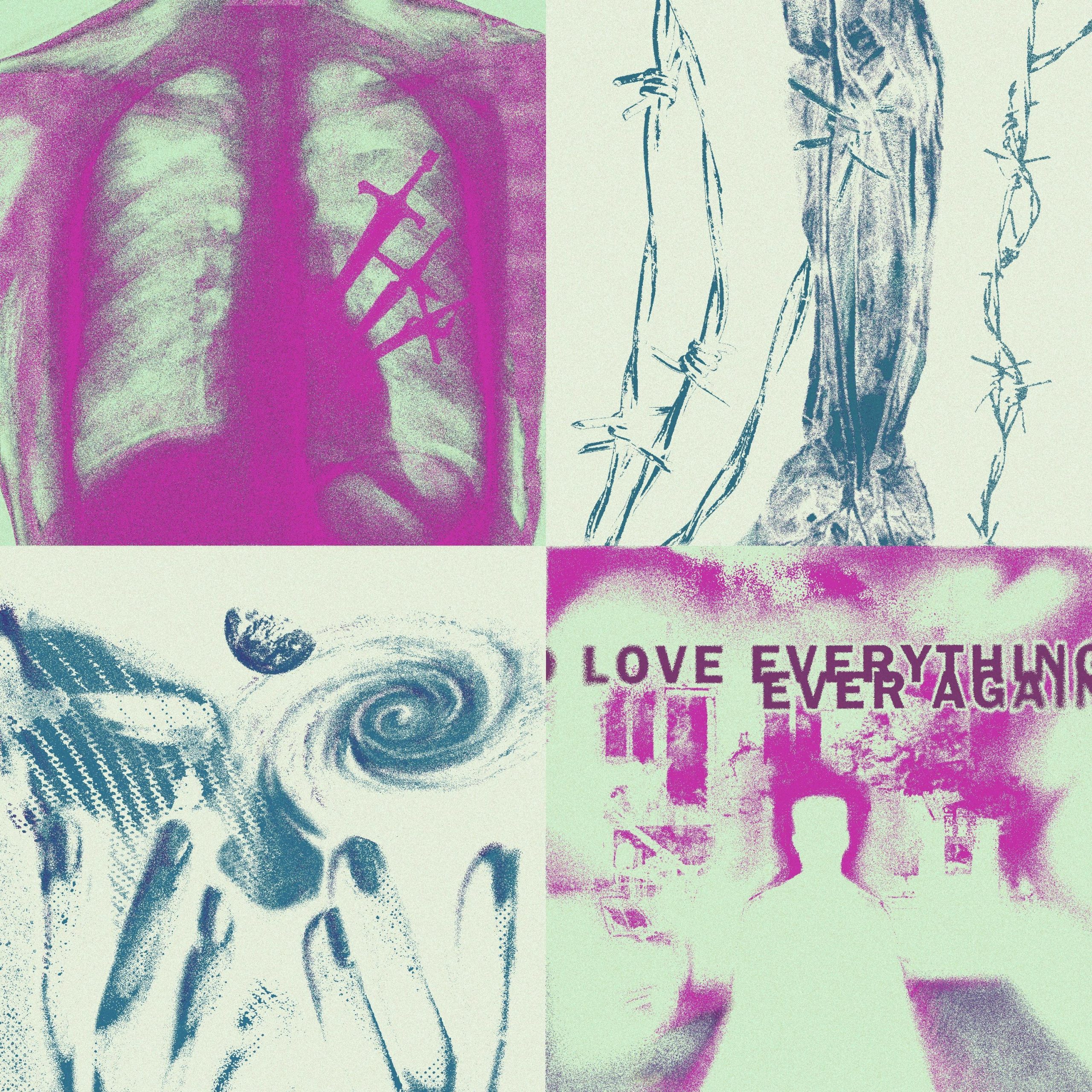
Through Janpol Estella’s solo project, To Love Everything Ever Again, he emphasizes that fractured religious experience. Compiling waves of glitchy synths, hazy vocal effects, and chamber pop flourishes to envelop stories of fluctuating faith with weight. If his debut EP, ‘Nineveh,’ wades upon murky waters, then his debut album, ‘A Post-Overdose Confession,’ swims through it. It’s a case of delving deeper into that struggling abyss, where he confronts his religious fervor as mental health, addiction, and environmental decay become a factor of how he tries – and crashes apart – on holding onto that spiritual belief. Clinging onto it so hard for a hopeful path to come forward as he tries to remind himself of dreams he wants to achieve, until he finds out that it doesn’t come through so easily.
This crushing arc eventually hits its hardest point on the title track and “Nothing But The Blood.” Both songs hit rock bottom as any sliver of peace is very much gone, but how Estella portrays God and Jesus becomes important here. God is this divine being that he thinks has given up on him and becomes the cause of the pain inflicted upon him, and Jesus is this human person whose own struggles he can relate to, and even may be a symbol of light that he could still hold onto. It’s why, despite the rewritten hymn of the latter song describing the ragged acceptance of all that pain that has fractured his faith, hope, and soul, Jesus’ presence becomes a metaphor. A symbol of a peaceful exhale that can allow him to eventually heal.
This narrative perspective colors how the instrumentation and production are presented. Glitchy electronics now shamble across dance-adjacent rhythms, seething vocal effects and synths are implemented to amplify Estella’s emotional throughline, and the brighter chamber pop elements are carefully placed down with intent. An expansion and emphasis of tones that straddle between the lines of bliss and ache, a direction that firmly exposes Estella’s captivating experimental swerving in two lanes. The first is how the glitchier rhythms across “My Own Sodom” to “Need to Control” become curiosities that don’t land their fullest strides. Opening up more melodic flair, yet lacks a strong enough hook to keep it sticking altogether.
The second is how leaning into those synthetic tones and focused melodic flourishes only makes Estella’s songwriting hit like heavy bricks. The scorching distortion clipped around his voice and electronic embellishments on “COP30 (Never Enough)” let his emotions become devastatingly crumbled, bursting out of the seams with every refrains; the stirring one-two punch of the fluttering raw piano recordings of “Perhaps” that transitions to the crackling synth affectations of “A Post-Overdose Confessions” becomes a quaint reflection turning evocatively solemn; the punchier drums on ‘Unreachable Serenity” contrast well around violin swells and gauzy textures; the post-rock swerve of ‘Nothing But The Blood’ that ramps up its melodic prowess, eventually going all out with the blast beats and guitar solos that revs Estella’s version of the hymn to a different level. All of it resting down to the spare organ tune of “God, I’m finally letting this go.” Ending the album where, perhaps, Estella has found that light once more.
What ‘A Post-Overdose Confession’ unveils is an exploration of faith that was broken but can still be recovered, all through Estella’s ways to amplify the stories that felt more personal to him in the long run. Testing the waters on how he can deliver such emotional scope, and landing with it the most striking way possible, fractures and all. A confession as a means to accept the feeling of giving up entirely, until that light starts showing up in the darkness, where hope can blossom once again.
PRAY is one of those Manila rap outliers who know how to play the game from the very beginning. On his debut project ‘THANKGOD4ALLDIS$WAG,’ he walks in already dressed for the role: “gangway” street styling, flex-first instincts, and a slightly pitched-up delivery that turns his nasal cadence into its own signature. The tape runs under 20 minutes and barely lets any track breathe past the two-minute mark, which is part of the point. This isn’t a rap “album” in the old sense. It moves like an Instagram timeline refresh: fast, glossy, and prepped for replay.
For all its iced-out production luster, PRAY’s strength isn’t merely identifiable trap aesthetics. He understands how to sit inside production and steer it. His ear works like a DJ’s. The beats across “MONEY COUNTER,” “RA$TA,” “F*CK AGAIN,” and “$YRUP TSAKA DOPE” hit that sweet spot where rage energy and cloud-rap drift start bleeding into each other; Trap hi-hats flare up, melodies blur into neon haze, then PRAY slides through with a calm, almost smug control. He raps like he’s narrating a lifestyle he’s already living, pitching into his dreams he hopes to buy into. He even plays a Kodak Black sample of “counting money” as one of the “freakiest things” he’s ever done.
Lyrically, he plays the expected cards: money, lust, lean syrup-soaked bravado. Still, the project doesn’t collapse under cliché, because PRAY knows how to sell a line. His hooks land, his timing stays sharp, and his vocal tone has enough character to keep the tape from feeling like another copy-paste flex mission.With all its charismatic end result, THANKGOD4ALLDIS$WAG won’t convert the experimental rap purists, and PRAY isn’t aiming for that crowd anyway. This is music for the city’s wired-up nights, for kids who treat Instagram as a moodboard and ground zero for the come-up. PRAY enters 2026 with real potential, and this debut proves he can get ahead of the game.
House music is always a danceable delight; an air of familiarity is constantly present in the candy-colored soundscapes. It just invites your body to move and let the bouncing vibrations thud through your veins and lead you to the dance floor. A rapid attack on all your senses at once, the genre is a vessel for enthusiasm, accented by the occasional syncopated beats and punchy synths.
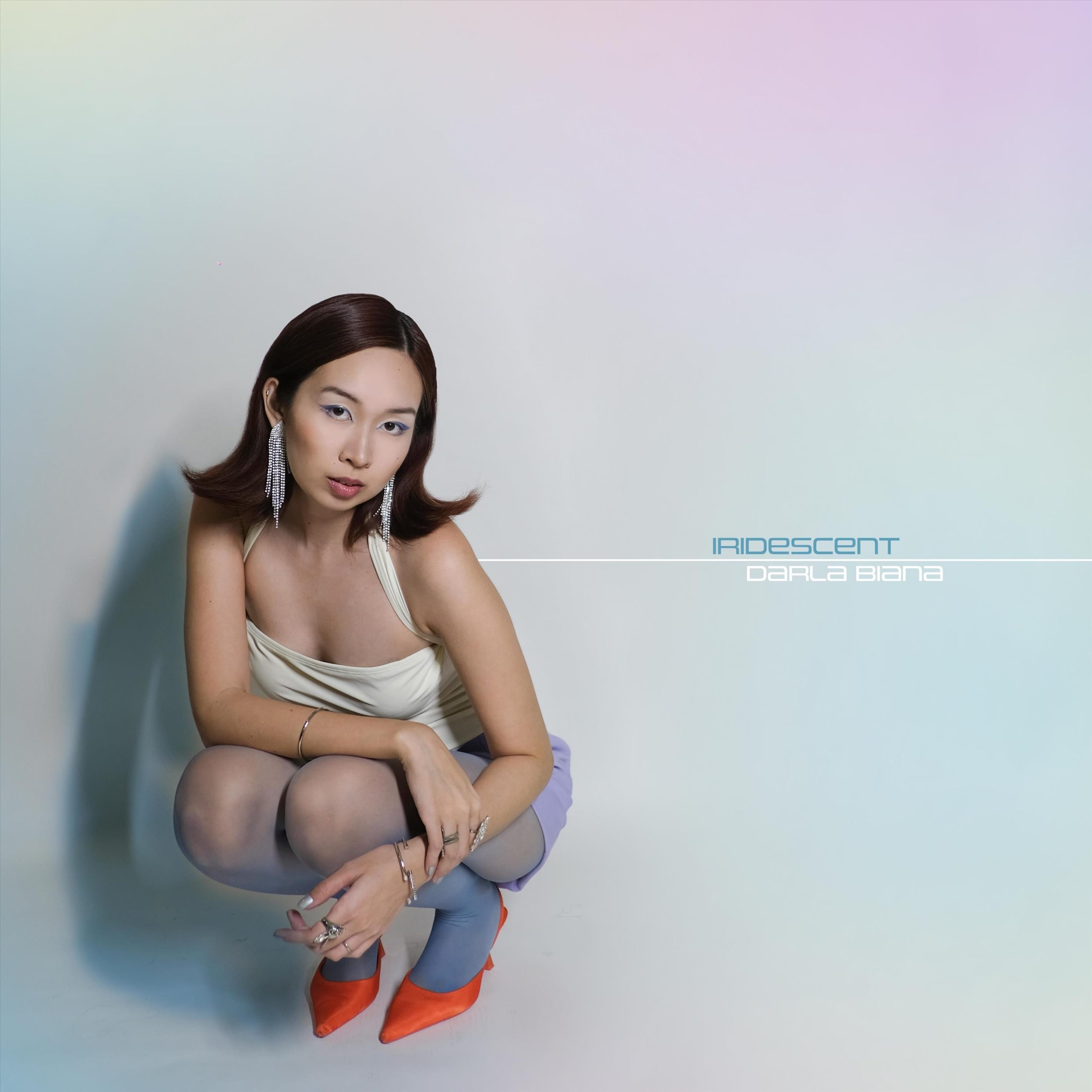
Darla Biana’s debut passion project, ‘Iridescent,’ flickers between the realm of house and the adjacent classifications its wide panorama encompasses; described as the artist’s challenge to herself, created in just three months, it’s an ambitious, headfirst dive into the creativity a deck and a few beats can afford.
There’s a template to the genre Biana pursues throughout the album, which makes her vision easy to audibly sketch out–like the minutiae pleasures of driving across cubed, 3D streets in video games from the early aughts or even the trance-inducing techno horns that are emitted from the complex insides of holographic CDs. ‘Iridescent’ is frank and straight to the point, with Biana’s invitations for romance coated in the relaxed lilt of her voice.
The record doesn’t need a million ways, nor words, to express self-confidence and infatuation; Biana merely uses the music to punctuate what she means and to begin her sentences. In “Love You Down,” she says it like she means it–she will love you down. Plain and simple. The relaxed harmonies that follow the utterance of her promise and the four-on-the-floor beats are enough signs of the commitment she offers to the table.
In accordance with commitment, it’s praiseworthy to note this album’s commitment to pushing Biana’s incredibly specific vibe. There are two interludes in its 33-minute runtime: “Make You Mine,” an appetizing opening that kicks off the album with hypnotizing vocals and pulsing D&B percussion, and “One Day,” a similar, 58-second break that signifies the transition of the album’s subject matter from falling in love to being in love with yourself.
For a debut project, ‘Iridescent’ is like a designer’s first sketch that’s come to life–a piece that knows which elements to take from the avant-garde, and what its limitations can bring to life instead of restricting. However, there are instances when the production overpowers Biana’s vocal color, leaving her vocals floating, wandering across the track instead of becoming one with the music. There’s an admirable devotion to staying musically cohesive, yet it could have touched on the adjacent possibilities of exploring dance aside from sticking to similar beats.
You can never go wrong with the glitzy, bouncy glamour of house–it just so happens that as versatile as the genre is, it’s also one that needs to embrace its malleability and constantly be kept up with. Darla Biana shows in her debut that she can–she just needs that extra boost, that liveliness brought upon by variety to continue. ‘Iridescent’ is house, definitely–but it’s a “house” that’s a little more lived in, a bunch of tracks to dance in your bedroom to.
There’s a certain adrenaline rush that emanates from the psyche whenever one is en route; it’s a rush that can capture anxiety, urgency, or even the sense of ‘gigil.’ Cream Flower’s ‘Orbital Wound’ EP is exactly what should be queued during moments of movement, whether it’s commuting, traveling, or simply walking down a footbridge. On their third EP release, Celina Viray and Jam Lasin step into a wider sonic terrain, loosening their grip on shoegaze familiarity to explore something louder, stranger, and more expansive. They blend riot grrrl rage with explosive urban paranoia, crafting songs that feel perpetually in motion and perfectly suited for city wandering. Even amid the chaos and noise, the duo injects an unexpected motif: if a stray cat crosses your path, this EP insists you bring it to the vet.
The first three tracks form ‘Orbital Wound’’s most immediate stretch, buoyed by an upbeat momentum and Viray’s vocal effects that sound like it’s being broadcast through an airport PA system. “Cat Distribution System” and “Fever Dream” have a distant, metallic, and half-instructional tinge to them. The choice of turning the voice into the form of a public announcement rather than a private confession shows a sense of urgency that isn’t found in the typical dreampop soliloquy.
The sense of radio transmission becomes even sharper on the second track, “Dahas,” where radio static and intergalactic textures are lured in, giving the impression that the band is trying to communicate across impossible distances. The song is displayed like a broadcast meant for extraterrestrials, only to reveal itself as a message addressed directly to us as the listener. The lyrics cut through the noise to confront the realities, inconsistencies, and outright outlandish absurdities of the Philippine zeitgeist under the government’s rule. It initially sounds alien, but the repetitions gradually sound something more familiar: uncomfortable truths hidden within signal distortion.
Chillingly, the EP turns subtle and dreamy with its fourth track, “Orbs.” There, Viray and Lasin introduce acoustics that were absent from the beginning tracks, and lyrically, they tap into more introspective lyrics. In “Orbs”, Viray warps time and perspective as she describes being “engulfed in a fever dream.” The lyrics suggest a fractured sense of self, as if the speaker is watching their own thoughts from a distance and turning into never-before-seen shapes and geometric patterns.
What’s interesting is that the last track of the album, “A Violent Cry”, beheads all forms of stillness from the previous track, and the listener is put right back in that state of adrenaline that was introduced in “Cat Distribution System”. It’s loud in every sense of the word, but not flashy or indulgent, where it becomes an earache. By the time the EP moves beyond its opening run, it’s clear that ‘Orbital Wound’ is both an experiment in sounds and a tool in communication through noise, humor, and paranoia. The urge of wanting to hear more after the last track is ever-present, but in the meantime, aggressively slamming the repeat button will suffice.
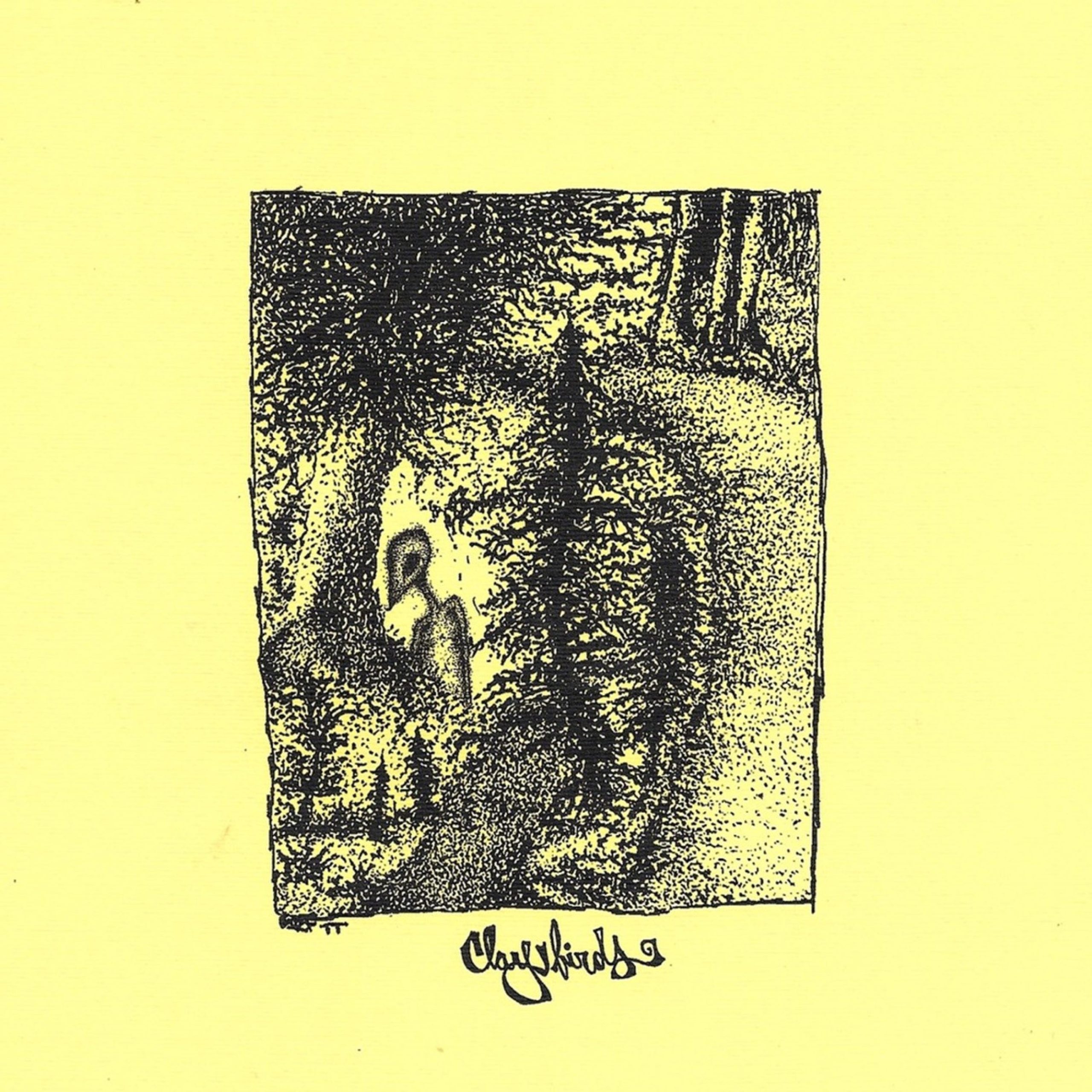
Founded in 2022 by Sam Slater, Italy Jones, Aron Farkas, and Jack Von Bloeker in Mission Viejo, California, five-piece skramz band Clay Birds is onto their sophomore EP, a separation of vanity, a palimpsest which gleams with dissonance and introspection, intimate as it is liberating.
separation of vanity begins with “an intuition of morality”, a track that immediately sets you into a dirty basement, sweat flying from slamming bodies of a mosh pit, the heaviness of stomping feet on broken floorboards. The song carries a weathered subtlety, like a memory half-sung on a battered Telecaster; its bitter, wistful texture echoing the kind of late-night conversation you’d only dare to have beneath a spray-painted-over bridge, when it’s too dark to see each other’s faces but too honest to look away.
As the EP progresses, Clay Birds’ sound is revealed not in nuance but in imperfection, sharp energy that’s like being pushed off a bike or your heart racing through the seams of a t-shirt. Every song is peeling away, a slash into the emotional undertow of being young.
The tracks pose as an unraveling, taking you through the architecture of what has come undone. Each song arrives unearthed, dismantled, plunging you into its entropy.
The music doesn’t come out as complete or polished. Rather, it seeps through, and invites people to bask in the mess through the acceptance of being unfinished together. What you hear is reminiscent of cut-short and picked-up conversations from venues, voice calls, and basement shows. It’s built with the rigid kind of faith that only exists between people who’ve gone through the same pain and somehow ended up at the show. Spoken in glances and gestures, in the nods around a circle pit, in the soothing silence when the set ends, it’s a project that insists: you’re not alone.
These are not songs sung over a crowd but with them, music which depends on the listener’s openness to feel, to shatter, to mend in tandem. There’s a very real sense of every single line having been written in a room full of friends screaming the same thing at once, each of them taking the words because they’d written them themselves. The EP is not simply a recording of hardship; it’s a recording of being close enough to another person’s agony that it becomes your own. It’s not catharsis by distance but radical empathy.
Even with its rough-around-the-edges demeanor, this is hardly a “noise” EP as you might anticipate. The language itself is the heft in this case, pulling on you instead of shoving away, evoking the spirit of unity.
This culture of sharedness is at the center of the band. On their Bandcamp, there is a short sentence that reads: “Birds of the same feather flock together.” It’s a slogan, naturally, but something more. It reads as if it’s a manifesto. Clay Birds traces back to a more wide-ranging Gen Z DIY skramz ecosystem where communality is at the backbone of everything. Whether it’s through collaboration or collective effort, it’s in these relationships that the scene is rich, not competitive but cooperative. Pilfer their overlaps with bands like Composition Booklet and Kiowa, who the band shares members with. Not to mention their joint release with Knumears, where the sky meets you.
By the same token, there is their commitment to DIY. Take for example their 2022 cover of iwrotehaikusaboutcannibalisminyouryearbook. The clip is didactic in its austerity: a cymbal to which a microphone is duct-taped, an unadorned, visual paean to the spartan aesthetic that characterizes the scene. DIY in this instance isn’t about utility but about authenticity, about not sanding off what makes the music sincere.
Although considered one of the younger generations within the scene, Clay Birds continues a philosophy that has defined the scene for decades now: vulnerability, urgency, presence. It’s this devotion that brings their music back to haunt you long after the final note has disappeared, leaving not just sound, but the sense of something real, something felt behind. A band that challenges you to listen with more than your ears, but with whatever is still left of you that aches.
Their cries form not chaos but concord, a solemn pact that, despite everything, the kids are alright.
Why do I like it? Because it allows me to think out loud, and more importantly, do so alongside others. Not to be heard, but seen. Which reminds me — this is what life is all about.
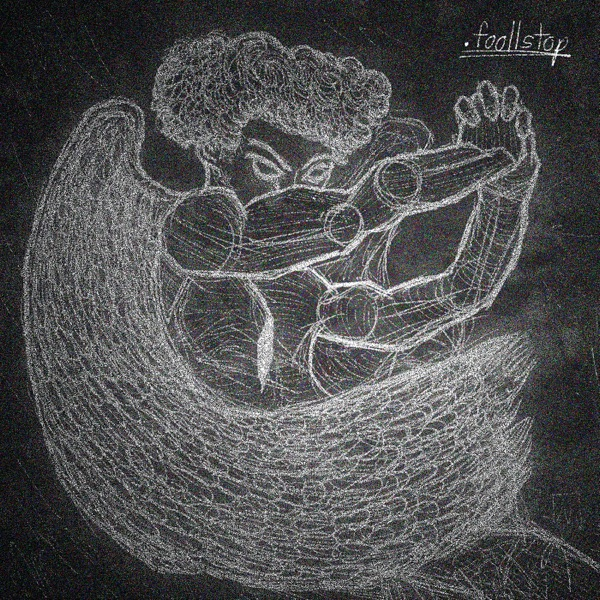
Fallen angels—once held in the heavens, now cast down, wandering in the aftermath of their descent. .foollstop’s “L” is shaped in a similar sentiment, an anthem of loss, reflection, lost in the reverie of ill-fated romances. San Pablo’s .foollstop has released their initial shoegaze track, a year elapsing since their live debut at Mow’s.
The euphonious mix of the instruments, Huwakin’s and Ice’s vocals are cascading rivers of tears that transcend into sound, echoing throughout the song. A touch of rap alongside shoegaze is featured in the second verse, which is not something you hear in the genre every day; The monologue section before the breakdown of “L” is a bursting bottle loaded with emotions that erupts in the ending, drowning in tremolo-picked guitars and layers of vocals. Taking a glimpse at their “L” demo in Sining Shelter’s compilation “tunes for a true home,” the band slid the key into the right lock in the final version by incorporating more audio tracks in the mix.
“L” weaves biblical metaphors into its narrative, portraying the perspective of a fallen angel caught in a fleeting situationship. Just as the fallen angel once knew the embrace of heaven, the narrator reflects on the short-lived moments of a love that couldn’t last.
You may interpret various words from “L” such as “loss,” “ love,” or “limbo” but you can not associate the band’s debut with “loss.” Unlike the fallen angels, .foollstop’s wings chose to soar and may further introduce something of substance in an uncertain future.
The year was met with an overwhelming amount of new artists releasing amazing tracks everyday. 24/7 we are experiencing another golden age of local music from Luzon, Visayas and Mindanao. We have surf rock riding the waves in the lo-fi scenes, electronic music merging with the alternative and grunge community, and hip-hop greatly influencing pop music for the better. It’s that time of the year to celebrate the greatness that is the Filipino Music scene, both from the mainstream and the alternative. These are the songs that have caught our attention and hopefully they get to catch yours. Hear everything from January to December 2024.
40. r0xxy – Fashion Killa (jk)
Clocking in at about a minute and a half, “FASHiONKiLLA” waits no time in grabbing your attention and stringing you along for a little ride. Alongside ethereal and lush beats, the character r0xxy portrays here is swag, in all sense of the word—striking as the type of guy walking inside a grocery store in a full-on silver chrome hearts drip. He knows he is cool, he makes sure you understand that. And then, in between the busy dairy and meat produce section, he’s gone just as quickly as he arrived, leaving you interested and asking for more.
Straight from the Bay Area, Polkadot is back with another tweemo soundtrack befitting the precipice of a new year. Four years after releasing their debut album “Feeling Okay,” they teased their sophomore album “…to be crushed” with a track called “Unstuck” following their lead single “Pulling Threads”.
Unlike the songs in their first album, “Unstuck” banks heavier on the angsty, emo sound with heavier guitar riffs, fuzzy distortions, and profoundly reflective lyricism from Daney Espiritu. The track is vulnerable and honest to boot, with poignant melodies and nuanced vocals that aren’t meant to get easily “Unstuck” in your head.
“readmymind” is a diary entry written in digital ink. You get flourishes of guitar, Tavin Villanueva’s frustrations translated in the ether, and earnestness addressed via audio call. The track is 2-step crossed over with shoegaze influences, wandering and glitching into the world of Arkyalina’s mind palace. We just so happen to live with it.
Picture this: you’re a stem major, who’s truly an art student at heart, but the world keeps pitting against your favor. In light calls for poetry written on converse, the guidebook to surviving your early 20s when they tell you to cut your overgrown hair. If an ‘angel lost its wings’, A piloto reignites the ability to fly. Fuzzy with reverb and overdrive, “in light” beckons to the feeling of burning the midnight oil at Mow’s, all the while wishing you didn’t have to go home. Think stickers on a Stratocaster, timeworn.
36. Uncertain specimen – I knew you then I knew you now (anika)
Primarily a soundcloud-based artist, “I knew you then I knew you now” is a synthwave project at best. Uncertain specimen, clearly functions within a tiny keyboard, and that’s where a lot of its DIY aura comes from. Lots of bells ring in this track, as if a ringtone you would have picked up from an old Nokia.
Rhythmic chants are heard across the streets of Palangoy, Binangonan, Rizal Province. “AHU! AHU!” were made clear through small alleyways and eskinitas, but we’re not talking about actual Spartans charging towards an army. These are real life gangs arriving on the street like it’s a normal Sunday afternoon. “Spartan” by Lomboys could either be the equivalent of The Imperial March in boom bap form or the natural progression of Rizal’s storied rap history re-emerging into the scene.
Among the standout trends of the year, it seems that a cultural shift has gone towards making “cringe” and “heartfelt” art once again. Despite being overly simplistic and soppy, “Jasper Jeans” allows us to view it as an edge. Showcasing how a little goes a long way, the track wears its emotions on its sleeves for all of us to see and it’s nothing short of endearing. For YiYi, sentimentality is a bullet that pierces through all.
Felip belts out a remark that could win a breathing contest, but this isn’t just a casual braggadocio. He’s an equestrian reaching a higher bar for the sole purpose of being the dark horse of his own league. SB19’s Felip balances elegance, opium-pilled juvenile astonishment and a brash presence that’s far away from his boy group image in “envy”.
In a world of ‘fandoms’ and whatnot, it’s easy to daydream your idealized version of a story. “Kdrama” is a track that extends those feelings toward longing, yearning, and wishing for a happy ending where everything falls into place. Endearing and melodious, Kdrama sets the tone for seeking the ethereal within reality. That experience of binging on a Kdrama with someone, one episode to the next, as the rest of the world fades into a standstill.
If there was one song that Kat Stratford from 27 Things I Hate About You played after her iconic poem scene, it would definitely be Cherry Society’s “Recluse”. This is the main appeal of the track; the deliciously lively instrumentals and feminine angst dialed up to 11 create the perfect backdrop to having your weekly “nobody likes me” moment. Being the band that brands their music “adjacent to a 2000s teen movie soundtrack”, the quartet knows exactly what kind of music they want and is not afraid to make it.
30. dizzy.FM – mary_jane (+ku1buk0l +mr.kupido77 +peew33 +ocsiber! (prod. sandin x wintfye! x warheart) (louis)
This song can only come from a vape-doused romanticism. It is the sonic equivalent of typing too much “I love you” and “I miss you” phrases within the early 2010s Facebook chat bubbles, all with emoticons backing up those messages. Shimmering pluggnb production elevates the yearning of the four performers, all earnestly singing their love for their mary janes.
Being a “MANILA BOY” for Thugsta is tough business. No snitches, no opps and no names in the watchlist, those are his wishes to live a life peacefully. Thugsta throws up signs, smoothly raps over a g-funk production, and at the same time brings the power of assurance in less than 2 minutes. There’s love for the game, and Thugsta would show that love with the family and gang by tenfold.
From the visuals to the rhythm, from start to finish, BabyDraco made a better clone of American rapper 4Batz’s “act ii: date @ 8”, but in pink bunnyclava swag. His laconic lyrics fit in his style of overly-modified vocals, much reminiscent again of 4Batz’s idiosyncrasies. There isn’t much to say for “Guhits” as a contemporary R&B performance; after around the 1 minute mark, the already risqué song slows down to cast a more sexual feeling from his previously androgynous vocals. As a neophyte, he needs to carve his own identity as a rising R&B star, which all could be revealed in his mixtape in 2025.
We all know this familiar feeling of grief and regret in a short-lived yet exhilarating summer fling. In two minutes, Shan Capri made “PAST FLIGHT” stand out by effortlessly using brash guitar riffs to corporealize, in music form, that isolating feeling. While the track is just one of Shan Capri’s back-to-back releases of demos this year, this one particularly best describes the quality she produces and writes as a way to express her personal introspection and reverie.
In his collaboration with KLLY in “Ako Ba Talaga?”, Alisson Shore takes OPM R&B by storm: The bilingual storytelling told by two unreliably relatable narrators in this track coupled with Shore’s continuous themes of infidelity and the emotional baggage that peruses one’s headspace is so theatrical I would call it Ozian-esque… But like if Oz was hip. It gets even better when you watch the Y2K-inspired music video of this track and visualize the hip-grooving melody that sticks like gum with Alisson Shore’s hard-hitting bars and KLLY’s unforgettably silky, sensual, honey-like vocals.
Nina’s debut single was released out from the belly of the beast. His blurry vocals echo across miles away as the nerving post-punk melodies create a misty smoke, stirring your ears with its murky atmosphere. With that in mind, the title rings true after all, as the soundscape beckons the bone-chilling presence of death. Lurking behind all of our shadows, taking its sweet time to get on our nerves.
Released under Offshore Music, Mi Mi glides you to her phenomenal jazz and R&B track that’s chill to the max because of its hovering, bouncy basslines and soulful sax. The Barbie Morena’s navigation of her vulnerabilities of aching and longing for someone who’s uncertain with their feelings is animated in the tenderness and lightness of her vocals against intimate jazzy sounds. The track grooves so hard it almost makes the sting of being ghosted bearable. Perhaps with such a rapturous saxophone solo, we get to press repeat and listen on how to stop lamenting and how to steer clear of the familiar crisis of fickle situations.
The easy-breeziness in KAIA’s “Walang Biruan” dives you into bubblegum pop pantomiming as a carefree feel-good pop performance similar to the songs that are “inspired by” the Y2K era. The natural ease that one feels mirrors the group’s charm, and it’s not because of the similarities to other fellow P-pop groups in related pop genres such as BINI. KAIA has long been in the sound of hip-hop and R&B, especially with their trappy single called “You Did It” which was released just a few months earlier. With UK Garage and jersey club successfully blended into a matured lattice, thanks to the girls’ collaboration with Kenneth Amores and KINDRED’s Pikunin in the co-production, this track was a confident leap into new frequencies for them; you can even tell from the sound and music video how much they loved making it. True to the homophone of their name, they prove that they’ll go far, especially with the right creative team.
With her new seductive, tantalizing, and vampy sound, Beabadoobee clenches down with both fangs in “Take A Bite”. This track simply oozes early 00s Post-Britpop which is no surprise coming from the London-raised singer-songwriter who wrote her third album in the suburbs of California with Rick Ruben, one of the holy figures of record production. ‘Take A Bite’ takes you to the mind lair of Beabadoobee where she ponders about the opaque toxicity of shrewd relationships with no rest, almost like the syncopated melodies mess with her circadian rhythm.
Novocrane, a name that is currently making noise in the Cebu underground scene, released their debut track this year to the delight of Bisaya indie rock enthusiasts. Apart from being sonically distinct and eclectic, the innovative guitar work goes smoothly through the ear, like a soothing voice lulling you to sleep. In under 3 minutes, the neophyte band showed us a tiny fraction of what they can create—and they are just getting started.
Have you ever known what it feels like to be in the limbo of love and regret? In this track mixed with saccharine arrays of guitar and xylophone, Blaster’s lyricism and cadence dance in the eye of the hurricane caused by the euphoric collision of memory and the cruel absence of it, all while in limerence. The dreamlike, electropop echo chamber this childlike ditty creates surely has you playing it on repeat, mirroring what it feels like to enter a carnival and get that tight feeling on your chest as you’re about to ride a rollercoaster to finally exhaling on the coaster’s big drop.
UDD goes through a maturity phase as the band pushes on with a new industrial-leaning sound following circumstances that prompted the band to reevaluate their identity. The synths are heavier than ever, songwriting bolder than ever, and the production more evolved than it has ever been for the group. Throw all your hopes for another ‘Capacities’ or ‘Fragmented’ as the band already has; this is UDD.
Bittersweet, emotive, and raw, this promising Dumaguete-based band—that has been making moves in the past year with their recent EP release—blends raw grunge and emo with a hint of post-hardcore in their music in a tasteful way. “Heaven is a Trip” sees Apebreeder in their element as they display a masterclass in turning unfiltered emotions into gut-punching passages and melodies.
If you’re wondering what the scene would sound like inside of a Dance Dance Revolution arcade machine, this would be the ideal world to live in. Soundcloud prodigy and Fresh-ill Club’s n_d_g goes beyond camp on “Yoko Na Sayo” with a 100 percent score alongside heartbreak, feet-tapping trance production and a knack for catchiness that’s bound to end up in a modded level.
Matoki always comes high on the list, when in discussion of love songs. “Lemon” supports that claim to the greatest extent. Ecstatic and mercurial, it feels just like the summertime when come the prospects of meeting your soulmate by the burger machine stand. Lemon reads like a diary, with excerpts that express sensibilities toward picnics against the backdrop of UP circle.
Like driving through a tunnel, eliciting blurred shadows, “Subzero” paints the urban lifestyle in mellow shades of blue. Dreamy and spacey, the track dedicates itself to those who enjoy liminal soundscapes with airy vocals. What the track suffuses is a ‘mumblecore’ movie, picturesque with reminiscence and dread. Self-described as a ‘micro-ensemble unit’, Squaretoe continues to dazzle with their glowing chemistry. Squaretoe is what you listen to when you’re either ‘bed-rotting’ or traversing the halls of an empty mall — there’s no in-between.
“Mad!” is a short but catchy tune anyone can see themselves dancing to. Aunt Robert’s superb songwriting skills shine as they bid adieu to the unpleasant interlopers that creep into life every now and then. With their production skills on the rise, Aunt Robert enters the bedroom rock arena with 00s revivalism and the guitar is their weapon of choice.
The beauty of R&B crooning has never sounded this alluring. Throughout the comfort of “Baby blue”, Fern embodies the best kind of cool: genuinely affirming in his ways of approaching love. The booming bass and twittering synth are not just the highlight here, as Fern’s vocals encapsulate the slick tone that he can effortlessly change all over. Like the color stamped on the title, the song is imbued with baby blue serenity.
Love Rap in the year 2024 feels like a tried and tested concept, but it feels great to be proven wrong, and here we are witnessing its best form yet. YB Neet and Bugoy na KoyKoy begs for more than the bare minimum in “ily”. As simple the title is, it’s also an implication how far can love be or the limitations of any existing terms of endearment. “Ily” has encapsulated the catchy-as-hell chorus or YB’s plea for their partner’s respect. Maybe saying I love you isn’t enough after all.
It’s only a matter of time before 25hearts eventually pump their heart out. What “Hearts” brings is a fresh beginning; a warm hug to start the day; a walk in the park with the sun shining down on you. Each verse from every member is a flutter that keeps building up over time, with a gentle beat providing warmth during the song’s runtime. Creating love that sprouts in sparkling water, giving you the aahs after every sip of this song.
Zild has seemingly retired from his darkwave era as he takes a different sonic route in his latest record “Superpower,” switching from moody and melancholic to a playful and refreshing take on the Post-Britpop soundscape. Zild embraces the cliches of young love through innocent storytelling and heartfelt delivery, a common formula in most OPM rock serenades during the 90s and 2000s. It denotes a significant amount of acceptance and gratefulness for the chance to fall for someone again without the clammy use of metaphors. The simplicity of “Lia” is what makes it so endearing and perhaps, what everyone wants to experience—a sense of clarity and calmness when love comes to your doorstep.
Like a modern ‘harana’ of sorts, think Christmas lights with glinting fairy lights and warm cocoa. Although there’s no winter in this climate, “minsan lang” replicates that same atmosphere. Simple yet catchy and precise, it’s what you look for whenever you long for a sense of calmness. Laid-back and carefree, you practically feel the sand at your toes. The waves crisp with the sun’s reflection. Just what you need for musical notes to intangibly embrace you.
Back in the 2000s, the best way to predict an incoming call on your 2G mobile phone was the sound your old PC speakers made. A year after releasing their debut demo, cheeky things introduced their new song “Bones” in the same fashion—through analog signal disruptions meant to ring up the alternative scene for another tweemo banger.
In “Bones,” the band condenses their signature sonic elements—noisy guitar riffs, glitchy distortions, and frenetic drums—all within its short runtime, even managing to squeeze in a high-pitched, kazoo-like sound mid-chorus. Similar to their noise-rock anthem, “korean blackout curtains 7ft (1 pc, not set),” this single holds the same effect on listeners with its Tagalog lyrics that hit straight to its titular living tissue. During the quiet verses, Kim Bernardino’s vocals seem to be recorded straight from a late-night phone call, with their drony voice progressing to a raw, unaltered version to prepare us for the explosive chorus. There’s really no other choice but to jump and sing your heart out.
Stab does not pull its punches—or stabs. This Cebu-based hardcore band is consistently unrelenting in their track, “watchyoudie”, and will not stop until you are laying on the ground, either from exhaustion or from being run over by someone else in the room who is moshing to this song.
The song slowly paces you into that fit of rage with a popular ‘Ozark’ soundbite and a breakbeat drum sample teasing you of what’s to come. By the time it lets go of its own constraints, it’s all straightforward, no-BS hardcore from here on out.
For a song as brief as ‘watchyoudie’, it is still packed with many quotable lines, as stab understands and fully embraces its shock value and gives room in between riffs for these lines to resonate. The most memorable one is undoubtedly, “Know death will never catch me, because I’ll live to watch you die.”
It’s what a slasher movie would be if it was turned into a song.
Divino Dayacap boards a plane to a place filled with wonder and excitement. However, there’s a lingering melancholy by his row. Nothing but the feeling of missing something or someone. And as the lights dim, he peers through the window, witnessing flying Fender guitars, but as the vision starts to clear, “Kung Nandito Ka Lang” goes into hyperdrive – speeding in high altitudes of rumbling drums, epic crescendos and chapel synths. It is everything but anything. Maximalist but with a growing sense of eloquence. There’s dirt and cleanliness in its gradual pacing yet chaos in jet engine speeds. Halina is back.
Despite all its mischief, it can’t catch a sin when the melody is extremely catchy. “Babaero” has been in rotation ever since January, a gradual smash hit where Gins and Melodies & Hev Abi become two sly foxes that whisk their way out with subtle deception. Layering a catchy-as-sin hook and woozy beat that tries to pull everyone under hook, line, and sinker.
It’s a playful plan that works in Gin and Melodies & Hev Abi’s favor, their smoothness only amplifying that impish wink. An irresistible charm that never slips, always gliding towards the road to satisfaction.
Carrying their rustic blue guitar-lele, the Filipino-Icelandic solo artist shares folktales from the fantasy world of Meadowlark in their breakout single. In “Harpy Hare,” Yaelokre tells a thought-provoking story of an overprotective mother through “The Lark,” a quartet of young minstrels named Cole, Clementine, Perrine, and Kingsley. Throughout the song, Keath Osk changes their voice to match each character, notably Clementine’s soft, high-pitched vocals alternating with the lead singer Cole’s assertive mid-tones as the chorus continuously repeats in an interrogating manner. Through its acoustic-folk instrumentation, stomping rhythms, and group vocal harmonies, “Harpy Hare” paints an intricate and poetic landscape of Yaelokre’s worldbuilding—a whimsical place where one can run free and bring back the magic of their childhood. Once you hear it, you can’t resist falling down the rabbit hole.
As (e)motion engine comes home from a mosh-heavy gig, vocalists Ace and Camille Santos would wander around their house, yearning for their pet cat to play catch with them again. All of a sudden, their minds encounter a criss-cross: post-punk drum machines, ethereal guitars playing with the fuzz pedal and synths pollinating as the thought of being one’s “my little boy” lingers. Shining brightest in the first half only to burn bright into the rough textures in the outro has brought them to the climax, all thanks to their liking of shoegaze, pop punk and emo. (e)motion engine’s “mlb” wraps itself like a warm hug, only to send a message that pets are healing.
BINI, the eight-piece girl group phenom that took the world by storm with a summer tune in late 2023, follows through with the biggest pop banger of the year. And while their concept may be as simple as girl-next-door bubblegum pop, they are the biggest girls-next-door right now.
Amid the blindingly vibrant motif and a pile of denim to last you a decade, BINI’s success with “Salamin, Salamin” is a result of P-Pop’s many trials and errors now bearing fruit.
For quite some time, P-Pop’s many names have been entangled in a contest of “who can make the boldest and most unique statement piece in the genre?” Understandably so, as P-Pop has had a steep climb trying to find a place outside its core audience’s bubble and an identity that is not relegated to just being window dressing to your favorite noontime variety TV show. This, as well as a chip on its shoulders mounting from (scathing) remarks from fans and non-fans about the genre’s supposed lack of originality and a propensity for slapping a Filipino tag on an otherwise foreign product, hindered P-Pop from catapulting into its own realm of success.
Before BINI, the closest thing P-Pop has come to a breakthrough moment is SB19’s ‘Go Up’, which brought the band to fame and led to the name ‘P-Pop’ being coined, but it was seen more as an antecedent to a phenomenon much bigger, waiting to take over. Unfortunately, it did not have the lasting power outside its concentrated listener base.
Either people wanted to hear something simple and upbeat, or a consistent theme across their discography that people can easily identify them with, or both, or neither. Whatever’s the case, BINI understood that assingment and stuck to their guns as they always have. Writing a cute and catchy bubblegum pop song is only a part of that equation. But taking a step back from the needlessly complex statements, genre fusions, and grandstanding not only led BINI to chart-topping success, but also gave P-Pop a blueprint that other groups may find helpful.
Let’s not beat around the bush – Bangsamoro Pop’s “Selos” is everywhere despite the now-resolved copyright issue.
From malls to palengkes, Shaira’s unexpected breakout Disco Moro hit has become a national cultural juggernaut, with its catchy hooks, humor, and relatable lyrics that cement her as the face of OPM in 2024. The track, produced by DJ Charles, sampled Australian singer-songwriter Lenka’s work and positioned music of the past into the present in a futuristic way, reconstructing fragments of pop into something fresh by also incorporating electronic drums found in Indonesia’s dangdut.
It’s not an uncreative process to sample and remix, as they have always been integral to OPM’s musicality, just as they are in pop and hip-hop globally. However, historically, sample clearance has notably intensified the inaccessibility of making music faced by passionate and ambitious artists like Shaira who may lack the resources, capital, and information to secure sample rights. Furthermore, it’s telling–and very frustrating–that her identity, as a Muslim woman from Sultan Kudarat in Mindanao, was transgressive enough to draw attention to the legality and validity of all her music, perpetuating discrimination that holds back neophytes like her. And in her reprise “Selos Na Yan Friend,” she now sings about selos, or jealousy, not in the romantic sense, but as a response against the online vitriol and crab mentality that she faced from other Filipinos.
Within the spaces of Jazzy and glitchy art pop that has spurred within the deeper subsections in Japan, there have been artists that are willing to become enigmatic in breaking apart usual melodic structures and getting ballsy in experimenting beyond usual musical instincts and embracing extremities between the chaotic and the orderly. Nowadays, there are more of those acts seen and heard than ever, creating music that dares to change expectations in a way that’s simultaneously playful and joyous. Hakushi Hasegawa has shown to embrace this, with a discography that spills into the distorted and the comforted.
Starting off in the late 2010s, their two EPS, IPhone 6 and Somoku Hodo EP immediately display the musical prowess that Hakushi Hasegawa puts into their work: playful jazz and IDM instrumentations careening to-and-fro, vocal work spilling through the mix with their bare delivery, and song structures that either spelunker into its wild adventure or stick into its linear path with efficiency. ‘Somoku’ and ‘Ta hui xiaoxi’ from the latter EP show these elements in spades, with the former song thrumming along the shifting grooves yet always coming back altogether on the striking hook. The latter song takes its 7-minute runtime for the drums, pianos, and synths to rattle off in various directions, just before it goes into spirals into a blissful tune past the 5-minute mark.
This, however, only starts where Hakushi Hasegawa directs their sound to its present stasis, as their debut album in 2019, Air Ni Ni, expands upon what they’ve showcased on their past EPs. The overall compositions get more wilder and fractious, textures burrow more towards glitchy electronica more than ever, and Hakushi Hasegawa’s control of their song structures have more dynamic swells that can build up from rapid fast rhythms to settling melodic exhales. Overall amplifying Hakushi Hasegawa’s compositions into exciting experiments, such as the overwhelmingly stuffy drum layers of ‘Evil Things’ and especially ‘Itsukushii Hibi’ that soon goes to its grand solos on the back half, the slumbering grooves of ‘Stamens, Pistils, Parties’ that don’t go away from its tempo, and the generally windswept wildness of ‘o(__*)’ and ‘Desert’.
Things changed drastically for Hakushi Hasegawa for the next couple of years. Releasing the cover-heavy Bones of Dreams Attacked! that features Hakushi Hasegawa’s prominently plaintive yet wondrous skill as a pianist and being part of Porter Robinson’s Secret Sky DJ Set in 2020; performing for Flying Lotus’ THE HIT back in 2021; joining the Brainfeeder roster, performing on Fuji Rock Festival, and soundtracking a TV Drama and a Fashion Show in 2023. Yet, the most noteworthy shift comes through with them showing their appearance as a way to redefine their identity – an aspect that Hakushi Hasegawa has also rummaged over in their past interviews as well as their overall songwriting, painting imageries of natural landscapes amidst details of the body shifting into an amorphous form.
That recent redefinition spills forth to their recent album, Mahogakko. Showcasing a redefinition of Hakushi Hasegawa’s familiar musical sensibilities as they take their compositions into a balancing act of pretty tones and blasting rhythms amidst songwriting that has a much eccentric and curious texture towards motifs of love, the outside world, and the body. It merges the intimate with the frenzy that gives many of the songs a defined momentum as they glide from gleaming piano sections to spontaneously ragged segments. For a project that runs just over 34 minutes – their tightest album to date – Hakushi Hasegawa provides just enough time and attention for these songs to veer off into their distinctive melodic pockets. ‘Mouth Flash (Kuchinohanabi)’ has its glitchy rhythms shake asunder as the bass lines are tossed around, with Hakushi Hasegawa’s huskier singing makes for an enticing track. The punchy percussion of ‘Boy’s Texture’ adds a destabilizing tone to the otherwise remotely gorgeous vocal swells and gentle acoustic spills. ‘The Blossom and the Thunder’ fits its title as it provides a clear picture of its two contrasting sound palettes: the hushed beauty coming from the vocals and muted sonic backdrop from the first half, slowly transitioning into the jittery synthetic breakdown of the second half that softens down for its sullen ending. And ‘KYOFUNOHOSHI’ brings back the wilder jazzy spark of their past projects as the horns and drums rapidly stomp along, gradually getting overwhelming over time.
While those spontaneous chaos is fun to listen to, the more solemn and constrained songs reveal a softness that Hakushi Hasegawa has opened up to in clear sight, exposing more beauty and variety in its relaxing state. ‘Repeal (Tekkai)’ and its bare soundscape allow their voice to seep through, their singing expressing a weary mood to their timbre. ‘Forbidden Thing (Kimmotsu)’ and ‘Outside (Soto)’ continue for their voice to flexibly express freely, as the former song’s gorgeous piano cascades them conveying a fleeting, yet yearning tone to their singing that’s elevated through the panting drums and layers of harmonies on the vocal melodies, and the former song modulates their voice to a heavier delivery, matching the song’s grand scale. Piling upon spikier effects and samples to complement the confident piano and vocal melodies, ending the album with a heap of strident confidence slipping through Hakushi Hasegawa.
Like the album cover of Mahogakko – alongside the rest of their projects – there is a shifting nature to Hakushi Hasegawa’s entire work that never stays in one place. Constantly expanding off their jazz and glitch niches, a facet that allowed them to break through into a bigger net of musicians who have experimented in the general jazzy and electronic scenes. This release, it reveals Hakushi Hasegawa shedding away from the familiar into the new, redefining themselves and taking new avenues for their sound to other flexible tangents. Their overall discography may carry a constantly flashy and chaotic mood at first, but pay close attention to the details, and their magical wonder will reveal itself to you.
For those who are not aware, before his Kailan cover was put out, Raccoon Eyed Ronan debuted on SoundCloud with ‘INSOMNIA’, a mostly decent R&B cut that was underpowered due to the rough production and mixing & mastering elements. However, after the Kailan cover did get a lot of buzz around the indie circles – which has led to Raccoon Eyed Ronan now working under Twin Plaza Recordings – he eventually touched up this song with Shuichi helping along. And surprise to nobody, it’s essentially an improved version thanks to the hypnotic production with all of its psychedelic atmosphere from the synths and horns paired with the impeccable mastering allowing the course grooves to swell and then explode wondrously at the end. And for a song that’s about holding on to a relationship and asking with genuine care if there is a possibility of fixing said relationship, both Raccoon Eyed Ronan and Shuichi delivered exponentially where Ronan’s somber yet heartfelt vocals contrast well with Shuichi’s desperate expressiveness that works with how the instrumentation spills forth after his verse.
There are a lot of welcome additions to this new version of ‘INSOMNIA’ that puts Raccoon Eyed Ronan as an artist to look forward to. Since now that he is under Twin Plaza Recordings, there is so much potential waiting to be seen here that it’s exciting to guess wherever he will go from here, especially with his brand of R&B that he can present with potent sincerity and layered melodic and production taste. For the time being, this track and the Kailan cover stand strong for what spark he’s yet to unleash, a spark that will keep us wide awake in the near future.