Written by Lex Celera For the most part, We Are Imaginary has played along the ballpark of noise pop, shoegaze, and jangly lo-fi when it comes to their sound. Each of their last four albums plays with the formula in different ways – a reflection of the band’s changing members. Early on, sometime before the release of 2010’s ‘One Dreamy Indeterminate Hum,’ the band even had to change its name. With its latest release, We Are Imaginary settles on something new and interesting, enough for it to be a self-titled album, with the record to be sold on vinyl via Eikon Records. Not only is ‘We Are Imaginary,’ their fifth album, a feat in “remaining true” to their sound, so to speak, but it is also a symbolic act to release their fifth album as a self-titled full-length album 17 years since their debut. As if to say that the band has planted an anchor against the currents of time that bears their name – a sign of confidence. It’s worth mentioning that this is supposedly the last by their longtime bassist Vhall Bugtong, who migrated to North America. The new setup includes Ahmad and Khalid Tanji as the band’s twin backbone, joined by Jerros Dolino of Megumi Acorda and Spacedog Spacecat. We Are Imaginary’s self-titled album is worth listening to not because of their proximity to bands we already enjoy–they do wear their influences on their sleeves in interviews–but to see how they’ve planted their feet in their musical journey. The band knows how to be both emotionally evocative and earnestly relatable, and it shows. The album’s sonic palette is primed by the singles that were released prior: “Pinkish Hue,” kept in their pockets since 2015, puts the band’s romantic lyrics at bay with fierce mood-driven fuzziness. “Stockholm” and its happysad structure don’t resolve themselves despite soaring up in energy. The same with “Object Of My Affliction” and its nuanced breakdown two-thirds of the way. “Greatest Kill” emerges as a track that I keep going back to; it’s built for detached navel gazing. Throughout the album, I feel a poignant dissonance. As a whole, the album comes across as concrete and certain, and well curated, thanks to its one year in preproduction. But why do I feel a permeating sense of melancholy while listening? How can the album talk about surrender and yearning while remaining measured, almost clinical, in its arrangement? Both can exist, in music and in life, which is a testament to the band’s own songwriting. Frontman Ahmad’s lyricism cut through the production in a way that they have always done it: abstract, unfettered, and accepting of its own feelings. This time, the result feels more cohesive when looked at as a full project. This band setup, this new approach to their sound, just feels right. Support the art & the artist:
Author: Louis Pelingen
ALBUM REVIEW: To Love Everything Ever Again – A Post-Overdose Confession
Written by Louis Pelingen One main element that tends to surround religious music is its focus on devotion, where praises will be written and sung as a means to allow God’s blessings to reach within the human spirit–a characteristic that becomes a purposeful motif. Generally focused on that universal feeling of letting the holy grace of God seep into every individual singing those songs. Yet, what tends to be rather uncommon is writing religiously themed songs less from a devotional standpoint, but more of a personal confession. A peek inside vulnerability that grounds the religious experience, isolating itself to the individual going through the ups and downs that they encounter throughout their lives. Through Janpol Estella’s solo project, To Love Everything Ever Again, he emphasizes that fractured religious experience. Compiling waves of glitchy synths, hazy vocal effects, and chamber pop flourishes to envelop stories of fluctuating faith with weight. If his debut EP, ‘Nineveh,’ wades upon murky waters, then his debut album, ‘A Post-Overdose Confession,’ swims through it. It’s a case of delving deeper into that struggling abyss, where he confronts his religious fervor as mental health, addiction, and environmental decay become a factor of how he tries – and crashes apart – on holding onto that spiritual belief. Clinging onto it so hard for a hopeful path to come forward as he tries to remind himself of dreams he wants to achieve, until he finds out that it doesn’t come through so easily. This crushing arc eventually hits its hardest point on the title track and “Nothing But The Blood.” Both songs hit rock bottom as any sliver of peace is very much gone, but how Estella portrays God and Jesus becomes important here. God is this divine being that he thinks has given up on him and becomes the cause of the pain inflicted upon him, and Jesus is this human person whose own struggles he can relate to, and even may be a symbol of light that he could still hold onto. It’s why, despite the rewritten hymn of the latter song describing the ragged acceptance of all that pain that has fractured his faith, hope, and soul, Jesus’ presence becomes a metaphor. A symbol of a peaceful exhale that can allow him to eventually heal. This narrative perspective colors how the instrumentation and production are presented. Glitchy electronics now shamble across dance-adjacent rhythms, seething vocal effects and synths are implemented to amplify Estella’s emotional throughline, and the brighter chamber pop elements are carefully placed down with intent. An expansion and emphasis of tones that straddle between the lines of bliss and ache, a direction that firmly exposes Estella’s captivating experimental swerving in two lanes. The first is how the glitchier rhythms across “My Own Sodom” to “Need to Control” become curiosities that don’t land their fullest strides. Opening up more melodic flair, yet lacks a strong enough hook to keep it sticking altogether. The second is how leaning into those synthetic tones and focused melodic flourishes only makes Estella’s songwriting hit like heavy bricks. The scorching distortion clipped around his voice and electronic embellishments on “COP30 (Never Enough)” let his emotions become devastatingly crumbled, bursting out of the seams with every refrains; the stirring one-two punch of the fluttering raw piano recordings of “Perhaps” that transitions to the crackling synth affectations of “A Post-Overdose Confessions” becomes a quaint reflection turning evocatively solemn; the punchier drums on ‘Unreachable Serenity” contrast well around violin swells and gauzy textures; the post-rock swerve of ‘Nothing But The Blood’ that ramps up its melodic prowess, eventually going all out with the blast beats and guitar solos that revs Estella’s version of the hymn to a different level. All of it resting down to the spare organ tune of “God, I’m finally letting this go.” Ending the album where, perhaps, Estella has found that light once more. What ‘A Post-Overdose Confession’ unveils is an exploration of faith that was broken but can still be recovered, all through Estella’s ways to amplify the stories that felt more personal to him in the long run. Testing the waters on how he can deliver such emotional scope, and landing with it the most striking way possible, fractures and all. A confession as a means to accept the feeling of giving up entirely, until that light starts showing up in the darkness, where hope can blossom once again. Support the art and the artist:
ALBUM REVIEW: marcel – marcel
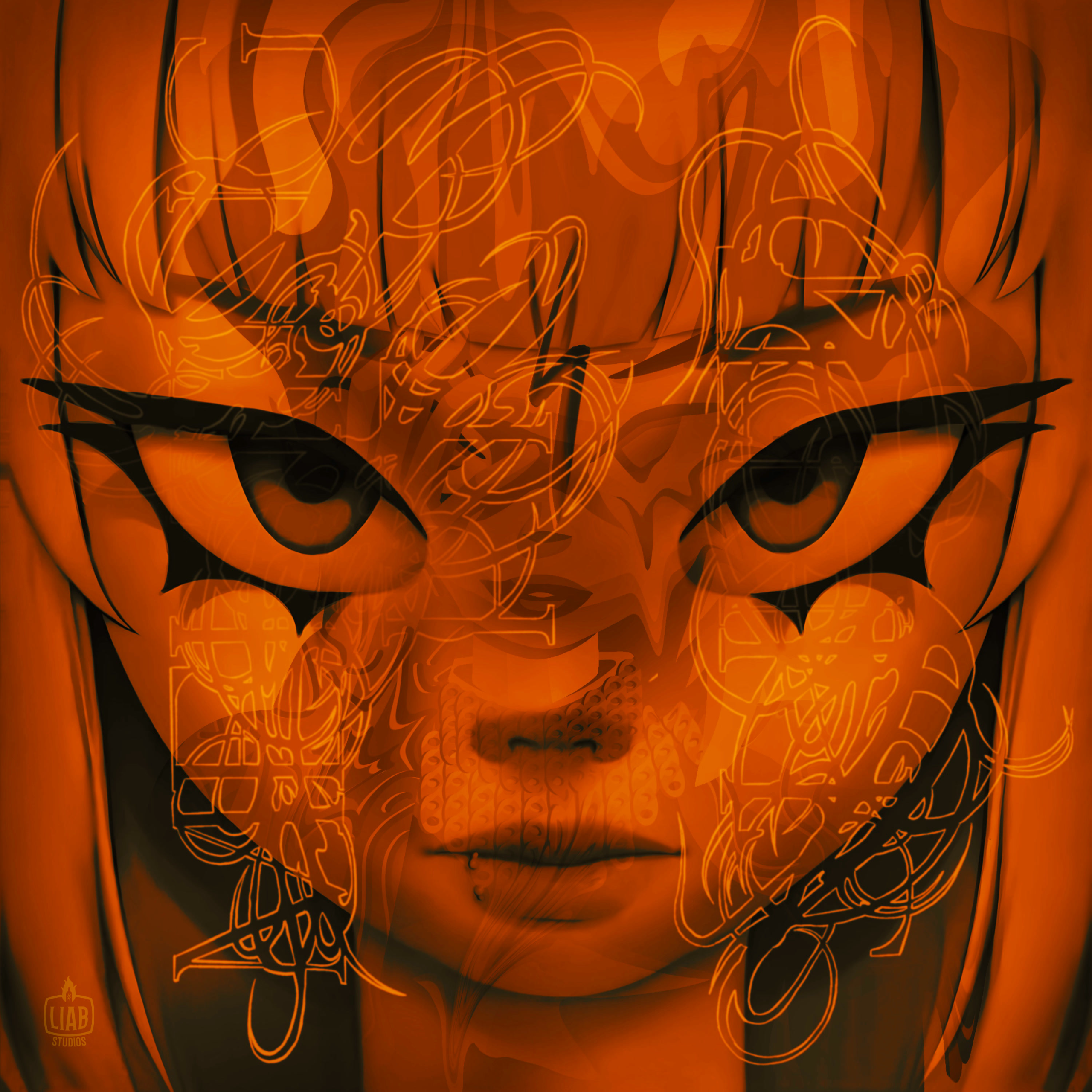
Written by Gabriel Bagahansol When you live through cold weather all the time, you’re always going to find ways to make the warmth you get linger within you. That’s why it makes sense that some of the artists we turn to for moody expressions of emotions, be it through words or music, come all the way from frigid Canada. And somewhere up in Montreal, Johann Mendoza committed to tape sounds that would allow his feelings to circulate through the dense winds of a Quebec autumn. On the self-titled debut album of this project, marcel explores melancholia through slowcore textures and melodies—combine that with its grayscale cover art of clouds and chain-link, and you get a collection of songs that chronicles the doomed fate of young love and its complex phases. This theme is set in motion with the album opener “journal entry,” which acts as a prologue for a story of heartbreak told across seven tracks. On “just one of those days,” marcel recalls the first memory of a past lover. His lyrics on partaking in the reckless abandon of a night out are elevated by the delicate drone of a string quartet – or, at least, a guitar resembling a string quartet, which brings an organic feeling within an otherwise processed soundscape. It’s like catching the cool breeze and falling leaves while walking wasted in downtown Montreal, although the textures do overstay their welcome, to the point where it could leave you wanting to take shelter, lest you get hypothermia. But on “these rotten nails,” we’re taken away from the streets and into the rooms of two individuals processing heartbreak in dim lighting. The chemistry between marcel and guest vocalist kelly elizabeth is palpable as they sing about their perspectives on a failed relationship, though any hope of reconciliation between the two characters is nowhere to be seen: the acoustic guitar-driven half of the song dissolves into a slower, gloomier instrumental as the two singers wonder where things went wrong. It’s fascinating to hear a story being told through the contrast between two guitars that sound completely different from one another. This creative use of slowcore drones and the drama laced within the lyrics are two things that make “these rotten nails” a highlight within the project. “parc hang,” like “just one of those days,” is a song that sees marcel reminiscing about a night out, but with the context of the track that immediately precedes it, “parc hang” becomes the sound of a memory slipping away from the mind of someone who’s ready to move on. The guitars make you feel like you’re watching a videotape of a park while it’s being demagnetized – to the point where all you can see is static, and this is about the only time on this album where you’ll hear them be this distorted. The intro of “end of the line” greets us with the most ornate blend of sounds in the album. Listening to the mix of acoustic and electric guitars and a violin is like stepping into the woods for soul-searching before letting out your frustrations through a chamber-emo song. Like in “these rotten nails,” the dichotomy of sounds within this song adds another level of storytelling, and kelly elizabeth’s backing vocals – which mixes so well with marcel’s lead vocals – is the icing on the cake for another satisfying number. Because marcel mashed together sounds and genres so frequently and so well on the first part of this album, the last two songs, “porch” and “when it’s time to leave,” can be a bit middle-of-the-road by comparison. These songs play their genres straight: the twang of the guitars in “porch” more strongly suggests country-tinged Americana that is well outside the frosty sonic palette you’ve been hearing so far, and the instrumentation in “when it’s time to leave” is the clearest and barest out of all the tracks on the album. But perhaps the cleaner, less hazy state these songs are in, along with their more cautiously optimistic lyrics, represent marcel actually fulfilling his promise of moving on from heartbreak – or, at least, doing so while hoping he and his lover can rekindle the flame someday soon. Nevertheless, these are both decent performances, and it’s still nice to see the snow thaw out for the grass of spring. Though some of the slowcore drones feel like they’re holding on for too long, marcel still showed some strength as a budding singer-songwriter in the indie space with this album. It’s clear that he has an ear for making films out of the sounds he’s working with, a pen that easily captures the catharsis of a broken heart, and hands that let these two elements live in symbiosis, one track at a time. While the final stretch of songs do come off sonically inconsistent with the rest of the album, they’re still good enough to show marcel’s potential in branching out towards other genres of music, and with the core of this album being in a genre that can feel constrained within one particular sound, he might stand a chance to tell his stories well as the seasons slowly change in Montreal. Support the art and the artist:
ALBUM REVIEW: Parti. – High Action
Written by Adrian Jade Francisco Anchored in experimental math rock, parti.’s debut album ‘High Action’ is the equivalent of a cat chasing a laser pointer—you never quite catch what comes next. Across its 43 minute runtime, it thrives on a buffet of instrumental twists and turns. There’s a kind of beauty in disorder that presents itself throughout the tracks. The first half of ‘High Action’ delivers abrasive riffs and aggressive percussion that refuses to let you settle in. From the metal track “Hullabaloo” to the subsequent math rock “Milo Dinosaur Jr.,” the album already established its ability to be unpredictable. ‘High Action’ levels up its game with a barrage of Japanese-style rock guitar akin to POLKADOT STINGRAY and A Crow Is White, particularly in “Mirage” and “Antigua.” featuring snappy fretwork from Justine Tan and Pio Perez. The production lets the intricacy of the compositions without smoothing out their rough edges, packing the hooks for constant earworm. “Breach” and “High Action” serve as microcosms, concentrating the album’s spectrum of sounds on full display. “Breach” was just an appetizer—Parti. had already carved out a sound. A mix of alternative, experimental math, and progressive rock keeps you on edge. ‘High Action’ serves up the full feast of their sonic arsenal unapologetically. SUPPORT THE ART & THE ARTIST:
TRACK REVIEW: Past Forward – Hell
Written by Nikolai Dineros Identifying Laguna-based hardcore punk from its heavily populated pack of contemporaries is like sensing a food’s quality from afar with just the olfactory. Following up on the band’s electrifying, long-awaited ‘Streetwise’ EP, ‘Hell’ checks every box of the Laguna hardcore handbook. Drawing from the deep roots of the region’s hardcore punk scene, the thundering bellows of distortion, two-step-primed rhythms and breakdowns, and the protesting wails into the microphone—all qualities that are unmistakably Laguna hardcore, bred by the subculture’s founding fathers in time not-so-immemorial as well as those that remain active at present—have become par for the course in this field. On one hand, Past Forward’s latest “Hell” carries Laguna hardcore in its DNA, and on the other, it is bound to it. While these shared attributes in the genre have been staples used by and elevated many astute punk acts of similar acclaim, ‘Hell’ packages them with not as much concern for cohesion, unlike past Past Forward releases. ‘Full Disclosure’ comes to mind, the 2017 EP that put the band into the spotlight. A counterpoint to which, however, can also be seen in ‘Full Disclosure’. The EP’s closing track, aptly titled ‘Closure’, leaves the record to an abrupt—almost trip-hop levels of mellow—beat switch; and interestingly placed track in an otherwise straightforward hardcore project. But it is more of a complementary footnote than anything, and it does not demand one’s full attention the same way ‘Hell’ does, or attempts to do. Put simply, ‘Hell’ relies more on safe conventions than a focused direction. Such a deterministic approach is not the most appropriate for “Hell”, though, as its faults more harken to culture bleeding into an artist’s songwriting that a guidelines-based, objective critique just would not cover. Laguna hardcore is one subculture with a history and influence that stretches beyond its territory’s borders into the larger Filipino hardcore punk mythos, with evolutions that led to what are now scene staples shared among artists. But it is also one mired with tumultuous principle-based infightings (more internal and collective-oriented) that, unfortunately, led to its creative stasis. San Pablo’s Past Forward—formed as recently as the mid-2010s—is one of the descendants of this respected but equally tainted movement whose creative deadlock has carried over to bands as esteemed as Past Forward. And while these ties are not indicative of the band’s dispositions and quality of work, the cultural or historical factors are more suggestions that may explain certain trends rather than cast judgment. Fortunately for them, theirs is not an isolated case. But for all the missed points in ‘Hell’, more output from Laguna’s finest only benefits Filipino hardcore in the long run, despite its dire history and current state of affairs. Its background does not discredit the wave of new and exciting Laguna-based hardcore-adjacent artists steadily rippling through our spaces. Among them, Past Forward maintains their steadily growing momentum, driven by the release of ‘Streetwise’ and whatever is to come after “Hell”. If anything, Laguna hardcore needs more Past Forwards—the resolve to move forward, carrying and learning from its past. SUPPORT THE ART AND THE ARTIST:
ALBUM REVIEW: PRAY – THANKGOD4ALLDIS$WAG
Written by Elijah P. PRAY is one of those Manila rap outliers who know how to play the game from the very beginning. On his debut project ‘THANKGOD4ALLDIS$WAG,’ he walks in already dressed for the role: “gangway” street styling, flex-first instincts, and a slightly pitched-up delivery that turns his nasal cadence into its own signature. The tape runs under 20 minutes and barely lets any track breathe past the two-minute mark, which is part of the point. This isn’t a rap “album” in the old sense. It moves like an Instagram timeline refresh: fast, glossy, and prepped for replay. For all its iced-out production luster, PRAY’s strength isn’t merely identifiable trap aesthetics. He understands how to sit inside production and steer it. His ear works like a DJ’s. The beats across “MONEY COUNTER,” “RA$TA,” “F*CK AGAIN,” and “$YRUP TSAKA DOPE” hit that sweet spot where rage energy and cloud-rap drift start bleeding into each other; Trap hi-hats flare up, melodies blur into neon haze, then PRAY slides through with a calm, almost smug control. He raps like he’s narrating a lifestyle he’s already living, pitching into his dreams he hopes to buy into. He even plays a Kodak Black sample of “counting money” as one of the “freakiest things” he’s ever done. Lyrically, he plays the expected cards: money, lust, lean syrup-soaked bravado. Still, the project doesn’t collapse under cliché, because PRAY knows how to sell a line. His hooks land, his timing stays sharp, and his vocal tone has enough character to keep the tape from feeling like another copy-paste flex mission.With all its charismatic end result, THANKGOD4ALLDIS$WAG won’t convert the experimental rap purists, and PRAY isn’t aiming for that crowd anyway. This is music for the city’s wired-up nights, for kids who treat Instagram as a moodboard and ground zero for the come-up. PRAY enters 2026 with real potential, and this debut proves he can get ahead of the game. Support the art and the artist:
ALBUM REVIEW: Darla Biana – Iridescent
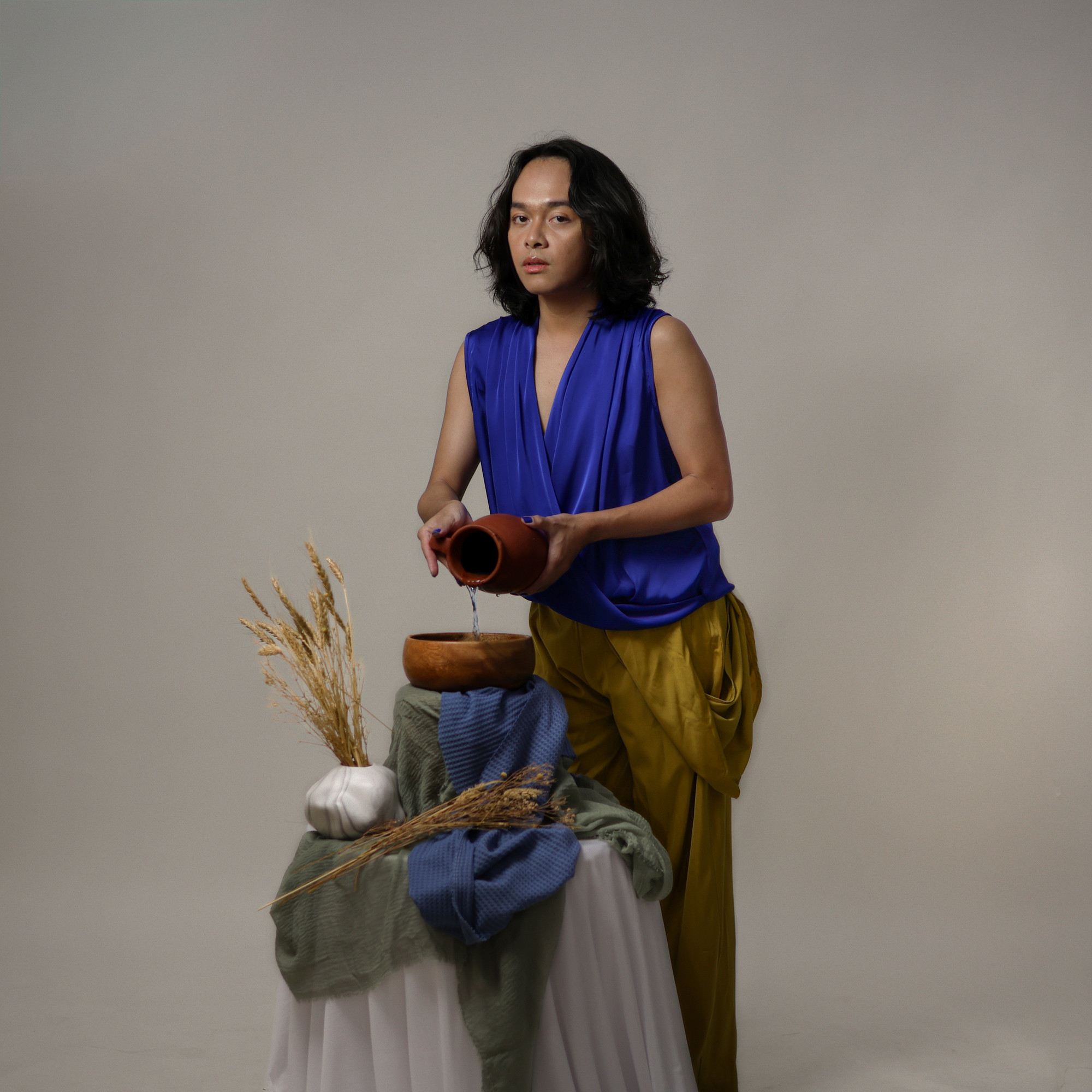
Written by Noelle Alarcon House music is always a danceable delight; an air of familiarity is constantly present in the candy-colored soundscapes. It just invites your body to move and let the bouncing vibrations thud through your veins and lead you to the dance floor. A rapid attack on all your senses at once, the genre is a vessel for enthusiasm, accented by the occasional syncopated beats and punchy synths. Darla Biana’s debut passion project, ‘Iridescent,’ flickers between the realm of house and the adjacent classifications its wide panorama encompasses; described as the artist’s challenge to herself, created in just three months, it’s an ambitious, headfirst dive into the creativity a deck and a few beats can afford. There’s a template to the genre Biana pursues throughout the album, which makes her vision easy to audibly sketch out–like the minutiae pleasures of driving across cubed, 3D streets in video games from the early aughts or even the trance-inducing techno horns that are emitted from the complex insides of holographic CDs. ‘Iridescent’ is frank and straight to the point, with Biana’s invitations for romance coated in the relaxed lilt of her voice. The record doesn’t need a million ways, nor words, to express self-confidence and infatuation; Biana merely uses the music to punctuate what she means and to begin her sentences. In “Love You Down,” she says it like she means it–she will love you down. Plain and simple. The relaxed harmonies that follow the utterance of her promise and the four-on-the-floor beats are enough signs of the commitment she offers to the table. In accordance with commitment, it’s praiseworthy to note this album’s commitment to pushing Biana’s incredibly specific vibe. There are two interludes in its 33-minute runtime: “Make You Mine,” an appetizing opening that kicks off the album with hypnotizing vocals and pulsing D&B percussion, and “One Day,” a similar, 58-second break that signifies the transition of the album’s subject matter from falling in love to being in love with yourself. For a debut project, ‘Iridescent’ is like a designer’s first sketch that’s come to life–a piece that knows which elements to take from the avant-garde, and what its limitations can bring to life instead of restricting. However, there are instances when the production overpowers Biana’s vocal color, leaving her vocals floating, wandering across the track instead of becoming one with the music. There’s an admirable devotion to staying musically cohesive, yet it could have touched on the adjacent possibilities of exploring dance aside from sticking to similar beats. You can never go wrong with the glitzy, bouncy glamour of house–it just so happens that as versatile as the genre is, it’s also one that needs to embrace its malleability and constantly be kept up with. Darla Biana shows in her debut that she can–she just needs that extra boost, that liveliness brought upon by variety to continue. ‘Iridescent’ is house, definitely–but it’s a “house” that’s a little more lived in, a bunch of tracks to dance in your bedroom to. Support the art and the artist:
EP REVIEW: Cream Flower – Orbital Wound
Written by Faye Allego There’s a certain adrenaline rush that emanates from the psyche whenever one is en route; it’s a rush that can capture anxiety, urgency, or even the sense of ‘gigil.’ Cream Flower’s ‘Orbital Wound’ EP is exactly what should be queued during moments of movement, whether it’s commuting, traveling, or simply walking down a footbridge. On their third EP release, Celina Viray and Jam Lasin step into a wider sonic terrain, loosening their grip on shoegaze familiarity to explore something louder, stranger, and more expansive. They blend riot grrrl rage with explosive urban paranoia, crafting songs that feel perpetually in motion and perfectly suited for city wandering. Even amid the chaos and noise, the duo injects an unexpected motif: if a stray cat crosses your path, this EP insists you bring it to the vet. The first three tracks form ‘Orbital Wound’’s most immediate stretch, buoyed by an upbeat momentum and Viray’s vocal effects that sound like it’s being broadcast through an airport PA system. “Cat Distribution System” and “Fever Dream” have a distant, metallic, and half-instructional tinge to them. The choice of turning the voice into the form of a public announcement rather than a private confession shows a sense of urgency that isn’t found in the typical dreampop soliloquy. The sense of radio transmission becomes even sharper on the second track, “Dahas,” where radio static and intergalactic textures are lured in, giving the impression that the band is trying to communicate across impossible distances. The song is displayed like a broadcast meant for extraterrestrials, only to reveal itself as a message addressed directly to us as the listener. The lyrics cut through the noise to confront the realities, inconsistencies, and outright outlandish absurdities of the Philippine zeitgeist under the government’s rule. It initially sounds alien, but the repetitions gradually sound something more familiar: uncomfortable truths hidden within signal distortion. Chillingly, the EP turns subtle and dreamy with its fourth track, “Orbs.” There, Viray and Lasin introduce acoustics that were absent from the beginning tracks, and lyrically, they tap into more introspective lyrics. In “Orbs”, Viray warps time and perspective as she describes being “engulfed in a fever dream.” The lyrics suggest a fractured sense of self, as if the speaker is watching their own thoughts from a distance and turning into never-before-seen shapes and geometric patterns. What’s interesting is that the last track of the album, “A Violent Cry”, beheads all forms of stillness from the previous track, and the listener is put right back in that state of adrenaline that was introduced in “Cat Distribution System”. It’s loud in every sense of the word, but not flashy or indulgent, where it becomes an earache. By the time the EP moves beyond its opening run, it’s clear that ‘Orbital Wound’ is both an experiment in sounds and a tool in communication through noise, humor, and paranoia. The urge of wanting to hear more after the last track is ever-present, but in the meantime, aggressively slamming the repeat button will suffice. Support the art and the artist:
TRACK REVIEW: orteus – Deersong
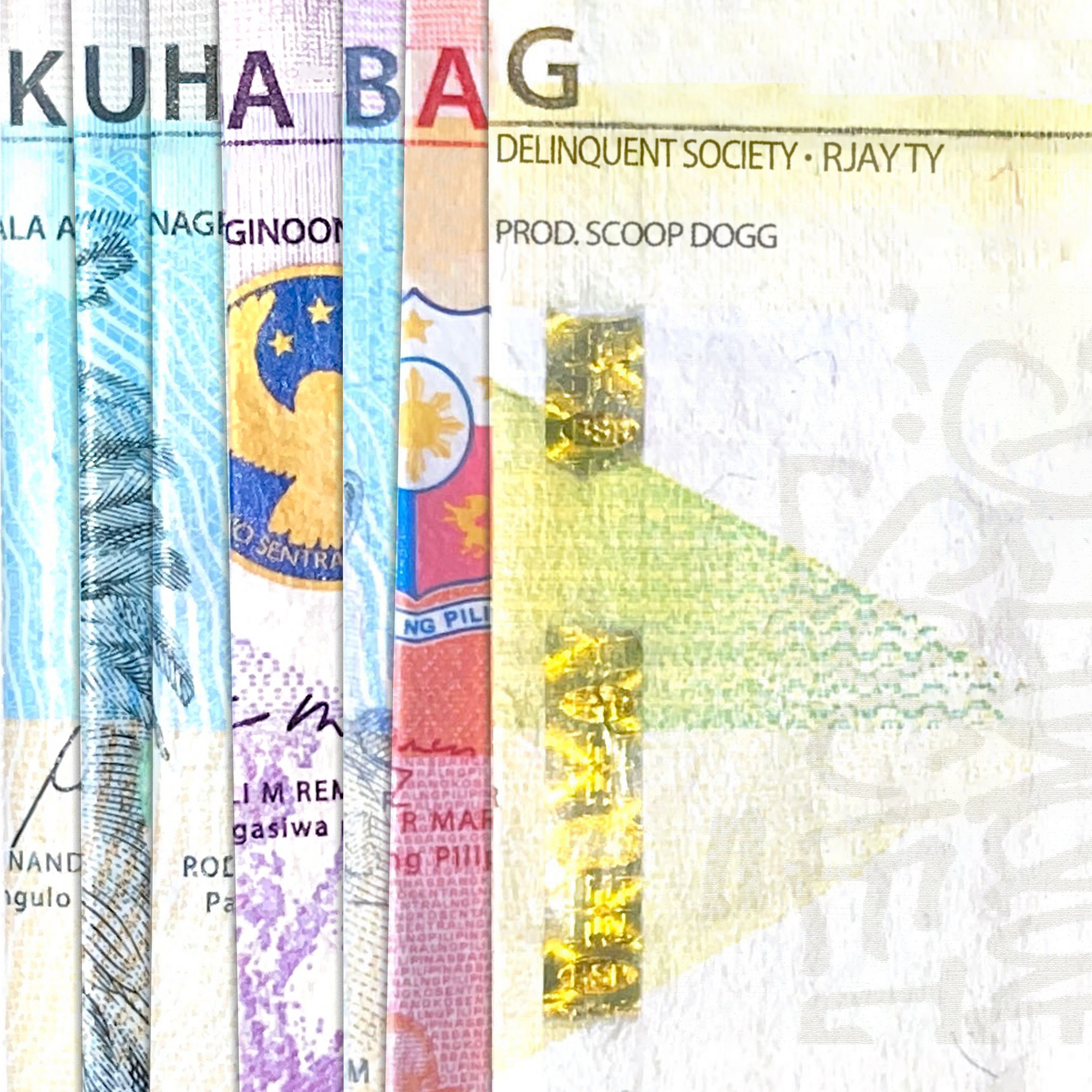
Written by Louis Pelingen After their mixtape last year, orteus isn’t yet done crafting more music. “Deersong” lands on the very first day of January 2026, serving as the lead single for their upcoming debut album, which is charged with delightful experimentation. The drums gallop rhythmically over sweet vocals, soothing soundscapes, and rumbling bass notes that create a whirring experience, yet keep the overall melodies clear enough to be heard, gratifyingly landing the explosive bombast that comes up at the end of the song. The overwhelming nature still persists within its structure, taking more time to simmer before it finally clicks. But through the refinement in mixing balance and expanded curiosity in sound textures, ‘Deersong’ lays down a path that is worth following down the line. Potentially having more surprises that end up with us becoming like deer in the headlights. Support the art and the artist:
TRACK REVIEW: maki! – popout
Written by Elijah P. “Lahat sabog/ fuck it, we get lit,” maki! declares on “popout,” a year-opener single that wastes zero time pretending it’s anything deeper than adrenaline and appetite. But that’s the trick: what sounds like disposable turn-up rap is also a tight little mission statement. maki! opens the track greeting the listener like he’s clocking into a shift, then asks for love with the kind of hunger that most rappers like him wouldn’t barely achieve. maki! does it effortlessly. “popout” runs under two minutes, and it moves at the speed of an online reel. The beat leans into bitcrushed, 8-bit textures, turning trap into something glitchy and pixelated. maki! slides across it with melodic autotune warps and chopped-up vocal flickers, tossing newly heated ad-libs. The parking-lot setting in the song’s music video feels right: fluorescent, chaotic, nocturnal, and ready for trouble. What separates him from the usual mumble haze is that he actually commits to a slightly tilted rise of momentum. He gets from point A to point B cleanly, no dead air, no lazy hook crutch, no filler bars pretending to be vibes. With the internet pushing this slayr/CHE-adjacent strain of pixel-trap forward, maki! sounds tapped into the mutation early, proving local rap gets to catch up, sharpening their skillset into something truly their own. Support the art and the artist: