ALBUM REVIEW: Hev Abi – Maduming Timog

Written by Gabriel Bagahansol Around this time two years ago, Hev Abi had control of half of the top 10 spots in Billboard’s Philippines Songs chart. After emerging as a sleeper hit towards the end of 2023, he received commercial success and critical acclaim as a baby-faced lover boy with a playful charm and a hint of naughtiness — along with an occasional gangsta persona who reps the Tomas Morato area. With a good ear for beats and interpolations, a pen that flows out nothing but swag, satisfying feature appearances for other artists, Hev Abi’s tales of mischief and romance set in downtown Quezon City made a hit artist out of him, and helped kick off a landmark year for OPM in 2024. But last September, in the comments section of one of the loosies he’d been uploading to YouTube, someone complained that his new music won’t appeal to the masses. His response? “Pasabi sa masa wala nakong pakielam.” Those loosies, it turned out, were his explorations toward hazy, AutoTune-drenched mumble rap. Pivoting away from the soulful beats and smooth rapping that sent him to superstardom, he began an artistic transformation that also set off that all too familiar phenomenon of Filipino listeners clinging to familiarity, to the point where they end up stifling an artist’s creativity. But after hustling for close to half a decade as an MC, he definitely needed to explore different musical horizons that match the lifestyle he’s writing about now, and these experiments culminate in the release of his highly-anticipated second album ‘Maduming Timog’. A nod to the seedy nightlife within Timog Avenue – and, perhaps, to the Dirty South hip-hop genre that birthed the trap music and mumble rap that make up this album’s artistic DNA, this album sees Hev Abi indulge in the impulses that fuel the Kyusi underbelly. On “WELCOME2TIMOGMAGULO,” he reintroduces himself as the man who gets every party started, the street-scarred host who’s got all the drinks and drugs for everyone who’s itchin’ to sin. But as he clasps his numbed hands to confess himself to the Lord, he admits that he does all this to escape his loneliness – a foreshadowing that would come to haunt this album as it progresses. But what does he do with this bit of self-reflection in the meantime? If the next two tracks are any indication, it seems that Hev Abi has made up his mind in continuing these bad habits. For “AYUSIN ANG SIRA,” he gets in his R&B bag to belt about never wanting to let go of his demons. The seductiveness he usually reserves for his most romantic declarations works so well when he talks about the joys of getting high, and the autotune in his voice adds to the zoned-out bliss of his drug-induced numbness. After pre-gaming in the first four songs, Hev Abi kicks off the party in earnest on the album’s lead single, “ALL NIGHT LONG,” a bouncy synth-funk track whose echoes of golden age hip-hop bring a feel-good atmosphere to a set of already-loaded songs. His romantic pursuits in this joint also commences a run of the kind of songs he usually does best, except the consummate lover boy is hardly anywhere to be seen. Sure, Hev Abi can still turn on his charm and try to be devoted to just one woman, as heard on tracks like “ISANG GABI LANG,” and on the Jess Connelly collab “AWAY,” where the R&B singer’s calm, breezy singing is a pleasing response to Hev’s frantic platitudes for a girl he swears is the only one he’s seeing. But the Hev Abi we’ll be hearing throughout the album is a callous heartbreaker who answers to his most wicked impulses and won’t think twice about seeing other women. His hedonistic pursuits are best captured on “WALANG HIYA,” where Hev Abi keeps up his prowess in putting his rendezvouses – unbridled debauchery now included – into some of the smoothest and most cinematic rhymes in OPM. (“Di ka nagmamahal pero andito ka parin nagbababad / Sa usok na binuga ko, binuga nya, binuga mo, bilog ang buwan”) Halfway through the album, however, we get to a set of songs that continue the vibe of a delightfully devilish night out but doesn’t do much to progress the narrative the start of the album had suggested. Past the Manila Sound-sampling “ASO’T PUSA” interlude, we hear Hev Abi and frequent collaborator LK brag about racing down the Skyway on “SIZZLING,” and on a rare all-English number in “FADED OFF” with Manila Grey, Hev Abi tries once again to make amends for his sins. But while the latter track is a fairly decent collaboration, it’s clear that Hev Abi has a long way to go in writing English lyrics that are as dynamic and exciting as his writing in Tagalog. Furthermore, while tracks like “LIL SHWTY” and “NAGHAHANAP SILA” have memorable samples and hooks, it really feels as though we’re beginning to hear the party wind down to what should be its natural conclusion. Except it doesn’t. In the rage track “2PACCIN,” Hev Abi tries to restart the excitement by enumerating everything that makes up his idea of party, but all it does at this part of the tracklist is make everyone who can sense an incoming hangover leave. It does seem he can sense this, too, though: the last three songs on ‘MADUMING TIMOG’ see him telling his lover that he’s choosing his hedonistic lifestyle over her. This non-resolution would’ve been alright for the kind of character he’s portraying – if only he hadn’t jumped the shark after meandering for so long. “HANGGA’T MAY ORAS PA ‘KO” lacks the slightest bit of sincerity that would’ve made up for the necessary absence of his aura, and the strain in Hev Abi’s voice as he’s trying to channel 808s-era Kanye West isn’t helping either. And listening to “FROM TIMOG MAGULO, WITH LOVE” and “HONEYMOON” feels like drying out in the Timog Avenue sunrise, listening to the

ALBUM REVIEW: marcel – marcel

Written by Gabriel Bagahansol When you live through cold weather all the time, you’re always going to find ways to make the warmth you get linger within you. That’s why it makes sense that some of the artists we turn to for moody expressions of emotions, be it through words or music, come all the way from frigid Canada. And somewhere up in Montreal, Johann Mendoza committed to tape sounds that would allow his feelings to circulate through the dense winds of a Quebec autumn. On the self-titled debut album of this project, marcel explores melancholia through slowcore textures and melodies—combine that with its grayscale cover art of clouds and chain-link, and you get a collection of songs that chronicles the doomed fate of young love and its complex phases. This theme is set in motion with the album opener “journal entry,” which acts as a prologue for a story of heartbreak told across seven tracks. On “just one of those days,” marcel recalls the first memory of a past lover. His lyrics on partaking in the reckless abandon of a night out are elevated by the delicate drone of a string quartet – or, at least, a guitar resembling a string quartet, which brings an organic feeling within an otherwise processed soundscape. It’s like catching the cool breeze and falling leaves while walking wasted in downtown Montreal, although the textures do overstay their welcome, to the point where it could leave you wanting to take shelter, lest you get hypothermia. But on “these rotten nails,” we’re taken away from the streets and into the rooms of two individuals processing heartbreak in dim lighting. The chemistry between marcel and guest vocalist kelly elizabeth is palpable as they sing about their perspectives on a failed relationship, though any hope of reconciliation between the two characters is nowhere to be seen: the acoustic guitar-driven half of the song dissolves into a slower, gloomier instrumental as the two singers wonder where things went wrong. It’s fascinating to hear a story being told through the contrast between two guitars that sound completely different from one another. This creative use of slowcore drones and the drama laced within the lyrics are two things that make “these rotten nails” a highlight within the project. “parc hang,” like “just one of those days,” is a song that sees marcel reminiscing about a night out, but with the context of the track that immediately precedes it, “parc hang” becomes the sound of a memory slipping away from the mind of someone who’s ready to move on. The guitars make you feel like you’re watching a videotape of a park while it’s being demagnetized – to the point where all you can see is static, and this is about the only time on this album where you’ll hear them be this distorted. The intro of “end of the line” greets us with the most ornate blend of sounds in the album. Listening to the mix of acoustic and electric guitars and a violin is like stepping into the woods for soul-searching before letting out your frustrations through a chamber-emo song. Like in “these rotten nails,” the dichotomy of sounds within this song adds another level of storytelling, and kelly elizabeth’s backing vocals – which mixes so well with marcel’s lead vocals – is the icing on the cake for another satisfying number. Because marcel mashed together sounds and genres so frequently and so well on the first part of this album, the last two songs, “porch” and “when it’s time to leave,” can be a bit middle-of-the-road by comparison. These songs play their genres straight: the twang of the guitars in “porch” more strongly suggests country-tinged Americana that is well outside the frosty sonic palette you’ve been hearing so far, and the instrumentation in “when it’s time to leave” is the clearest and barest out of all the tracks on the album. But perhaps the cleaner, less hazy state these songs are in, along with their more cautiously optimistic lyrics, represent marcel actually fulfilling his promise of moving on from heartbreak – or, at least, doing so while hoping he and his lover can rekindle the flame someday soon. Nevertheless, these are both decent performances, and it’s still nice to see the snow thaw out for the grass of spring. Though some of the slowcore drones feel like they’re holding on for too long, marcel still showed some strength as a budding singer-songwriter in the indie space with this album. It’s clear that he has an ear for making films out of the sounds he’s working with, a pen that easily captures the catharsis of a broken heart, and hands that let these two elements live in symbiosis, one track at a time. While the final stretch of songs do come off sonically inconsistent with the rest of the album, they’re still good enough to show marcel’s potential in branching out towards other genres of music, and with the core of this album being in a genre that can feel constrained within one particular sound, he might stand a chance to tell his stories well as the seasons slowly change in Montreal. Support the art and the artist:

ALBUM REVIEW: Bambu – They’re Burning The Boats

Written by Gabriel Bagahansol The name of the latest album from Filipino-American rapper Bambu is taken from the arrival of Spanish forces in Mexico, who set fire to their ships in a bid to take over the country through bloodshed. There is a web of colonialism that links Mexico to both the Philippines, its fellow former Spanish colony, and Bambu’s hometown of Los Angeles, whose Mexican heritage clashes with the socio-political dominance of the United States. That ever-growing web of international dominance and tyranny is what informs the sentiments within the rapper’s latest project, ‘They’re Burning The Boats.’ The anger spurred in response to gun violence, conservative grifters, raids on immigrants, a tax-funded genocide, and a disproportionate status quo is front and center on ‘It’s Happening, Again,” which acts as a preface for the album. On the next track, “Their Problem, Not Mine,” Bambu calls out Filipino-Americans who have chosen to betray their Filipino roots in exchange for model minority points that won’t protect them from racism. He doubles down with his disgust on unprincipled people in “Righteous, By Design,” where he encourages people to be proud for having militant progressive stances and speaks out against money-driven commentators who manufacture consent for imperialist aggression. Fittingly, on “Burning Manufactured, Alive,” Bambu tells the story of Palestinians and Arab peoples who went about their normal, everyday lives before that normalcy was violently rewritten by Israeli bombs made possible, in part, by United States industries. And on “Inamo, Customs Enforcement,” Bambu talks about the racist violence happening in his own country, ridiculing ICE agents for being class traitors to their own countrymen and reminding them of the grim legacy they will leave behind for their children simply because they needed a paycheck. On this initial set of songs, Bambu plays the role of messenger and critic, with the sharp mindstate of an org leader leading a rally and the charisma of a rapper feeding rhymes to a packed club. His words flow so smoothly over boom-bap beats — provided by longtime collaborator Fatgums — that they help the heavy subject matter go down easily, and with Bambu’s skill in turning his stances into sticky hooks, these songs feel less like a sermon and more of a lively public demonstration. No more are these traits more evident than when Bambu tackles the chaos happening in the motherland. When most rappers would use a beat with snappy drums and warm electric pianos to brag about cruising at night in a flashy car, Bambu instead uses this as an opportunity to warn flood control contractors driving in their flashy cars of the consequences of their greed. “Blood In The Maybach, Patay Sa Baha” puts a spotlight on the injustices happening in our own country, conjuring images of corruption within the government and the media, and how it has affected us Filipinos. On the same song, Bambu delivers another lambasting of Asian-Americans who turn a blind eye to their fellow Asians who suffer back home, and he even calls on people to turn against the antiquated systems that have done so little to help their constituents. The injustices we face will leave us feeling plenty of anger and disgust, and these songs reflect that prevailing sense of doom, but rather than exhausting his rage to the end of the album, Bambu tries to propose that in spite of all of this, we can still make change possible. On “Complicit, Repeat,” instead of regurgitating his disdain towards ignorant people, he attempts to reach out to them, show a common ground in their struggles, and encourage them to speak out. By presenting sympathy to the apolitical who’ve become jaded over time and are now complicit in war by way of their tax money, he reminds listeners of why activism matters in these trying times. But with a closing track titled “It’s Happening, Now,” you’d think Bambu would take this opportunity to mobilize people into the streets after talking about the atrocities of our time in the last seven songs. But instead of giving into such obvious urgency, Bambu is showing love — love for his comrades, love for his fellow Filipinos, and most of all, love for his family. Now in his forties, Bambu’s rage against the machine is as alive as it was two decades ago, but becoming married with children didn’t dilute his energy. The sobering clarity after all the political chestbeating comes from remembering who it is you’re fighting for, and as Bambu makes it clear by the end of this album, he takes to the streets for a better future for his family and families like his. The two songs that close ‘They’re Burning The Boats’ not only prevent the album from becoming a doomscroll in glorious hip-hop, they also complete the purpose of activism and reaffirm the many people that come together in organizations and unions all over the world. Rebellion isn’t just about being angry over a corrupt system and sneering against conformity; it’s also about reaching out and welcoming people to the cause and making your disobedience count towards ensuring your countryfolk will no longer live a life they don’t want.   But how do we solve all this, then? At the end of the album, Bambu clarifies that he actually doesn’t advocate for violence, but vows his support for whatever choice the masses will make to end the tyranny forced onto them. Put this album on and do with his words what you will — but keep them in mind the next time the ashes piled up on Manila Bay clog the drain and cause a flood the next time it rains. SUPPORT THE ART AND THE ARTIST: They’re Burning The Boats by Bambu

ALBUM REVIEW: NEW LORE – grief cake

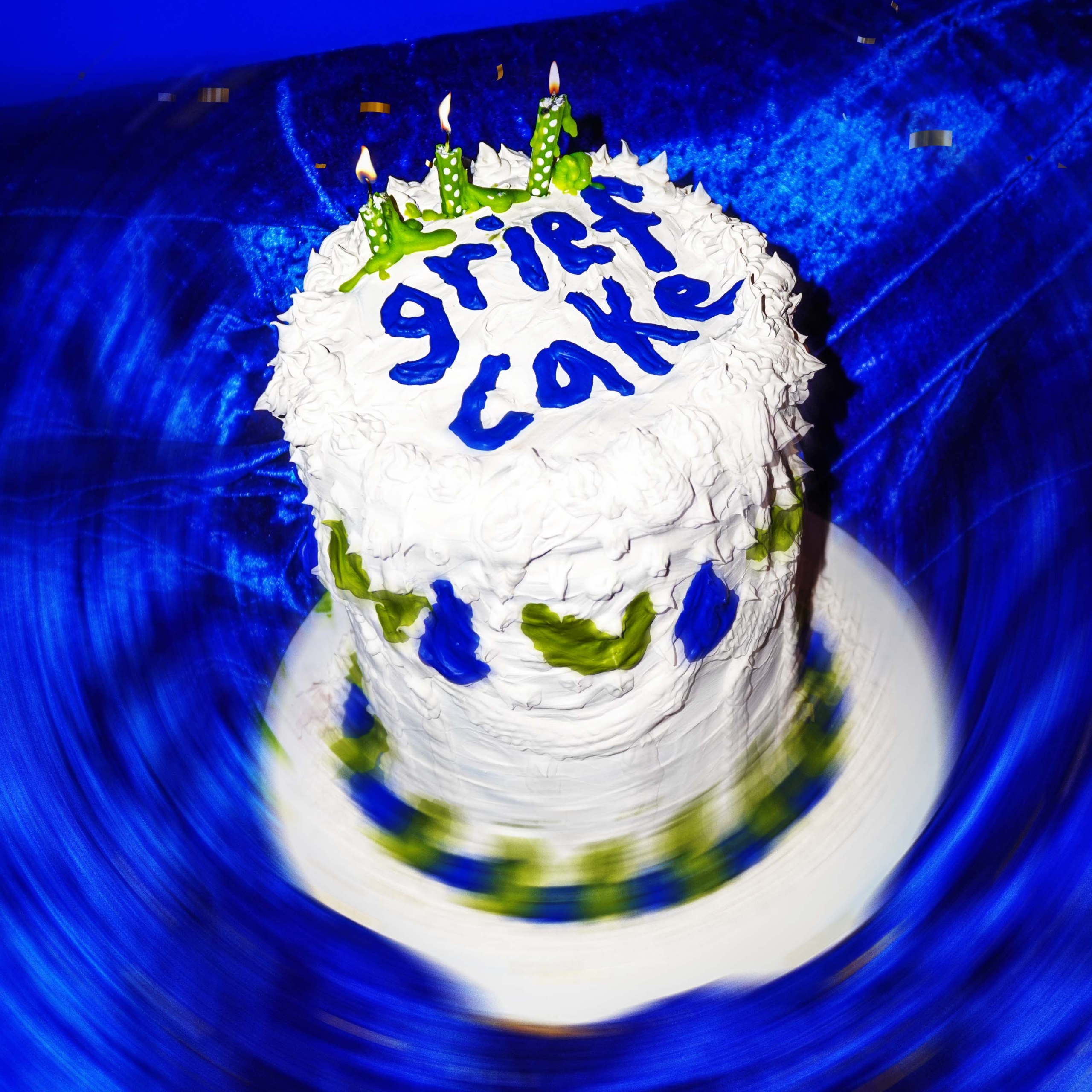
Written by Gabriel Bagahansol In late 2024, the band formerly known as No Lore released its final single under that name: a cover of Callalily’s 2006 classic “Magbalik” transformed into epic synthpop. Towards the end of the track, we hear frontwoman Tita Halaman deliver a rap verse on letting go of a troubled past and moving forward, adding an element of progression to a song of someone hopelessly saving what’s left of a dysfunctional relationship. By this point, No Lore was at a crossroads. Their music seemed tangled between the band’s roots as a guitar-based indiepop duo—and the organic but staid identity that comes with it—and a whole new lineup as a trio moving towards something else. With new creative impulses that appear to be at odds with the limiting nature of the band’s origins, letting go was something Tita Halaman, along with new members Kim and Carole, needed to do in order for them to fully embrace the ethos they now want to embody in their art. With a crashing crescendo that petered out into synth tones and beeps, No Lore was no more. Eight months later, after subsequently re-emerging as the electropop band NEW LORE, the three-piece would release their debut album ‘grief cake.’ Now operating from a clean slate, the members of NEW LORE paint glossy electropop soundscapes across this new batch of songs. The bright synths and saturated textures illuminate Tita Halaman’s straightforward and dynamic lyricism on navigating adulthood and its many tricks while drawing strength from the sincerity and frankness of one’s inner child. If the “Magbalik” cover was the death and burial of something that had run its course, the opening track “OH MATURITY” is the first step in rebuilding oneself. Free from the limited palette No Lore’s artistic identity afforded, the music bursts with a renewed sense of energy, as though a floodgate had been opened for a creative catharsis that is heard all throughout the album. That’s not to say there aren’t any growing pains, though: while Tita Halaman is eager to reflect on her past and become more optimistic and self-aware in her relationships, in the chorus, she laments the slow pace of these changes. On the breezy synthpop track “LOVING, HURTING,” Tita Halaman acknowledges that love can last in the belief that people can move past the mistakes they’ll inevitably make to each other. With the sound of a band that has immediately succeeded in working with their new sound, these two songs are a welcome introduction into the world of NEW LORE. NEW LORE’s embrace of electropop means they can now let the music add dimension to the stories they tell. On “DIRTY” and “GOODSIDES,” a pair of songs that tell contrasting views on trust and acceptance, the instrumentation is clear, dynamic, and colorful. This new approach helps us get a glimpse inside Tita Halaman’s mind as she tells these tales, particularly on “GOODSIDES,” where sweeping synths swell over an R&B beat that intensifies her wail of disappointment over someone she thought she knew well. Another example of the chemistry of words and sound that NEW LORE successfully blends throughout this album is “TRAFFIC,” where minor and major keys weave together as Tita Halaman sings about dancing to the radio with a lover while stuck in a traffic jam. Meanwhile, on the album highlight “WHO HURT U,” Tita Halaman’s words for an adversary are complemented by a dance punk groove that gives the song power, urgency, and fun. If the previous track sought an escape from lethargy, this one is the gas pedal push that’ll help you face your toughest moments headfirst with a sneering brave face. But the thread of life’s dualities continues to run through the album, and it culminates on the title track and album closer “GRIEF CAKE.” Here, Tita Halaman weeps for the end of a relationship she had fought so hard to keep alive. After trying to seek maturity, and now having gone through a bitter split, Tita Halaman has come to the realization that she is “just a kid,” making this one-half of a pair of songs — with the same key and tempo and all — that bookend this album. With ‘grief cake,’ the members of NEW LORE have given a nuanced take on growing into the many sides of adulthood, leaving no definitive answers when it comes to dealing with negativity, and instead calling on you to just have fun and never hold yourself back. It just makes sense why this album is named that way, and it also makes sense why the serious, sedate stylings of No Lore had to be forsaken for the urgent burst of freedom in NEW LORE. In early 2025, the band unveiled their new identity with “AMBITIOUS,” later the penultimate track on this album. It was the right way to kick off NEW LORE’s new story: its lyrics about shifting into new and exciting shapes, with an optimism punctuated by a sunny synthwave beat, is the ethos with which this remarkable re-debut was successfully built on. Reinvention shouldn’t have to come at the expense of your whimsy. In fact, it may just be the very thing that’ll get you there. SUPPORT THE ART AND THE ARTIST:

TRACK REVIEW: Your #1 Fan – Radio Transmission

Written by Gabriel Bagahansol Every artist starts out as a fan. You get exposed to all the ways people express themselves and enjoy it so much that you’d want to take a shot at it yourself. So just as the name “Your #1 Fan” suggests, Nica Feliciano started out living and breathing music – frequenting gigs in the underground music scene; playing bass guitar for bands such as Bird Dens, Thirds, and The Purest Blue; and even putting up her own indie rock shows. It was inevitable that Your #1 Fan would eventually be expanded into a music project; that time has come with the release of her debut single, “Radio Transmission.” The wonder and curiosity of being a fan is manifested in the music and lyrical themes of this song, a space rock ballad that sails like a probe traversing the cosmos. But the story remains mostly within the Earth’s atmosphere: here, Nica longs to make contact with somebody she loves who’s in another part of the world, wanting to know whether there’s a place for her in their heart even though they’re so far apart. The imagery of satellite communication courses through these lyrics, as it does in the music, with beeps and pulses that sound like incoming signals peppered throughout the song, which plays at a tempo meant to relive the grandeur of space travel. However, the song picks up speed halfway through as Nica begins to blur the boundaries between the vast distance of two lovers on opposite sides of the Earth and our collective smallness within the universe. It no longer matters that life means we’re all tiny figures tethered to an ultimately tiny place: as long as she makes contact with the one she loves, the concept of dimensions just fades away. Whenever we define ourselves with the celestial bodies, we often look to the Moon and its chase towards the Sun, or our relation with the  stars, or even the depth of the unknown. Therefore, to hear an exploration on the celestial bodies we ourselves have created, and how we used our discoveries of outer space to bring us closer to one another no matter where we are in the world, is refreshing for once. Which brings us back to the cyclical nature of the making of an artist: we take what we find in the artists that we love and make something from that for ourselves. With “Radio Transmission,” Your #1 Fan has successfully taken that one small step as an artist, and as Nica continues to release more music and plays more shows with this project, people can certainly look forward to the great leaps ahead. Who knows? You could become Your #1 Fan’s no. 1 fan. SUPPORT THE ART AND THE ARTIST:

EP REVIEW: Jess Connelly – fool’s gold

Written by Gabriel Bagahansol The interlude of “fool’s gold,” the latest EP from R&B singer-songwriter Jess Connelly, is a song that speaks of unconditional love. In under two minutes, she lays down creeds of a committed monogamy with somebody in spite of the vultures circling around them. The lyrics sung are the words we say to a lover when we know there is trust between the two of you, when acts of love need not be asked and feel like they just fall into place. But putting it another way, these are the things we say to ourselves when we hold on to a stagnating relationship, when complacency sets in, and feelings turn lukewarm. Now you’re desperate to keep the relationship steady, but you know it’s not getting any better, what with the permeating silence and all the lit matches ready to catch a moth. The honeymoon is over, which is why it makes sense that Jess named this track “indelulude.” This interlude is the turning point that bridges the two halves of a collection of songs in which Jess details the life cycle of a love that’s too good to be true: a rendezvous with a flame too thrilling to pass up on, too selfish to settle down with, but too powerful to forget. “fool’s gold” delivers this story upon a backdrop of class and elegance that we’ve come to expect from a Jess Connelly project, provided here by long-time collaborator LUSTBASS. The moody atmosphere of the music and the greyscale cover art bring a noir feel to the EP, especially with the live instrumentation of the opening track “flow.” The sense of space brought by recording a live band, drawn particularly from the cymbal-heavy drumming, complements the feeling of wonder and excitement in wanting to get close to someone new, as though we see two people cozying up to each other at a bar. But it doesn’t take long for mischief to set in. On “fool me twice,” we find that this new person has wandering eyes, and we get a feeling that what the two have between them may not be as serious as she had hoped it to be. Nevertheless, she sticks around for a while, spellbound by a one-sided fling with somebody she couldn’t refuse. But after this hallucination drifts in and out for the last time on “indelulude,” Jess has decided enough is enough. “never fall in love again” talks about the aftermath of this love affair, in which she makes it clear to her former lover that he will feel the absence of her unconditional love. But that doesn’t mean his absence hasn’t affected her either: after getting into a few rebounds, she reveals she might not be able to find true love just yet. The final stage of grief is acceptance, and in the closing track “let the bird fly,” Jess confesses that the time she spent with this man was unforgettable. Over a jittery drum break, we see her rekindle things with him despite everything she learned about people like him throughout this EP. This is the part where the real delusions set in, where acceptance is taken as a chance to blindly start over with someone who will never change and has taught another to do the same. Likewise, “fool’s gold,” in its intoxicating drama set to a warm, cozy score, is a project you will come back to again and again. Jess Connelly’s impeccable writing and composition, combined with LUSTBASS’s ear for space and instrumentation, have produced the perfect soundtrack to get you through a failed relationship, where you’re hung up on the things that could’ve been with someone you needed to get away from. Which brings us to the waltz-like beat at the end of the EP. It goes on for a few bars until it abruptly stops, slowing down like a record no one wants to hear again. Did Jess break the cycle? Were the events in the last song just all in her head? We can only guess the answers to these questions because the story is over. SUPPORT THE ART & THE ARTIST:

TRACK REVIEW: Andrea Obscura – Garden

Written by Gabriel Bagahansol After two years of inactivity, indie pop singer-songwriter Andrea Obscura re-emerges with a track that sees her manifesting the affection of a lover to settle down and—much like vines on a fence—grow together. True to this song’s name, her latest single conjures images of a garden teeming with life, cultivated by a loving couple through a lifetime of care and attention. All the parts that make up this song were performed with a marked tenderness. Electric guitars radiate like gentle sunlight over plants rooted to the ground by a steady rhythm section. These plants, of course, are the words Andrea would love to say to the person she wants to grow this garden with. Flanked by many-layered vocals, she lets them know in simple terms just how much she pines for their company, how willing she is to open herself up for this person, and how the search for their intimacy has left her weak and restless. From the song’s midpoint onwards, a hook is sung like an incantation, as though she were summoning her future lover right in the middle of that very garden. The purity of Andrea’s desires and intentions manifests itself in the clean production of this recording, which graces the ears with clarity and at just the right volume. Here, she tends to an ecosystem of lush melodies with a careful but confident touch, and a voice so delicate, it almost puts the song at risk of fleeting away like a cloud in a clear sky. But just as much as a plant needs the right amount of sun and water to grow well, these are all what the song needs to bloom life out of your speakers. Calling back to the landscapes painted with words by romantics so long ago, “Garden” is for those who want to devote a part of their lives to someone in a very special place. Listen to this song a few times, and you just might start waltzing with an imaginary lover somewhere in a grassy field over and over until, one day, somebody’s holding on to your arms in a dance only the two of you will know very well. Support the art and the artist:

TRACK REVIEW: fitterkarma – Pag-Ibig ay Kanibalismo II

Written by Gabriel Bagahansol Love makes you look for extremes in the mundane. The moment you realize the person beside you is the one you want to be with for life, you will do anything and everything to make sure the rest of the world exists for just the two of you. Love is a delightfully selfish thing, and if it means gladly cutting people up to turn them into stew at a dinner for two, then so be it. fitterkarma starts off their latest single sounding like a quintessential OPM ballad band from the 2000s; the potent blend of acoustic guitars and powerful snare drums, along with such a forward, in-your-face vocal performance, captures the sentimentality still craved by all two decades on. It’s perfect. In fact, it’s a little too perfect. Give this song a different set of lyrics and this would’ve been a drop in a sea of other senti hits. But fitterkarma has chosen not to float gently over love’s comforting waves. Instead, they’re diving down a trench, going against deep-sea pressure to explore something more overwhelming within the dark depths of love’s waters. Consider the idea of sharing blood-drenched kisses after a night of devouring tons of unsuspecting people. Death and destruction invoke euphoria, fueling a utopian paradise that washes away each other’s sorrows. You wouldn’t need drugs for that: that’ll get you in trouble anyway. These unhinged desires are the heart and soul of “Pag-Ibig ay Kanibalismo II”. Beneath the comfort of the music is a captivating void willing you to feed into the most morbid of romantic impulses; from sharing warm adobo made with love and somebody’s heart, to letting each other’s blood become one through the lips. These images, and the musical performance that carry them, form an irresistibly gory metaphor for love. fitterkarma’s embrace of folk horror to define romance is a stunning defiance over the usual idea that purity in love is only clean. After all, one of the strongest expressions of love is the unconditional acceptance of the one in front of you. And sometimes, that means consuming each other and shutting down all there is around you until all that is left is a quiet, tranquil bliss. Support the Art and the Artist:

ALBUM REVIEW: SOS – It Was A Moment

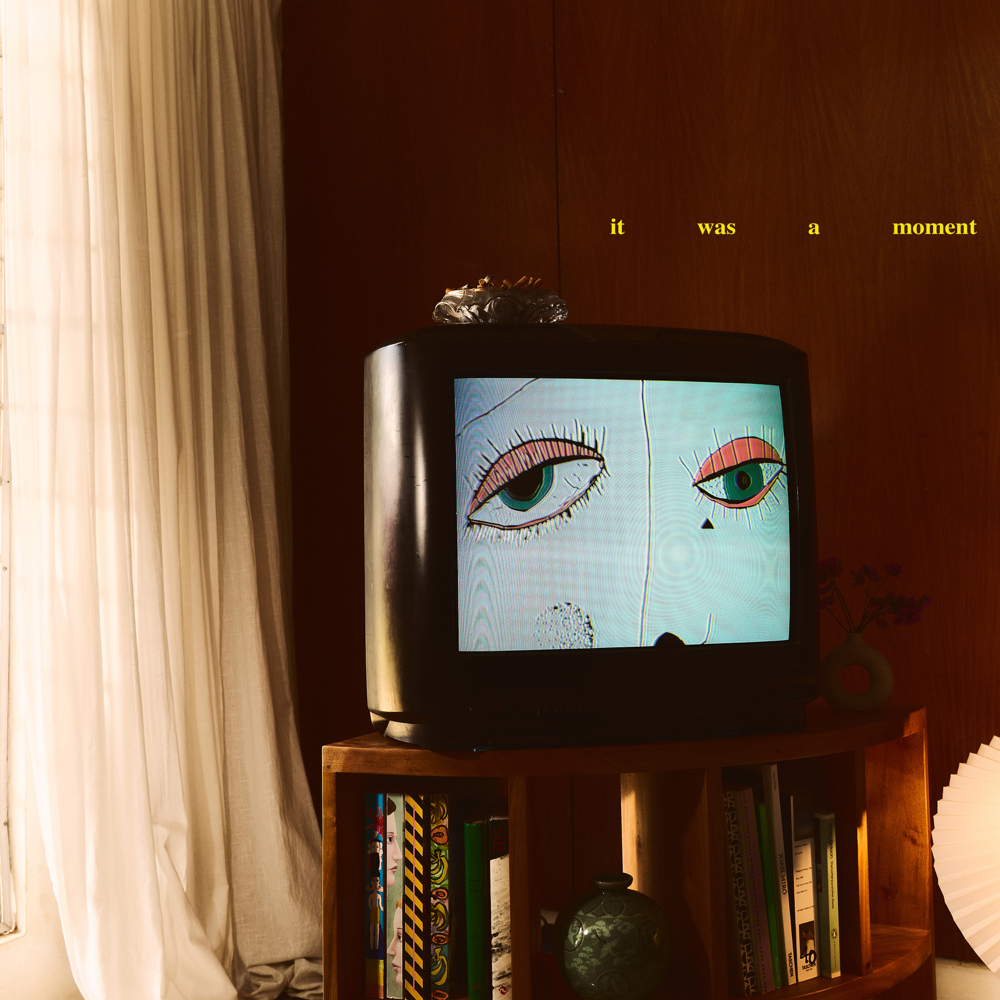
Written by Gabriel Bagahansol Starting off your band’s much-awaited sophomore album with lines like “I wrote some lyrics but it’s ten years later / I’m always worried that I’m past my prime” is a ballsy move when it’s been eight years since your first. Even more so when you’ve added these lines to a song you’ve been playing for more than a decade. A close up of the artwork for 2017’s Whatever That Was flickers on an old TV in a sunlit living room, as though that period in the band’s career were glory days they can only reminisce about. You could be forgiven for thinking SOS is staging a farewell, but this is the façade of nostalgia and reflection they have formed over their brand new album It Was A Moment, and that includes the opening track “Amore”, which finally saw completion after being a long-beloved live number by fans of the band. One listen and you can see why people have been clamoring for this for years: an energetic jangle bounces off from everyone in the band, amping things up with a rousing chorus that just makes you want to dance. All of that is very much intact here in the definitive version of “Amore,” except the uptight, aggressive iteration once heard at Route 196 and beyond is nowhere to be seen. Roberto Seña, along with fellow guitarist Andrew Panopio, has seemingly traded his fuzzbox for cleaner tones, has given the song a carefree environment to live in, and not only did the two of them make space for an acoustic guitar, apparently, there’s a synthesizer now? Outside of its nostalgia-tinged cover art, there’s hardly a trace of the band’s distant past in It Was A Moment. For the last eight years, many things have happened within the SOS camp. They did side projects outside the realm of rock n’ roll. They opened a recording studio above the sandy shores of Elyu. They even signed a brand new record deal, on James Reid’s Careless Music label, of all places. Somewhere in the middle of it all, after more than a decade of playing the same old song, they finally decided to fuck with the formula. 2020’s The Other Side saw SOS dabble with disco beats, synth layers, and a softer approach to their music. While a cynic can dismiss the EP as a mere experiment at a time where their guitar-based alt-rock would’ve felt out of place, it was otherwise a necessary shakeup in their musical palette. And now, with the addition of keyboardist Ram Alonzo into the lineup, SOS has turned the cozy, colorful landscape of The Other Side from a brief excursion to the first phase of an artistic evolution. You can hear them take the next few steps into this path on songs like “Roses”, a respectable synthwave track about trying not to ruin a new love affair, and “I’m Kidding,” an anthemic exercise in irony with a sing-along chorus about bottling yourself up and never saying what you really feel. After these two songs is the pensive elegy to lost youth that is “It’s History”, which also affirms you, the listener, that in spite of your failures, all of that is in the past and that you’re more than just your shortcomings. While these three songs showcase Seña’s eloquent way with words and imagery, musically, something is amiss. Despite superb performances by the band, held together by Anjo Silvoza’s melodic bass lines and drummer King Puentespina’s steady but dynamic drumming, these are moments in which SOS seem like they aren’t willing to change up their sound much. They feel more like a compromise between slightly less jagged guitars and marginally pop keys, ultimately stalling the record after the shot of adrenaline that is “Amore”. Where SOS really shines in this record is when they fully commit to challenging their artistic identity. A hi-hat-heavy drum machine and a floaty synth line welcome listeners to the smooth R&B number “French Exit”. Seña sounds so seductive and self-assured as he sings about a casual love affair and how he’ll leave a lover before they even know it, a far cry from the jittery expressions of 2017’s “Favoritism”. Meanwhile, on “Money,” a rigid but groovy electro-funk beat coexists with frustrations toward someone else’s attitude towards money, especially when Seña talks about the frustrations of being a musician in today’s economy. While the song is sullied a bit by his overzealous vocals, it offers an otherwise noteworthy insight on being a struggling artist today. These two songs highlight SOS’ potential in holding their own across other genres, reaping the rewards of their expeditions outside the band’s walls.  The back half of It Was A Moment, then, is further proof of how far SOS can break the lyrical and sonic barriers that have been placed against them. For one, “Please Lang” and “Seryoso,” the band’s first Filipino songs, show Seña successfully making his ramblings shine in our own language, his acerbic tongue more potent than ever as the Taglish words help him convey the strongest emotions in the simplest of words. Meanwhile, the remaining three songs give us a vision of what a fully-electronic SOS could sound like. Two of these, “Yumi & The Apocalypse” and “Love Kept Us Warm,” show two sides of a doomed relationship: wistful hopelessness faces off against cautious optimism in an atmosphere of sparkling keys, unrelenting drum patterns, irresistible chord progressions, and even a fadeout that’s delightfully-’80s. The title track that closes the album sees the band complete their transformation from guitar heroes to electro-pop stars through a moody number on the end of a relationship that should’ve been taken seriously. Regret permeates the song’s sparse instrumentation that recreates the lightheaded feeling of being alone with one too many drinks, the bridge even introducing chopped-up vocal samples straight out of mid-2010s Tumblr. However, it feels as though there’s more to this than meets the eye, with all  the talk about phases and the references

TRACK REVIEW: Zack Tabudlo – Diving

Written by Gabriel Bagahansol For a while, it seemed as though Zack Tabudlo’s stardom would go on forever. His style of charming pop and R&B tracks dominated the airwaves as the nation shifted back to normalcy from the pandemic, an imperial phase helped by the fact that he would constantly put music out, dropping a new single or album every few months. Lately, though, he couldn’t seem to land a hit song as easily as he used to. His star has been slowing down, and so has his output: he only released four singles last year. But after keeping a relatively low profile for the last few months, Zack is back, and upon brokering a deal with an American record label, it looks as though he’s taking a shot at a big comeback. And just like how it was a couple of years back, he didn’t waste any time. He’s got a new song out. Some might think that Diving sounds just like any other R&B track you can find at one of many chill playlists at your local streaming platform, but this does have enough of that Zack Tabudlo magic that they should probably pay attention to this one. Here, that magic is at its best; you got everything you’ve come to expect from his music, from his vocal melodies and the guitar lines that complement it to his soulful vocal range that goes all the way to an enchanting falsetto (which only shows up once in this song), to his lyrical mastery with the subject of love, which in this case is the tried-and-true topic of obsessive frustration over someone who’s love may not be true at all. It all comes together to form that kind of pop music realism that’ll make you believe this guy is riddled with jealousy and heartbreak and couldn’t snap out of it. As far as heart-rending songs of woefully unrequited love go, this hits all the right spots. While Diving may find itself lost in the shuffle of newer, shinier releases, it has, at least, enough defining qualities to make for a unique listening experience should it find its way to you. Play this a bunch of times and you’ll be reminded of just how good Zack Tabudlo’s music was when you had his music on a loop a few years ago, or caught it at a mall or the radio or TikTok.  Will this song immediately help him set the world on fire again? Probably not.  But it’s intriguing enough that once it gets pushed to a streaming service playlist in America, someone out there could hear and enjoy it to the point where they’ll soon find themselves diving into a whole world of music they’ve been missing out on. SUPPORT THE ART & THE ARTIST: