Written by Elijah P. In the crumbling digital landscape of the production’s sonic palette, we hear producer-singer’s jhl and their haunting presence linger in the distance, moving away from the destruction and ultimately building a kind of paradise in the penultimate 2025 single “All Up in Your Head.” Their latest single “Everything you want” harnesses the epic collage maximalism to its core and trades it for a more destructive, deconstructed club approach, meshing and glitching with the risers of trance’s past. At certain points, jhl knows when to tug at your heart through orchestral passages, channeling the seething energy of infatuation and the kind of colliding explosions that wipe the slate clean by the end. Moreover, “Everything You Want” and its R&B inflections make up for the track’s destructive atmosphere, where the former acts as a saving grace from the production’s more self-serious tendencies. As the New Zealand-Filipino creative looks toward working with the Minnesota Orchestra as one of their dream collaborations, their latest single helps channel their inner selves and their craving for physical contact through verse and melody. The chorus resists easy reading, splintered into multiple sections and buried under layers of a complicated composition. Still, there is beauty behind jhl’s madness, and somewhere in the noise, a sense of control. “Everything You Want” lands as an impressive collage club track. With New Zealand in the middle of a wider resurgence in electronic and experimental music, jhl stands out by staying unpredictable. There are too many DJs chasing the same lane, but artists like jhl feel harder to pin down. Support the art & the artist:

Tag: Elijah P.
TRACK REVIEW: Off to Neverland! – Boombox
The saturation of pop rock music feels like it has already reached a familiar endpoint. At this point, you would expect that specific bubble economy of guitar licks and post-Matty Healy vocal inflections to evolve, right? Well, Off to Neverland’s latest single “Boombox” doubles down into that space without pushing the envelope. With flourishing synthesizers, vocal runs, rhythm guitars layered over tight drum patterns, and a guitar solo that oddly sits right before the chorus, the band sticks closely to a formula that’s been circulating since the late 2010s. The track sways confidently within that lane, even if it doesn’t necessarily challenge the methods of pop. Lines like “Come on down / Get the door for me” echo a kind of polished, throwback pogi rock energy that depends heavily on nostalgia to land. There’s a lot of promise here, but not much in the way of seeking reinvention. Even the idea of the “boombox” as a central image leans more into a familiar romantic gesture than something reworked for the present. A boombox is eventually rendered useless. Time to drag yourself back in the present. SUPPORT THE ART AND THE ARTIST:
ALBUM REVIEW: PRAY – THANKGOD4ALLDIS$WAG
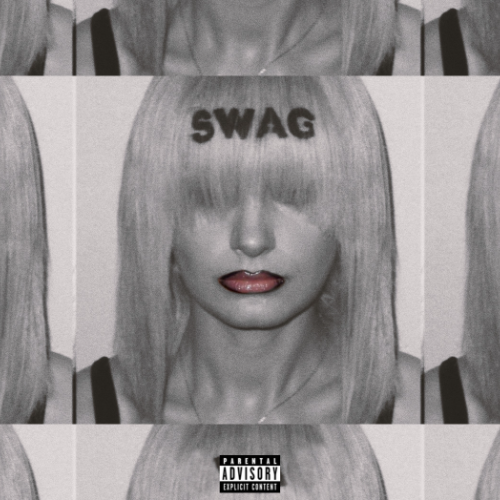
Written by Elijah P. PRAY is one of those Manila rap outliers who know how to play the game from the very beginning. On his debut project ‘THANKGOD4ALLDIS$WAG,’ he walks in already dressed for the role: “gangway” street styling, flex-first instincts, and a slightly pitched-up delivery that turns his nasal cadence into its own signature. The tape runs under 20 minutes and barely lets any track breathe past the two-minute mark, which is part of the point. This isn’t a rap “album” in the old sense. It moves like an Instagram timeline refresh: fast, glossy, and prepped for replay. For all its iced-out production luster, PRAY’s strength isn’t merely identifiable trap aesthetics. He understands how to sit inside production and steer it. His ear works like a DJ’s. The beats across “MONEY COUNTER,” “RA$TA,” “F*CK AGAIN,” and “$YRUP TSAKA DOPE” hit that sweet spot where rage energy and cloud-rap drift start bleeding into each other; Trap hi-hats flare up, melodies blur into neon haze, then PRAY slides through with a calm, almost smug control. He raps like he’s narrating a lifestyle he’s already living, pitching into his dreams he hopes to buy into. He even plays a Kodak Black sample of “counting money” as one of the “freakiest things” he’s ever done. Lyrically, he plays the expected cards: money, lust, lean syrup-soaked bravado. Still, the project doesn’t collapse under cliché, because PRAY knows how to sell a line. His hooks land, his timing stays sharp, and his vocal tone has enough character to keep the tape from feeling like another copy-paste flex mission.With all its charismatic end result, THANKGOD4ALLDIS$WAG won’t convert the experimental rap purists, and PRAY isn’t aiming for that crowd anyway. This is music for the city’s wired-up nights, for kids who treat Instagram as a moodboard and ground zero for the come-up. PRAY enters 2026 with real potential, and this debut proves he can get ahead of the game. Support the art and the artist:
TRACK REVIEW: maki! – popout
Written by Elijah P. “Lahat sabog/ fuck it, we get lit,” maki! declares on “popout,” a year-opener single that wastes zero time pretending it’s anything deeper than adrenaline and appetite. But that’s the trick: what sounds like disposable turn-up rap is also a tight little mission statement. maki! opens the track greeting the listener like he’s clocking into a shift, then asks for love with the kind of hunger that most rappers like him wouldn’t barely achieve. maki! does it effortlessly. “popout” runs under two minutes, and it moves at the speed of an online reel. The beat leans into bitcrushed, 8-bit textures, turning trap into something glitchy and pixelated. maki! slides across it with melodic autotune warps and chopped-up vocal flickers, tossing newly heated ad-libs. The parking-lot setting in the song’s music video feels right: fluorescent, chaotic, nocturnal, and ready for trouble. What separates him from the usual mumble haze is that he actually commits to a slightly tilted rise of momentum. He gets from point A to point B cleanly, no dead air, no lazy hook crutch, no filler bars pretending to be vibes. With the internet pushing this slayr/CHE-adjacent strain of pixel-trap forward, maki! sounds tapped into the mutation early, proving local rap gets to catch up, sharpening their skillset into something truly their own. Support the art and the artist:
TRACK REVIEW: NICKOTINE – BLOW BLOW
Written by Elijah P. NICKOTINE sits in a strange corner of the electronic dance space. They operate with the focus of a producer who knows exactly where to push the limits and does not bother waiting for permission. Their singles catalog running from 2024 already runs long enough to fuel an entire DJ set, and every release hits with the blunt force of someone who refuses to soften a single edge. The shift from the old Nicko Erotica moniker to NICKOTINE speaks for itself. They never relied on a safe route, and they continue to avoid any lane that asks them to pull back. Their TikTok gives a glimpse of how their mind works: Short clips, tight captions, and a kind of humor that turns the abrasive quality of their songs into a punchline. “BLOW BLOW” doubles down on that attitude. The track launches straight into hedonistic lines and a wall of mechanical horns that grind against buzzing synths. The whole thing comes together like a controlled collision. NICKOTINE built a following through SoundCloud drops that move between techno and deconstructed club. That following continues to grow because each release carries a sharp personality that rarely surfaces in the local dance scene. They have close to 19k followers on TikTok, which raises a bigger question: how many clubs and curators have yet to notice what they can do? The wild part is that they produce everything through a phone. No laptop. No full home setup. Just instinct and speed. Keep NICKOTINE in your sightline now. Support the art & the artist:

ALBUM REVIEW: mako badco – songs from a time
Written by Elijah P. When the buzzing synths mimic analog guitar riffs or a drum machine slices through autotuned wails of teenage yearning, you know you’re inside mako badco’s world. On ‘songs from a time,’ that world feels like an endless internet feed—chaotic, messy, oddly moving. It’s the sound of a keyboard tumbling into infinite melodies, sometimes colliding, sometimes euphoric, always glued together by curiosity and instinct. The project first surfaced in the algorithmic haze of SoundCloud, buried among my recommendations, but what sets it apart is how addictive it becomes once you tune in. mako badco pulls from trance, indietronica, and experimental hip-hop in the vein of Evanora Unlimited, underscores, and deer park, yet reshapes those influences into something less polished but more personal. Across its quick 19 minutes, ‘songs from a time’ offers surprising range within its lo-fi haze. “someone real,” featuring ivy2k, pairs glitchy crooning with a cracked emotional pulse. “offline!” veers toward overt sentimentality, a yearning for connection in a world that never seems to log out. The highlight, “relieve me of…,” leans on low-pass breakbeats and submerged atmospherics, hitting hard without overstaying its welcome. Each track feels like a fragment pulled from an endless scroll, but together they form a snapshot of what it’s like to be young, wired-in, and searching. If the project falters, it’s in its looseness—songs sometimes drift without resolution, melodies threaten to evaporate before fully landing. But the imperfection is part of the charm. In between the buzzing synths and cracked vocals is a clear voice brimming with earnestness and restless ambition. It may not yet be fully formed, but ‘songs from a time’ makes one thing clear: mako badco has potential worth watching, grain, noise, and all. Support the art & the artist:
ALBUM REVIEW: Supafly — GRA GRA GC10SHEEP
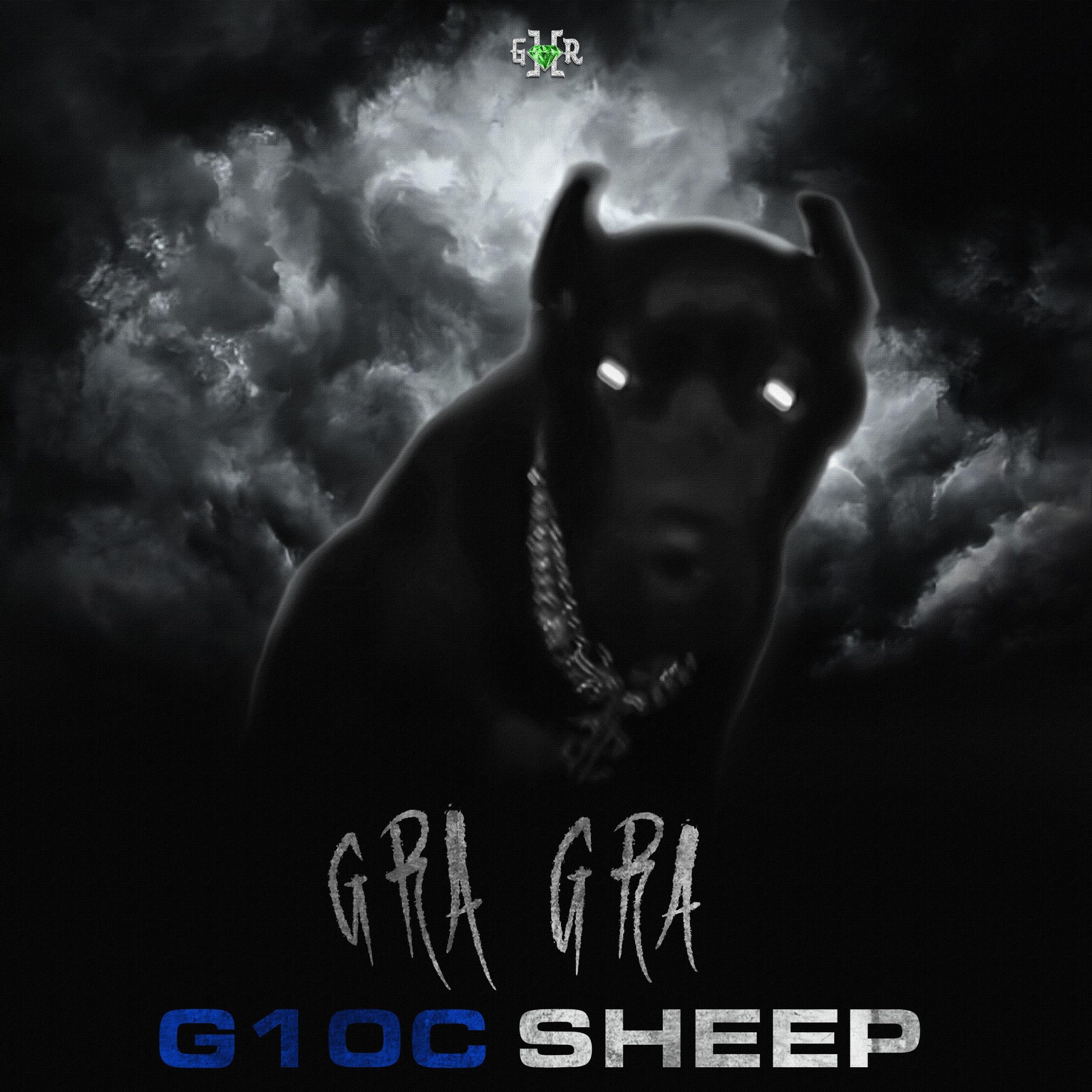
Written by Elijah P. Greenhouse Records has never been short on rappers—the kind who call themselves “young stunnas” with a straight face, or the ones who treat head-to-toe blue as a genuine lifestyle rather than a fashion choice. Some are punchlines, others are bullet magnets, but Supafly? He’s built differently. Or at least that’s the idea. His latest album, GRA GRA GC10SHEEP, positions itself as a victory lap following 2022’s BAKASAKALI and his collaboration album with Because, but three years is a long time in rap, and Greenhouse’s rise—marked by block parties, barangay SK gigs, and a UP Fair slot—hasn’t necessarily sharpened Supafly’s edge. If anything, it’s left him leaning on a crew that’s more crutch than cavalry. Tracks like “LOOT” (featuring Hellmerry) and “Batista Bomb” stand out precisely because they’re among the few where Supafly doesn’t drown in guest verses. There’s a swagger here that doesn’t require a posse to prop it up—no filler, no dead space. But those moments are rare. Too often, GRA GRA GC10SHEEP feels like a relay race where nobody drops the baton, but nobody really sprints either. The album’s midsection is a revolving door of Greenhouse’s usual suspects: Gat Putch, Buddahbeads, Lexus, and Sica. Their verses don’t elevate each other; they congest the tracklisting from start to finish. On “AUTOFLY,” a hook that could’ve hit hard instead lands like an afterthought, buried under a testosterone pile-up. Worse, the production leans on references so blatant they border on parody. “SIZZURP” rides a Memphis bounce that’s less homage and more hand-me-down, while “BATISTA BOMB” nicks the skeletal menace of Travis Scott and Playboi Carti’s “FE!N” without adding anything new. When the album works, it’s despite itself. “LOOT,” “BALAGBAGAN,” and “DGHR” are chaotic in the best way; the kind of tracks where the energy feels live-wired, unpredictable, and hard-hitting production-wise. But this is supposed to be Supafly’s show, and GRA GRA GC10SHEEP rarely lets him own it. For a rapper who’s spent years carving out a name, this album oddly insists he’s just another face in the crowd. The irony? Greenhouse’s rise might’ve given him a bigger stage, but here, he’s still playing backup. Support the art and the artist:
EP REVIEW: jucu – tanging alaala
Written by Elijah P. Solo artist jucu doesn’t fake it. His latest EP, tanging alaala, plays like a memory dragged into the present—half-faded, half-reconstructed, but it doesn’t pretend to be authentic. The “distant memories” he sketches out aren’t framed through nostalgia but through the raw texture of alternative sounds. These are genres that doubled as both shelter and symptom during the post-pandemic ennui: post-punk, shoegaze, indie-folk, and other guitar-led corners of the scene. It’s a familiar palette for Gen Z’s genre-hopping musicians—the ones who aren’t afraid to twist the template and upload the results straight to the void (for this case, his expansive discography on his Soundcloud account). tanging alaala reads like a dare. It’s a direct translation: “only memory.” Obvious? Sure. But it works because jucu doesn’t try to cloak honesty in metaphor. The name is a low-hanging fruit, but sometimes, that’s where the sweetness is. From the opening tracks, “Insomnia” and “Salubong ng Ating Mata,” jucu shoves expectations aside; Drum machines sprint, and the acoustic riffs snap into reverb-heavy guitar washes. The production jolts, but it holds together. “Cookies and Cream,” the EP’s centerpiece, sprawls out at six minutes—a dangerous length for a young artist worth their salt in sticking to one sound—but jucu makes it land. The track meanders through hazy shoegaze into a kind of misted-over noise rock, his vocals ghostly, but it so happens to stay grounded throughout the entire thing. By the time “our love has faded away” hits, the emotional terrain feels more regional than imported, it is transformed into post-punk grown from local soil instead of borrowed from across the ponds of the revivalists of the North Americas (think Beat Happening, Surf Curse or even Voxtrot) or even the cloudy skies of the United Kingdom (think Cleaners from Venus, Joy Division or Young Marble Giants). No, tanging alaala doesn’t transcend genre—it doesn’t try to. And maybe that’s its biggest strength. jucu knows the blueprint and doesn’t flinch. He stays inside the frame but paints it with a sense of clarity most genre experimenters tend to blur. The textures, the pacing, the commitment to the mood: it’s all consistent. Maybe too consistent, whereas the conventions might act as a detriment if ever they choose to lessen the experimentation and continue to rely on these conventions heavily. There are moments in this EP that beg for rupture or surprise, but jucu plays it straight, showing that sometimes the best way to make a statement is to simply do the thing well. It’s not anything new, per se, but rather a refinement of the sound. There’s something real forming here—maybe even something worth sticking around for. tanging alaala diamond in the rough waiting to be discovered. SUPPORT THE ART & THE ARTIST:
TRACK REVIEW: zayALLCAPS – MTV’s Pimp My Ride
Written by Elijah P. It isn’t blatant nostalgia. In fact, it’s the opposite – almost a parody of it. But who’s counting? zayALLCAPS leans hard in between the College Dropout-era “Slow Jamz” and XXYYXX debut territory with his infectious single, “MTV’s Pimp My Ride.” The LA-to-Sacramento Fil-Am crooner-rapper hybrid dropped what could be part of a larger, era-defining compilation tape, but here, R&B gets stripped down to its barest parts. And in this standalone track, somehow it’s also his most cohesive single to date. This isn’t the smooth, synth-led sound of one-dimensional R&B. Instead, zayALLCAPS pulls from the raw textures of the early 2010s LA beat scene, delivering a jagged, off-kilter love letter to the genre. The track stacks harmony over harmony, layering falsetto and grit against pounding 808s that bend the shape of the song. It’s disorienting in the best way, warping the flow just enough to keep you leaning forward. But even as the production threatens to unravel, zayALLCAPS stays locked in vocally, anchoring every moment. “MTV’s Pimp My Ride” sticks. There’s a reason West Coast melodicism has lasted this long, and zayALLCAPS makes it clear he’s not letting go anytime soon. SUPPORT THE ART & THE ARTIST:
TRACK REVIEW: sumther – forget
Written by Elijah P. sumther’s latest track “forget” sounds like the best kind of house party—the one that spills from a cramped Tomas Morato club into school hallways and basketball courts, chasing sunrise with reckless abandon. Known for his intimate plugg experiments, the artist sheds his bedroom producer skin here, embracing a bigger, brasher sound that crackles with the energy of someone discovering their voice at just the right moment. Where his earlier Soundcloud loosies reveled in microgenre nuances, “forget” plays like a manifesto. sumther was trading pluggnb’s melancholy for a swaggering, synth-drenched anthem about moving on (but only after one last dance). The genius lies in its duality: it’s a breakup song disguised as a party starter, with lyrics that sting even as the 808s and the piano lines dare you not to move. The production expands his world beyond sub-bass corners. Snares and synths ricochet like sneakers on gym floors, melodies shimmer like spilled vodka under strobe lights, and sumther’s delivery—part-sung, part-rapped—carries the giddy exhaustion of someone who’s stayed up too late feeling everything at once. It’s a coming-of-age moment bottled in two-and-a-half minutes: proof that his knack for earworm hooks (that chorus lingers like next-day confetti in your hair) could propel him from niche favorite to undeniable mainstay. If this is sumther unchained, imagine what’s next. SUPPORT THE ART AND THE ARTIST: