EP REVIEW: Yaelokre – Origins

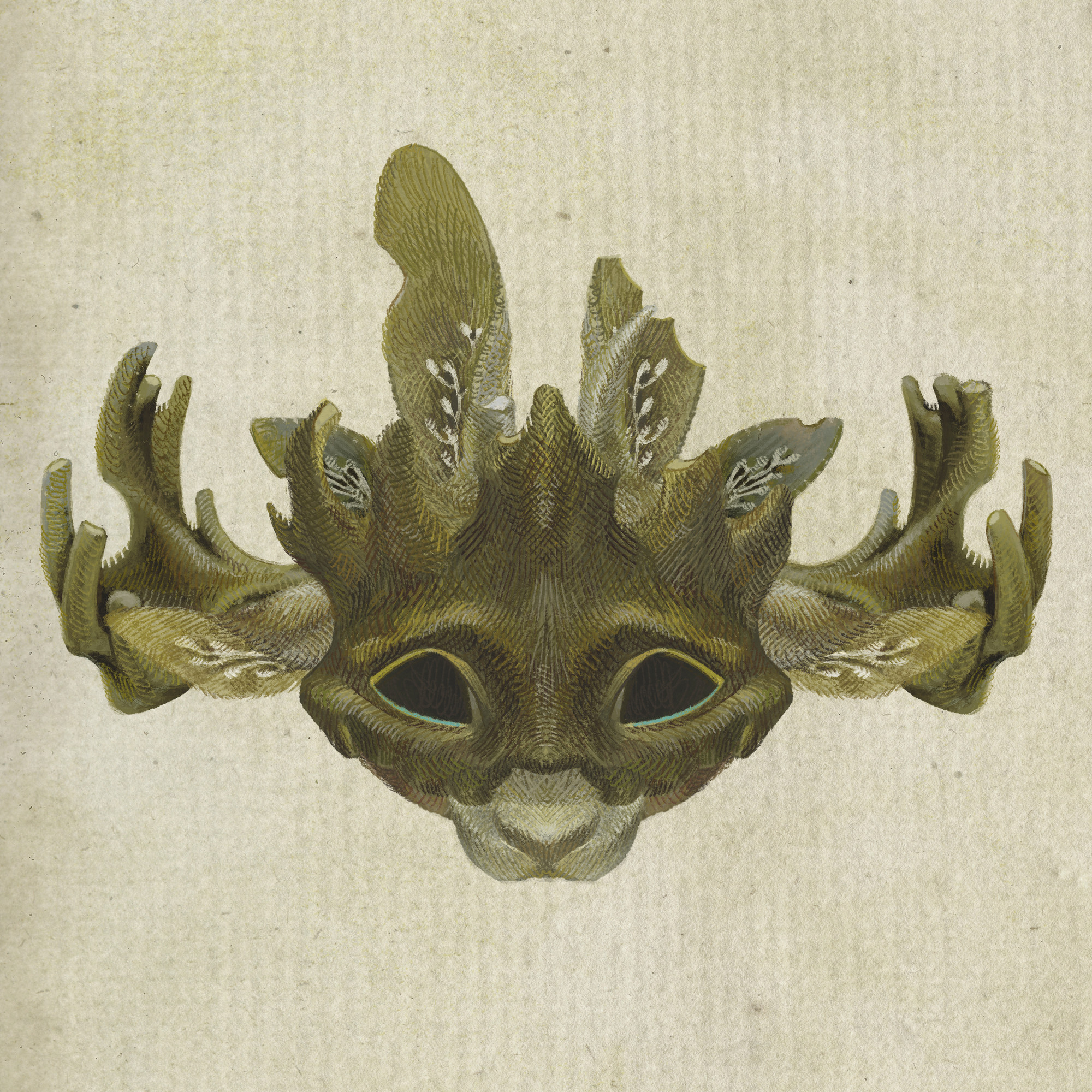
Written by Francine Sundiang Yaelokre understands that sounds alone can evoke fantasy worlds. Arguably the most exciting artist to come out of the Philippines as of late, Keath Osk’s musical storytelling project has rejected the overtly autobiographical tendencies of many songwriters, while still managing to be deeply personal through and through. If their first EP, ‘Hayfields,’ was an introduction to the world of Meadowlark, ‘Origins’ acts as an expansion of their worldbuilding. The first track “My farewells to the fields” starts with isolated strums of their guitalele, you are instantly taken somewhere else, to a scene in a land of fantasy, to a storyteller gathering listeners around in a circle, sharing a tale in hushed whispers that eventually turn into cries of triumph, a tale of leaving an old home and finding sanctuary in a found family. The track’s thematic richness manages to cut through to even the most casual listener. “Bird cage blue and yellow” is a track that exudes character, both that of the in-universe storyteller and that of Osk’s. “I can be different, I can’t be puppeted!” they both proclaim in a dramatic declaration of independence and self-determination in the face of the overwhelming pressure to conform. The artist’s heritage is on full display here as Osk softly sings in Icelandic and repeats lines in Filipino, a combination that wonderfully contrasts with each other while still being in harmony. While “To douse a scalded tongue” seems to promise to be a more mellow track compared to the previous two, that assumption is quickly proven wrong with an abrupt lofi vocal more akin to a condemnation than a song. It’s a call to action, inviting the listener to get up and refuse to stay silent. From here, it’s clear that Osk intends to keep the intensity up throughout the EP, never giving the listener a break from their theatrics and dramatic flair.  The EP closes with “Kamahalan,” unique in all of the Yaelokre discography by being fully in Filipino. It is every bit as intense as all the other songs in the tracklist, but it achieves this through pounding percussion and a bassline that adds a subtle yet significant groove. While there is no lull in energy, it still manages to be a satisfying ending, and before you know it, the scene of masked storytellers in your head fades away as you’re taken back to reality. ‘Origins’ is a reinforcement of what the Yaelokre project stands for, which is fitting for an EP that explains the backstories of the four main characters. It is a desperate plea to you, the listener, to listen to your inner child, to unapologetically be your authentic self, no matter how much you are pressured not to. It’s just up to you if you have the courage to heed that call, a call made clearer in one of Yaelokre’s most compelling set of stories yet. SUPPORT THE ART AND THE ARTIST:

TRACK REVIEW: Franz Guico – di ko aaminin

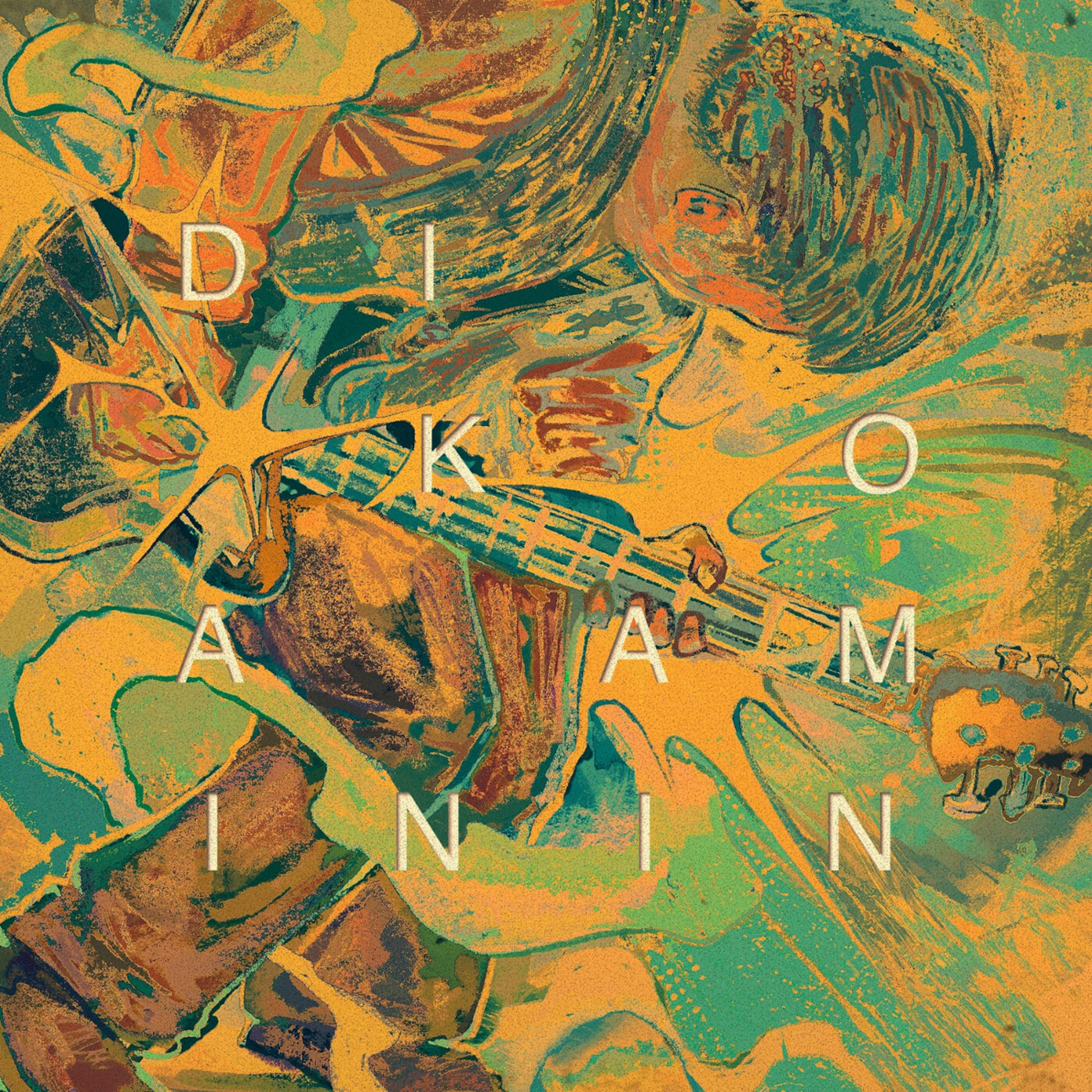
Written by Rory Marshall Cagayan De Oro’s very own Franz Guico switches things up in his newest release, “di ko aaminin.” The folk singer-songwriter has taken a nudge in a different direction with his first single of 2025. Franz Guico has built up a reputation for soft, heartfelt acoustic tracks – reminiscent of haranas and sweet ballads, but with “di ko aaminin,” he casts his music in another light with a Math Rock twang. Nothing is lost with the new sound. Everything that made his music work before is present in the track, just with a new coat of paint. With his honeyed lyrics and melodies that seem to take residence in your ear long after the song ends, now accompanied with a shifting time signature and twinkly, complex guitar riffs, this feels more like an evolution rather than a switch-up. He’s no stranger to intricacies in his guitar playing, as seen in his previous folk tracks like “at nagkagulo”, but in this new single, the translation is seamless. All that’s different is the switch from soft acoustic to crunchy electric guitars. That, paired with crashy drums and a harmonic breakdown to close out the song, by the end of it, you’re left wondering how well his two styles complement each other. Is it a step in the right direction? Yes. His discography has a lot of heart, with tracks like “dahan dahan ka nang nawawala” and “ikaw na ang buhay ko” deserving more recognition than they have, but it wouldn’t be a far cry to label his discography a drop in the bucket of singer-songwriter OPM. Experimentation is healthy, and shaking things up is a natural part in the artistic process. It doesn’t always result in a success or a path the artist wants to pursue, but for the case of Franz Guico and “di ko aaminin”, this is an avenue worth exploring. SUPPORT THE ART AND THE ARTIST:

ALBUM REVIEW: Dark Horse – Spirituals

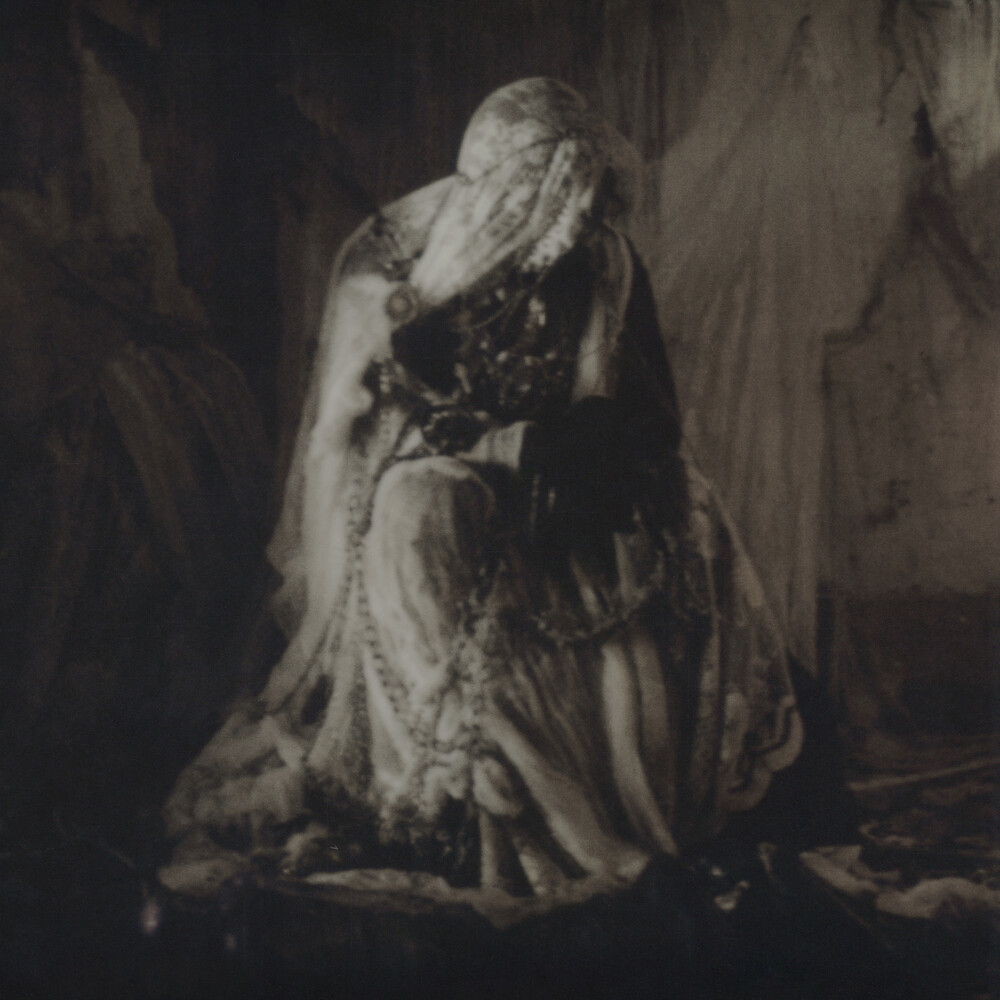
Written by Nikolai Dineros There is this inherent pressure for concept albums to be atemporal. Perhaps rooted in misinterpretation, the idea of a concept album being similar to that of an odyssey revealing gospel truths of whatever musings its creator has willed into existence. What follows usually is a prophetic candor reaching apocalyptic scales. Dark Horse’s debut album ‘Spirituals’ challenged my idea of a concept album. Behind ‘Spirituals’ is an ensemble from two major players in the underground — and I don’t mean any local music scene. Renowned author and alternative culture connoisseur Karl De Mesa and Ronnel Vivo of the Vivo Brothers fame (known for Basalt Shrine, Dagtum, Sound Carpentry Records, atbp.), among others, join forces to create this brooding experimental doom folk project. The production of ‘Spirituals’ showcases the duo’s mastery of dread. Despite his proclivities and inclination for heavy sounds that demand your full attention, Vivo’s presence in ‘Spirituals’ is more understated than in his previous projects. This time, he plays a complementary role, taking charge in creating the needed ambience that gives De Mesa’s performance the urgency and biblical breadth fitting for an album that is more prose than a technical display of musical proficiency. The name Karl De Mesa is one linked to horror, more so the banality of it in the life of the everyday Filipino. Anyone familiar with his body of work would know his affliction for themes of family and resistance. The album’s single “Comrade Buddha” revisits this common Demesian trope, as explored in his earlier essays found in “Report from the Abyss.” More succinctly, a postmortem reflection of an ideal or a past, more formative self that bore witness to such tumultuous events. Binding spirituality and armed resistance and weaving it into a perturbed hymn is just the cherry on top, further displaying the masterful duo of De Mesa and Vivo. Meanwhile, “I Offer Pslams” finds the author recounting his memories in specific places, paying tribute to his mother in a solemn act of devotion. The album’s denouement, “Airwaves (A New Song of Darkness),” carries an oppressive air that leaves the listener in a claustrophobic state, as supplemented by Vivo’s scornful production work. These are just two examples of how De Mesa reveals himself in his writings; it is no surprise that these characteristics would bleed into his music. And not to mention, “I Offer Psalms” and “Comrade Buddha” are two of the highlights from this album. The other tracks, however, all follow the same pattern: tirades of cataclysmic scales interwoven in layers of cryptic wordplay – some are piercing, some barely scrape the epidermis. With all that being said, ‘Spirituals’ left me with more questions than answers. First, the album did not leave us with a satisfying conclusion to ascertain its connection to De Mesa’s past works, perhaps by design. What does the concept of an album say about the ever-changing state of the artist? Does it hold water when challenged by time and circumstance? ‘Spirituals’ approaches ideas in albums not like the be-all-end-all I may have mistaken them to be. Rather, it takes a larger-than-life concept (that is, De Mesa’s encyclopaedic knowledge of the systemic horrors he grew up with) and shrinks it to the size of a ball — a small yet dense ball. It might take me forever to parse every line, every subtext in Dark Horse’s debut album in connection to what I know of the artists involved in this project, how Vivo interpreted and translated these messages into sound, and how ideas can be tackled and revolved around by artists pursuing such ambitious endeavors. For now, I am satisfied with the knowledge that ideas are temporal. There are no hard-and-fast rules in creating art that stands the test of time — or even if they should. Whether ideas are reflective of the artist’s current state of mind, the connection ends the next time they hold the pen. Support the art and the artist: Spirituals by Dark Horse

TRACK REVIEW: To Love Everything Ever Again – Jonah

Written by Elijah P. In every scattered, programmed drum loop, bitpop-influenced keys, meddling string section, and vocal delivery, there’s an underlying sensitive theme at play in “To Love Everything Again” — the solo indietronica and chamber pop project of Janpol Estrella. The track exudes a tight embrace and a strong tug at the heartstrings. It’s quiet yet hauntingly melodic; there’s lingering depression yet a playful energy that hangs in balance with a grim foresight. “Jonah” is the debut single you shouldn’t miss. Singing about sensitive topics such as sudden urges of suicide and the like, Estrella carefully orchestrates an experimental thread of influences: electronica weaving through folk-inspired elements and such. While listeners groove to “Jonah,” it serves as an assuring sign of hope and a reminder of the reality we all must face eventually. The concept of “youth” remains central to the artist and its listeners, as experimentation and pushing the envelope exist on the fold, which is exactly what To Love Everything Ever Again is doing right. “Jonah” is a single that everyone should check out in the year 2024. Support the art & the artist:

TRACK REVIEW: Japanese Surplus – unceremoniously

Written by Elijah P. Soundcloud in 2023 is rich in material to the point that solo artists are still celebrated to this day, whether it would be a bedroom musician making random notes on a toy piano to the nearest black metal project found in your local barangay. And one of them that shares the local spotlight is up-and-coming singer-songwriter, Japanese Surplus.  In their latest track titled “unceremoniously”, there’s a lingering feeling from the fuzzy reception of “lovespring” to the recurrence of themes in the latest track. The artist’s warm voice shines brighter than the lackadaisical guitar chords and beatbox, acting as a hybrid of Aly Cabral’s vocal runs and Jasmine Rodger’s (bôa) melody-making. Albeit the uncommon comparisons, there’s fair treatment of potential waiting to come out at any given time. And Japanese Surplus is one of the writers to watch out for today in the current province-wide crop of singer-songwriters. SUPPORT THE ART & THE ARTIST: