

Written by Paolo Elwick
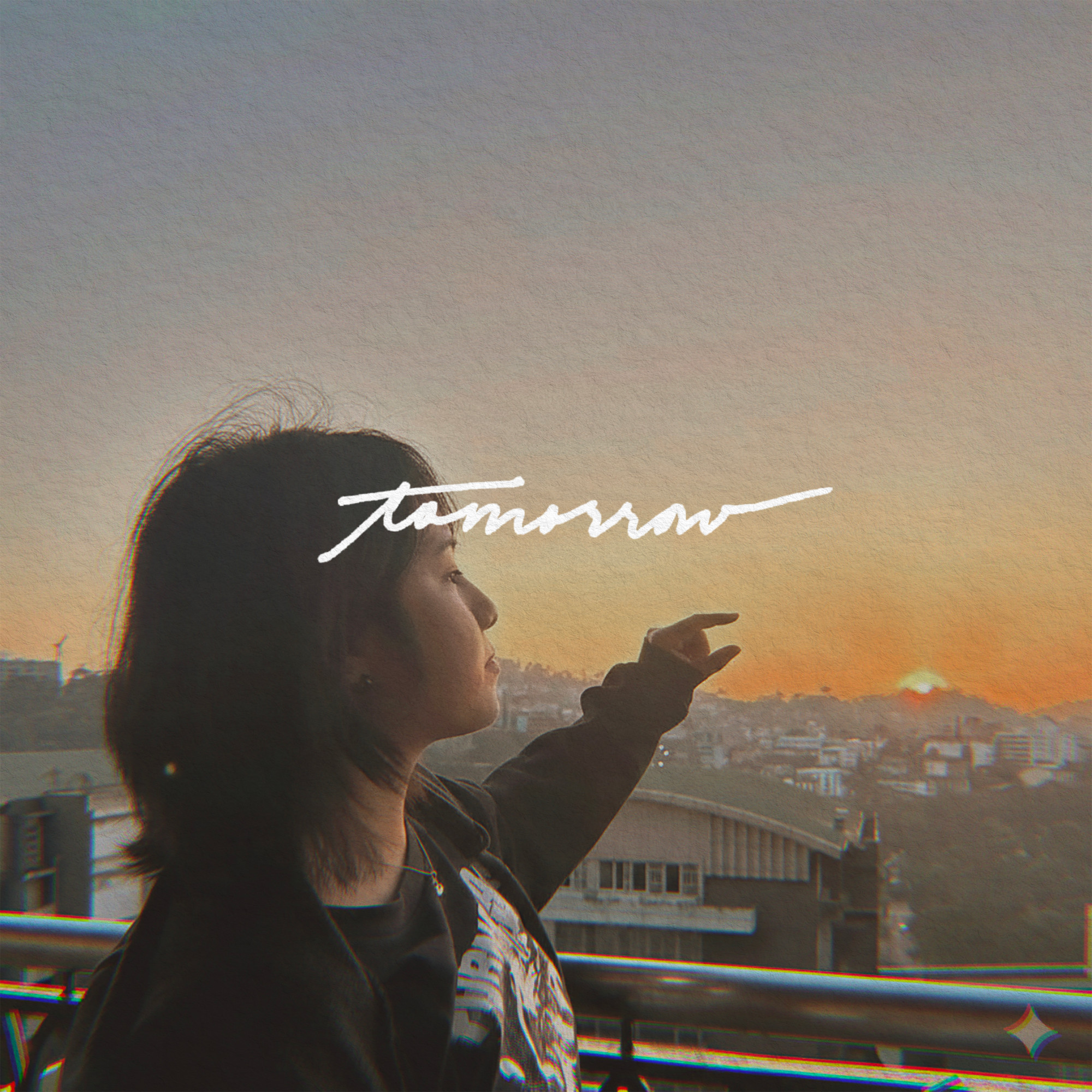
Tomorrow usually doesn’t take long to arrive, but for fans of Cebu-based indie rock band School Girl Classic, it took six years before “Tomorrow.”
During this period, the band’s members went their separate ways: one moved hundreds of kilometers away, another now plays for multiple other bands, and one is balancing a career in design while still making music. But as each carved out their own path, the future of School Girl Classic turned uncertain. And yet, even as the band drifted apart, the voice at the center of their music still stayed the same—Hana, the fictional schoolgirl through whose eyes their stories have always been told. She has always been the band’s narrator and mirror, a medium to communicate the relatable uncertainty that comes with growing up. In many ways, her story feels inseparable from the band’s own, making their return with “Tomorrow” not just about picking up where they left off, but about revisiting a character who, like them, has had plenty of time to change.
Their growth is given the opportunity to shine through the single’s lyricism. On the one hand, it reads like a conversation with an old friend, full of updates, questions, and reminders. But on the other, it builds a harmonic mantra through tasteful repetition. Together, these give the song a friendly and approachable sense of familiarity that perfectly matches the instrumental’s various emotional ebbs and flows. And with a laidback drum loop as the steady foundation, the strings are given ample space to shine with riffs that build rhythm, and licks that emphasize and stress like sonic punctuation marks.
But “Tomorrow” isn’t just about growth; it’s also the band’s honest thoughts on time, waiting, and coming back—letting listeners know through Hana that the years in between their releases don’t just feel like gaps that they’re rushing to fill. The band chooses to acknowledge the distance, the change, and the uncertainty that have shaped who they are now.
In the end, School Girl Classic’s “Tomorrow” is a reminder that coming back doesn’t mean returning to the exact same place. Things have shifted, people have grown, and even Hana, the fictional schoolgirl, now speaks with a little more clarity and intention. Waiting, then, becomes part of the story rather than something separate from it. With that in mind, “Tomorrow” feels less like a comeback and more like a continuation—just one that took its time to arrive.
Support the art and the artist:
Leave a Reply