
In Ada Meniv’s Playbook, There Was Darkness Before Light
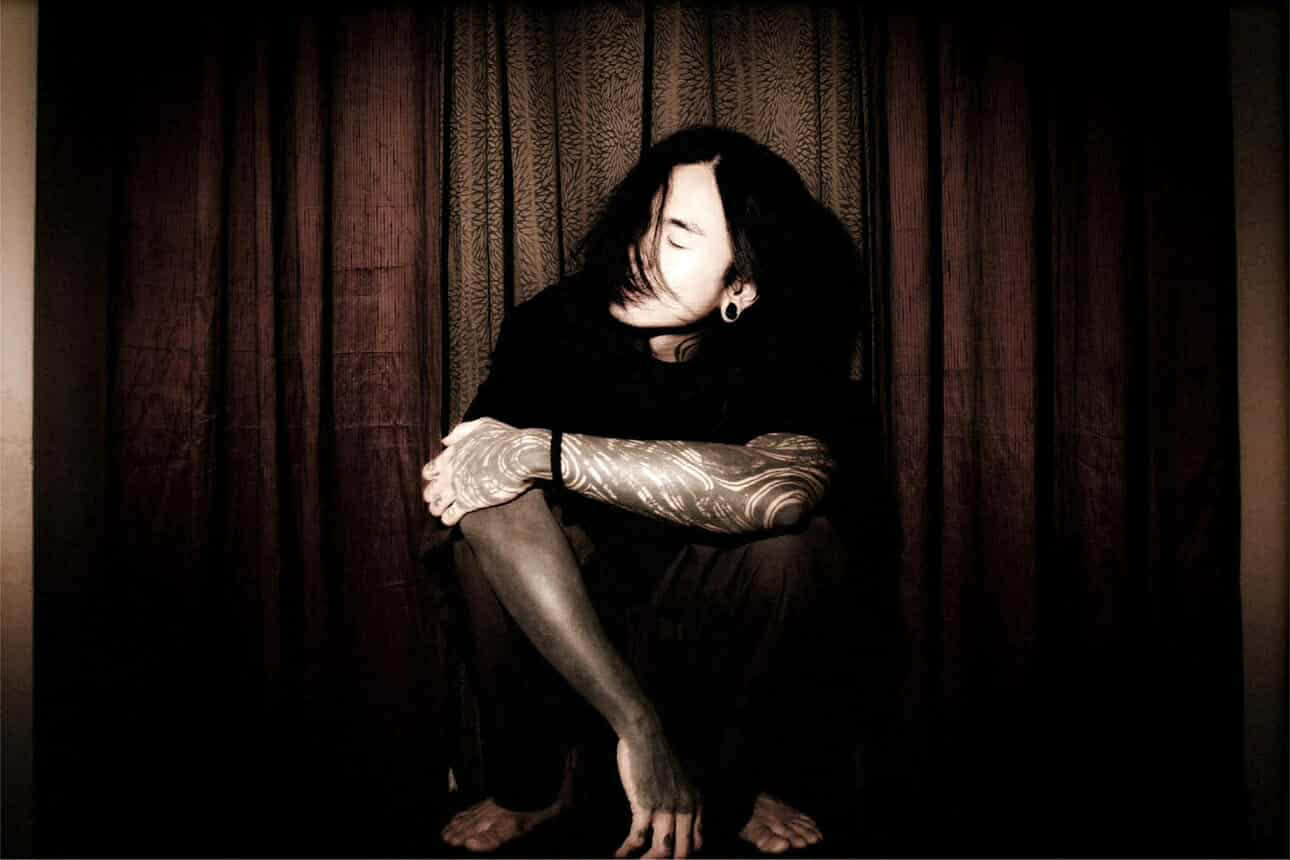
When you look through the telescope at the moment when the Blood Moon — where astrologists would calculated that it would take a century to evolve — is about to reveal itself, you realize that an album titled LUWAL HATI is about to be uploaded to cyberspace by Ada Meniv; A one-of-a-kind debut album of the trap-metal experimental project of Tisch Nava. The concept of Ada Meniv comes from an internet-induced fever dream of a cultural worker based in Hong Kong, whose vision of the grimmer sides of the Philippines is filtered through intensive worldbuilding. The new album, however, carries moments where one wouldn’t expect these genre trappings to meet, yet they come together in ways that feel deliberate. At the same time, switching between different personas for his DJ alter-ego Fr:(wn and his alternative rave initiative gRave, the music itself is a warning sign for those who want to move deeper into darker corners of the underground.
In tracks like “Placenta,” “Hayeta,” “On Bondage of the Will,” and “Karit,” Ada Meniv taps into an atmosphere less common in a scene saturated with technicolor and maximalism. The lore unfolds in a way that feels reserved for those willing to sit with its discomfort. With parents who both played music early on, and later exposure to local and digital scenes, these influences shaped his direction over time. Here, Tisch lets listeners only scratch the surface of what he has been working toward, both in sound and in creative output overall, putting the album out independently and fully aware of its own abrasive tendencies. Ada Meniv has only gotten started.
[This interview has been edited for brevity and clarity]
Elijah: I think we were internet friends first around 2016 and my first impression was at the time you attended these very diverse mixed-bill shows. Hardcore, metal, mga hip-hop, trap music. Since then, we didn’t really converse as much in those early years, but we somehow found our way to get back into the groove during the pandemic. From what I assume, you grew up with a lot of emo and metal influences. Could you tell me what were the first bands or records that made you feel like music could be a world you could live inside?
Ada Meniv: Si mama tsaka si papa nasa band sila, grunge band. Tapos nagpe-play sila around Manila. Kaya Tisch yung name ko, kasi pangalan ng banda nila is Tisch. Doon nagsimula yung hilig ko sa rock. Simula siya sa Nirvana. Tapos nung four to six years old ako, Nirvana lagi pinapatugtog sa bahay. Tapos Red Hot Chili Peppers, Tool, yung mga sikat sa MTV.
Nung eight to ten years old ako, in-introduce na sa akin ng papa ko yung mas mabibigat pang banda. Naalala ko Disturbed. Tapos lahat ng metal noon, hindi pa metal yung tawag. Parang wala pang label sa mga banda. Korn, Slipknot. Doon ako nagsimula mag-discover ng similar bands sa sarili ko. Pero nag-school ako sa Santa Rosa Laguna, uso yung hip-hop doon. Nahiligan ko rin—Repablikan, mga ganun. Doon nagsimula yung hip-hop side ko. Tapos nag-merge yung fashion ko from hip-hop to metal. Naka-darts ako, hoodie, tapos may studded belt. Yun yung itsura ko noon. Nung grade 5 to 6, in-introduce sa akin ng kaklase ko yung Alesana. Doon ako nagkaroon ng interest sa emo scene.

E: I think pumunta pa sila dito recently like last year?
AM: Oo pero wala ako doon. Sayang.
E: First time nila sa Pilipinas yun after decades.
AM: Nung time na yun, around 2000s sa Santa Rosa. Kasagsagan yun ng emo scene sa Laguna.
E: Sobra, lakas emo scene nila.
AM: Oo, lalo na typecast, mga hardcore ng Piledriver. Wait, dagdag ko lang. Wala pang Spotify, wala pang SoundCloud. Wala rin kaming computer sa bahay. Ang ginagawa ko pumupunta ako sa Olivarez Mall para bumili ng pirated CDs—compilations ng As I Lay Dying, Asking Alexandria. Doon ako nagsimula. Wala sila sa MTV pero sobrang nagustuhan ko yung guitar riffs nila. Yun yung unang inaaral ko sa guitar.
E: What was the first song?
AM: Yung unang natutunan ko sa guitar, tinuro sakin ng papa ko, “Schism” ng Tool. After nun, umalis si papa papuntang Hong Kong. So ako na lang mag-isa nag-discover ng music. Nahilig ako sa drop D, yung mabibigat. Doon ako nagsimula talaga. Yun yung roots ko aside from hip-hop.
E: When was the time you explored more online?
AM: Late na rin. May computer shop malapit sa amin, pero madalas naglalaro lang mga tao doon. May soundtrip yung admin, yun yung pinapakinggan ko lagi. Kaya doon ko rin nadiscover yung ibang sounds. Noong 2009, nagkaroon kami ng laptop tapos binigyan ako ng Globe Tattoo broadband.
E: Ay, same!
AM: Sobrang bagal nun. Isang YouTube video 15 to 30 minutes bago mag-load.
E: 140p lang kaya.
AM: Pero part siya ng experience. Pagkatapos ng intay, ang saya mo na maririnig mo na yung gusto mong pakinggan.
E: Earliest memory ko sa Globe Tattoo, Odd Future, “Oldie” 2011.
AM: Ay oo shet! Malaki rin influence sa akin ni Tyler, pero hindi pa siya kasama sa earliest discoveries ko online. Noon, hinahanap ko pa lang sa YouTube yung mga gusto kong aralin sa guitar—Flyleaf, post-hardcore bands. Tapos nag-aaral din ako ng art rock—Muse, Radiohead.
E: Lumawak yung palette mo.
AM: Oo, eventually. Rabbit hole kasi yung internet. Once pumasok ka, tuloy-tuloy na yun.
E: Ngayon you’re still carrying that Filipino identity in your work as Ada Meniv. How does being part of the overseas Filipino experience affect the way you write or produce music?
AMl: Hindi siya gaano sa lyrics, pero malaki yung influence ng Pilipinas sa soundscape ng Ada Meniv. Sa visuals din, Pilipinas lahat ng settings. Hindi ko pinaplanong mag-set sa ibang bansa. Gusto ko yung nature ng Pilipinas. Sa soundscape, malaking factor yung pagiging Pinoy ko kasi doon ako nag-start mag-explore ng roots. Hanggang ngayon, na-iinvoke ko pa rin siya. Late ako naglabas ng album as Ada Meniv, parang 2026. Pero matagal ko nang sinulat yung ibang tracks. Wala lang akong oras tapusin noon.
E: Which one is the oldest track?
AM: “Placenta.”
E: Gaano katagal ginawa?
AM: Matagal na. Yung riff ng “Placenta,” influence ng Incubus. First or second year high school ko pa iniisip yun. Hindi siya nawala sa isip ko. Wala lang akong pang-record noon.
Ngayon lang ako nagkaroon ng resources—plugins, recording gear—kaya nailabas ko na siya.
E: One of my favorite tracks is “Karit.” Ang ganda ng buildup. Pati yung “Salvia Trip Report” intro, sobrang atmospheric. The whole album feels very psychological. Do you see the project as confronting your darkest thoughts or may narrative siya?
AM: “Placenta” yung anchor ng album. Doon nagsimula lahat. After nun, may idea na ako for the next tracks like “Lisan.” “Mana Drain” yung unang natapos kasi yun yung pinakamadali, influenced by EDM production ko as Fr:(wn. Yung “Salvia Trip Report” at “Lisan” yung pinakamahirap kasi matagal ko nang gustong gawin yung sound na yun. Around 2010–2011 ko pa ini-imagine yun. Inabot ako ng around 6 months para matapos sila. After that, “Moonrat” at ibang tracks. “Karit” yung pinaka-enjoy ako gawin kasi sobrang galing ni Kuya Kevin. Yung ambience ng ‘LUWAL HATI’ yung nagiging glue ng album kahit iba-iba yung genre. Yung paulit-ulit na hangin at tribal drums yung subliminal element.

E: Yung snare ng “On Bondage of the Will,” ang ganda.
AM: Sobrang proud ako dun. Clap, snare, at tribal snare—tatlong layer, iba-ibang EQ. Parang nanununtok yung sound. Yung lyrics at lore, habang ginagawa ko yung album, sinusulat ko rin yung story ni Ada Meniv. Si Ada Meniv parang vagrant sa psychedelic realm. Ako, si Tisch, ako yung host niya. Kapag nasa flow state ako—like habang nagluluto ako sa trabaho—parang nasa ibang dimension yung utak ko. Doon lumalabas si Ada Meniv. Parang sa movie na Soul.
May parts na narrator, may parts na si Tisch, may parts na si Ada Meniv. Ayoko i-giveaway lahat. Yung world niya parang post-apocalyptic psychedelic realm. May authority yung mga tao sa ibang dimension. Dystopian na rin siya. Si Ada Meniv parang defender ng last religion sa world na yun. Hindi real name yung Ada Meniv, parang Dark Souls style naming. Matagal ko nang ginagawa yung lore, hanggang ngayon ongoing pa.
E: Yung Salvia Trip Report, parang interlude, parang diss track ng album. How was the visual process?
AM: Wala ako doon. Shoutout kay Rosario, siya visual director ng Ada Meniv. Sa Korean Temple. Silang sila nag-shoot, temple locations with River Dimitri as photographer. May tatlong model—Rui, Erich, at si Cayenne. May isa pa na parang temple guard character, hindi tumitingin sa camera.
E: That’s fucking fun.
Pag gumagawa ako ng material kay Ada Meniv, ako lang mag-isa. Control ko yung environment. Walang nagsasabi kung maganda o hindi.
-Ada Meniv
AM: Oo, sobrang saya. Pwede siyang partner ng soundscape na ginagawa ko. Yun yung gusto ko doon kasi naiintindihan nila yung gusto ko kahit nandito ako sa ibang bansa.
E: At yung music that you have that’s already there and having people understand you or communicate the visuals through your music, it must have been the biggest compliment that they absolutely get your vision. Would you say it’s your alter ego or is it just a completely separate persona, yung Ada Meniv?
AM: Kaya pa rin akong may sariling personality away from him. Kaya kong mag-step away sa kanya tapos gumawa ako ng material ni Fr:(wn na hindi mo maiisip na si Ada Meniv pala. Parang gano’n.
E: Can you distinguish yourself personally from this character that lives outside of you? How does Ada Meniv differ from the Frown persona?
AM: Si Fr:(wn, siyempre doon nanggaling—yung roots niya from Skrillex, parang EDM. Doon tayo sa side na yan. Hindi ko siya maiisip i-merge kay Ada Meniv kasi ibang practice kung paano ko siya i-play at i-record. Doon pa lang mapapansin na ng mga nakikinig na parang dalawang magkaibang tao yung gumawa ng dalawang project.
E: The first time I encountered Frown was through gRave, post-pandemic. You built this DIY party collective that emphasizes experimentation and community. What inspired you to start organizing those kinds of parties?
AM: Naisip ko yung gTave kasi hindi pa siya gRave noon. Parang performance art show lang sa Pinas yung idea. Para sa akin, yung pinakamagandang venue na napuntahan ko, nagsara na, tawag sa venue “Limbo.”
E: Ay, putek! Wala na rin yun!
AM: Yun lagi kong sinasabi kung saan nanggaling yung gRrave—sa Limbo. Ang ganda ng venue na yan.
E: Sobrang ganda. Mababa yung ceiling, nandun yung noise acts, performance art. Nakapunta ako doon pre-pandemic.
AM: Same. Sobrang solid nun.
E: Yeah, nasa gitna ng Poblacion, may bilog na pinto. Pagpasok mo parang ibang mundo—low ceiling gallery, tapos mga wild na performers. Nakita ko si Ryosuke Kiyasu doon.
AM: Naka-line up ako dyan.

E: Post-pandemic sa Mows?
AM: Oo, under Mainland Connection.
E: Because of Kiyasu, parang na-realize ko na normal pala yung mixed bills. Isang snare lang dala niya pero kaya niya makipag-line up sa iba’t ibang genre. When I think of gRave, it feels similar pero in a sense na ritual-like na spectacle siya. Parang rare, ephemeral, ganun. Is that intentional?
AM: Intentional siya in a way na nahihirapan kami mag-produce ng maraming shows per year. Nawawala yung point ng gRave kapag madalas. Lagi lang siya after Holy Week. Napag-usapan namin na pwede once or twice a year, pero hindi sobra. Ayoko maging parang ibang rave productions na paulit-ulit lang.
E: Do you approach your music the same way—fleeting, experiential?
AM: Yung ‘LUWAL HATI,’ planado talaga siya na i-release kasabay ng Blood Moon. Matagal ko nang plan yun. Buti natapos ko before mangyari yung event. Yun yung naging anchor, parang deadline ng project.
E: So it’s almost lifelong?
AM: Yung total Blood Moon, parang once every century. Yung lunar eclipse pwede yearly.
E: What kind of freedom does experimental hip-hop or trap metal give you?
AM: Pag gumagawa ako ng material kay Ada Meniv, ako lang mag-isa. Control ko yung environment. Walang nagsasabi kung maganda o hindi. Hindi ko rin pinapasa sa friends ko during the process. After ko ma-polish, saka ko lang pinapakinggan sa iba. Pero kahit ganun, may nababago pa rin. Kung wala yung Blood Moon, baka hindi pa rin siya nare-release kasi pabago-bago ako ng sound design.
E: What do you hope listeners take from ‘LUWAL HATI’?
AM: Hindi ko intention magbigay ng specific feeling. Pero kung may mapulot sila, sana huwag silang tumingin sa isang typebeat lang. Maraming pwedeng kunin—parang palengke. Kunin mo lahat ng gusto mo, tapos ikaw na bahala.
E: What was the most chaotic moment performing live as Frown?
AM: gRave 3. Nandoon ka ba?
E: Halfway the program lang.
AM: Yun yung pinaka-chaotic. May nagbabasag ng bote sa gitna ng set ko. Tinigil ko yung music during “Yonkers” ni Tyler, the Creator para i-clear yung area. Habang nangyayari yun, sa peripheral vision ko may nagsusuntukan, may sumisigaw ng “stop the car.” So tinigil ko talaga. Parang sobra na. Isa pa, yung first gRave. Hindi ko pa alam yung audience. Beta test pa lang. Nagulat kami may nag-mosh pit sa set ko. Akala ko joke lang yun nung pinost ko. Pero nangyari talaga.
E: That was magical.
AM: Oo. Yun yung roots ng Grave—yunh Limbo and small events in general kung saan may nagmo-mosh kahit DJ set lang. Tisch pa lang name ko noon, hindi pa Fr:(wn. Up to North days.
E: Nag-DJ ka pa sa 88 Vibers naalala ko yun sa Team Jesus?
AM: Oo.
E: Grabe, 10 years ago.
AM: Paano tayo naka-survive nun?
E: Basta. Sobrang chaotic ng era na yun.
Leave a Reply