

Written by Gabriel Bagahansol
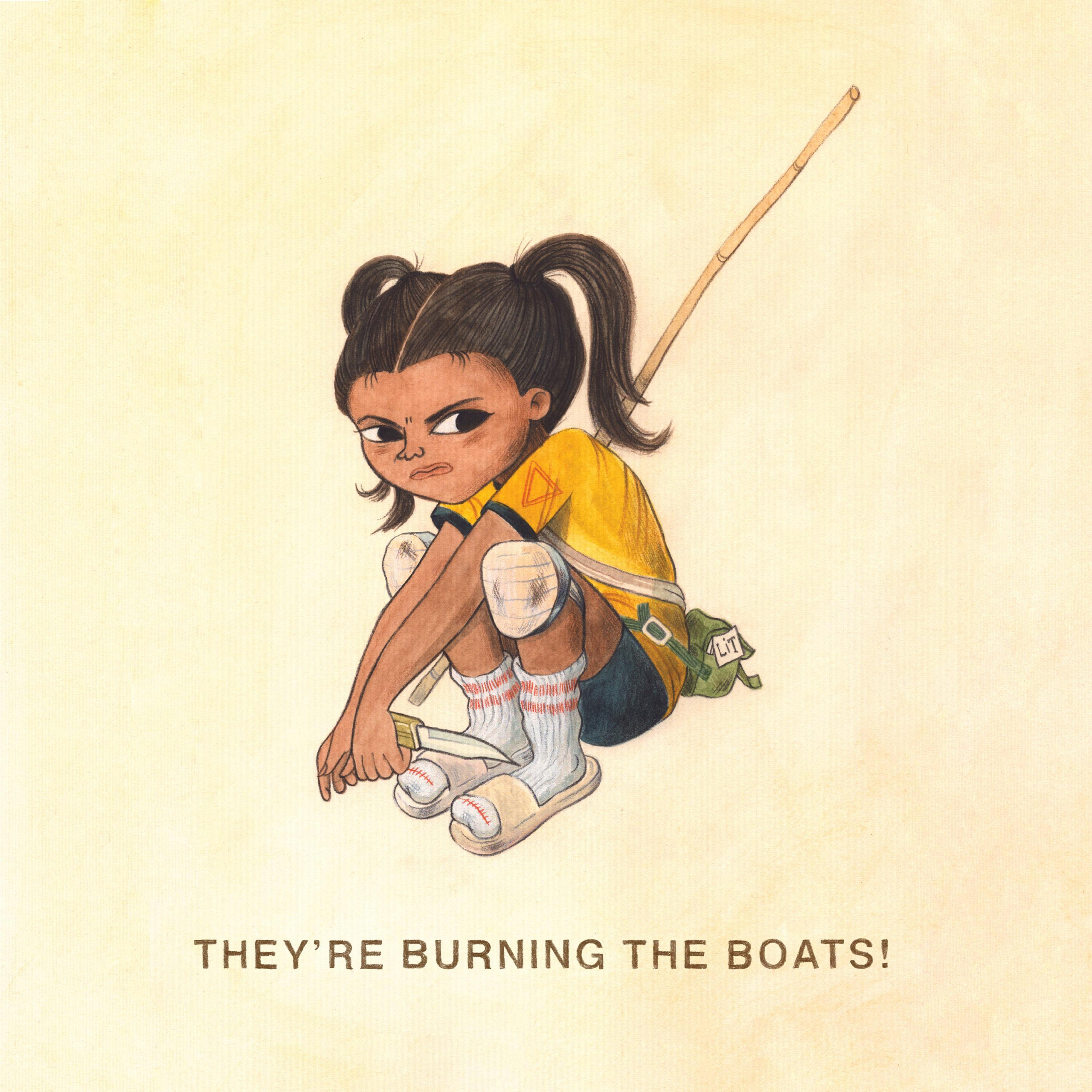
The name of the latest album from Filipino-American rapper Bambu is taken from the arrival of Spanish forces in Mexico, who set fire to their ships in a bid to take over the country through bloodshed. There is a web of colonialism that links Mexico to both the Philippines, its fellow former Spanish colony, and Bambu’s hometown of Los Angeles, whose Mexican heritage clashes with the socio-political dominance of the United States. That ever-growing web of international dominance and tyranny is what informs the sentiments within the rapper’s latest project, ‘They’re Burning The Boats.’
The anger spurred in response to gun violence, conservative grifters, raids on immigrants, a tax-funded genocide, and a disproportionate status quo is front and center on ‘It’s Happening, Again,” which acts as a preface for the album. On the next track, “Their Problem, Not Mine,” Bambu calls out Filipino-Americans who have chosen to betray their Filipino roots in exchange for model minority points that won’t protect them from racism. He doubles down with his disgust on unprincipled people in “Righteous, By Design,” where he encourages people to be proud for having militant progressive stances and speaks out against money-driven commentators who manufacture consent for imperialist aggression. Fittingly, on “Burning Manufactured, Alive,” Bambu tells the story of Palestinians and Arab peoples who went about their normal, everyday lives before that normalcy was violently rewritten by Israeli bombs made possible, in part, by United States industries. And on “Inamo, Customs Enforcement,” Bambu talks about the racist violence happening in his own country, ridiculing ICE agents for being class traitors to their own countrymen and reminding them of the grim legacy they will leave behind for their children simply because they needed a paycheck.
On this initial set of songs, Bambu plays the role of messenger and critic, with the sharp mindstate of an org leader leading a rally and the charisma of a rapper feeding rhymes to a packed club. His words flow so smoothly over boom-bap beats — provided by longtime collaborator Fatgums — that they help the heavy subject matter go down easily, and with Bambu’s skill in turning his stances into sticky hooks, these songs feel less like a sermon and more of a lively public demonstration.
No more are these traits more evident than when Bambu tackles the chaos happening in the motherland. When most rappers would use a beat with snappy drums and warm electric pianos to brag about cruising at night in a flashy car, Bambu instead uses this as an opportunity to warn flood control contractors driving in their flashy cars of the consequences of their greed. “Blood In The Maybach, Patay Sa Baha” puts a spotlight on the injustices happening in our own country, conjuring images of corruption within the government and the media, and how it has affected us Filipinos. On the same song, Bambu delivers another lambasting of Asian-Americans who turn a blind eye to their fellow Asians who suffer back home, and he even calls on people to turn against the antiquated systems that have done so little to help their constituents.
The injustices we face will leave us feeling plenty of anger and disgust, and these songs reflect that prevailing sense of doom, but rather than exhausting his rage to the end of the album, Bambu tries to propose that in spite of all of this, we can still make change possible. On “Complicit, Repeat,” instead of regurgitating his disdain towards ignorant people, he attempts to reach out to them, show a common ground in their struggles, and encourage them to speak out. By presenting sympathy to the apolitical who’ve become jaded over time and are now complicit in war by way of their tax money, he reminds listeners of why activism matters in these trying times.
But with a closing track titled “It’s Happening, Now,” you’d think Bambu would take this opportunity to mobilize people into the streets after talking about the atrocities of our time in the last seven songs. But instead of giving into such obvious urgency, Bambu is showing love — love for his comrades, love for his fellow Filipinos, and most of all, love for his family. Now in his forties, Bambu’s rage against the machine is as alive as it was two decades ago, but becoming married with children didn’t dilute his energy. The sobering clarity after all the political chestbeating comes from remembering who it is you’re fighting for, and as Bambu makes it clear by the end of this album, he takes to the streets for a better future for his family and families like his.
The two songs that close ‘They’re Burning The Boats’ not only prevent the album from becoming a doomscroll in glorious hip-hop, they also complete the purpose of activism and reaffirm the many people that come together in organizations and unions all over the world. Rebellion isn’t just about being angry over a corrupt system and sneering against conformity; it’s also about reaching out and welcoming people to the cause and making your disobedience count towards ensuring your countryfolk will no longer live a life they don’t want.
But how do we solve all this, then? At the end of the album, Bambu clarifies that he actually doesn’t advocate for violence, but vows his support for whatever choice the masses will make to end the tyranny forced onto them. Put this album on and do with his words what you will — but keep them in mind the next time the ashes piled up on Manila Bay clog the drain and cause a flood the next time it rains.
SUPPORT THE ART AND THE ARTIST:

Leave a Reply