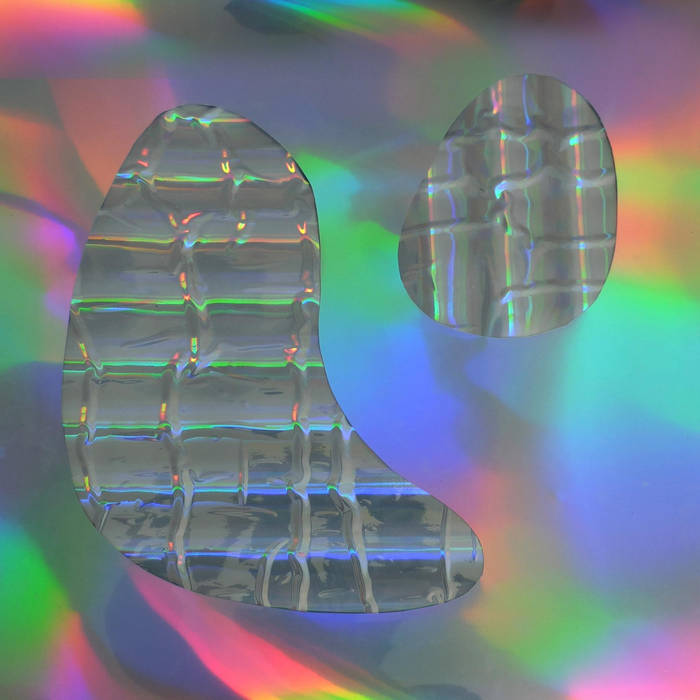
There’s a certain adrenaline rush that emanates from the psyche whenever one is en route; it’s a rush that can capture anxiety, urgency, or even the sense of ‘gigil.’ Cream Flower’s ‘Orbital Wound’ EP is exactly what should be queued during moments of movement, whether it’s commuting, traveling, or simply walking down a footbridge. On their third EP release, Celina Viray and Jam Lasin step into a wider sonic terrain, loosening their grip on shoegaze familiarity to explore something louder, stranger, and more expansive. They blend riot grrrl rage with explosive urban paranoia, crafting songs that feel perpetually in motion and perfectly suited for city wandering. Even amid the chaos and noise, the duo injects an unexpected motif: if a stray cat crosses your path, this EP insists you bring it to the vet.
The first three tracks form ‘Orbital Wound’’s most immediate stretch, buoyed by an upbeat momentum and Viray’s vocal effects that sound like it’s being broadcast through an airport PA system. “Cat Distribution System” and “Fever Dream” have a distant, metallic, and half-instructional tinge to them. The choice of turning the voice into the form of a public announcement rather than a private confession shows a sense of urgency that isn’t found in the typical dreampop soliloquy.
The sense of radio transmission becomes even sharper on the second track, “Dahas,” where radio static and intergalactic textures are lured in, giving the impression that the band is trying to communicate across impossible distances. The song is displayed like a broadcast meant for extraterrestrials, only to reveal itself as a message addressed directly to us as the listener. The lyrics cut through the noise to confront the realities, inconsistencies, and outright outlandish absurdities of the Philippine zeitgeist under the government’s rule. It initially sounds alien, but the repetitions gradually sound something more familiar: uncomfortable truths hidden within signal distortion.
Chillingly, the EP turns subtle and dreamy with its fourth track, “Orbs.” There, Viray and Lasin introduce acoustics that were absent from the beginning tracks, and lyrically, they tap into more introspective lyrics. In “Orbs”, Viray warps time and perspective as she describes being “engulfed in a fever dream.” The lyrics suggest a fractured sense of self, as if the speaker is watching their own thoughts from a distance and turning into never-before-seen shapes and geometric patterns.
What’s interesting is that the last track of the album, “A Violent Cry”, beheads all forms of stillness from the previous track, and the listener is put right back in that state of adrenaline that was introduced in “Cat Distribution System”. It’s loud in every sense of the word, but not flashy or indulgent, where it becomes an earache. By the time the EP moves beyond its opening run, it’s clear that ‘Orbital Wound’ is both an experiment in sounds and a tool in communication through noise, humor, and paranoia. The urge of wanting to hear more after the last track is ever-present, but in the meantime, aggressively slamming the repeat button will suffice.
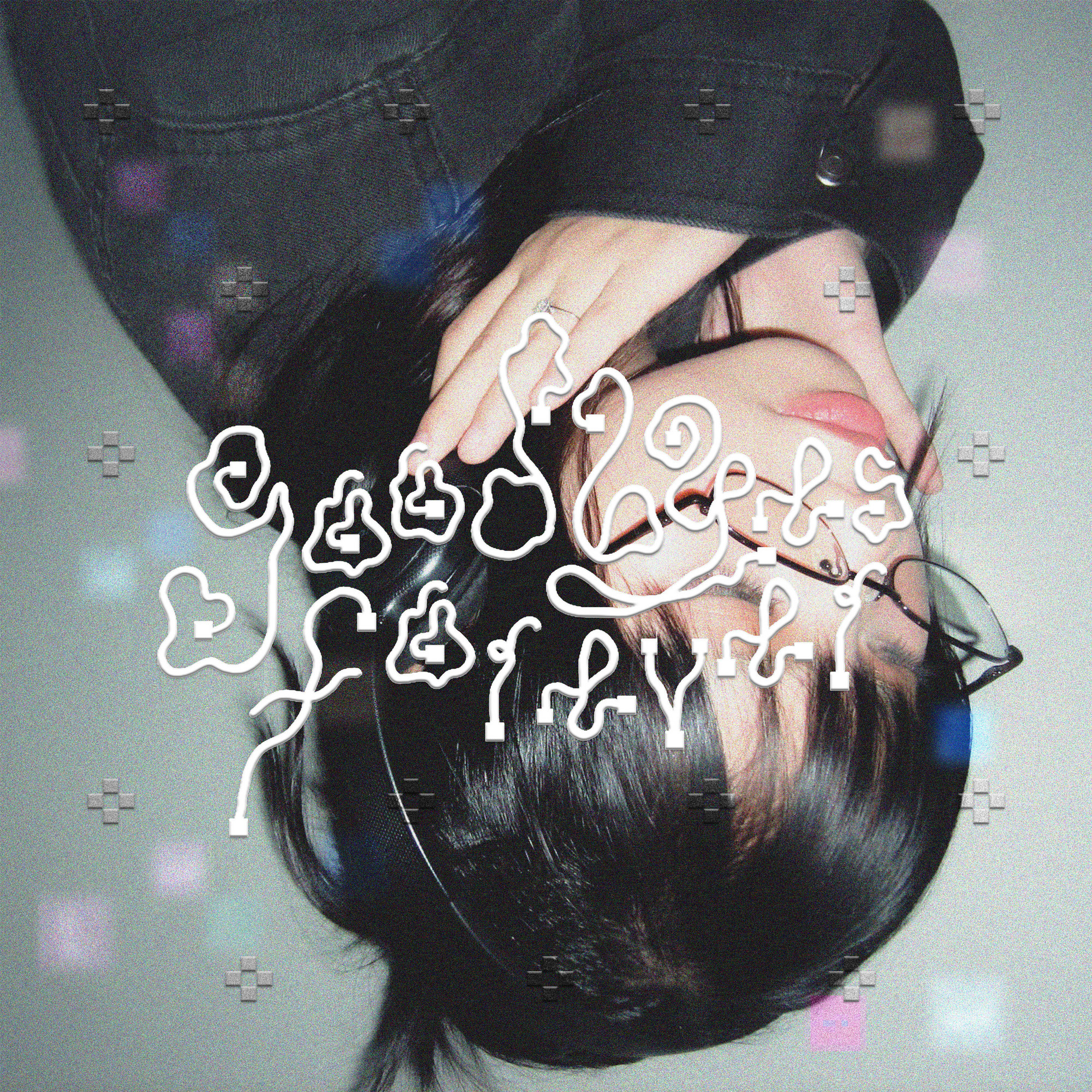
The mind can get so jumbled up that even our own thoughts can be unintelligible to us. What we’re left with is a confusing cacophony of emotion and dissonant ideas, but somehow, aunt robert was able to take theirs and masterfully craft it into music in their new indietronica / indie pop hybrid album ‘Goodbyes Forever.’ We’ve seen EPs and singles from them over the years, but this is their first full-length album. ‘Goodbyes Forever’ takes a brave leap into vulnerability, budging open doors to the mind usually kept shut in order to cope with overwhelming feelings. Spanning across 10 tracks, each song delves deep into specific yet relatable emotions. From isolation and pining, to girlhood and resentment towards a past lover, each song dedicates itself to these specific feelings. It comes across that the album is a hodgepodge of different sentiments, but how better would it be to describe the chaos that the mind can be sometimes?
The theme of mishmashed emotions is also mirrored through the selection of musical genres present in the album. aunt robert has taken this as an opportunity to diversify their sound, branching out to different genres to better illustrate their songs’ message while still holding on to the indie-rock style that fans fell in love with in the first place. This can be seen as early as the first track of the project, “Frount Robert” an upbeat, poptechno-esque track tinged with longing. It’s their classic aunt robert sound accompanied by synths and vocal effects.
The album progresses smoothly, with the next couple of tracks leaning towards indie-rock, including the tracks “Mad” and “Please Say It” which were released as singles last year and have now found a home in the album. It’s such a cohesive arrangement of songs that when the album takes a stylistic turn in “Keepsake”, you realize you’re already at the midpoint of the album. With “Keepsake”, the band slows down the pace of the album and takes on a more intimate, reminiscent approach. Utilising an acoustic and atmospheric sound, aunt robert looks back on a past relationship with its promises unkept and answers to questions left unsaid, all the while still wishing them the best. It’s a beautiful, succinct track that deserves to be highlighted.
The second half of the album showcases the experimentation that aunt robert endeavored, with most of the tracks leaning heavily towards that poptechno tinge we’ve seen in the opening track. The drum machines and synths create such a vibrant atmosphere. The production on these tracks proves to be excellent – they have a lot of elements mashed up with each other without sounding busy. It’s discordant in the most lovely way. As seen in tracks like “Blue” and “I’ll Go Wherever You Wanna Go”. As the album comes to a close, it ends with a hopeful note in “Hoarse (I’ll Get up Like I Always Do)”. The song devolves into high gain crunch towards the end with aunt robert’s voice ringing throughout the breakdown singing the lyrics like “I’ll get up like I always do” and “And I care like I always do. Nothing bad but it’s nothing new” It’s reminiscent of the consoling we sometimes do to ourselves in times of distress, reminding ourselves that we are capable of getting back up no matter what tries to convince us otherwise.
‘Goodbyes Forever’ is an apt name for the album. The whole project was a way to say the unsaid to whoever needed to hear it, so all that’s left is to bid farewell. Its closure and catharsis spread across 10 songs. aunt robert has done these genres before in smaller projects, but in ‘Goodbyes Forever,’ it seems they really dug their nails into it and honed their unique sound, making us excited to see how they develop their arsenal of styles in the future.
The story of how Unflirt, the stage name of Christine Senorin, started is pinpointed within the universal isolation of the lockdown. With her guitar in hand, she eventually proceeded to write and sing down her thoughts. Moments of flickering romance are contained within her 2023 EPs, ‘Bitter Sweet’ and ‘April’s Nectar’, which reflect Unlfirt’s sonic identity: cozy folk acoustics and shimmering indie pop that nestle around her girlish coos, with enough melodic sharpness to lend her presence some weight and tact. Despite solidifying that she is still warming up, there is potency to be located in those EPs.
‘Fleeting’ is yet another step to Unflirt’s growing aptitude as a musician. Written during her time spent in parts of London, LA, and Brazil, there is a maturity that she has undergone through her writing. Her reflection not only comes through in dealing with a long-distance relationship, but also in processing time and distance itself. Something that she now values even further in her life, grasping its ever-changing flow and factoring that in how she writes. The yearning she carries from past EPs is still retained, but she now considers the sifting presence of time passing by on her mind.
In terms of overall compositions, there is also some progress in finding polish and expansion, adding more atmospheric and instrumental detail that, for the most part, flatter Unflirt’s soft vocals well. “Sea Song” carries some of that bedroom pop sheen, with textured programmed drums complementing some sharper guitars. “Sweet Sweet Time” and “Something Familiar” are lilting as it is tasteful, with the former’s pulpy grooves amid gentle strums and the latter’s string accents weaving around folksy effervescence. “Next To You” is a welcome addition to Unflirt, this blistering pop-rock tune that could have been made back in the late ’90s, all brimming with glimmering melodies backed by riffs that flare and echo throughout the song.
However, just like with those past EPs, Unflirt is still in a position where she is continuing to find her own space amidst the frankly prevalent array of pop acts that are following adjacent soft, hushed vocal styles and glossy pop-rock tones. There may be forward motion in her writing and refinement in production this time around, but she is still finding her own groove amidst the overall sound. Trying to grip the wheel and see where she can steer with full confidence.
‘Fleeting’ is an apt title for the current state that Unflirt is configuring. An acknowledgement of time and distance that affects parts of her life, where she is now trying to move forward and consciously consider how they will change her wholeheartedly. Yet it is also a reflection of the songs that, at best, Unflirt have shown more promise and end up sticking, and, at worst, become too familiar and pass by.
In late 2024, the band formerly known as No Lore released its final single under that name: a cover of Callalily’s 2006 classic “Magbalik” transformed into epic synthpop. Towards the end of the track, we hear frontwoman Tita Halaman deliver a rap verse on letting go of a troubled past and moving forward, adding an element of progression to a song of someone hopelessly saving what’s left of a dysfunctional relationship. By this point, No Lore was at a crossroads. Their music seemed tangled between the band’s roots as a guitar-based indiepop duo—and the organic but staid identity that comes with it—and a whole new lineup as a trio moving towards something else.
With new creative impulses that appear to be at odds with the limiting nature of the band’s origins, letting go was something Tita Halaman, along with new members Kim and Carole, needed to do in order for them to fully embrace the ethos they now want to embody in their art. With a crashing crescendo that petered out into synth tones and beeps, No Lore was no more.
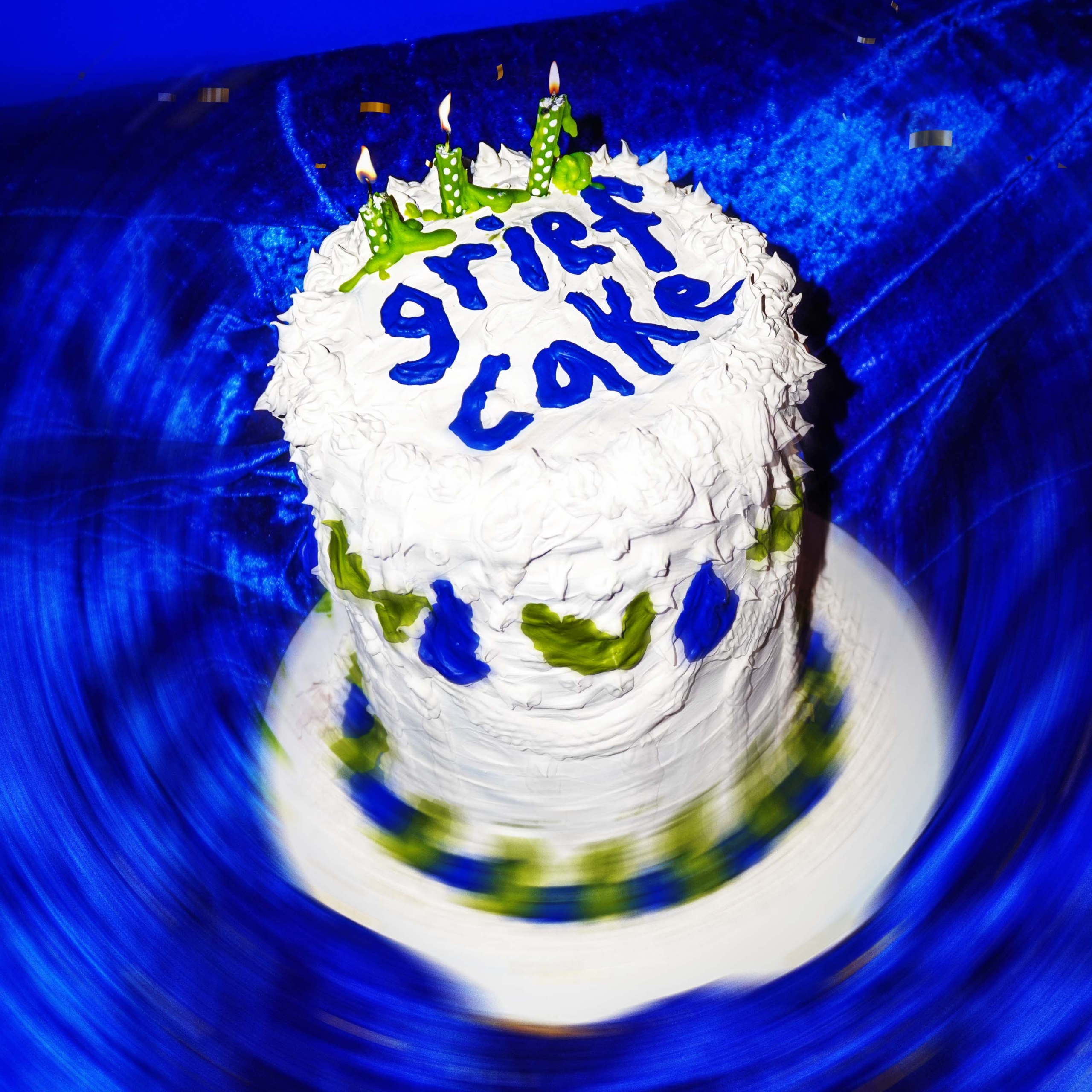
Eight months later, after subsequently re-emerging as the electropop band NEW LORE, the three-piece would release their debut album ‘grief cake.’ Now operating from a clean slate, the members of NEW LORE paint glossy electropop soundscapes across this new batch of songs. The bright synths and saturated textures illuminate Tita Halaman’s straightforward and dynamic lyricism on navigating adulthood and its many tricks while drawing strength from the sincerity and frankness of one’s inner child.
If the “Magbalik” cover was the death and burial of something that had run its course, the opening track “OH MATURITY” is the first step in rebuilding oneself. Free from the limited palette No Lore’s artistic identity afforded, the music bursts with a renewed sense of energy, as though a floodgate had been opened for a creative catharsis that is heard all throughout the album. That’s not to say there aren’t any growing pains, though: while Tita Halaman is eager to reflect on her past and become more optimistic and self-aware in her relationships, in the chorus, she laments the slow pace of these changes. On the breezy synthpop track “LOVING, HURTING,” Tita Halaman acknowledges that love can last in the belief that people can move past the mistakes they’ll inevitably make to each other. With the sound of a band that has immediately succeeded in working with their new sound, these two songs are a welcome introduction into the world of NEW LORE.
NEW LORE’s embrace of electropop means they can now let the music add dimension to the stories they tell. On “DIRTY” and “GOODSIDES,” a pair of songs that tell contrasting views on trust and acceptance, the instrumentation is clear, dynamic, and colorful. This new approach helps us get a glimpse inside Tita Halaman’s mind as she tells these tales, particularly on “GOODSIDES,” where sweeping synths swell over an R&B beat that intensifies her wail of disappointment over someone she thought she knew well.
Another example of the chemistry of words and sound that NEW LORE successfully blends throughout this album is “TRAFFIC,” where minor and major keys weave together as Tita Halaman sings about dancing to the radio with a lover while stuck in a traffic jam. Meanwhile, on the album highlight “WHO HURT U,” Tita Halaman’s words for an adversary are complemented by a dance punk groove that gives the song power, urgency, and fun. If the previous track sought an escape from lethargy, this one is the gas pedal push that’ll help you face your toughest moments headfirst with a sneering brave face.
But the thread of life’s dualities continues to run through the album, and it culminates on the title track and album closer “GRIEF CAKE.” Here, Tita Halaman weeps for the end of a relationship she had fought so hard to keep alive. After trying to seek maturity, and now having gone through a bitter split, Tita Halaman has come to the realization that she is “just a kid,” making this one-half of a pair of songs — with the same key and tempo and all — that bookend this album.
With ‘grief cake,’ the members of NEW LORE have given a nuanced take on growing into the many sides of adulthood, leaving no definitive answers when it comes to dealing with negativity, and instead calling on you to just have fun and never hold yourself back. It just makes sense why this album is named that way, and it also makes sense why the serious, sedate stylings of No Lore had to be forsaken for the urgent burst of freedom in NEW LORE. In early 2025, the band unveiled their new identity with “AMBITIOUS,” later the penultimate track on this album. It was the right way to kick off NEW LORE’s new story: its lyrics about shifting into new and exciting shapes, with an optimism punctuated by a sunny synthwave beat, is the ethos with which this remarkable re-debut was successfully built on. Reinvention shouldn’t have to come at the expense of your whimsy. In fact, it may just be the very thing that’ll get you there.
Dream pop quintet Megumi Acorda has come a long way since their debut EP ‘Unexpectedly,’ released in 2018. Said EP turned the five-piece into one of the most quintessential introductions to the local underground, best known for their ability to capture the sound of heartbreak and longing.
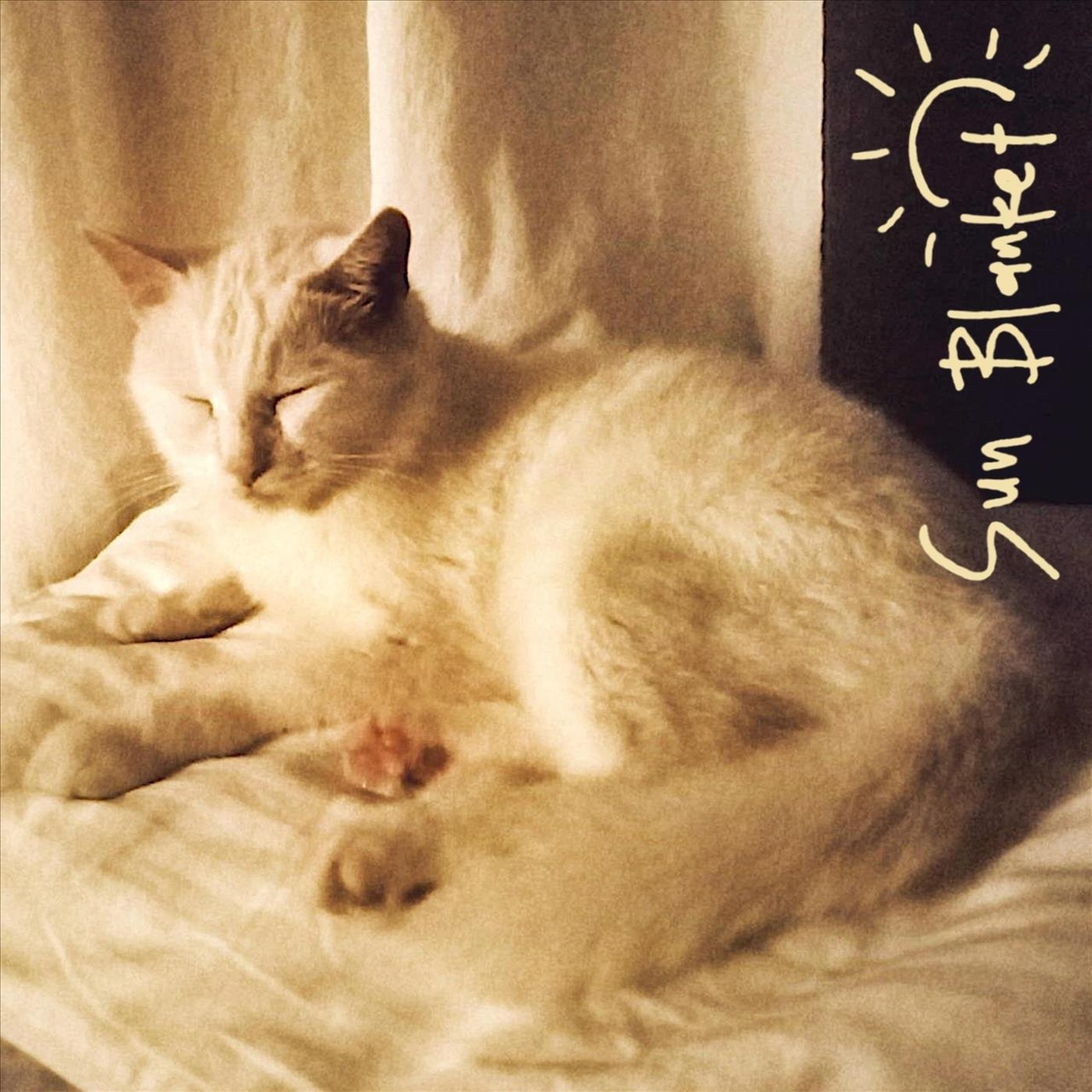
This time, with the launch of their latest EP ‘Sun Blanket,’ Megumi Acorda is still the face of the enigmatic ache that comes with yearning, just with the warmth of the sun possessing each track now. It’s evident in the way they changed up the pangs of their hazy, jangle pop-influenced releases with grittier, power pop-derived riffs and more beats per minute than usual.
Megumi Acorda’s use of guitars is known for its capability to audibly spell out what it means to pine; to set your heart on someone (or something). The signature fuzziness of their riffs is often praised thanks to the complexities of sound the pedals are able to concoct. There’s a richness in their instrumentals, humming low and fully, that vibrates at the same frequency as the listener’s deep-seated, unspoken feelings. The band is able to shine on such feelings with their light, pulling you out of the darkness.
In this EP, the strings don’t drive for the entirety of the songs; they’re happy to be along for the ride. Albeit the simplicity, the licks are just as impressive and catchy as heard in the energetic opening of “Task Kitty (Save Me)” and the jumpy drag along the frets that beep around in “YRU.” Sporadic poppiness aside, when the tempo slows down, the classic Megumi Acorda sound is more apparent.
The tracks teeter along a journey of acceptance and fulfillment; the rhythm section and the occasional flourishes that accompany it are telling points of inflection. There are drum fills and basslines bouncier and more jittery than you’d expect from Megumi Acorda, like the bright icebreaker for “Soft Pins.”
When it comes to songwriting, the band never disappoints, always so open and overflowing with raw emotion. “Copeland Heights” is a track more aligned with what people are usually more familiar with when it comes to the quintet. Acorda’s soft spoken vocals float along the track, enunciating the desire to endlessly soak in someone’s warmth. “‘Cause I’m scared of the days I’ll face without you / What a gift to have basked in your sun.”
Putting ‘Sun Blanket’ next to the rest of the band’s discography, there’s quite a noticeable contrast when you compare it with their other music–but it’s a delightful step into a new direction, laden with optimism for what’s to come. When Megumi Acorda cast their net far and wide, they caught sentimental, audible treasure, turned golden by the sun.
“No Way Now” is a song that has more weight to geiko than anyone else. A change in tone and sound where she confronts a connection that used to be endearingly close but is now tousled and cut away, a narrative ruffled through shuffling, dreamy pop-rock flutters that’s additionally produced by Jad Lara. Adding light percussion, glossy synths, and reverbed guitars that complement geiko’s more somber singing, just before the guitar solo swerves and she starts releasing her anger at that past relationship.
Whilst not exactly a remarkable song – drums sound lighter than they should, chorus doesn’t hook strongly, and geiko’s release of anger stumbles more than it is anguishing – the gradual change of her sound ever since the release of “Palapit Sa U” offers growth for her as a musician. Perhaps, in wading through the past, she ends up somewhere refreshing. Growth ends up like that, after all.
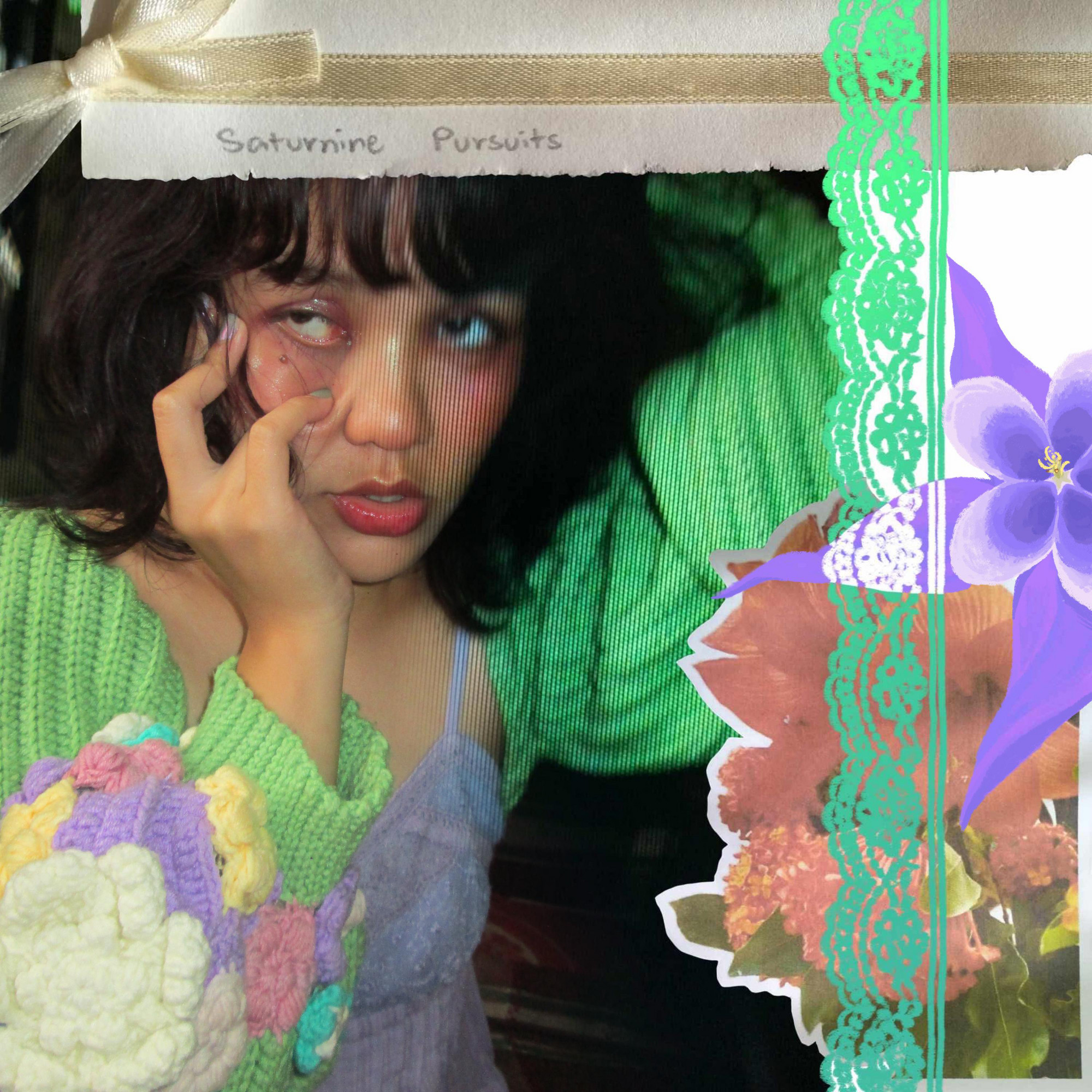
Malaybalay, Bukidnon, dubbed as the South Summer Capital of the Philippines, is a city nestled between lush mountains and picturesque landscapes. These lands, which birthed forests and historical parks, are also home to emerging artists like Aleeza Dawn Ellevera. Calling herself enfloeia for this musical project, the 19-year-old fuses indie, pop, jazz, and alternative sensibilities to create songs that seem to be taken straight from her diary.
After releasing her first single in 2024, enfloeia carefully planted the seeds to bring “Saturnine Pursuits” into full bloom. Each song in this six-track EP is like a flower petal pressed into the pages of a journal—its unique shape and desaturated color bleeding through the thin paper, revealing dark secrets and confessions.
Starting with the track “Going in reverse,” enfloeia lets us pry into her thoughts through cellophane drums and guitars and lyrics that mark the “x” in existential. It’s an upbeat starter with melodies that careen playfully into the pre-chorus and build to the hook. After the sprightly listen, we are greeted with somber keys of “to…,” the artist’s debut single. In contrast to the first track, “to…” eases us into euphonious jazz-pop rhythms and vocals that carry a wistful undertone.
“FROGCRUSHER!” is possibly one of the best tracks in the entire project. Here, enfloeia’s aptness for writing poetry shone the most. The lyrics are dark, brooding, and morose—the kind that makes you wish you wrote them yourself. In between ambient nature sounds, soft ukulele strums, abrupt violin tremolos, and frogs being crushed, enfloeia’s haunting vocals distort into overlays and harmonies that add a theatrical element to the song. If you listen closely, a part of the previous song’s melody is hidden in “FROGCRUSHER!’s” bridge, where enfloeia’s overlapping voices can be heard, figuratively illustrating the human tendency to push people away despite craving meaningful connection.
The shorter tracks of the EP, “you/have,” and “Poor Dreamer,” share similar structures but carry different emotional depths. “you/have” expresses feelings of jealousy towards a partner for having the privileges of being a man, while “Poor Dreamer” is a peronal anecdote on the frustrations of being discouraged from pursuing what you’re passionate about. Even with the minimalist approach to instrumentation, enfloeia tugs on the listener’s heartstrings at every transition until the very end. In a full-circle moment, “In Pursuit of Greatness” brings us back to the beginning of this saturnine ode—in a frantic and confused state. Being at wit’s end, enfloeia further showcases her vocal prowess and versatility as she belts the chorus, a signature formula in the opening track. As it ends, the repeating line “I’ve become so saturnine…” echoes like the voice in your head you’ve been accustomed to hearing and accepted as a part of you.
A testament to her commitment to music, “Saturnine Pursuits” is enfloeia’s attempt to remind us and herself that sitting with the discomfort and uncertainty of it all is part of the process. With this EP as a starting point, it’s exciting to know how she will continue to turn her garden of woes into a kaleidoscopic flowerfield. And if there’s one thing about enfloeia’s style, it’s the way she delivers lyrics that hit at the right moment. Through hushed verses and belted choruses, enfloeia evokes strong feelings that ponder on self-worth and the struggles of being a young musician.
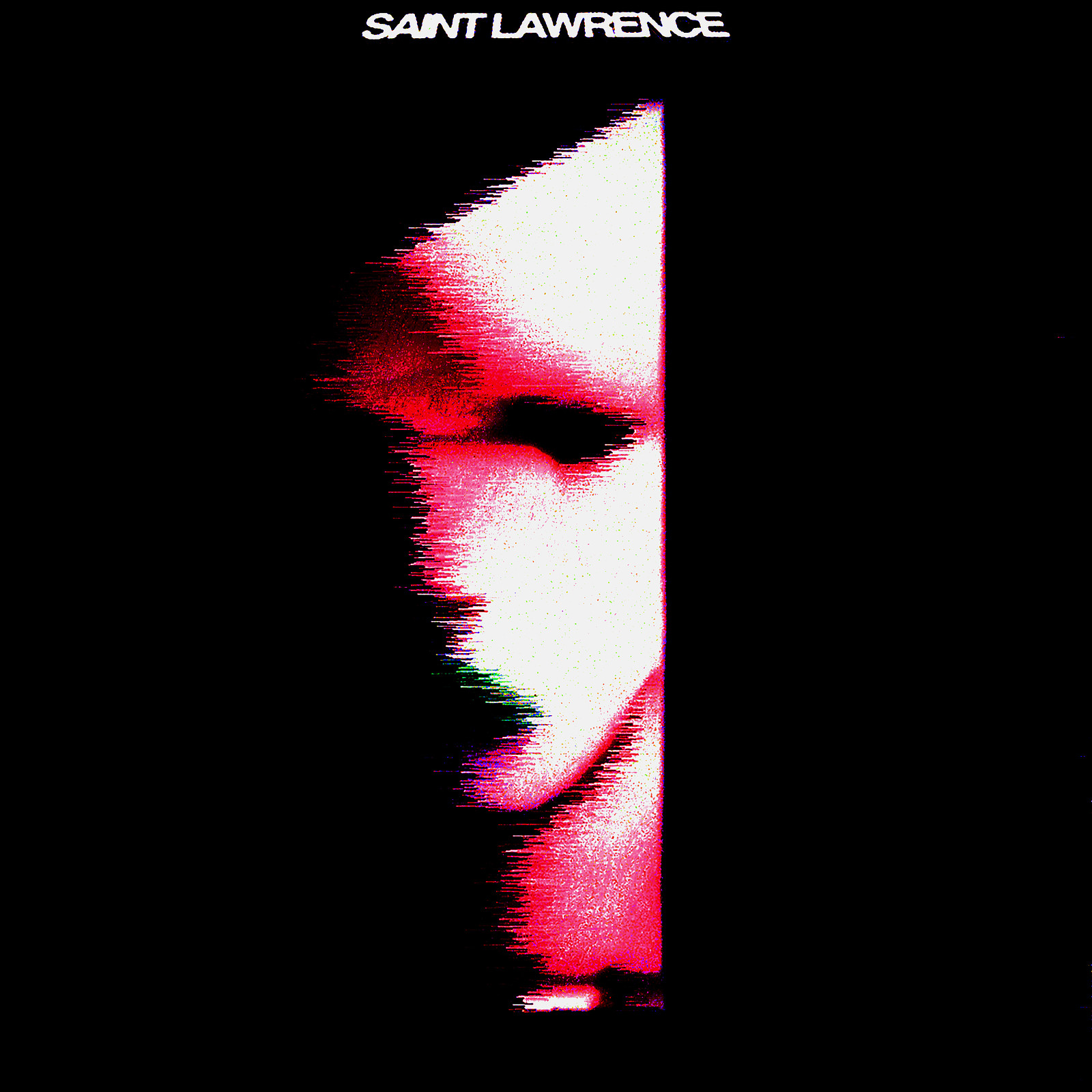
Sometimes, The Best Thing Ever™ disguises itself as something arbitrary. In the case of SAINT LAWRENCE, his debut track “SO U” first came from that familiar itch of needing to create something, despite all limitations. Made out of a awkwardly tuned guitar, a catchy hook, and the feeling of losing your spark, “SO U” is a song about burnout that ironically helped its writer avoid burning out.
Right from the start, nothing could prepare you for the intense wave of emotions. The eclectic drum patterns and rigid glitches convey a sense of helplessness, being bitter at one’s predicament. The production is flawless for a debut track, with little elements like the occasional glitch adding to the steely vibe. Here, SAINT LAWRENCE’s performance is brooding yet intimate, carefully alternating between soft whispers and screaming with all the guts he can muster. Each detail builds into a satisfying breakdown that washes everything along with it.
It’s a once-in-a-blue-moon moment whenever an upcoming artist defines precisely what they want to do with their music, but it’s as if the stars aligned for SAINT LAWRENCE, given how polished his craft is. “SO U” not only provides a backdrop of what’s to come, it shoves you headfirst into the mayhem that is SAINT LAWRENCE.
Singaporean musician Jared Lim has been playing a significant role in various mainstay acts over the past couple of years, whether in his local country or elsewhere. Being the guitarist and producer of bands like Sobs and Subsonic Eye, as well as providing production assistance for Blush and The Purest Blue are just some of those notable credits. His ear for production sticks in your ear once you hear it: blissful synth chops, colorful instrumental mixes, and crisp vocal emphasis. A balancing act of sharp melodies and sparkling textures that are never put out of scale. An ability that only comes from very skilled producers who know how to leverage the mix without disruption.
At some point, if he can help produce these songs for these bands, certainly, he can write songs for himself, too. Soon enough, that is what he just did. Donning the solo project Jorud, he pulled together his debut album, aptly titled ‘The Song’. This is Jared Lim expressing the colors that he has brushed over before, now splattered on a sonic canvas that is his own. Whether that be the saturated 80s ambiance on “Am”, speedy waves of breakbeats on “Harm”, chilled out dance beats on “Wannastop”, or the chiptune accents across surfing guitars on “Have It”. He has these soundscapes all layered out.
Of course, it is not just him who gets the play around in these songs. Pauline Rana of The Purest Blue, Cayenne of Sobs, and elo elo provide contributing vocals in most of the album, filling the prismatic space with their friendly presence. Creating this slice-of-life feel where wholesome connections create more smiles along the way—shining the brightest on the title track’s sunny indie pop, “Friend” with its coat of shimmery hyperpop, and the raving, glitchy EDM of “Wideview”.
The word “joyous” is the best way to describe what Jorud has put together with his debut album. A brisk walk in the park is remembered most due to the unabashed display of melodies and textures that are overall jubilant and vivid. These might be just a collection of songs, but once you hear them, you can’t help but turn your frowny days into smiley days.
*The interview is edited with brevity and clarity:
LP: When I hear your artist name, Jorud, I imagine someone who’s chill and lively. What was circulating in your head when you were figuring out the identity of your solo project?
Lim: Actually, this project is kind of the first real music project I ever did when I was 15. I picked a stupid name that I don’t want to change, because I have all the URLs on Bandcamp and SoundCloud or whatever. It started when I was 15, [I was] learning how to use Ableton, and [was] just putting out stuff that I made on SoundCloud. Yeah, [there’s] not much thought to it, but I guess now, it’s been 10 years. So, I just felt like, “Uh, I should kind of do this properly.” See how it feels like to make an album and put it out properly and promote it and stuff like that. Yeah.
LP: You mentioned that you were using Ableton at the age of 15. What invited you to do production work during those times?
Lim: Before I started making my own stuff, I was making chiptune covers of songs. I’ll put them on YouTube. I did a few like CHRVCHES [covers], you know the band CHRVCHES?
LP: Yes!
Lim: Yeah, I did a few chiptune remixes of their songs, and they posted one of them on their Facebook. I was like 14, I was freaking out. Yeah, that’s kind of how it started. I was just making covers for fun, and then it led to making my own stuff.
LP: How long have you been conceptualizing and working on your debut project?
Lim: Some of the songs on it actually started quite a while ago, maybe like a year or two ago. But I didn’t properly think I was making something until, I think, it was December last year. I had the idea to send this instrumental track that I made three years ago to Pauline from [The Purest Blue]. I had that instrumental on my laptop for a few years and didn’t really know what to do with it until I had a sudden spark of inspiration. I decided to send it to her because I thought she would do something cool, and she did. That was December last year, and then from then on, I spent maybe three months combing through old ideas and making new stuff, and I just turned it into an album.
LP:Speaking about those collaborations with Cayenne, Pauline, and Elo Elo. Did you have them in mind while creating the album, or were they a last-minute afterthought?
Lim: [It’s] kind of a bit of both because, honestly, this whole album was like a last-minute afterthought. I made everything really quickly, but I always had those specific vocalists in mind for each song. The song with Elo Elo that actually just came out today [July 10, 2025], [it] originally was a remix I did for fun for this band that I’m working with. And that was more than a year ago. But I liked it too much that I wanted to keep it for myself. And Hui Jun (Elo Elo) heard that remix quite a while ago, and she said she liked it. So when I started working on the album, I was like, “Oh I should reuse that and I’m gonna ask her to sing on it”, and she did.
LP: You said that, for three months, you tried to quickly comb through your ideas for this album. During that process, were you inclined to listen to music a lot, or did you just completely lock in on what you had in mind and never listen to anything that might disrupt those ideas?
Lim: I feel like, generally, just in everyday life, I don’t listen to that much music. For me, my music listening pretty much only happens on a commute. So if I’m not going out [or] if I’m just at home. I’m watching YouTube videos, or working on my own stuff, and listening to my own music, I guess. I don’t really think there was a difference in that time period. I was definitely listening to some things that were inspiring me for specific tracks. But I think in general, when I’m working on something, I’m pretty locked in. I tend to just listen to [what] I’m working on, and when I’m about to go to bed, I export the files, send them to my phone, and listen to it while I’m falling asleep. If I have ideas, I’ll wake back up and work on it again. So yeah, I guess your description was kind of accurate.
LP: Speaking about some of those inspirations, there’s an array of sounds that you’re doing on this debut album. What were some of those sounds that you’re trying to emulate and explore?
Lim: [For] the tracks on the album, there’s 50% guitar indie rock stuff, and then 50% is just like straight-up electronic. I pull from the same inspirations that I have been thinking about with my other projects and stuff. Alvvays, Ivy, AG Cook, of course. This band from France called Tape Worms. Big inspiration. And especially for the guitar songs, I’m also always thinking about my friends’ work and bands like Curb, Carpet Golf, and Subsonic Eye. Seeing what my friends are doing and the kind of instrumentation and things like that. It’s always inspiring to me.
LP: Because you mentioned there’s a lot of music that is 50% guitar and 50% electronic. There’s this observation I have with Rock artists toying with electronica as of recently. Is that the current case for you? Or have you always been embracing rock and electronica for quite some time?
Lim: With my solo stuff, I’ve always tried to make not really like electronic music but electronic music with guitars. That’s always what I’ve been trying to do with my solo stuff, not so much with my other projects, but I feel like with Sobs we’ve lately been trying to do that, combining both things because that’s what we enjoy.
I think it’s also just a circumstance of making stuff by myself at home on my laptop; it’s just easy to make electronic music anywhere on any computer. And the only other tool I have is my guitar and my audio interface, so it kind of made sense to try to do something that feels like both.
LP: Because you basically have those tools for that kind of music.
Lim: Yeah.
LP: How does being in solitude help you out in terms of producing for other acts?
Lim: I think this is a common thing, but I think I do my best work when I’m alone on my headphones with no one around me to hear it hahaha. That’s how I usually mix and arrange for any project I’m in. With Sobs, it’s really just us by ourselves at home working on our individual parts over the internet, so I’m just very used to that workflow. [It] doesn’t help that I get super anxious and second-guess any of my creative decisions when other people are around – I think all this might hinder rather than help me, but it’s worked out so far.
LP: Whenever you play around with your instruments and software, how do you decipher which songs belong to you or to other projects?
Lim: Actually, the title track the one that pauline sings on, I made that track just the instrumental three years ago, thinking that it would be a Sobs song just because at the time it has that same idea of guitar pop, this is what we want to do but it just sat on everyone’s laptops for a while so it didn’t get worked on, so I just decided [that] I’m taking this, I like it too much. If you’re not going to use it, mine! This is like a strange question for me also, because this is the first time I’m intentionally working on solo music and like making stuff with the intention of putting out under my own name. So it’s new to me too.
LP: Once you have the time to listen to music, how does the process make you feel or replicate the sounds that you hear?
Lim: I think there’s always [a] subconscious influence on anything that I do from the music I listen to, but when I’m actively working on it, I try not to think about artists that I like or songs that I like. I’m just sitting down in front of the computer, and I’m making it exactly how I hear it in my head. This is what I want to make right now. There’s definitely influence from everything that I like but when I’m making it, I’m just thinking of how I want it to sound, like how I imagine it in my head. I don’t know if this is a bit cringe, but when I’m working on something right now and I need to go out later, then I’ll listen to the song that I’m working on loop on the way to the thing that I have to go to.
LP: What are some emotions that flow immediately to you once you start wearing your producer hat, especially for this album?
Lim: So, if I’m working on a song for Sobs, I’m thinking about live band arrangements and how we’re gonna play this song live. Trying to make it easily translatable to a live show. I don’t think about that all the time, but it’s in my head. But when I was working on this stuff, I wasn’t making stuff with the intention of anyone else hearing it live or even hearing it in general. I’m just throwing ideas onto the board wherever I can. Literally just whatever idea I have, I’m gonna put it in until it’s a mess. And if I don’t like some stuff, then I’ll take it out. That was the mindset I had going through it.
LP: Do you have a certain plan on performing these songs in a live setting one day? Or is it the kind of project that you’re just gonna keep to yourself in the studio?
Lim: Yeah, I think. I mean, I have done DJ sets and things like that. But, yeah, I think the stuff on this album, apart from the really dancey ones that I can just play at the DJ set, I don’t think I’ll ever do any live thing. I’m not saying never, but it’s not something I think about. Honestly, I was almost just gonna put this all out on SoundCloud and call it a day. But something in me decided to promote it for real. Yeah, I wasn’t thinking about playing. I’m freaked out about that, being by myself.
LP: Unless, Cayenne, Pauline Rana, or Elo Elo are there for the specific songs, right?
Lim: Yeah, yeah.
LP: What track from ‘The Song’ album was most satisfying to complete? Which one of those songs is the toughest to finish?
Lim: I think, Lucky, the eighth track. That song went through quite a long process of the initial demo to where it is now. And I’m really happy with it. Basically, I was working on the title track with Pauline and I was telling her, “I think I’m making an album. I have a bunch of songs.” I sent her a bunch and she really liked this one track that was really unfinished. It was just guitar and drums, and she kind of unprompted, sang stuff for it. And I was like, yes! Her vocals on that song really helped me decide where it needed to go and what it was gonna sound like. When I finished that one, I was like, “Yeah, wow. This rocks.”
LP: It really does, it really does. But back when forums were still a thing, Singapore also had its own music forum called SOFT. What were some of your core memories with that forum?
Lim: Uh, it’s actually still around. I don’t know if it’s really active, but people still go on there to sell gear and stuff. My earliest memory of SOFT was helping my dad sell an old bass guitar that he had. I put up the forum post and everything. Took the photos, uploaded them on Photo Bucket, if you remember Photo Bucket. Yeah, that’s my earliest memory of soft.com.sg. It was doing that. I occasionally still look at the classifieds on there. Cause sometimes there’s stuff that people don’t post on Carousel or stuff like that. All of my first bands growing up [met there]. When I was in school, we’d find each other on SOFT. That’s how I met Celine from sobs. Special website. Awesome website.
LP: Really special one.
Lim: Old internet.
LP: Old internet days, yeah.In your experience, now that you’ve been active within the Singaporean music scene, what’s the special thing you hold dear there?
Lim: I feel like there aren’t that many things that are unique to the specific place that we’re in. But I think it helps that Singapore is so small, and the community of people making music is even smaller than that. So, it’s a lot easier to find the people who make stuff that you align with.
I feel like I’ve been lucky over the years. Joining Subsonic Eye was kind of the start of my whole thing. Meeting a lot of people. People who make similar music and vibe with the same stuff. That’s what I cherish, people around us who are making cool stuff, and I don’t think that’s unique to Singapore. It just helps that it’s such a small scene in a small country. Right now, I think there are, like, three venues.
LP: So, it’s really tightly knit, tightly connected to each other.
Lim: I would say so. Every genre has its group of people. But everyone tends to know each other and hang out at the same places and play shows on the same lineup. That’s what I like about being a musician in Singapore. It’s small, and you can fairly easily find the people who would connect with the things that you do.
LP: What was it with electronic music in general that has captivated so many artists in Singapore?
Lim: This may not be true, but I think it’s also because there’s so little physical space. It’s not like you can form a band and practice in your basement or your garage. Everyone lives in tiny apartments, and it’s pretty easy now to go on YouTube and find a tutorial on how to use the FL Studio or something. I think maybe that might have something to do with it. It’s just that, we are cooped up in our homes.I might not be the best person to ask that because I’m not super familiar with the electronic music scene. Like, I don’t DJ a lot, but I know it’s a thriving thing right now. There are a lot of raves and events and stuff going on. I’m not super tapped in, but there’s a lot of cool stuff happening right now. There’s this collective called Scum Boys. They have a bunch of producers making cool stuff. I think, if you have a laptop, if you have a computer, you can make it. You can just figure it out. And that’s the best part of it. Anyone can do it.
LP: Since this will be the first time that you are releasing your album, what does it say about your identity now that you’re able to have your own voice within the Singaporean music scene?
Lim: I approached this project in a similar way that I approach any other work I’ve done with mixing and producing other artists, so I’d like to think it just reflects what I’m able to provide to others. But I guess I’m also leaning on my direct instinct with the solo stuff in ways that I can’t usually do when working on other projects.
I tend not to think about “the scene” when making stuff because really I’m just used to finishing tracks and immediately uploading them on Soundcloud without the intention of like more than 5 people hearing it. It’s been a weird process putting stuff out under my own name and promoting it, doing the whole rollout schtick when I’m usually so averse to it because I like having people hear my stuff, but I’m still so self-conscious about it. I just try not to think about those things, like my place in the community or whatever
More than anything, I’m glad to have this opportunity to spotlight musicians from other scenes like Pauline and peers like Elo Elo and Cayenne, I feel like it’s just me wanting to make stuff with these people for fun.
LP: Do you consider yourself to be meticulous, or do you let spontaneous ideas carve your work process?
Lim: I think, while I’m making stuff, coming up with ideas and things like that, I’m not super precious about it. I’m just thinking of ideas and putting them down as soon as I can before I forget them. But, when it comes to producing. After the initial idea is done, I’ll get kind of into it.
Cause over the years I’ve been mixing other people’s music and learning a lot of things from doing that. So, when I’m coming back to my own stuff, I’ll get pretty into it, but I wouldn’t say I’m a perfectionist. I just want to get what I imagine in my head. I want to make the song sound like how I imagine it, too. And once I’m close enough, then it’s done. But then again, with other projects that I’ve worked on, I’ll think it’s great [at first]. And then a year later, I’ll listen to it, and [be] like: “fuck, I should have made the kick louder or something.” It’s always like that. But, yeah, I think when I’m in the moment, I tend not to be so particular about that kind of stuff.
LP: If there is a specific sound trend from the past that you want to see get more attention today, what would it be?
Lim: Hmm. Specific sound. I would like to see MIDI strings come back. Just like a long-held midi string note. That’s it. Just one note. Pan a bit to the left. That’s what I want to hear in every genre. Just Midi strings. One note. Weeeee! That’s what I want.
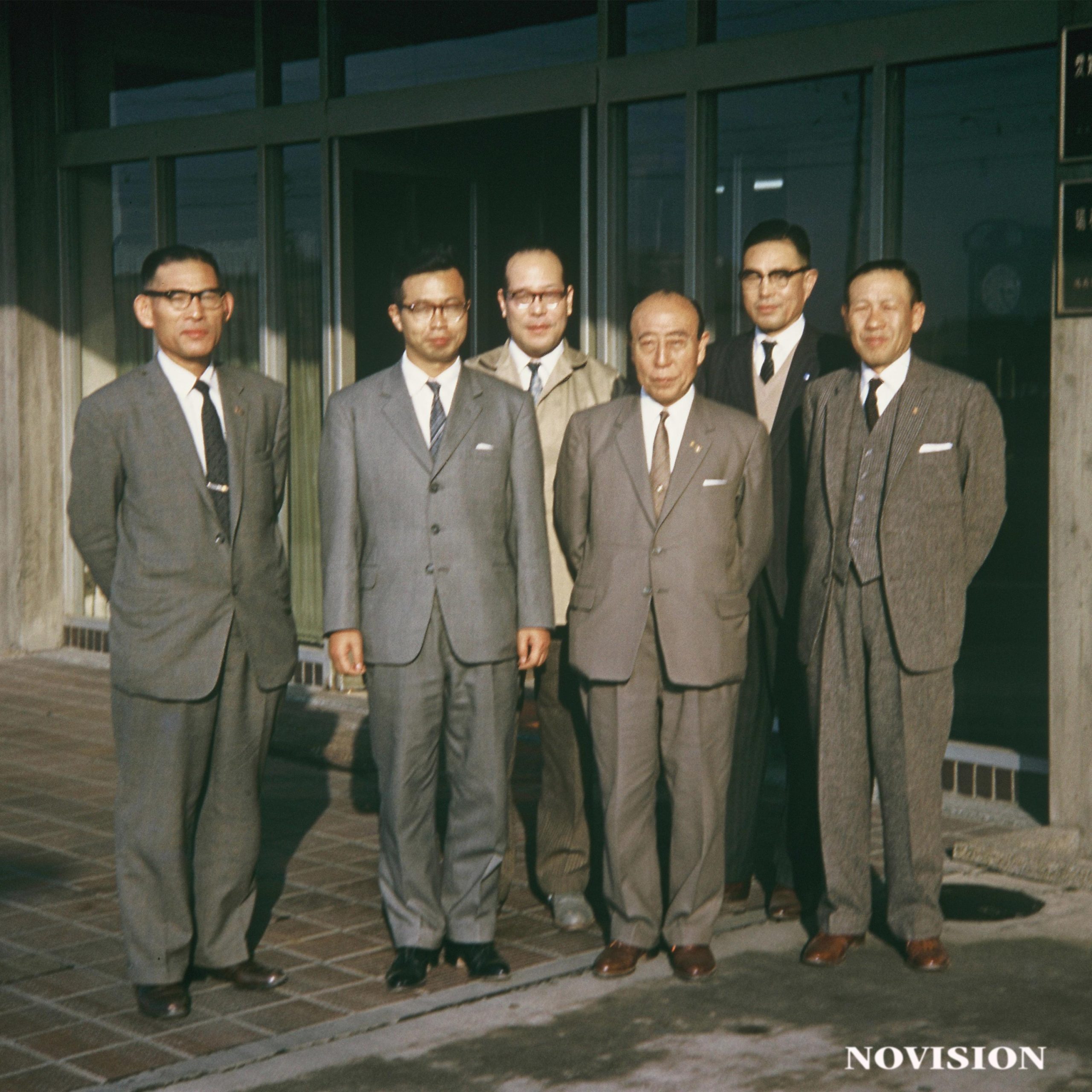
Alt-fusion Wuji Wuji has always been a six-piece defined by motion. Their sonic palette constantly twists, turns, unravels like a loose thread, and is always in flux. From jazz-funk rhythms to the dreamy allure of city-pop, now they’ve peeled it all back, exposing ”NOVISION,” a six-track extended play hot out of the oven: fresh, with a warm, experimental bite.
This sophomore release is a deliberate act of destruction and reconstruction, preserving some past elements but shedding the hip-hop influences entirely from “NOSOUL.” Drenched in brooding basslines and reverb-heavy guitar, “Times a Crime” and “Push & Pull” carve the emotional core of the EP. The title track “NOVISION” is to surrender to zero gravity, lost in the space of vocal layers and synths that hum like a distant past. It projects exactly what it needs to: a sense of suspension before the EP concludes, acting as a transition to the second half. “Careless” and “Words Hurt” leave things taut, not unresolved. These tracks lay a pivotal point in the EP, deliberately placing the listener in a state of emotional inertia and reflecting a measured evolution in Wuji Wuji’s sound.
“NOVISION” was created during a period of identity struggle for Wuji Wuji, a bold, risky move that marks a turning point in their discography, defying expectations that they would lean further into the city-pop path laid out by 2023’s “Kanluran.” But that shift isn’t a misstep; Instead, it reflects their growing curiosity in production and willingness to explore unfamiliar territory.
Wuji Wuji doesn’t just change direction; they embrace uncertainty as part of the process. Whether this marks a sound caught mid-metamorphosis or a new era, “NOVISION” proves that the group admires movement more than comfort, and that’s exactly what makes them worth following.