Approaching Antagonisms
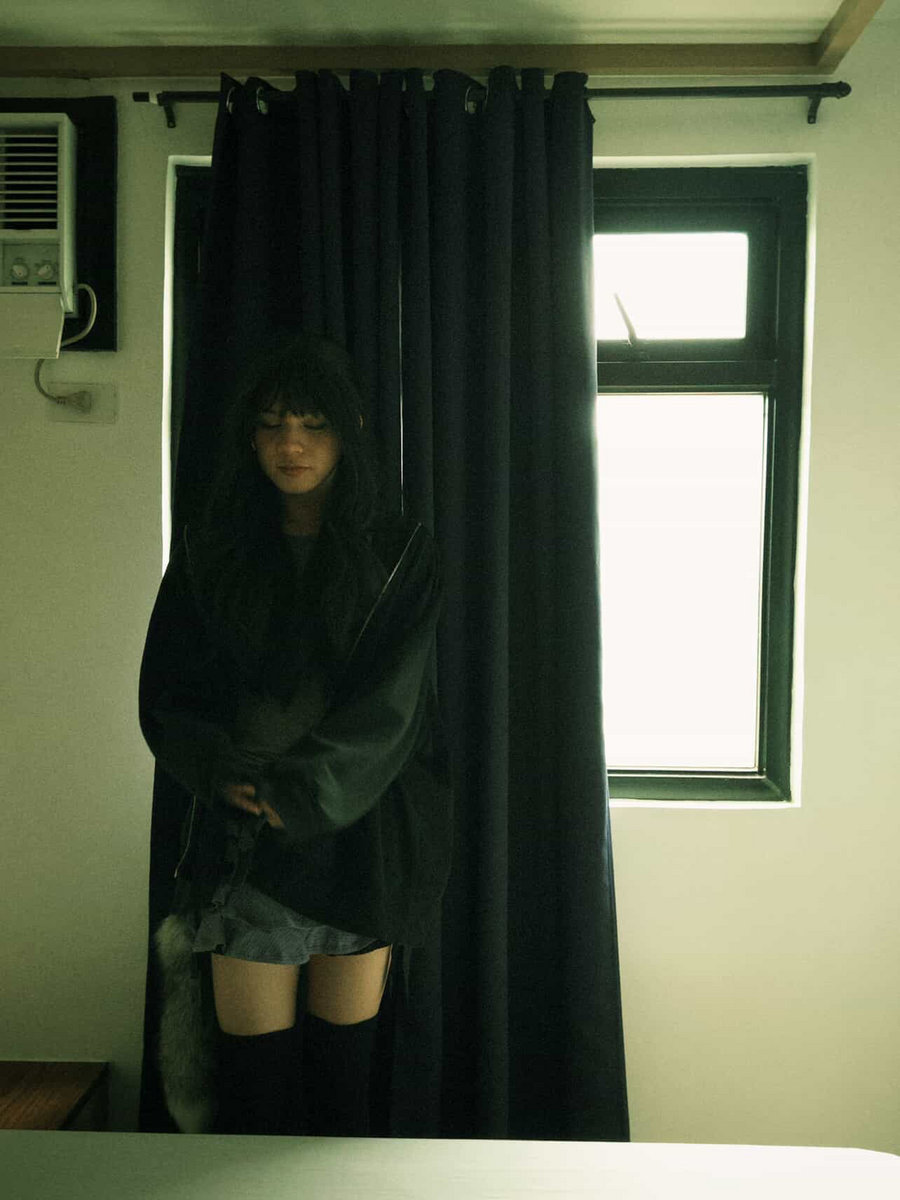
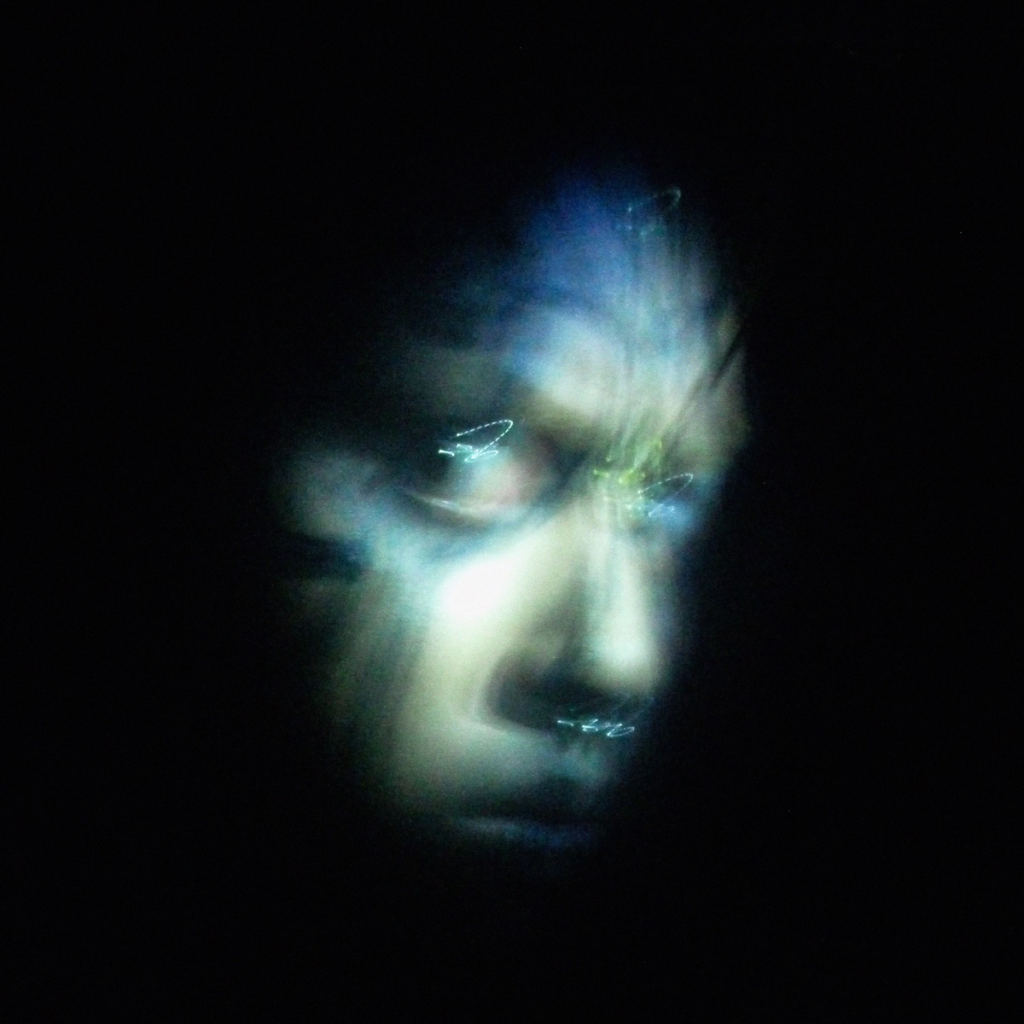
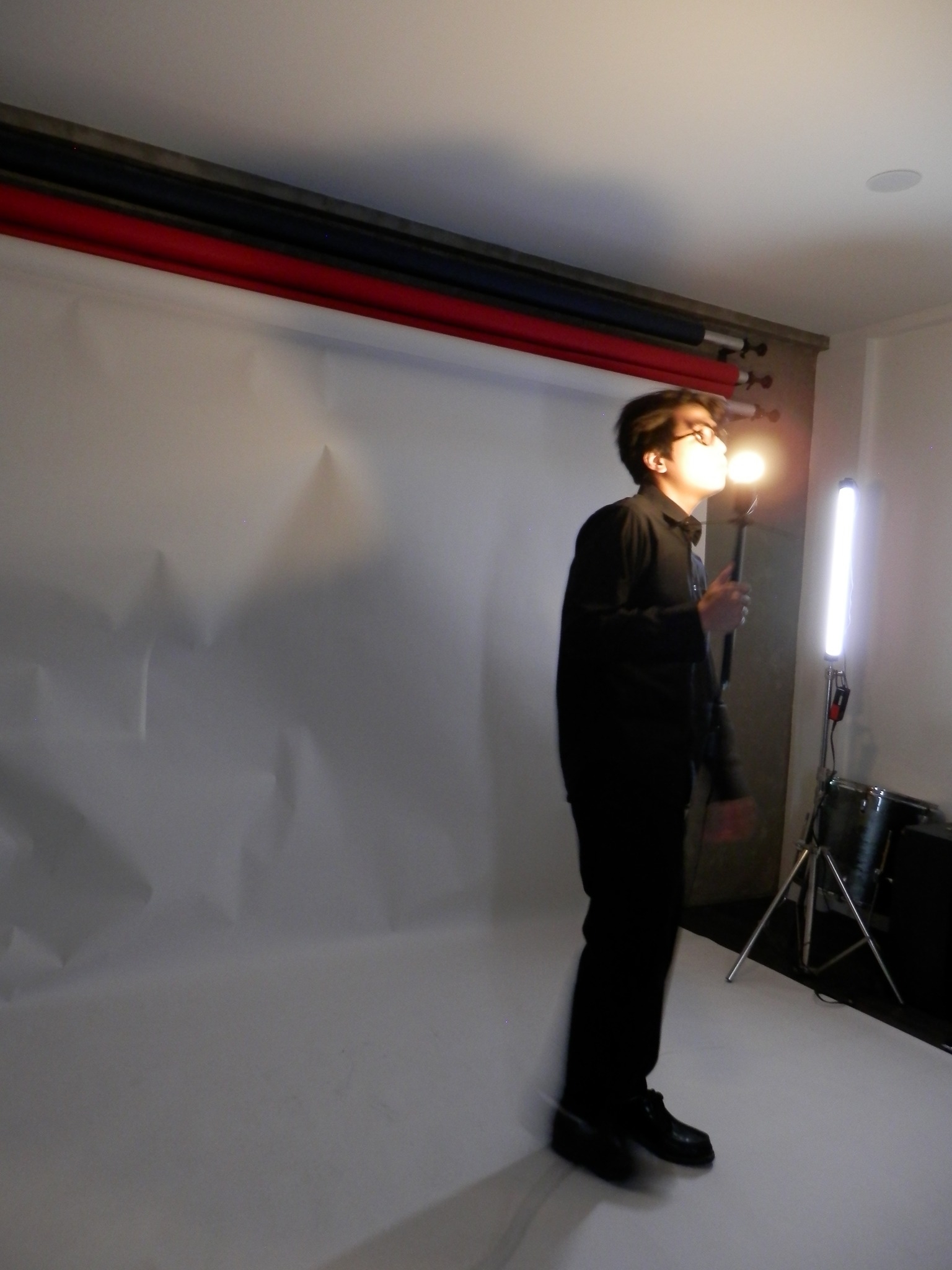
The singular author of his work, Jason Fernandez, is a textbook solo artist. His brainchild, Hazylazy, remains his closest collaborator, revisiting the Antagonisms demos he released from his bedroom years ago.
Written by Hannah Manuel
Born in the post-internet age, Hazylazy is the project of Tagalog native Jason Fernandez. An indie rock internet secret of the early 2020s, Jason made waves in the (then online) scene as the solo mind behind The Resentment Segment. Tracks like Ultrawanker and Juxtapose were the lockdown anthems that eventually funneled crowds new and old back into dive bars and in-person gig venues. With Antagonisms, Hazylazy reemerges transformed, putting together years of musical exploration into a cohesive and deeply personal thesis.
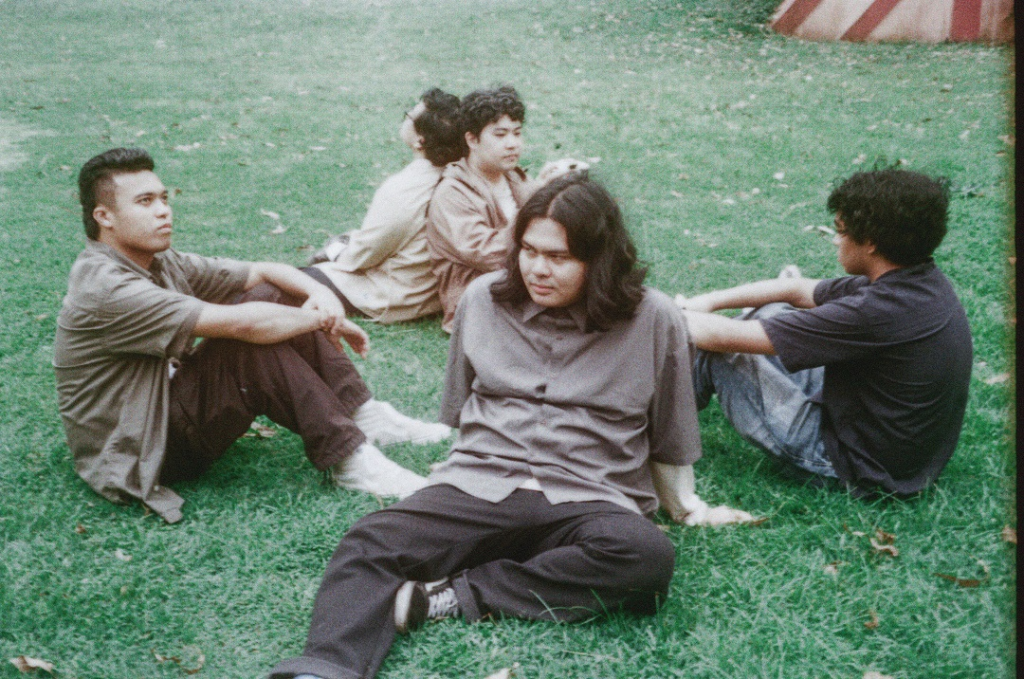
The genealogy of Hazylazy precedes the act itself. Spending his formative years in Laguna, Jason found his first audience performing with his five schoolmates at fairs in the local Catholic school circuit as Serotonin. In step with the rise of indie bands all over the country, led by the likes of Autotelic and Ben&Ben, the six-piece Biñan-grown band had the classic OPM toolkit at their disposal while somehow still maintaining impressive individuality for an adolescent outfit. Part of this ought to be due to Jason, who composed the original pieces they performed in between covers. Initially writing songs in the drum seat of the band, Jason first made his way to the mic when the band’s vocalist quit. This late 2010s indie rock sensibility transforms into something more atmospheric toward the latter part of Serotonin’s lifespan. When the band quietly dissipated into college and work, the singer-songwriter took to SoundCloud for a new solo project, where a trajectory of his work remains in view today.
From chillwave to jangle pop to neo-psychedelia, Hazylazy is heavily inspired by the wild array of musical inspirations Jason holds dear. A multisensory and multidisciplinary trip, Antagonisms is the matured mastery of Jason’s exploration project years in the making. The singular composer and producer of the album, Jason’s closest collaborator is himself. Many of the tracks are years older than they let on, beginning as demos back when Hazylazy was still in its seedling stages. With an ethos of total authorship and a creative control of the acoustic environment he molds, the indie rock auteur revisits old compositions and converses, eventually completing a years-spanning project long awaited since his last release four years ago. He orchestrates his listening experience down to a T. From the warm decay of lo-fi synthesizers, to drumlines—a channel he is well acquainted with—like heartbeats in their earnestness, the time it has taken to get him here is a reward made even riper for those who were there with him from the start.
Back in time, it was impossible to imagine Hazylazy as real. The adulterated frequencies of the real world were seemingly not the place for Jason’s ethereality. The boundlessness of the net—its lack of physical constraints, its endless archives, its potential for anonymous reinvention—serves Jason well, so well that it is easy to conflate it with the separate and equally boundless entity that is his mind. As time and a return to on-site gigs permitted, the underground bore witness to a new master. From an etiology of melancholy, Antagonisms arrives noisily and unapologetically, not giving a fuck about what the world thinks, blazing a trail through it anyway. A storied creation and a boundless frontier, Antagonisms is something to look forward to on the live stage.
**This interview has been edited for clarity and brevity.
HM: There are songs in Antagonisms and related to antagonisms written with years in between them and the final album. Specifically, the tracks “Another Self-Loathing Demo” and “ANTAGONISMS” which were released four and three years ago, respectively.
Hazylazy: Yes, which is funny ‘cause “ANTAGONISMS” did not make it to the album. But “antagonisms”, it latched on as a name. Nagkaroon pa nga ko ng iba’t ibang album names in mind, and I was trying my best to not use antagonisms because I was telling myself na “Ah may nakarelease na track ng antagonisms, yeah, whatever”. But I figured if that’s the name that works, so be it. I just went for “Antagonisms” even though there already is a song called “Antagonisms” and wala siya sa mismong album.
HM: Is there any relation between the two “Antagonisms”?
Hazylazy: It felt like [the song] started the new sound for me? That’s when I separated from the previous sound, which is the sound that most people have heard from the Resentment Segment, and “ANTAGONISMS” was a big jump from what I usually make. It was a good starting point too, in a way that song started everything. And then lyrically, the album of Antagonisms fits the title. Parang kumbaga the “ANTAGONISMS” as a single, the one on SoundCloud, the sonic aspect and the lyric aspect don’t really fit in the album I’ve made, so I didn’t think to put it in. But looking back, the title really worked with how the lyrics were written: unapologetically saying anything, unapologetically following the sound that you want, not caring about what other people say to me. It’s like being antagonistic in a way, putting yourself first, being selfish quote unquote.
HM: The singly credited composer, writer, and producer of your project. These are songs you’ve written with years in between them.
Hazylazy: Yes, years apart but it’s not as if I’ve been working on those songs for the whole time interval. I just let it sit there and then when I decided I was gonna start recording the album that’s really the only time I revisit the song and there were changes here and there but not so much. I would say just production wise, na may onting adds lang and onting subtraction of things
HM: In a way you’re revisiting a past iteration of yourself as well, in the year you first created those demos. As the sole auteur to your music, what is it like collaborating with a past version of yourself on this album?
Hazylazy: It had a lot to do with self-doubt. I’m pretty sure some artists would find it really difficult and find themselves having second thoughts, na parang “Dapat ba kineep ko nalang yung older version?” or “Am I overdoing it?” It’s more of a struggle in that sense. I would say it’s that. It’s more of a difficult situation rather than a very fulfilling one. But again after finishing the album it was very fulfilling, at the same time the constant push and pull like, “Will you keep the old version?” or after numerous demos, after months pass I’ll think “Did I over do things?” As a solo artist, there’s no one telling you it’s done. Ikaw lang makakasabi na when it’s done. I don’t have bandmates to say na “Tama na yan, you’re overdoing this”. But yes, it’s more difficult than fulfilling, but it doesn’t mean I’m not fulfilled. It’s more struggle than fun. Constant monologue ‘yon, I’d say.
I only feel when a piece is finished is when I’m really happy to listen to it. I am guilty when I say I listen to my songs.
-Hazylazy
HM: Especially for something as multilayered as Antagonisms, I see the difficulty singlehanded authorship of a work can place on you. It must be so pressuring.
Hazylazy: If I must add to your question earlier, of constant struggle and keeping the past self, the past versions of the songs, I would say the best example there would be “SLEAZE PLEASE”. I really struggled telling myself when the song was done. Talagang nahirapan ako. But the idea of that song is really a two-part which I believe I was able to pull off. It’s a prime example of my struggle. I didn’t know how to finish it. Actually at one point pinakinig ko rin sa live bandmates ko. I feel like during the process of making the whole thing, one thing I had to learn is trusting my own gut? That you have to trust your instinct. And what I had to unlearn was asking for feedback way too much. Because being a solo artist, you kinda feel like there is no one else to give you feedback. Ask yourself first. Kasi mas important talaga what I think versus what some other people might think.
HM: You mentioned tracks like “SLEAZE PLEASE” going through multiple iterations during the creation process. When does a song feel finished to you?
Hazylazy: With “SLEAZE PLEASE”, I really had a hard time with the transition of the first and second part. So I had different versions written down, and I tried out different layouts of sound. There was even one version where the spoken word comes in as a standalone with no background music; to me it felt way too long. Yung mga ganun lang. I only feel when a piece is finished is when I’m really happy to listen to it. I am guilty when I say I listen to my songs.
HM: I feel like there was someone that said—I think it was Donald Glover—“I feel like musicians are the only people that can’t benefit off of their own work.” If you’re a chef, you can make your own food, and then people won’t be like, you’re so mayabang.
Hazylazy: During the process of making the whole album, [I usually critique] my own work [like] “Is there anything I can change?” or “Is the flow correct?” I’m just basically judging myself, for lack of better term. Once I’m really happy to listen to it, I feel like I’m going to enjoy listening to this even if as a different person, if I didn’t do this, if I found this album randomly, would I like it? That’s the perspective I get. As a musician, you’re also a music fan. Taking that perspective, would I also feel, as a listener, that it feels finished? Does it feel complete? I guess the main indicator is just how it feels. Very cliche, but if it feels finished, if I feel satisfied with how it sounds. That’s why I said I’ve been listening to the album back and forth a hundred times now. I know it by heart. It’s only because, and I’m not inflating my ego that I’m listening to my album, it’s more of like, what can I change? What can I do differently? What can I do to make it perfect? I also heard this from [Tyler, the Creator].
HM: Were you at Chromakopia?
Hazylazy: Yes.
HM: I’ll ask you about that after the interview.
Hazylazy: As Tyler said, you really have to edit like a scientist. You make music for yourself. That also means that you’d have to enjoy the things you make. Until I enjoy what I listen to, I would tell myself that it’s complete.
HM: And it must be an extra heft of a reward when you take this project on as a solo artist. That must be something that really makes it worthwhile to be working on this as a solo artist. We were talking about it earlier that getting in your head so much maybe you lose the ability to look outside looking in. When you’re not able to escape from the internal monologue.
Hazylazy:. Honestly, it’s just a bit scary working on it by myself. To me, what I’m about to say doesn’t really mean that making this is about feeling some sort of victory. As a solo artist, I just tell myself sometimes if I fail with this record, there’s no one else to blame but me. It’s also a constant struggle as I have that thought in my head while working on the album. At the end of the day, I’m very happy with what I’ve made.
HM: Is the sole burden, is it more of a pressuring thing? Or do you feel maybe a sort of consolation that ‘’I’m not dragging anyone down with me if I don’t do well’’?
Hazylazy: That’s a good question. It’s both, I would say. There are days that I’d be happy to do this alone because I have full control over my time when it comes to production and creative vision. It’s very singular that I have my vision and I just need to follow through. But at the same time, having no bandmates, it’s not really… You know me. I was in a band. During the time creating this album, na miss ko rin. I missed having bandmates. Maybe in the near future, I would like to make new bands probably because I just miss working with people and having ideas from different brains. Probably in the next few years, I don’t know.
HM: You mentioned “Ultrawanker”, Resentment Segment. That era of yours is a step away from Antagonisms. But many people did start their journey with Hazylazy during the Resentment Segment era. I remember watching you early days of the pandemic. I think one year into the pandemic, I remember watching MechaFest 2021. You were performing some of those songs.
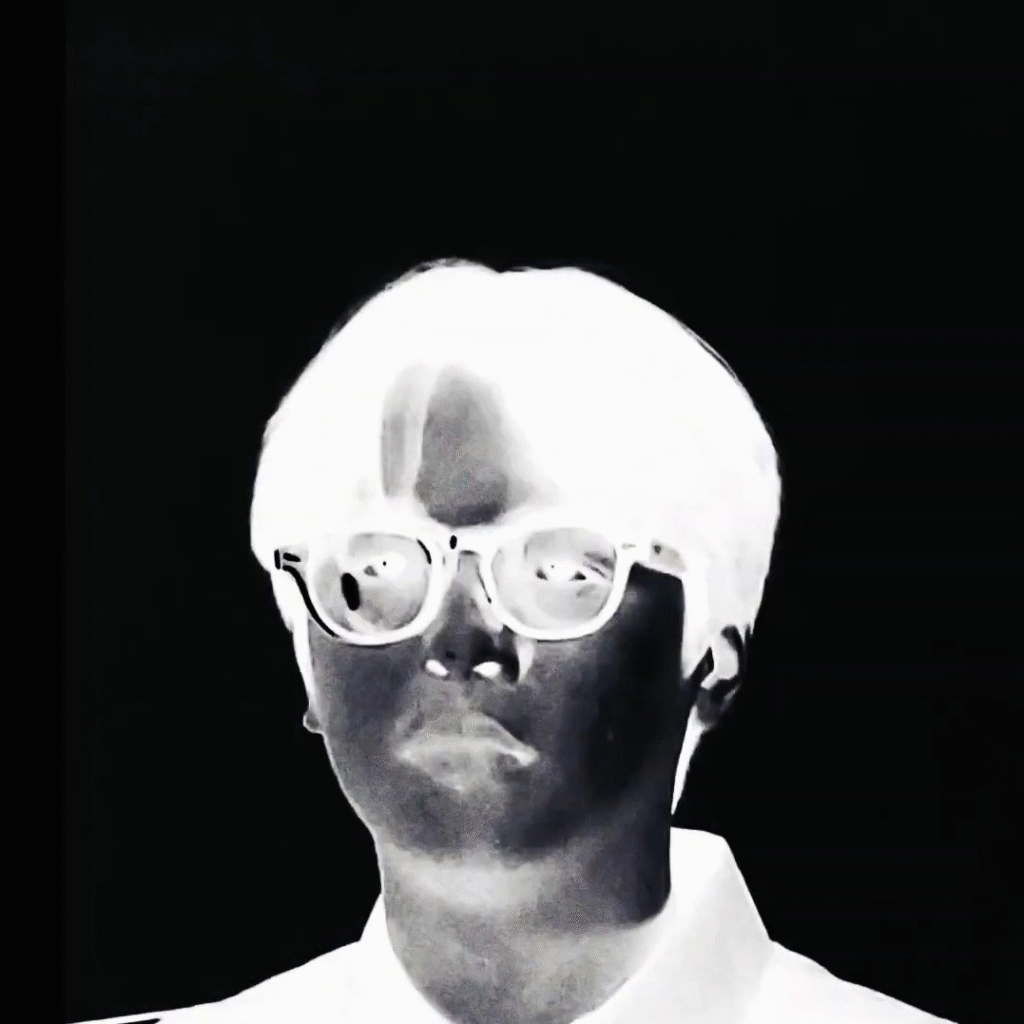
Hazylazy: That’s when I premiered “Another Self-Loathing”
HM: I went back to the recording because it’s on YouTube. With [Elev8 Me L8r]. But yeah. There’s a link there. I would describe these words to form a sort of vocabulary of disillusionment. A modern disillusionment.
Hazylazy: You’re right. Lyrically or thematically, the EP shares the same characteristics with the album. Themes of burnout, themes of self-doubt, trust issues, questioning one’s faith. The same themes, basically. But I would say Antagonisms is a more evolved concept. It’s more introspective, I would say.
After finishing the album it was very fulfilling, at the same time the constant push and pull like, “Will you keep the old version?” or after numerous demos, after months pass I’ll think “Did I over do things?”
-Hazylazy
HM: Absolutely. There’s something to say about it. I don’t know if it’s intentional, but there’s a spectrum between resentment and antagonism where resenting is more of an internal act and antagonizing is sort of external. Is the link between the two thematic titles anything you had in mind while you were building the new album?
Hazylazy: I never thought of it that way, but that’s a good catch. Thinking about it, looking back at the EP, you’re right. You’re probably right. The lyrics there would be a bit more inward. Antagonism is more of outward. It involves being selfish and not really caring about what other people think. Some songs could pass off as internal monologue, yeah, but with Antagonisms, it’s more outward when it comes to how it’s written.
HM: How was the creative journey like between those two points in time? And also, with respect to your musical trajectory, what was the creative journey like?
Hazylazy: There was a time that I told myself that I wouldn’t be making music as Hazylazy anymore after Resentment Segment. I just didn’t want to go for it anymore. I’m done with music. I told [my friends] that “Ayoko na, I don’t want to make another EP.” What made me decide that I still want to make an album. The time frame between the EP and the album, it was a constant push and pull. Do I do this? Do I do that? Self-doubting because you’re alone. When I started telling myself when I decided that I’m going to make this album, I really dug deep into my influences at that time. I asked myself what do I want to make? That’s when I decided that I really want to innovate the previous sound. What can I do to create something very original to what Hazylazy is? I’ve been thankful with the amount of music that I’ve been discovering for that time frame. It was a big influence on the music of Antagonisms. It’s funny because the artists that I’ve listened to during that time frame were not even close to indie rock or rock. I became an addict to Tyler, Frank Ocean, New Jeans. That’s why there were those kind of cuts like “OUTFIELD”, the second half of “SLEAZE PLEASE”. It was very much inspired by some of the artists that I’ve been listening to around that time.
As soon as [an idea] pops in your head, just throw it in there and see if it works up until the next day, up until the next week, the next month. Does it still work? That’s one of the principles that I prioritize. Just do it. There’s no cost to being original.
-Hazylazy
HM: You’d say your influences for the album were more… were not explicitly rock or electronic in that sort of area?
Hazylazy: I would say still, a major chunk of it but I feel like the few artists that had a very strong grip on me made its way through the music that I made. New Jeans, Frank Ocean, Tyler. Not necessarily how they sound, but the very principles that they apply to their music is what I’m following.
HM: And on your discoveries about yourself and the Hazylazy principles, do you feel you’ve come to any new revelations along the way to Antagonisms?
Hazylazy: Yeah. One of the best learnings while making this record is just to really… There’s a quote that Tyler said that resonated with me. It just connects to the one I said earlier. He said “create like a child, edit like a scientist.” I keep that to my heart really closely. Especially creating like a child part. One thing I did most during the creation of this album is creating like a child. Just throw in everything. Whatever the idea is, just throw it in. Quickly. As soon as it pops in your head, just throw it in there and see if it works up until the next day, up until the next week, the next month. Does it still work? That’s one of the principles that I prioritize. Just do it. There’s no cost to being original.
HM: The parallel kind of writes itself with what you’ve talked about Antagonisms to be already. I guess it’s not self-serving, but it’s for the self. More about the antagonizing aspect of antagonisms. I wanted to know how you wanted listeners to align. How you wanted them to align themselves to the album. What did you want them to glean from it?
Hazylazy: I’d be more curious to know how they see it. That’s why I was pleased with your observation earlier with inward and outward for receptance, argument, and antagonism. Honestly, there’s no one correct way to look at it. To me, once I have it out there, it’s for everyone to listen to and how they see it. To me, I just want to put a record that I’m happy with and that sounds good, that’s original, that’s never been heard of anywhere, sound-wise. I guess, to everyone who’s going to be reading the article or whatever, I would like to know what they think to all the listeners out there.
HM: Sound-wise, I want to take a break from talking about the album and go back in time into your journey musically. If that’s okay. Correct me if I’m wrong, but I believe crowds first heard your work as Serotonin, a six-piece band from Laguna, self-described on your SoundCloud bio to be “a disappointing multi-layered experience.” I don’t know if that’s updated or not.
Hazylazy: It’s outdated. We were kids and trying to come up with funny descriptions. But yeah, that description, because we have three guitars.
HM: I was going to say, 2016 era is when you started posting your stuff to those music-sharing platforms. But when did you start making music? Did you start 2016 as well?
Hazylazy: Well, as an individual, I’ve been playing with instruments ever since I was 10. Starting with the drums and then eventually guitar. I never really sang up until 2016. But the reason why I started to sing is because the original vocalist of Serotonin left, transferred to another school. I was the original drummer. I was writing the songs back then as a drummer. And then when our original vocalist left, that’s when I went for the vocalist position and guitar as a songwriter. That’s when I met the rest of the band. That’s when we released the songs.
HM: What’s so interesting about Serotonin is that I feel it was very much a product of its time. Starting from 2016, I think, I don’t know, when you guys started releasing music, it really perfectly fit into the zeitgeist of Pinoy Indie post-rock bands. Like the band ensemble outfits from the time. Very much employing the traditional rock band toolkit over programmed instrumentation. I wanted to ask then, how did being in a band inform your later sensibilities on collaboration versus solo endeavors? And on music as a whole. I wonder what being in a band as your first musical pursuit, as you said, did to alter, to rewire your brain musically?
Hazylazy: Well, honestly, being in a band is super fun in itself. Back then, I just wanted, starting Hazylazy, I just really wanted an outlet where I can just do whatever I want. All the ideas that I want, that’s what’s followed. I just wanted another avenue where I can just do whatever the fuck I want. So that’s basically it. That’s how I would differentiate it. I like it when there’s a band or bandmates. I really like bouncing off ideas. But I also enjoy equally being able to follow through with what’s in my head. The fulfillment of being able to make it tangible and actualizing it in song form.
HM: Do you feel that you’ve always been able to accomplish that translation into a listenable track that’s out there? Or do you feel you’ve developed that through the years and with recent releases like Resentment Segment, Antagonisms, you’ve been able to get to that point that this is exactly what you imagined in your head for it to be.
Hazylazy: It’s one of the hard parts of writing for me. Knowing that this is what I really envisioned. I’m glad to say it’s a skill that I’ve learned over the years. At first, it wasn’t really like that. But I feel confident when I say that when I have this creative vision, I already know exactly how I want it to sound like. And being able to translate that into a song, it feels good. Honestly. I would say it wasn’t like that at first, but now, over the years of trial and error, a lot of setbacks, not being satisfied with some of the demos, finding the right sweet spot. It takes time to have that coherence with your vision and the actual piece, right? It’s not instant, I can say. Some songs, fun fact, “Juxtapose” was written in one sitting. And that was one of the very, very, very, I would say, like a blessing to me because some songs would just like churn out, the songs that would churn out, sometimes you would just get super lucky that after doing it in one sitting, you’re satisfied. And some songs would do that. I’m not sure if it’s like that in the album, but I’ll have to get back to you on that. But yeah, it’s not always instant, but there are songs that are really like magic.
HM: SoundCloud, by the way, like a really, really in-depth archive of your transformation as an artist. And I don’t know, I feel, but somehow I feel that, you know, going through your different genres, different outfits with Serotonin, with early Hazylazy, like tracks like “Wordless”, “False Romantic”, “Quicksand”. The time when you had, what’s it called? It’s like logo.
Hazylazy: Yeah. Yeah.
HM: But I was just going to say I feel that even in that, there was this sort of like, ephemeral quality that peeked through. Like not even like Hazylazy, like back in Serotonin, that I felt. And I wonder where that comes from.
I have personal favorite tracks from Serotonin. “She Was”, “Backpacker”.
Hazylazy: Yeah. Oh my God.
HM: Yeah. And I just noticed that there are like atmospheric elements, not that atmospheric, but like elements, textures that you wouldn’t normally see in those sort of like traditional band toolkit setups that you still added into like the studio mix. Same with like “Wordless”. There’s still an electronic ephemera that comes through. And I feel like it really breaks out of a shell and becomes the entirety of, like really develops the sound later in later projects, starting in Resentment Segment. And I just wonder if that came from something, or if like there was something that was always there that inspired you to take that sort of slant, that sort of angle with music production?
Hazylazy: Maybe, not exactly an artist that I’m following. It’s not exactly a sound that I’m trying to go for. But I guess one thing I would say that’s constant ever since. I l always try to make, I always try to find something to make it feel different from what’s currently out there. And like, you know, that’s just my approach. There are musicians out that really hit the bullseye on certain genres. Like some rock bands can pull off the rock sound really, really well and stay through to the genre. And I would say I’m just not that type of musician. I can’t perfect the indie rock sound. I can’t perfect the rock sound. Let me just go on and try to make something different now. And it’s always been the clear reason why I’m still doing Hazylazy. It’s because I really want to find that original sound. So for example, I started a solo project because I’ve been inspired by the solo artists back in 2018, 2019, like Mac DeMarco, Tame Impala. I’ve been inspired with how they’re able to sound like a band, even if they’re solo. They sound different, they sound so original. So I’ve always been in that journey. And I know I’m not there yet, but it’s always been one of my biggest goals. I don’t have to sell out shows. I don’t have to earn a lot of streams. I just feel like I really need to find that original sound. It’s always been like that ever since. That’s why there are elements here and there. That’s very deliberate. I would say it’s a conscious choice to put it there just to have a different feel to it. Just so it doesn’t sound like anything else that’s out there. Because the last thing I want is sounding completely similar to an existing band.
HM: Yeah, where you’d be like, “Oh, you’re like the blah, blah, blah of Manila.”
Hazylazy: Sometimes it’s a fun opener or a fun line to a conversation. But again, if it’s a serious conversation, you just know if a track’s a Hazylazy track. Something like that. It’s the goal. I’m not quite sure if I’m there already or if I’m close, but it’s always been one of the biggest goals.
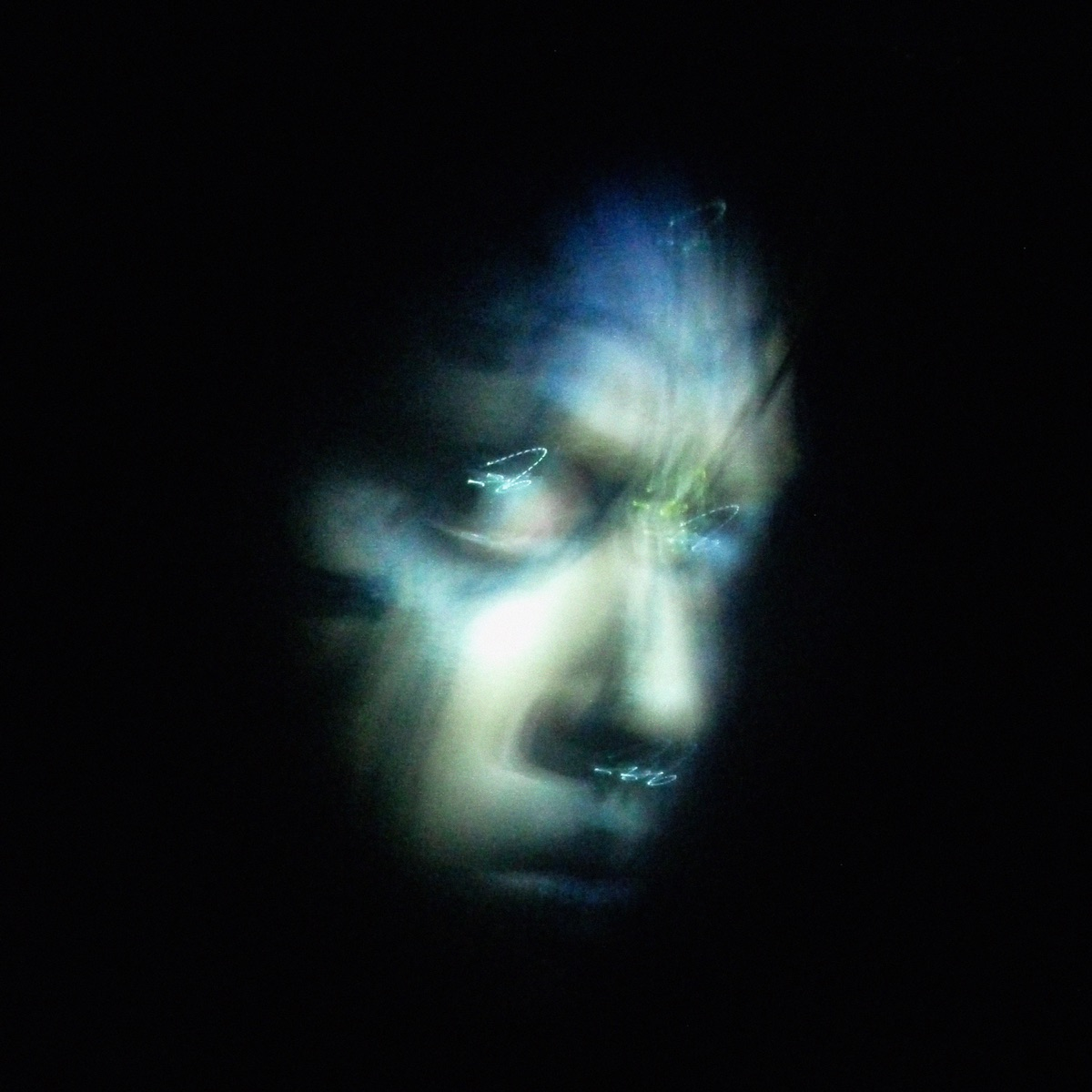
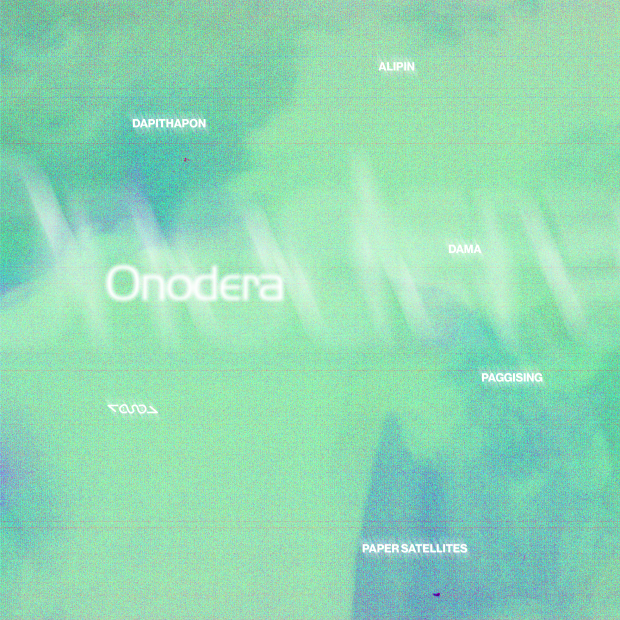
[The album cover is] very much alike with being a child, where you just don’t really care about the external things. You’re just in there. You’re just in the moment. You’re just creating without any second thoughts.
-Hazylazy
HM: Zooming out and looking at actually the key visuals you put out with your visual artist, Nicolas Salva Cruz, “Cola”. I wanted to know how that collaboration came about because honestly, I first saw the covers for Dreamweaver and the singles you put out leading to the album and I was like, wow, such an interesting album cover. Is that like The Sims or something? So yeah, I wanted to know. Even with Antagonism’s cover, zooming into the pieces, there’s a key visual for each song. Is that right?
Hazylazy: Some of the art that we’ve decided to put there kind of ties closely to the songs but it wasn’t really the main vision at the start. So it’s just a tiny coincidence.
Cola is a really cool guy. He’s super great to work with. Honestly, I saw Cola’s work when I saw Kindred’s album art and also when he made the music video for Toots, Jargon State. But I’ve known Cola from around the scene because I know Cola’s girlfriend, Tamia, way back in college. So I knew Cola in passing. So I just didn’t know that he made 3D art. And honestly, when I was thinking about how to do the album cover, I had this Pinterest board of what I wanted to do. And honestly, at first… My main vision for the album art was supposed to be… It should just be a picture. It should just be a picture. But because of time constraints, I didn’t have time to photoshoot. That’s all that happened. I didn’t have the budget to photoshoot. I didn’t have time. I don’t even want to be in the album art. I just wanted a random picture. A very eye-catching one. That would have aligned with the pegs on my mood board. But for some reason, there were suggestions on Pinterest for 3D, cool 3D art. That’s when I thought, Oh, Cola might be perfect for this. It was a cold message. That’s when I met Cola. We’ve met before at gigs. But that’s just one time. One time or two times. Then I cold messaged Cola. Are you down to do the album art? He’s a super nice guy. The collaboration. We became close friends because of this. We were always on call. But it’s been really fun. The main idea at first is to roll out the singles leading up to the album art. We made characters that would eventually appear in the album art. We decided to do a solid background first. So it’s more in-your-face. The main idea with Cola, I just wanted to feel that the album art looks how it sounds like. That was our goal. We have a base idea of 3D art. Now what can we do to elevate it or make it look how it sounds like? We added the glitch. We added some of the blur. We added the 8-bit. Because there are those elements in the sounds. We wanted to play on the childish characteristics that you can see there. Running around with dogs. Playing by the trampoline. Being curious. To me, the main idea with Antagonisms is more than being selfish. That’s very much alike with being a child, where you just don’t really care about the external things. You’re just in there. You’re just in the moment. You’re just creating without any second thoughts.
HM: Do visual and other sensory elements besides aural come to you as you create your music? Do you see a song?
Hazylazy: When it comes to creating the music, I don’t have other sensory pursuits. But I’d say when producers say different textures to the sonics, I guess that would be it. But that’s still in the hearing.
HM: You definitely have a knack for building lush soundscapes with your music. How would you approach molding the acoustic environment of a track? Because although it’s not intentionally a multi-sensory experience, it definitely is like, wow. It feels like 8D. How do you decide to fill a sound?
Hazylazy: What comes to mind while creating that sound, while creating that song, while producing the song, I just put it in there. It doesn’t have a deep, it doesn’t have a deep meaning. Some ideas that I put there in the album, as in, what’s the right word? As in, like, suddenly, I would say. For example, in “LOUDMOUTH”, the sample there, the beginning sample. I was watching an Alex G live video from YouTube. So that quick talking sample, that was from that video. But that’s because I wanted to sample Alex G. But I ended up sampling the people speaking. And for some reason, the last word he said fit in the sample, “get back”. So I used it for the song. So most of the approach here is like, it just happened out of the blue. And I think it takes a lot of skill to catch that, and to latch on to that, and to say that it’s a good idea. It’s not just random. But I feel like, I can tell myself that I’m lucky, that the idea found its way to me. But I also take myself, being able to catch that, and use those ideas. In fact, a lot of the songs here have samples. And some of these are, as in, it just suddenly came to me.Sometimes while I’m sleeping, or when I’m about to sleep, I would get up from bed, because I was thinking, I just have to write it down. Yeah, there are a lot of those. Believe it or not, the siren things you hear in Loudmouth, that’s from a Pussycat Dolls song. So there are a lot of samples there that really found its way to the tracks, that I really enjoyed creating. But one more, one more I’d like to share. “SLEAZE PLEASE” the lead part. That is from a Beach Boys song.
HM: Oh my God!
Hazylazy: Yeah, so there are a lot. It’s been really fun. I think one of the major instruments that changed the trajectory of the production style of Hazylazy in general, is because of a sampler. In the Resentment Segment, there were no abstract arrangements, none of that quality, but that’s because I didn’t have my sampler then. Now, I’ve purchased one and I’m thankful. Such an ROI, yeah, I would say.
HM: There’s something so boundless about music creation in a post-digital, post-internet era. So I want to ask, how do you plan to translate this sound and concept into a live performance? Is the goal more like a faithful reproduction, or is it embracing reinterpretation through the analog?
Hazylazy: Honestly, at first, while creating the album, I was thinking, how am I going to do this live? Especially with the electronic cuts. I’m so thankful with my live bandmates because we were able to work on the songs and translate it well live, I would say. We’ve tried it out last weekend. And I feel like that’s the magic of Hazylazy shows. You get a different Hazylazy live, and it’s a more powerful experience, I would say, since it’s louder, it’s more compact. Every bandmate just has something to offer skill-wise. I embrace interpretation—but not too far. There are some elements I’d like to keep alive, like some samples that I’d love to keep alive. I guess they’ll see that in the album launch.
HM: I wonder, you’ve been performing since pre-pandemic. I hate saying the word pandemic. It’s a turning point event, and I feel it’s very important to our recent music history. Recent happenings in music. You’ve performed in pre-pandemic venues, like Route 196. I wonder how you would compare gig culture pre-2020s to today, which is a heavily hyper-internet, hyper-digital setting, where everyone has an electronic setup in their sets. People can play samples from their songs, like click tracks and everything. Any particular transformations you’ve observed in the space, and maybe in yourself as a gig-goer, and now with Elev8 Me L8r, an organizer, and sort of creator of the gig, propagator of the gig.
Hazylazy: I admire the evolution from 2019-2018 era to how the music scene is now. Technologically, yes, you’re right. We’ve really evolved. Honestly, way back then, when I used to play Saguijo or Route 196, that’s one of the things I’ve been looking for. How do I make this possible? Way back then, before the pandemic, there were Hazylazy sets. I was always thinking about how do I do the backing track? It wasn’t that accessible. It’s just really hard to communicate in venues. Not really hard, I would say. It’s just not usual. It’s just unusual to communicate. At least, from my experience. I’m pretty sure the other pros out there were already doing that. But me, I don’t have experience with it. I just couldn’t take the first step. But now, well, at least most, where I’m always playing, I’m just thankful that their team, Jude, are very accommodating with these kinds of setups. It really allowed me to feel that what I envisioned my live sets to be is possible—not to say that it wasn’t possible before—I guess venues are more open to it now. I just really admire the evolution. Hyper-digital, as you said. I would say it’s really changed. While back then, social media was already a thing. That’s where you promote your stuff. It needs to be more rapid nowadays. And I’m afraid I’m getting too old to keep up with how rapid everything’s going. With TikTok and everything.
HM: But to give credit where credit is due, I do feel you and the rest of Elev8 were a present and very active community presence during the shift from online to offline. I remember one of the earliest gigs, I feel, coming back IRL gigs. It was Shoplifters United at Motorista back in 2022. You were sessioning for (formerly Maryknoll) back then.
Hazylazy: Yeah, the gigs started after that. I feel like we just really wanted to harp on that momentum coming from the online shows that we’ve been doing as Elev8. Like how we try to innovate online live shows. Back then, we tried to apply that same principle in our live shows. Try to do something different. But yeah, you’re right. We were active. But as Hazy Lazy alone, it’s pretty hard. It’s hard to keep up. Baka naging tito lang ako.
HM: But yeah, I mean, definitely, I feel what’s made, what’s colored this era of gigs is how very post-internet it is. Especially with entities like Elev8 that existed from, was born from the internet. That’s their nesting ground. Yeah. Do you feel that it’s a change for the better? Are you excited looking forward to further evolutions of music and gig culture? Are you going to be there for the ride?
Hazylazy: Yeah, for sure. I’d be happy to see it. We can’t really predict that I’d be present-present. But I’m pretty sure I’d be watching from afar if ever, if ever it happens. I take a break from music. For the future.
HM: Don’t.
Hazylazy: [laughs] But like, I’d be happy to see the local scene evolve. I’m sure we have the, we have a very good foundation right now. Like, we have the right formula to bring us forward, I would say. And they’re also young. Yeah. The young people, they’re so good and very smart with their promotions, I would say.
HM: Okay. What’s next in store for, maybe not even just Hazylazy. Are we gonna see a comeback of Report Error, Serotonin?
Hazylazy: Ooh, that’s a deep cut. Honestly, okay, I miss the band. I miss the boys. I hope we can link up. Link up? Yeah. But, we’re still getting along. Our relationship is still good. We still treat each other as like…
HM: Yeah, I think the last gig wasn’t too long ago.
Hazylazy: Yeah. But we never got to be complete due to personal stuff then. Every band member is doing their own thing. Super proud of them. But yeah, Report Error, probably. Let’s see. I still have the energy. But right now, all I’m thinking about when it comes to what’s next, after the album launch, maybe just take that quick vacation or reward myself with like, you know, video games and travel, probably. But like, Yay! But like, personal life first. If I ever felt like there’s a strong urge within me to write another record, then why not, right? But we’re not sure. We don’t know that yet. We don’t know when. We don’t know how it will sound like. But pretty sure if there’s another Hazylazy record, it’s not gonna be a duplicate of Antagonisms. It’s always gonna be different. Every time. Something different. At least, not exactly the same, but I will always try to make something different.